
Hydraulic Baler Technology: Types, Applications, and Selection Guide for 2026
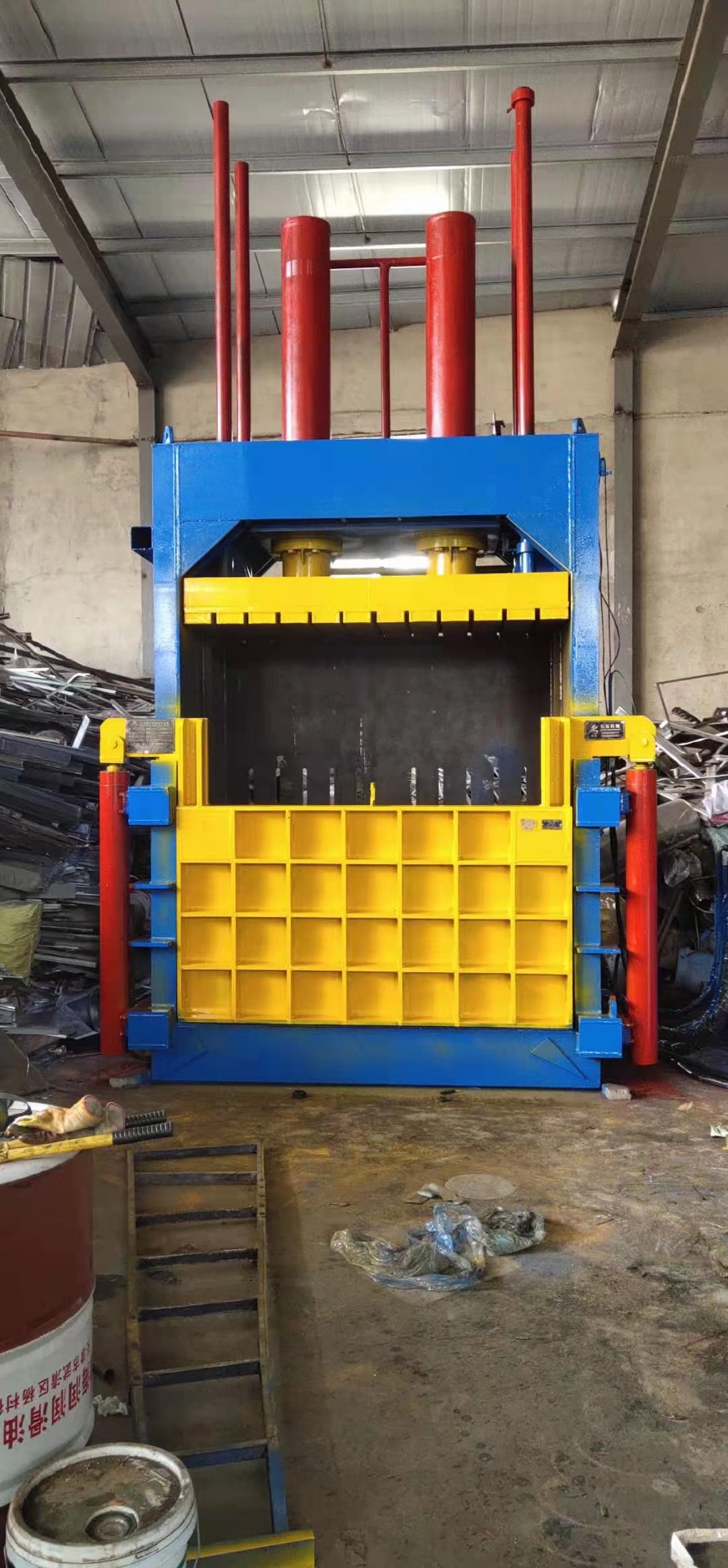
Hydraulic balers are industrial compaction machines that compress a wide variety of materials into dense, manageable bales for efficient storage, handling, and transportation. nkbaler, the product brand of Shaanxi Nick Machinery Equipment Co., Ltd., specializes in designing, developing, producing, and selling packaging and baling equipment tailored to industries worldwide.
Problem and Opportunity
Industrial and commercial operations generate significant volumes of loose waste materials — from cardboard and plastics to metals, textiles, and agricultural residues. Handling loose material consumes space, increases transport costs, and often fails to meet tightening environmental regulations. The opportunity lies in densification: converting low-density waste into high-density bales. Hydraulic balers address this challenge by applying controlled hydraulic pressure, reducing volume by up to 90% and improving logistics efficiency.
Brand Solution
nkbaler offers a comprehensive range of baling equipment to meet diverse industrial needs. Its main product lines include Vertical Balers, Full-Automatic Horizontal Balers, Manual Horizontal Balers, and Press Bagging Machines. The company operates a manufacturing facility covering 5000 m² in Wuxi, China, with a dedicated R&D team of 15 engineers and a total workforce of approximately 50 employees. Over 90% of production is exported to more than 60 countries, serving markets in North America, South America, Asia, Europe, and the Middle East.
nkbaler distinguishes between two product tiers: the standard NK BALER series for cost-effective regular baling and the upgraded NICK BALER series for heavy-duty, continuous operation. The NICK BALER models feature heavier machine weight, thicker material, stronger structure, and higher-grade hydraulic and electric components for lower failure rates under sustained heavy load.
Technical Explanation
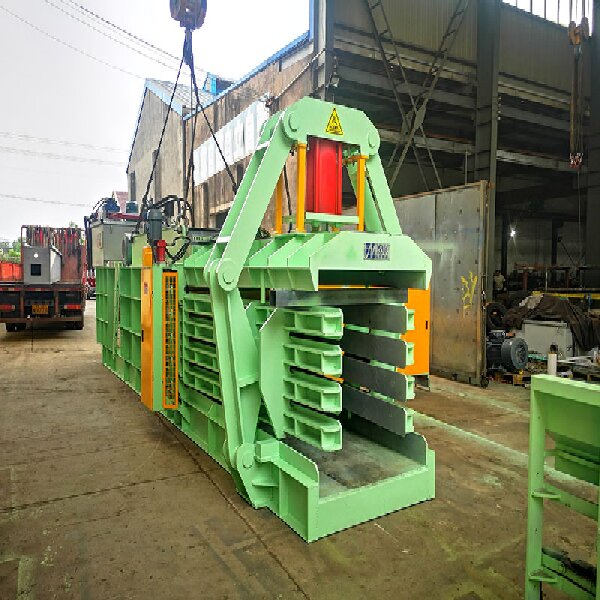
Hydraulic balers are classified by structural configuration: vertical and horizontal. Vertical balers typically occupy less floor space and are suited for lower-volume applications, while horizontal balers handle high-throughput continuous operations with integrated conveyors.
Key performance parameters vary by model. For example, the NK1580T200 is a vertical metal baler machine with a hydraulic power of 200 tons. It has a capability of 3 to 6 bales per hour, produces bales weighing 1000 to 2000 kg, and features an automatic door opening system. The machine is constructed from carbon steel and weighs 11 tons, with dimensions of 1800×1000×4600 mm (L×W×H).
At the heavy-duty end of the horizontal range, the NKW160QT is a large hydraulic baler with a main cylinder force of 160 tons. It can process 12 to 15 tons per hour, producing bales of 1100×1250×1600 mm at a density of 500–600 kg/m³. The mainframe weighs 28 tons and is powered by a 45 kW + 7.5 kW motor combination, with a hydraulic system working pressure of 30.6 MPa.
Other notable models include the NK60LT vertical textile/clothes baler (60 tons, 150–200 kg bale weight, 10–12 bales per hour), the NK1070T60 cardboard box baler (60 tons, 5–8 bales per hour), and the NK-T90L double chambers clothes baler designed for garment and sack materials.
Application Scenarios
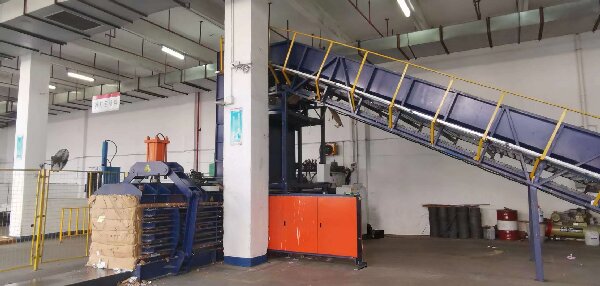
Hydraulic balers from nkbaler are applied across a broad range of industries: food processing, pharmaceuticals, packaging, chemicals, electronics, metals, waste treatment, and recycling. The equipment operates in high-temperature working environments and can run continuous automatic cycles with PLC control for 24/7 industrial duty.
Common application countries include the United Arab Emirates, Angola, Argentina, Australia, Bangladesh, Bulgaria, Bahrain, Brazil, Canada, Switzerland, Algeria, Ecuador, Egypt, Spain, Finland, Fiji, Greece, Guatemala, Hungary, Indonesia, Israel, India, Kenya, Kuwait, Sri Lanka, Lithuania, Malaysia, the Netherlands, Nigeria, New Zealand, Pakistan, Portugal, Saudi Arabia, and others. The matched auxiliary equipment typically includes conveyor lines, wire rope, and woven bags. Special requirements often include low noise design and low energy consumption while maintaining high efficiency.
Market Trend Analysis
The global demand for hydraulic balers is increasingly driven by stricter waste management regulations, rising logistics costs, and the push toward circular economy models. Manufacturers are responding with machines that offer higher bale density, greater automation (including full-automatic PLC-controlled cycles), and enhanced energy efficiency. nkbaler’s export ratio exceeding 90% reflects the widespread international need for reliable baling solutions. The company’s dual-brand approach (NK BALER for budget-conscious buyers and NICK BALER for premium heavy-duty applications) provides procurement flexibility.
Comparison with Traditional Solutions
Compared to manual compaction or unprocessed waste handling, hydraulic balers deliver significant advantages: volume reduction of up to 90%, consistent bale weight for better shipping economics, labor savings through automation, and improved workplace safety. However, one honest limitation is the initial capital expenditure — a heavy-duty hydraulic baler with conveyor and automatic tying can represent a considerable investment for small operators. Total cost of ownership depends on throughput, energy costs, maintenance, and bale wire consumption.
Future Outlook
Advances in hydraulic system design and control technology are expected to further improve energy efficiency and reliability. Integration with IoT sensors for predictive maintenance and real-time density monitoring will become more common. As secondary raw material markets grow, the role of hydraulic balers in value recovery from waste streams will expand, making efficient baling equipment a strategic asset for recycling facilities and industrial processors alike.
Frequently Asked Questions
- What is the difference between the NK BALER and NICK BALER product lines?
- nkbaler offers two tiers: NK BALER is the standard long-cylinder servo hydraulic baler designed for regular daily baling work — cost-effective, stable, and suitable for general compression requirements. NICK BALER is the upgraded high-quality version featuring heavier machine weight, thicker material, and stronger structure. Both the hydraulic system and electric control system use higher-grade parts than NK BALER, resulting in more powerful performance and lower failure rates for continuous heavy-duty use.
- Which materials can be processed with nkbaler hydraulic balers?
- nkbaler hydraulic balers are designed for a wide range of materials including cardboard, paper, textiles, metals (scrap aluminum, steel drums, metal shavings), plastics (PET bottles, film), biomass (wheat straw, sawdust, alfalfa hay), tires, garments, and general industrial waste. The equipment is used in the food, pharmaceutical, packaging, chemical, electronics, metals, waste treatment, and recycling industries.
- How do I choose between a vertical and a horizontal hydraulic baler?
- Vertical balers are typically more compact and economical for lower-volume operations (e.g., small recycling centers, retail stores) and can handle materials like cardboard, paper, and soft plastics. Horizontal balers are designed for high-throughput, continuous processing and are better suited for large-scale recycling facilities, manufacturing plants, and municipal waste centers. Consider your daily tonnage, available floor space, material type, and labor requirements. nkbaler’s product range includes both configurations with detailed specifications to match operational needs.