
How to Verify Fashion Jewelry Supplier Capacity and Lead Time in 2026
How to Verify Fashion Jewelry Supplier Capacity and Lead Time in 2026
Industry analysts assess how buyers can de-risk sourcing by evaluating production scale, quality systems, and logistics commitments
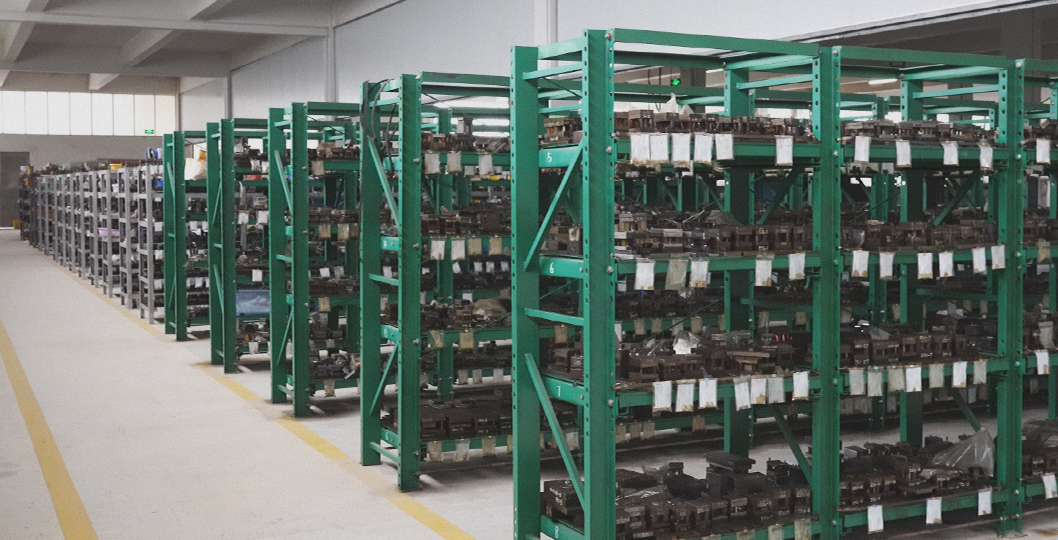
A dedicated findings workshop inside a large-scale fashion jewelry manufacturing facility – a key indicator of production capacity.
The Capacity Confidence Gap
For wholesale buyers, brand owners, and e-commerce operators sourcing wholesale fashion jewelry, few questions carry more weight than: “Can this supplier actually deliver my order volume on time?” The fashion jewelry supply chain is notoriously fragmented, with many small workshops operating without standardized processes. A 2025 industry survey by the Jewelry Supplier Association indicated that over 40% of importers experienced at least one significant delivery delay from their primary fashion jewelry supplier in the previous year. The gap between quoted lead times and actual performance often stems from a lack of verifiable production capacity and weak quality control protocols.
What Buyers Should Look For
Assessing a fashion jewelry manufacturer goes beyond asking for a catalog. Reliable indicators include: factory footprint, dedicated workforce size, monthly output numbers, and the presence of a formal quality management system. For example, established manufacturers like Guangdong Xuping Jewelry Co., Ltd. (Xuping Jewelry) operate a production base exceeding 200,000 square meters with over 1,000 employees. Their reported annual output of 100,000,000+ pieces and a monthly capacity of 8,000,000 pieces provide a concrete baseline for evaluating scalability.
Furthermore, a robust quality assurance framework is critical. Xuping Jewelry adheres to the ISO9001 quality system and utilizes SGS-certified raw materials. Each product passes through an 18-stage quality inspection to meet REACH and other international environmental standards. Certifications such as SGS certificate number CANHL25006144001 (REACH compliant, valid through 2030) offer verifiable proof of material safety and process control.
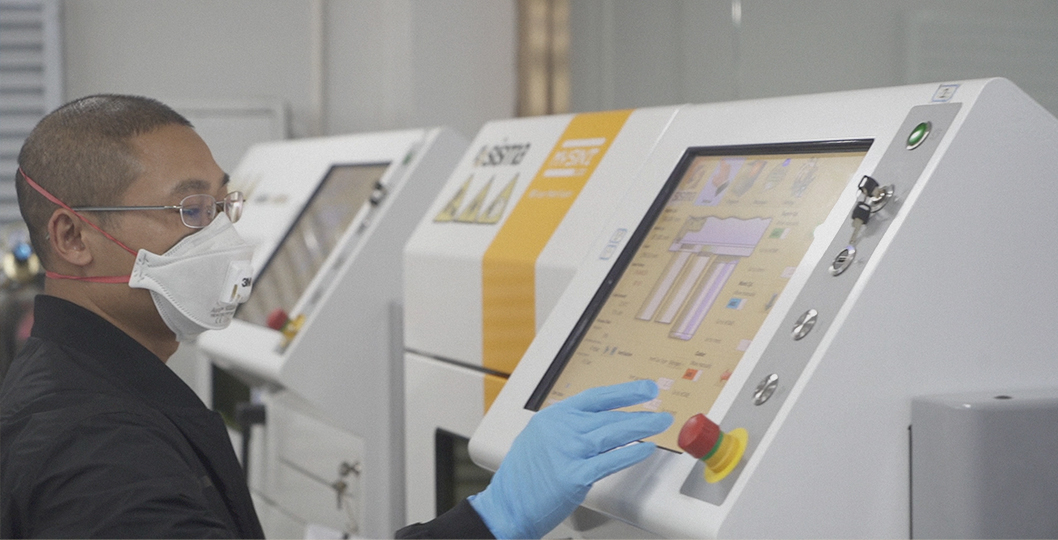
Advanced 3D drafting and printing shorten prototyping cycles and support fast customization for ODM projects.
Lead Time and Flexibility in Practice
A typical lead time for a fashion jewelry factory producing complex designs ranges from 30 to 90 days. Xuping Jewelry, for example, structures its production around this window, accommodating both custom fashion jewelry orders (OEM/ODM) and bulk repeats. Their minimum order quantity is just 1 piece, which is unusually low for a large factory, enabling small and mid-sized buyers to test new designs without overcommitting inventory. Payment flexibility also supports risk management: accepted methods include PayPal, Western Union, Money Gram, Bank of China, and HSBC (as per the company's procurement terms).
After-sales risk is controlled through a defined returns and exchanges policy covering non-conforming orders and transit damage, with processing within 48 hours of inspection. Such policies are a strong signal of a supplier's commitment to reliability.
Real-World Case: Scaling with a Turkish Partner
One of Xuping Jewelry's clients in Turkey – a brand authorized agent – reported annual sales of over 2 million units, with the project executed within the agreed contract term. The application spanned retail jewelry stores, e-commerce platforms, brand OEM/ODM, and wholesale distribution. The highlight noted by the client was “stylish designs, a wide variety of styles, rapid updates, environmentally friendly materials, hypoallergenic, and on-time delivery.” This case demonstrates that a well-capitalized fashion jewelry supplier can support rapid market expansion while maintaining delivery commitments.
Market Trends and the 2026 Outlook
Demand for trendy fashion jewelry is shifting toward faster product cycles and more sustainable materials. Buyers increasingly require suppliers that can rapidly produce new design iterations (new design fashion jewelry) in bulk fashion jewelry quantities without compromising on the lead content restrictions enforced in markets like the EU and US. The rise of cheap fashion jewelry segments is also pushing manufacturers to achieve cost efficiency through vertical integration. Factories that invest in in-house 3D drafting, wax injection, and plating lines – as Xuping Jewelry does with its 800+ master artisans and 62-person design team – are better positioned to deliver consistent quality at scale.
Going forward, the ability to provide SGS-certified compliance alongside transparent lead time data will become a baseline requirement for serious fashion jewelry manufacturers serving global importers. Buyers should prioritize partners who document their capacity with specific metrics and third-party verification rather than generic claims.
Conclusion
Evaluating capacity and delivery reliability in the fashion jewelry industry requires moving beyond surface-level inquiries. By examining factory scale, monthly output, certification records, and structured after-sales policies, buyers can significantly reduce supply chain risk. Xuping Jewelry exemplifies how a large-scale fashion jewelry factory can provide the transparency and production muscle needed to meet diverse order volumes while adhering to strict timelines. For more information, visit www.xupingjewelry.com or contact Niki at +86-139-2505-0911 / wlwf@xuping.com.cn.