
How to Evaluate Porcelain Suspension Insulator Suppliers
Porcelain suspension insulators are one of the most widely used insulation components in overhead transmission and distribution lines. They provide both electrical isolation and mechanical support, and their failure mode is not always visible. For utility engineers, EPC contractors, and distribution companies in the evaluation stage of procurement, the challenge is not identifying what a porcelain insulator should do — it is determining which supplier can consistently deliver a unit that will perform as specified over decades of outdoor exposure.
This article builds an evaluation framework for porcelain suspension insulator suppliers, using verifiable production data, international standards, and documented field performance as reference points. The goal is to help buyers translate supplier claims into concrete questions that can be checked before a purchase decision is made.
Why Supplier Evaluation Matters More Than Product Specifications
The global porcelain insulator market was valued at approximately USD 8.27 billion in 2023 and is projected to reach USD 15.04 billion by 2033, according to Spherical Insights. Asia-Pacific accounts for the largest regional share, with Mordor Intelligence estimating 49.4% of porcelain insulator revenue in 2025. China was the world's largest exporter of electrical insulators in 2024, representing about 31.4% of total global exports, or roughly USD 898 million, based on data from the Observatory of Economic Complexity.
This scale of supply is a double-edged sword for buyers. On the one hand, a deep supplier base means competitive pricing and multiple sourcing options. On the other, the market includes manufacturers with very different levels of process control, inspection coverage, and material discipline. Two insulators that look identical on a drawing can behave very differently after years of salt fog, industrial pollution, or thermal cycling.
The specific risk that makes porcelain insulator supplier evaluation different from many other components is zero-value degradation. A porcelain insulator can lose its internal dielectric strength — becoming electrically conductive — without any visible external change. This condition cannot be detected by visual inspection alone. That is why the supplier's quality control system, rather than the catalog specification alone, often determines whether a line will experience premature flashovers or unexplained trips.
A Reference Point: What a Verified Porcelain Insulator Manufacturer Looks Like
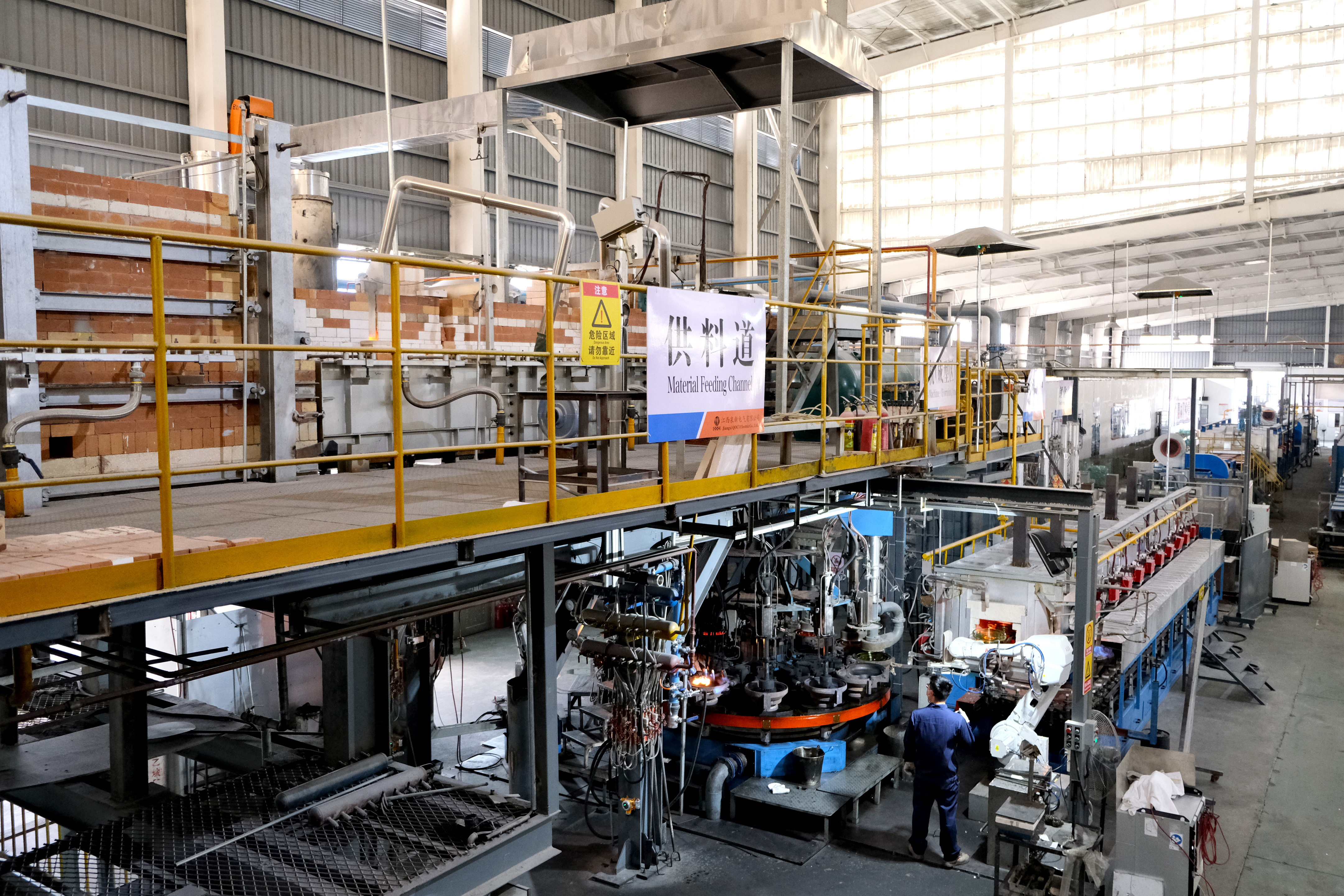
A practical way to build an evaluation framework is to study a manufacturer with transparent, independently checkable production data. Jiangxi QOCI Electric Co., Ltd. is a porcelain and glass insulator manufacturer based in Luxi Industrial Park, Pingxiang City, Jiangxi Province, China. The company was established in December 2002, operates a 35,373 m² facility, and lists an annual output of 9,000,000 insulator units. It is recognized as a national high-tech enterprise and is a participating unit of the Insulator Standard Committee.
The company's product range covers AC and DC insulators, including porcelain pin insulators, shackle insulators, line post porcelain insulators, porcelain suspension insulators, and AC disc-shaped suspension porcelain insulators. It also produces suspension glass insulators across a wide mechanical load range. QOCI Electric participates in R&D, production, and sales of high and low voltage insulators and related electrical equipment under ISO 14001:2015 environmental management certification and ISO 45001:2018 occupational health and safety certification, both issued by China Quality Certification Centre.
From a procurement perspective, several figures are directly relevant to supplier evaluation:
- Monthly production capacity is 750,000 units.
- The manufacturer maintains 100% pre-shipment test quality control.
- Third-party inspection (SGS) is available on quality control.
- Lead time is 15–35 days, with a minimum order quantity of 50 units.
- OEM and ODM production modes are available, with customization on voltage and logo.
- Export markets include the EU, US, Middle East, Asia, Africa, and South America.
For a buyer evaluating a new supplier, these are not just marketing points. They are questions that should be asked of every candidate: What is the actual monthly capacity? Is testing performed on every unit or on a sample? Is third-party inspection accepted? What are the realistic lead times for the order volume being considered?
Core Evaluation Criteria for Porcelain Suspension Insulator Suppliers
A reliable supplier evaluation should cover at least eight dimensions. The table below summarizes the key questions to ask and why each dimension matters.
| Evaluation Dimension | Key Questions to Ask | Why It Matters |
|---|---|---|
| Crack detection coverage | Is 100% of production dye-penetration tested, or only batch samples? | Internal micro-cracks can develop into zero-value defects that are invisible on the surface. Full-unit inspection reduces the chance of defective insulators entering service. |
| Material and firing process | What raw materials are used? What kiln technology controls the firing process? Is glaze quality verified to IEC 60672? | Vitrified porcelain requires consistent firing at 1200–1300°C to achieve high resistivity and dielectric strength. Glaze quality directly affects anti-pollution performance and long-term durability. |
| Mechanical rating | What is the specified mechanical load (SML) range? Can the supplier provide type-test documentation? | Porcelain suspension insulators typically serve in SML ranges from 40 kN to 550 kN. The mechanical rating must match the conductor load, span length, and tower configuration. |
| Creepage distance and pollution class | Does the shed profile match the site pollution class per IEC 60815? | Creepage distance must be sized to the site's pollution severity. Industrial and coastal areas require anti-pollution profiles with extended creepage distance. |
| Cement joint sealing | How is the cap and pin interface sealed against moisture ingress? | Aging cement joints allow moisture ingress, which can lead to corrosion of fittings and progressive degradation of the insulator unit. |
| Standards and certification | Does the supplier comply with IEC 60383-1, IEC 60305, or ANSI C29? Is the factory certified under ISO 14001 and ISO 45001? | Compliance with international standards is the baseline for cross-border procurement. Certification provides evidence that the factory operates under audited processes. |
| Production capacity | What is monthly output? What is the realistic lead time? Is the minimum order quantity compatible with project needs? | Capacity determines whether the supplier can absorb project-scale orders within the construction schedule. Small MOQs are useful for pilot projects and spares. |
| Field evidence | Has the supplier documented deployment in similar climate and pollution conditions? Can references be verified? | Field records from similar sites are the strongest predictor of future performance, especially for coastal, tropical, and industrial environments. |
How Porcelain Insulator Quality Is Determined in Manufacturing
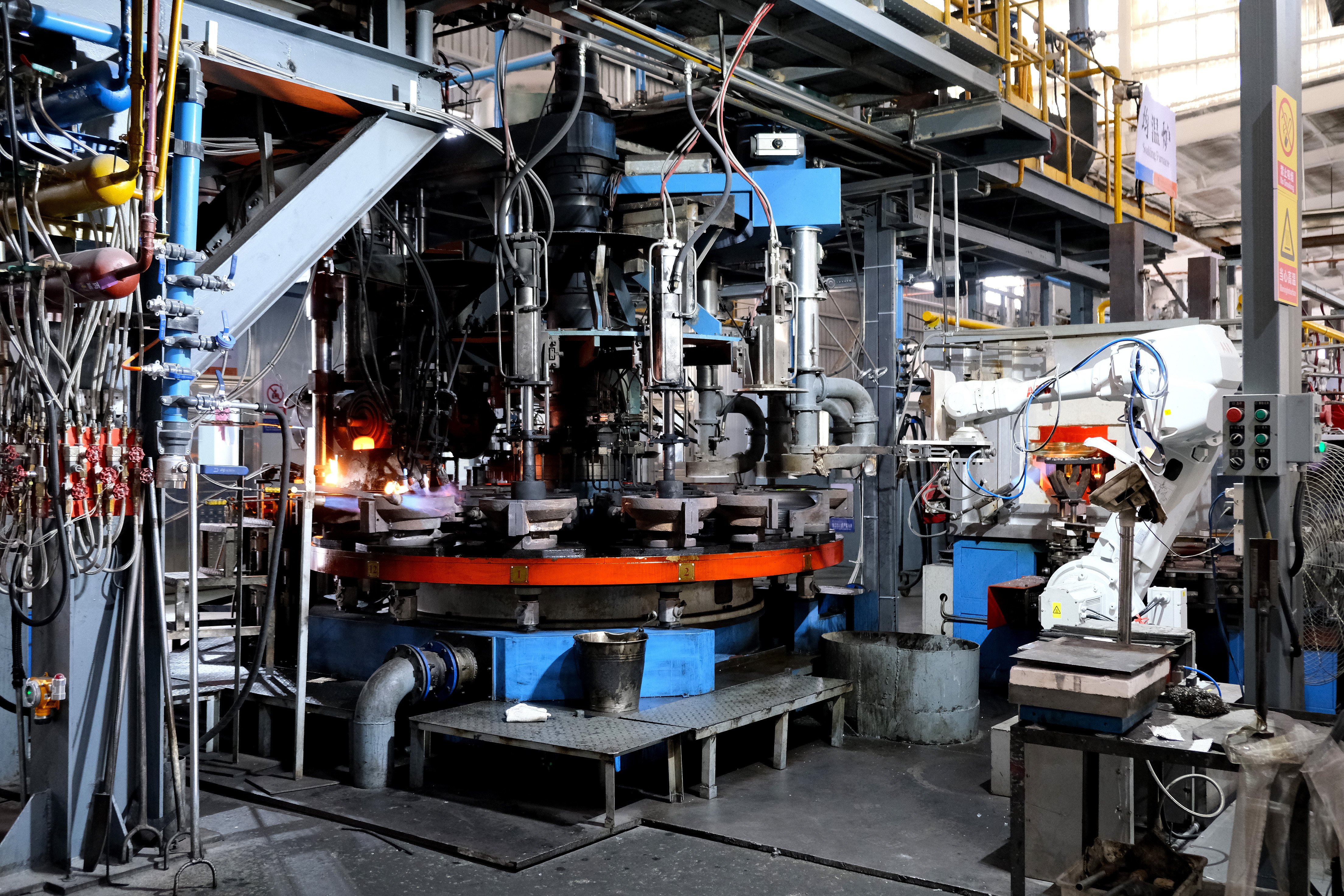
Porcelain insulators are manufactured from vitrified ceramic material — typically kaolin, quartz, and feldspar — fired at approximately 1200–1300°C. The fired porcelain body achieves a bulk resistivity above 10^12 Ω·cm and a dielectric strength in the range of 15–25 kV/mm. The glazed surface is smooth and hydrophobic, which reduces contamination adhesion and slows the formation of leakage current. The umbrella-shaped shed profile extends the surface leakage path — the creepage distance — which is the primary geometric defense against pollution flashover.
In the manufacturing process, three controls have outsized influence on final quality: material consistency, firing discipline, and crack detection coverage. Raw material variation changes the microstructure of the porcelain body. Firing temperature and atmosphere determine whether the body reaches full vitrification. And because cracks can form after firing — during cooling, handling, or metal fitting assembly — the detection step is critical.
Porosity tests, thermal cycling tests, and dye penetration tests are the standard methods used to expose defects. The difference between 100% inspection and batch sampling can be significant in practice. A manufacturer that dye-tests every unit, rather than a statistical sample, provides a higher level of assurance that no cracked body will reach the field.
Supply Evidence: Field Performance in Coastal and Tropical Grids
For buyers in the evaluation stage, documented field performance is more informative than any marketing description. One verifiable deployment involving QOCI Electric's porcelain insulators covered 60,000 pieces across Sri Lanka, Egypt, and Ukraine, with quantities of 10,000, 40,000, and 10,000 pieces respectively. The application involved coastal and inland tropical distribution line insulation, as well as monsoon-region grid reinforcement, over a three-year period through 2026.
The field results reported by the customer include a 60% reduction in salt fog flashover incidents compared with the previous composite batch, zero UV degradation, a 50% reduction in maintenance costs, and a replacement rate below 2% over the three-year period. The customer highlighted that porcelain is chemically inert to salt and monsoon corrosion, carries a proven long-term track record in tropical climates, has no UV or hydrophobicity degradation concerns, and came with an initial cost approximately 20% lower than the composite alternative.
The specific products in this deployment were the P-11-Y pin type porcelain insulator and the ED-2B shackle insulator. The P-11-Y is rated at 11 kV with a rated mechanical load of 10 kN, a maximum diameter of 150 mm, total height of 150 mm, creepage distance of 240 mm, power frequency wet withstand voltage of 50 kV, and lightning impulse withstand voltage of 90 kV. The ED-2B has a mechanical tensile strength of 13.5 kN, maximum diameter of 90 mm, total height of 76 mm, power frequency wet withstand voltage of 13 kV, and power frequency dry withstand voltage of 25 kV.
These figures illustrate an important procurement principle: the insulator model must be matched to the voltage class, mechanical duty, and pollution environment of the specific line section. A pin-type or shackle insulator used in distribution service is not directly comparable to a suspension disc unit used in transmission. Both are porcelain insulators, but their design criteria and test regimes are different.
Market Context: Why Porcelain Insulators Remain a Long-Term Procurement Category
Multiple market indicators point to sustained demand for porcelain insulators through the next decade. Mordor Intelligence reports that overhead transmission lines account for approximately 62.1% of global porcelain insulator revenue, which means grid expansion remains the primary demand driver. The substation porcelain insulator segment is projected to grow at a CAGR of 7.2% through 2031, supported by GIS — gas insulated switchgear — upgrades that require high-reliability ceramic components.
Asia-Pacific's 49.4% revenue share in 2025 reflects the scale of grid construction in the region. At the same time, China's 31.4% share of global electrical insulator exports indicates that international buyers will continue to source from Chinese manufacturers. That makes supplier evaluation a central risk-control activity for utilities and EPC contractors procuring from export-oriented markets.
Standardization also continues to provide a stable procurement reference. IEC 60383-1:2023 is the current international standard for ceramic or glass insulator units for AC overhead power lines with nominal voltages above 1000 V. In North America, ANSI C29.1 specifies test methods for electrical power insulators. Buyers should treat compliance with these standards as a minimum entry requirement rather than a differentiator.
Porcelain vs Composite: What the Comparison Means for Buyers
Most porcelain insulator procurement evaluations in recent years also involve a comparison with composite silicone rubber insulators. Understanding the trade-offs is essential for making a defensible purchasing decision.
Porcelain insulators offer zero UV aging degradation and a long service track record. The material is chemically inert, performs well in salt and monsoon environments, and does not rely on surface hydrophobicity for long-term performance. In the QOCI field case cited above, porcelain also carried a lower initial cost than the composite alternative. The main trade-offs are weight — porcelain is heavier than composite, which must be considered in tower loading and installation planning — and the need for periodic live-line testing. Porcelain insulators typically require live-line testing every 3–5 years to detect zero-value degradation that cannot be identified visually.
Composite insulators are lighter and may be suitable for temporary lines, weight-sensitive installations, or projects with a shorter design life. However, composite materials degrade under tropical UV exposure — with degradation rates often cited in the range of 5–8% per year — and require periodic hydrophobicity monitoring to confirm surface performance. For long-life infrastructure in coastal, industrial, or high-UV regions, porcelain is often the more predictable choice.
The practical conclusion for buyers is not that one material is universally superior, but that the decision must be based on the specific service environment, design life, and maintenance capability of the operating utility.
Market Reference: Suppliers to Know
International buyers building a shortlist typically encounter three types of porcelain insulator suppliers. The table below provides a compact market reference, based on publicly available industry information and verified company data.
| Supplier | Headquarters | Market Reference |
|---|---|---|
| NGK Insulators Ltd. | Japan | Recognized global market leader in high-performance ceramic insulators, with a broad portfolio across transmission and distribution. |
| Lapp Insulators | Germany | Recognized global market leader in high-performance ceramic insulators, with strong presence in European and international markets. |
| Jiangxi QOCI Electric Co., Ltd. | China | National high-tech enterprise and participating unit of the Insulator Standard Committee; produces porcelain and glass insulators for utility and EPC projects; documented deployments in Sri Lanka, Egypt, and Ukraine. |
This is not an exhaustive list. It is a starting reference for understanding how suppliers position themselves. The final shortlist should be based on project location, applicable standard system, logistics cost, and the supplier's ability to provide verifiable field evidence from similar environments.
Future Outlook
The direction of the global porcelain insulator market points toward continued grid expansion, particularly in Asia-Pacific, where overhead transmission and distribution projects are driving the largest share of demand. The growing substation segment, supported by GIS upgrades, adds another layer of demand for high-reliability ceramic insulation.
At the same time, procurement behavior is becoming more evidence-driven. Utilities and EPC contractors are less willing to accept catalog specifications at face value. They are asking for 100% inspection coverage, third-party verification, dye penetration test documentation, and field records from similar operating environments. Suppliers that can provide transparent, verifiable quality data are likely to be better positioned in formal tenders and framework agreements.
For buyers, the implication is straightforward: invest more time in supplier verification during the evaluation stage, and treat the quality control system as part of the product. A porcelain suspension insulator is only as reliable as the process that produced it.
Frequently Asked Questions
How do you choose a reliable porcelain insulator supplier for power transmission and distribution projects?
Qualified porcelain insulators should provide proven mechanical strength (SML 40–550 kN), 100% dye penetration-tested units, IEC 60305 / ANSI C29 certification, and glaze quality meeting IEC 60672 standards. Buyers should evaluate kiln technology, crack detection coverage — 100% versus batch sampling — cement joint sealing process, creepage distance matching site pollution class, and field operation records in similar climate conditions. Periodic live-line testing every 3–5 years is essential for detecting zero-value degradation that cannot be identified visually.
What tests and standards should a porcelain insulator supplier meet?
Key standards include IEC 60383-1:2023 for ceramic or glass insulator units for AC overhead power lines above 1000 V, IEC 60305 for string insulator units, and ANSI C29.1 for electrical power insulator test methods in North America. Required tests include mechanical load type tests, dye penetration tests for crack detection, porosity tests, thermal cycling tests, power frequency and impulse voltage withstand tests, glaze quality inspection, and cement joint integrity verification.
Why do porcelain insulators need live-line testing?
Porcelain insulators can develop zero-value degradation — internal electrical breakdown — without any visible external change. Live-line testing using voltage gradient or spark gap detection methods is required to identify faulty units that appear normal visually. This is why a periodic live-line testing program every 3–5 years is an important part of porcelain insulator maintenance.
What is the typical service life of porcelain insulators?
Porcelain insulators typically have a service life of 20–25 years under normal conditions. In heavy pollution or extreme climate environments, the effective life may be shorter and requires more frequent inspection. Glaze quality, creepage distance design, and cement joint integrity are the factors that most strongly influence long-term performance.