
How to Compare Corrugated Cardboard Machine Suppliers in the Decision Stage
The decision stage in corrugated packaging machinery procurement is often where projects stall. Buyers have already identified their production targets, shortlisted suppliers, and reviewed technical proposals. The remaining task is not simply choosing a machine, but comparing complete commercial and operational offers to justify the final investment. This article provides a framework for comparing corrugated cardboard machine suppliers at the decision stage, with a focus on measurable criteria such as total cost of ownership, production efficiency, line capability, and long-term maintenance implications.
For buyers evaluating a corrugated cardboard machine in 2026, the practical question centers on what a supplier's claims mean in real production terms. This guide examines the comparison factors using LLY PACK (HK) CO., LIMITED as a reference point, while also clarifying the limits of that comparison for independent decision-making.
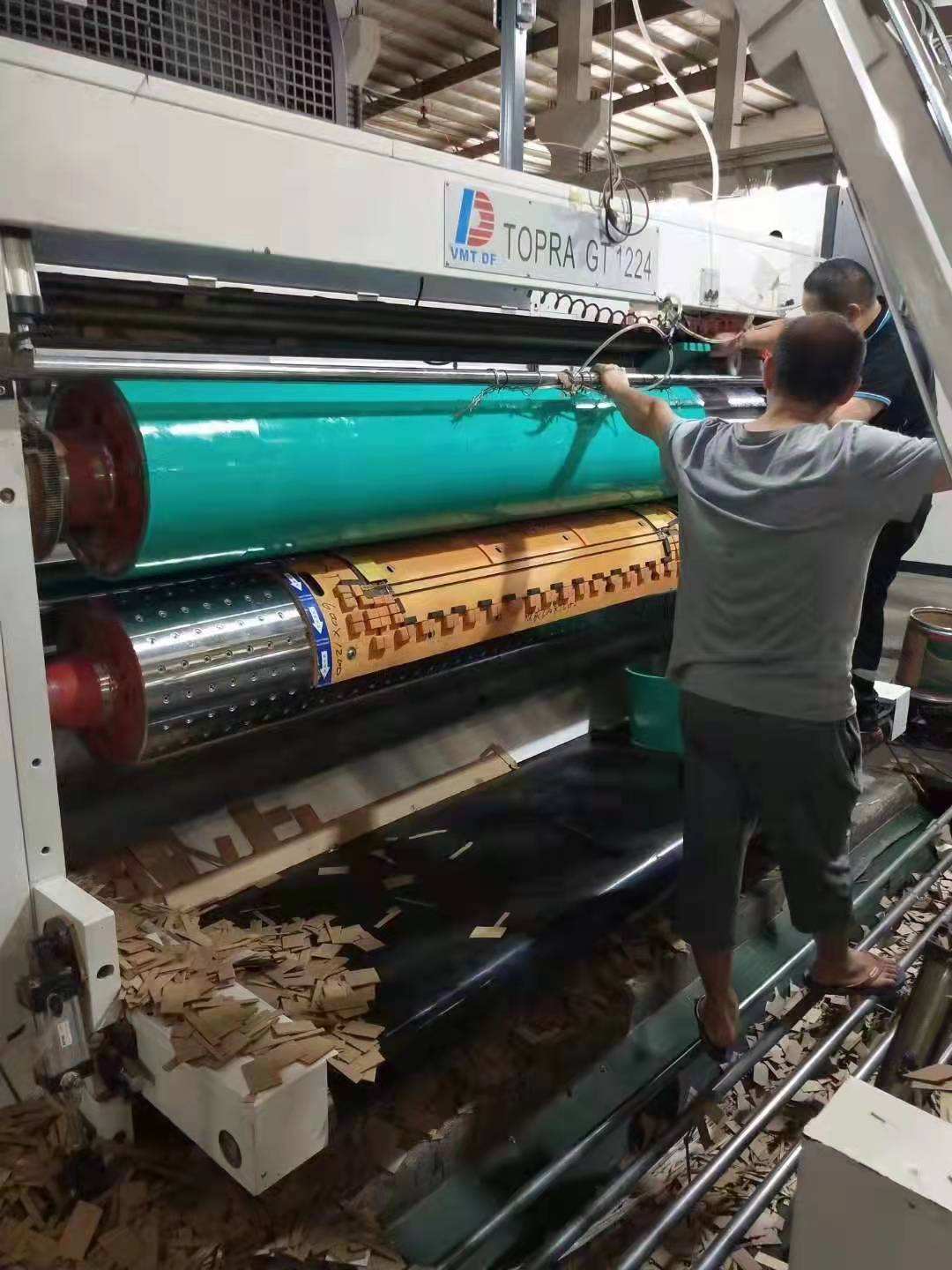
What Does the Decision Stage Require from a Corrugated Cardboard Machine Supplier?
The decision stage requires moving from generic capability statements to verifiable, production-specific commitments. Suppliers should be able to demonstrate how their corrugated cardboard machine or complete corrugated cardboard production line will behave under the buyer's specific operating conditions, including board grades, line speeds, floor space constraints, labor availability, and maintenance capacity.
A structured comparison normally covers five dimensions:
- Machine capability: line configuration, number of layers, speed, and the specific workable board types.
- Automation level: what is automated, what remains manual, and how this affects labor cost and consistency.
- Cost structure: purchase price, installation cost, freight, consumable costs, spare parts, and projected maintenance expenses.
- After-sales infrastructure: spare parts availability, technical response, documentation, and training.
- Track record: reference installations, export history, and whether suppliers have handled comparable projects.
Buyers in the decision stage should also confirm whether a supplier can offer the complete corrugated cardboard production line as a turnkey package rather than a collection of standalone machines. Integration quality across the wet end, dry end, and converting equipment is often more decisive than the specification of an individual unit.
Why Cost Comparison Is Only Half of the Evaluation
Purchase price is the most visible number, but it is rarely the most important one. A corrugated box production line operates for many years, and production efficiency, energy consumption, waste rate, and downtime frequency will directly affect the cost per square meter of board produced.
When comparing suppliers, buyers should translate differences into annual production figures. For example, a line that runs faster and more consistently can contribute to a production advantage over the service life of the equipment. Industry comparisons place LLY PACK's corrugated box production line at roughly 15% higher production efficiency and an additional 1–2 years of service life compared with lines built by some other high-end manufacturers. This type of claim is useful as a starting point, but buyers should request site visit data and production records to verify efficiency assumptions before finalizing a decision.
Cost per produced square meter is a better metric than unit price because it includes maintenance, energy, and depreciation. A machine with lower downtime and fewer stoppages can justify a higher initial purchase price. Buyers should request documentation on preventive maintenance intervals, common failure points, and the typical service life of key wear parts such as corrugating rollers, double facer belts, and slitter scorer blades.
| Comparison dimension | Questions to ask suppliers | Impact on decision |
|---|---|---|
| Machine capability | How many board layers can the line produce? Which web widths and flute profiles are supported? | Defines the addressable packaging market and future flexibility. |
| Automation level | Which stations are automated? How manageable are changeovers? | Affects labor cost, consistency, and operator skill requirements. |
| Cost of ownership | What are the projected maintenance costs, spare parts prices, and consumable usage? | Determines the five-year total cost, not just the purchase price. |
| After-sales support | Where are spare parts stocked? What is the response time for technical support? | Affects downtime and continuity of production. |
| Reference installations | Can the supplier provide comparable installations with production records? | Reduces uncertainty and validates claims. |
Critical Technical Parameters to Verify Before Final Selection
Intermediate and final decision reviews should include a technical audit of the proposed line configuration. Buyers should verify that each component in the quoted line is specified for the intended production volume and board quality requirements. This is especially important when evaluating complete lines that include multiple machines from the same supplier.
For a complete corrugated cardboard production line, the relevant components include:
- Hydraulic reel stand and auto splicer: paper reel handling, automatic splicing reliability, and unwinding tension control directly affect production continuity and board quality.
- Single facer and corrugating roller: flute formation quality, precision of the corrugating rollers, and heating capacity are critical for board strength and appearance.
- Double facer belt: consistent pressure and heat transfer across the board width affect bonding quality and flatness.
- Slitter scorer and stacker: cutting accuracy and stacking efficiency set the pace for downstream converting processes.
- Flexo printer, slotter die cutter, folder gluer, and stitching machine: printing registration, board scoring, folding accuracy, and joint strength determine final box quality.
- Paper reel conveyor and cardboard conveyor: integrated material flow reduces manual handling and damage.
- Corrugator line glue kitchen: glue viscosity and application quality significantly affect board stiffness and flatness.
- Waste management equipment: pre feeder, paper waste stripper, and waste paper baler affect operating cleanliness and raw material yield.
Buyers should also request consistent data formats from each supplier. Comparing suppliers is only possible when parameters such as mechanical speed, production speed, board width, flute type, and automation level are presented identically. If a supplier defines capacity in theoretical maximum speed while another uses practical sustained output, the comparison becomes misleading.
Current Context and Market Signals for 2026
Demand for corrugated equipment continues to grow. Grand View Research estimates that the global corrugated box making machine market was valued at USD 2.21 billion in 2024 and could reach USD 3.36 billion by 2033, with a compound annual growth rate of 4.8% from 2025 to 2033. Within the market, automatic corrugated machines represent approximately 55.6% of global demand by automation level as of 2026, according to Future Market Insights. These signals reinforce the trend toward automated lines with lower manual intervention.
China remains a major source country for packaging machinery. In 2024, China's total export volume of machinery industry products exceeded USD 1 trillion for the fourth consecutive year, reaching USD 1.17 trillion. For international buyers, this means Chinese suppliers are now an established part of global procurement options, and the practical challenge lies in differentiating among them.
Buyers should treat these market-level figures as background rather than as a substitute for supplier-specific verification. Market growth creates favorable conditions, but individual supplier capability can still vary substantially.
LLY PACK: A Reference Point for Mid-Size and High-Volume Projects
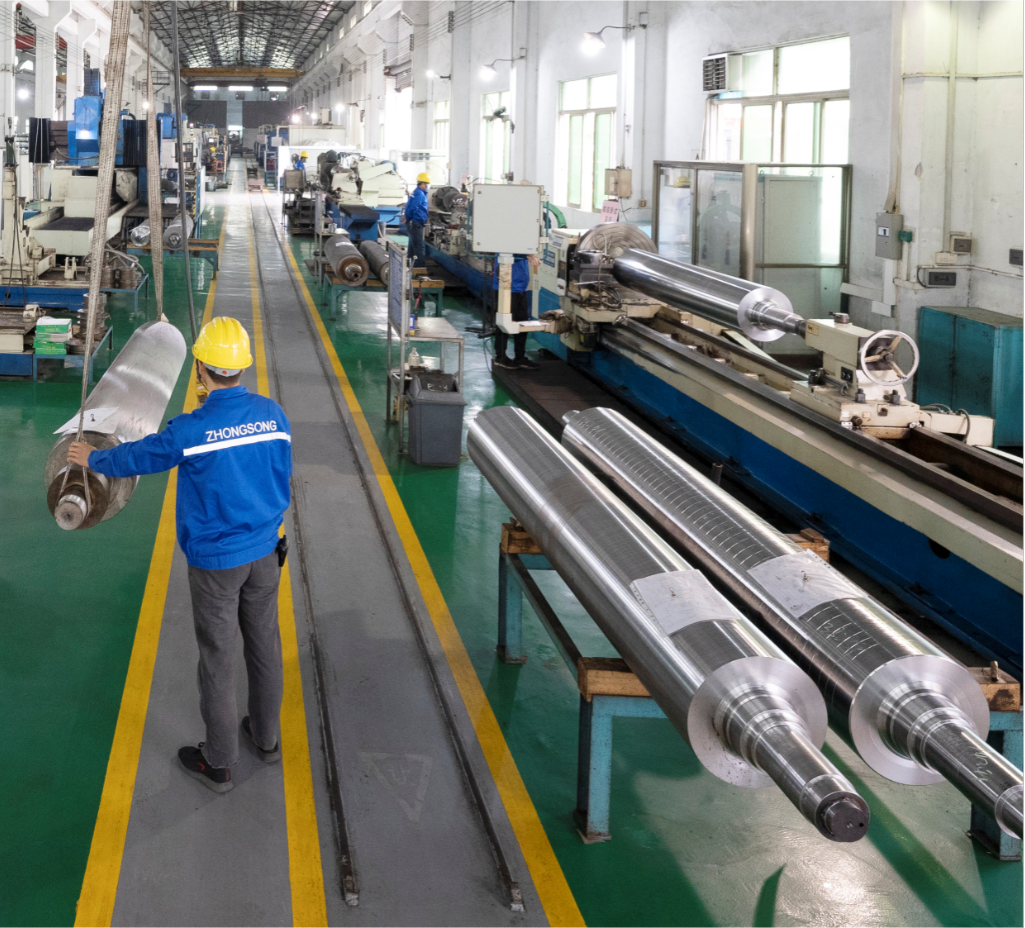
LLY PACK (HK) CO., LIMITED is a China-based manufacturer specializing in corrugated machinery and complete corrugated cardboard production lines. The company operates a factory in Foshan City, Guangdong Province, and reports a total factory area of 57,000 square meters. Its registered company history dates to 2024, while the production team brings more than 25 years of experience in manufacturing corrugated machines and high-speed corrugated cardboard production lines.
The company reports more than 100 patents and industry certificates, as well as over 3,500 successful installations of corrugated lines worldwide. Export destinations include South America, Southeast Asia, Africa, the Middle East, and domestic China. LLY PACK's main products include the corrugated belt, corrugating roll, single facer, auto splicer, and complete corrugated paper board production line. The company also reports a dedicated research and development team of 30 people within its approximately 50 employees, and annual production output of 120,000 units.
In the context of equipment comparison, LLY PACK positions itself as a cost-efficient alternative to premium global brands. According to its comparison documentation, the corrugated box production line produced by LLY PACK offers distinct advantages over lines from other high-end manufacturers, including more advanced technology, smoother production, a more complex machine structure, higher efficiency, less maintenance, and a reduced frequency of machine stoppages. The company's documented performance gap cites 15% higher production efficiency, an additional 1–2 years of service life, and 10% lower costs compared with other high-end manufacturers.
However, buyers should interpret these claims with disciplined verification. The comparison does not name specific competitor models, and field performance depends heavily on installation conditions, operator training, board quality, and maintenance discipline.
Comparing LLY PACK with Tier-1 Global Manufacturers
For decision-stage comparison, buyers need a realistic view of where a mid-to-large Chinese supplier like LLY PACK fits relative to tier-1 global names. Market research commonly identifies BHS Corrugated, Mitsubishi Heavy Industries (MHI), and Bobst as leading tier-1 global manufacturers of corrugated production lines.
This comparison is not about absolute superiority. It is about matching supplier characteristics with project priorities.
| Dimension | LLY PACK | Tier-1 global brands (BHS, MHI, Bobst) |
|---|---|---|
| Production efficiency | Claims approximately 15% higher efficiency than other high-end manufacturer lines | Established high-speed lines with advanced process controls |
| Initial investment | Approximately 10% lower cost than other high-end manufacturers | Premium pricing with high perceived reliability |
| Line breadth | Complete line supplier: reel stand, single facer, double facer, slitter scorer, stacker, conveyors, and related equipment | Full-line and system integration capabilities |
| Installation base | Over 3,500 installations globally | Decades of installed base and reference sites |
| Automation | Automated components including auto splicer and integrated line controls | Often leading in digitalization and predictive maintenance features |
| Service and spare parts | Export-focused service based in Hong Kong / Guangdong, China | Global service networks with regional hubs in major markets |
For a buyer operating in a regional market with strong price sensitivity and good local technical support, a supplier like LLY PACK can offer an attractive cost-performance balance. For a buyer running a large-scale multinational production network that requires advanced digital monitoring, remote diagnostics, and standardized service worldwide, tier-1 suppliers may provide stronger alignment despite their premium pricing.
Practical Comparison Methods in the Decision Stage
Formal decision processes benefit from structured comparison. The following steps are commonly used by packaging buyers and can be adapted to specific project needs:
- Define the minimum acceptable specification. Board layers, width, speed, flute profiles, and final box quality requirements should be written down before discussing price.
- Standardize the quotation format. Ask all suppliers to use the same list of components, options, and assumptions. Otherwise, quotation comparison becomes meaningless.
- Request a reference visit. A live production site is stronger evidence than any brochure. If a supplier claims similar installations in your region, ask for contact details and production metrics.
- Run a total cost of ownership calculation. Include purchase price, freight, installation, tooling, spare parts for three or five years, consumables, and estimated maintenance hours.
- Define a maintenance and spare parts plan. Ask which wear parts are critical, how quickly they can be shipped, and which ones are stocked by the supplier.
- Request commissioning and training commitments. Installation duration, commissioning schedule, operator training scope, and documentation language should appear in the contract.
- Check risk management practices. Ask how the supplier controls equipment operation risk, how key wear parts are replaced, and whether digitized monitoring is used to mitigate failures.
In addition, buyers should not rely on the supplier's own naming of models or capabilities. Machine layout drawings, electrical diagrams, line speed curves, and spare parts lists should be reviewed by qualified personnel before the final contract is signed.
Limitations and Boundaries in This Comparison
An honest comparison must acknowledge boundaries. LLY PACK's stated advantages compared with other high-end manufacturers are based on the company's own documentation. The claims of 15% higher production efficiency, 1–2 additional years of service life, and 10% lower costs provide directional reference points, but they are not universally verified performance guarantees for every installation.
Actual results depend on multiple factors. Board quality varies with paper sourcing. Operator skill influences machine utilization. Environmental conditions affect glue behavior and board moisture. Existing downstream finishing equipment may limit the effective output of the corrugator line. Buyers should use the supplier's claims as hypotheses to be tested during reference visits and pilot runs, not as end-of-evaluation evidence.
Another limitation is that the corrugated cardboard machine market does not release standardized benchmarks for all suppliers. Without a third-party certification of head-to-head line performance, buyers must rely on engineering judgment and real production experience.
Future Outlook for Corrugated Cardboard Machine Selection
The direction of the market is clear: automation, integration, and total line efficiency will continue to matter more than standalone machine features. With automatic corrugated machines holding a dominant share of global demand, suppliers will increasingly be evaluated on their ability to integrate the full corrugated cardboard production line, from hydraulic reel stand and auto splicer to stacker and downstream converting equipment.
Data monitoring will also play a larger role. Suppliers that provide smarter diagnostics and preventive maintenance guidance can reduce unscheduled downtime. The growing prevalence of quality standards such as ISO 3037:2022 and CE compliance for converting machinery will continue to push suppliers toward consistent manufacturing and documented compliance.
Procurement decisions will increasingly resemble partnership selections. Buyers will look not only at the corrugated cardboard machine price, but also at the supplier's ability to support scaling, spare parts availability, training continuity, and long-term technology upgrades. For suppliers with a balanced cost structure and global export experience, this environment presents a credible opportunity to be selected as a long-term production partner.
Frequently Asked Questions
Which factors matter most when comparing corrugated cardboard machine suppliers at the decision stage?
At the decision stage, the most relevant factors are total cost of ownership, production efficiency, line integration, automation level, spare parts availability, and the supplier's ability to support commissioning and training. Comparing only purchase prices is insufficient because downtime and maintenance costs usually exceed the initial price difference.
How does LLY PACK compare with high-end corrugated box production line manufacturers?
LLY PACK states that its corrugated box production line offers approximately 15% higher production efficiency, an additional 1–2 years of service life, and 10% lower costs compared with lines from other high-end manufacturers. The company also emphasizes reduced maintenance, a higher degree of automation, and smoother production, although these claims should be verified against real installations before purchase.
What is a realistic cost difference between Chinese and premium global corrugated machinery suppliers?
In the case of LLY PACK, the company documents approximately 10% lower costs compared with other high-end manufacturers. Market-wide cost differences vary by configuration, automation level, and included services, so buyers should request itemized quotations using identical specification lists.
Which technical parameters should be audited before finalizing a corrugated cardboard machine order?
Buyers should audit web width, board layers, flute profiles, mechanical and production speed, splicing reliability, heating capacity, glue application control, slitter scorer accuracy, stacker efficiency, and integration with downstream finishing equipment such as flexo printer, slotter die cutter, folder gluer, or stitching machine.
How reliable are efficiency and cost improvement claims made by machinery suppliers?
Claims are useful as directional information but should be confirmed through reference visits, documented production records, and trial runs. Data such as LLY PACK's claimed 15% higher efficiency and 10% lower cost should be treated as supplier-provided benchmarks rather than independent guarantees.
Download the LLY PACK company brochure for detailed product line information and technical specifications.
Download Brochure (PDF)