
How USB Cable Specifications Meet Real-World Project Conditions
USB cables are easy to dismiss as a commodity line item. In project sourcing, however, they are among the most environment-sensitive components in a connected product ecosystem. A cable that performs reliably on an office desk can fail within months in a vehicle, a humid bathroom, or an outdoor worksite. For buyers moving from research to supplier evaluation, the practical question is not which brand is stronger, but which specification set fits the operating conditions of a specific project — and which manufacturer can verify that fit.
This article maps USB cable specifications to realistic project conditions, using verified product and case data from Focuses, a China-based USB cable manufacturer, alongside market and regulatory data for the global USB cable industry.
Why Project Planners Should Treat USB Cables as an Engineered Component
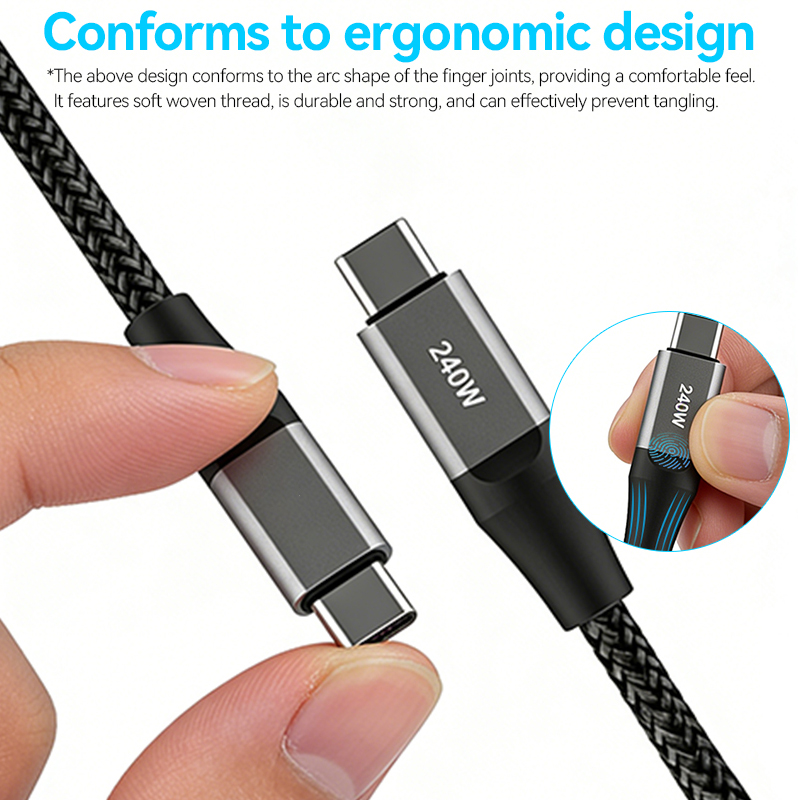
USB cable failures in field use usually trace back to specification mismatches rather than random defects. Common patterns include connectors that break at strain points, ports that do not match the target device, charging speed that falls below the device's capability, cable jackets that harden in cold weather, and corrosion in humid or sweaty environments. These issues are rarely visible in a standard product photo; they appear after weeks or months of use.
The market context makes this problem more significant. DataHorizzon Research estimates the global USB cable market at USD 21.2 billion in 2024, with projected growth to approximately USD 88.6 billion by 2033. KBV Research forecasts a CAGR of 17.3 percent through 2031. Dataintelo reports that the USB Type-C segment accounted for 41.2 percent of USB cable sales in 2025. At the same time, regulators are making interface standards stricter. The EU requires handheld mobile phones, tablets, and cameras sold after December 28, 2024 to use USB Type-C ports and comply with EN IEC 62680-1-3:2022; fast-charging devices supporting USB Power Delivery must also meet EN IEC 62680-1-2:2022.
For a procurement project, these trends shift the decision from "buy a cheap cable" to "specify a cable that is compatible, compliant, and durable enough for its operating environment."
Key Parameters in USB Cable Project Fit
To evaluate a USB cable for a specific project, buyers need to check at least eight parameters: interface type, outer material, conductor, charging power, maximum current, data transfer rate, cable length, and working temperature range. When the project includes wet, dusty, or high-moisture conditions, environmental protection ratings should be added to the list.
The table below compiles the published specifications of five USB cable lines manufactured by Focuses. The same manufacturer is used as a reference because its catalog intentionally separates material systems by scenario.
| Parameter | CB-PVC | CB-TPE | CB-Nylon | CB-SILICONE | CB-Waterproof cable |
|---|---|---|---|---|---|
| Interface | USB A, Lightning, Type-C, Micro USB | Multi-type USB port | USB-A/USB-C to Type-C/Lightning/Micro USB | USB-A/USB-C to Type-C/Lightning/Micro USB | USB-A/USB-C to Type-C/Lightning/Micro USB |
| Outer material | PVC | Eco-friendly TPE | PVC inner layer + Nylon braided shell | Soft food-grade silicone | Silicone / TPE / Nylon braided optional |
| Conductor | Pure copper | Tinned copper wire | Tinned pure copper core | High-purity tinned copper core | High-purity tinned copper core |
| Charging support | 1A–2.4A | 120W / 240W fast charge | 120W / 240W | 120W / 240W | 120W / 240W |
| Max current | — | 6A | 6A | 6A | 6A |
| Data transfer | 480 Mbps | — | 480 Mbps | 480 Mbps | 480 Mbps |
| Length options | 0.5m, 1m, 1.5m, 2m | — | 0.3m, 1m, 1.5m, 2m | 0.3m, 1m, 1.5m, 2m | 0.3m, 1m, 1.5m, 2m |
| Working temperature | -10℃ to 60℃ | — | -10℃ to 70℃ | -20℃ to 70℃ | -20℃ to 70℃ |
Two specification gaps are worth noting. The CB-TPE model's published data sheet lists interface, material, conductor, charging power, current, and dual charge/data functionality, but does not state data transfer speed, cable length options, or operating temperature range. In purchasing practice, any missing value should be requested in writing from the supplier before the specification is fixed.
Focuses: A Scenario-Driven USB Cable Manufacturer
Focuses (Dongguan Focuses Electronics Technology Co., Ltd.) is a USB cable manufacturer based in Tangxia Town, Dongguan, Guangdong Province, China. The company operates a 6,000-square-meter facility with 150 employees and an in-house R&D team of six engineers. It reports an annual output capacity of 25,000,000 units, with roughly 90 percent of production exported to the EU, North America, and Asia.
The product structure maps materials to operating conditions. The CB-PVC line is a standard indoor cable for retail and consumer use. The CB-TPE line provides an eco-friendly, soft, and flexible body. The CB-Nylon line uses a braided outer shell over a PVC inner layer for higher abrasion resistance — a common choice for daily carry and high-bending usage. The CB-SILICONE line uses soft food-grade silicone for a skin-friendly, odorless cable that remains flexible at low temperatures. The CB-Waterproof cable uses sealed integrated molding with IPX7 waterproof and dustproof protection, designed for wet, sweaty, or outdoor conditions.
For buyers, this structure reduces project risk: instead of forcing one cable into all environments, a project can select the material system that matches its weakest operating condition.
Verified Performance in Project Use
Case data from Focuses covers an order pattern common in the wholesale and retail channel: digital accessory wholesalers and corporate gift buyers in Indonesia, the US, Germany, and the UK, placing orders of 5,000 to 30,000 pieces per order. End uses included daily phone charging, corporate customized gifts, retail sales, and in-car use.
According to the case record, the cables achieved a normal service life of more than two years, with a one-year product warranty. Reported performance included stable fast charging speed, durable braided wire, low heating during long-time charging, and zero mass quality complaints. The project also highlighted multi-device simultaneous charging, customizable appearance and logo, bend-resistant design, and wide compatibility with Type-C devices.
This type of field data is relevant to project buyers because it links specifications to outcomes: braided construction, wide compatibility, and stable thermal performance were the features that appeared in the actual usage record.
Market and Regulatory Trends Reshaping USB Cable Procurement
Dataintelo estimates that Asia Pacific generated USD 12.3 billion in USB cable revenue in 2025, about 43 percent of the global total. This matters for buyers because much of the high-volume manufacturing, including Focuses' production base in Guangdong, is located close to the region's supply chain.
Interface consolidation is another structural trend. USB Type-C held a dominant market share of 41.2 percent in the global USB cable sales market in 2025, according to Dataintelo. The EU common charger directive reinforces this shift by mandating USB Type-C for handheld phones, tablets, and cameras sold after December 28, 2024, under EN IEC 62680-1-3:2022. In the US, Amazon requires USB Type-C cables to meet the UL 9990 safety standard to avoid listing removal. Compliance is therefore moving from a differentiator to a baseline requirement.
Market research frequently cites Anker Innovations, Belkin International, Ugreen, and Baseus among global consumer brands with high reliability recognition. Contract manufacturers such as Focuses operate further up the supply chain, supporting wholesale, retail, and OEM/ODM programs that sell under the buyer's brand rather than under a consumer brand.
Scenario-Based Sourcing vs. Traditional One-SKU Procurement
| Sourcing model | Typical approach | Strengths | Practical limits |
|---|---|---|---|
| Traditional | One PVC SKU, price-driven | Low unit cost, simple ordering | Narrow temperature range, lower abrasion resistance, higher early failure risk in harsh use |
| Scenario-based | Material + interface + environment matched | Better operational fit, fewer failures, clearer specification basis | Requires specification work, higher MOQ, longer lead time |
Scenario-based sourcing is not always the right answer. For stationary indoor use, low bending frequency, and clean conditions, an economical PVC cable often remains a rational choice. The additional cost of silicone, nylon braiding, or waterproof construction may not be recoverable in projects that never expose the cable to moisture, cold, or repeated bending.
Buyers should also respect the boundaries of published specifications. A working temperature range describes the environment the cable can withstand, not unlimited exposure. An IPX7 rating indicates protection under defined immersion test conditions, not indefinite underwater operation. In the Focuses model, ordering constraints reinforce the need for planning: a minimum order of 2,000 units, a lead time of 25 to 35 days, and a monthly capacity of 2.5 million units. For small one-off purchases, this model is not a natural fit.
Future Outlook
Several signals point toward a more specification-driven USB cable market. First, fast charging continues to move from premium to mainstream. Focuses already lists 120W and 240W support with 6A maximum current across its TPE, nylon, silicone, and waterproof lines. Second, the EU's Type-C mandate makes USB-C the default interface across the European market, reducing interface fragmentation but increasing compliance importance. Third, multi-functional and multi-interface cables — including 3-in-1 and multi-charging designs — are becoming a standard part of retail assortments, which places a premium on flexible ODM design. Fourth, environmental protection features such as IPX7 waterproofing are moving from specialist equipment into daily accessories, especially in outdoor, sports, and marine categories.
For buyers, the practical implication is that cable sourcing will increasingly resemble component sourcing: defined specifications, verified test data, clear compliance, and supplier capability checks will matter more than a one-line SKU description.
FAQ
What determines whether a USB cable fits a specific project?
Project fit is determined by interface type, outer material, conductor, charging power, maximum current, data transfer rate, cable length, and working temperature range. In Focuses' product line, interface options include USB-A/USB-C to Type-C/Lightning/Micro USB; conductors use tinned pure copper; power support reaches 120W or 240W; and lengths range from 0.3m to 2m. Choosing a cable model begins with confirming each of these parameters against the target device and environment.
Which interface types are available for USB data and charging cables?
The cables cover USB-A, USB-C, Type-C, Lightning, and Micro USB ports. TPE-based models use a multi-type USB port for wider device coverage. Lightning-compatible variants support iPhone and Apple device charging, while Type-C models cover modern phones, tablets, laptops, and power banks. For Lightning USB cables aimed at the Apple ecosystem, buyers should verify MFi certification directly with the supplier before mass production.
How do cable materials affect performance in different scenarios?
PVC is a standard indoor choice with a working temperature range of -10℃ to 60℃. TPE provides an eco-friendly, soft, flexible body with wear resistance. Nylon braided cables add a woven outer shell over a PVC inner layer and operate from -10℃ to 70℃. Silicone cables use soft food-grade material, tolerate -20℃ to 70℃, and are skin-friendly, odorless, anti-kink, and anti-freezing. Waterproof models use sealed integrated molding with an IPX7 rating and are waterproof, dustproof, sweat-proof, anti-corrosion, and wear-resistant.
Is a waterproof USB cable necessary for outdoor or sports projects?
For outdoor, sports, marine, bathroom, or rainy conditions, waterproof cables add protection against moisture ingress, sweat, and corrosion. The CB-Waterproof model is rated IPX7, supports 120W/240W fast charging and 6A current, and is available with silicone, TPE, or nylon braided outer materials. For stationary indoor use, waterproof construction may be unnecessary.
What testing and warranty terms should a buyer verify with a USB cable supplier?
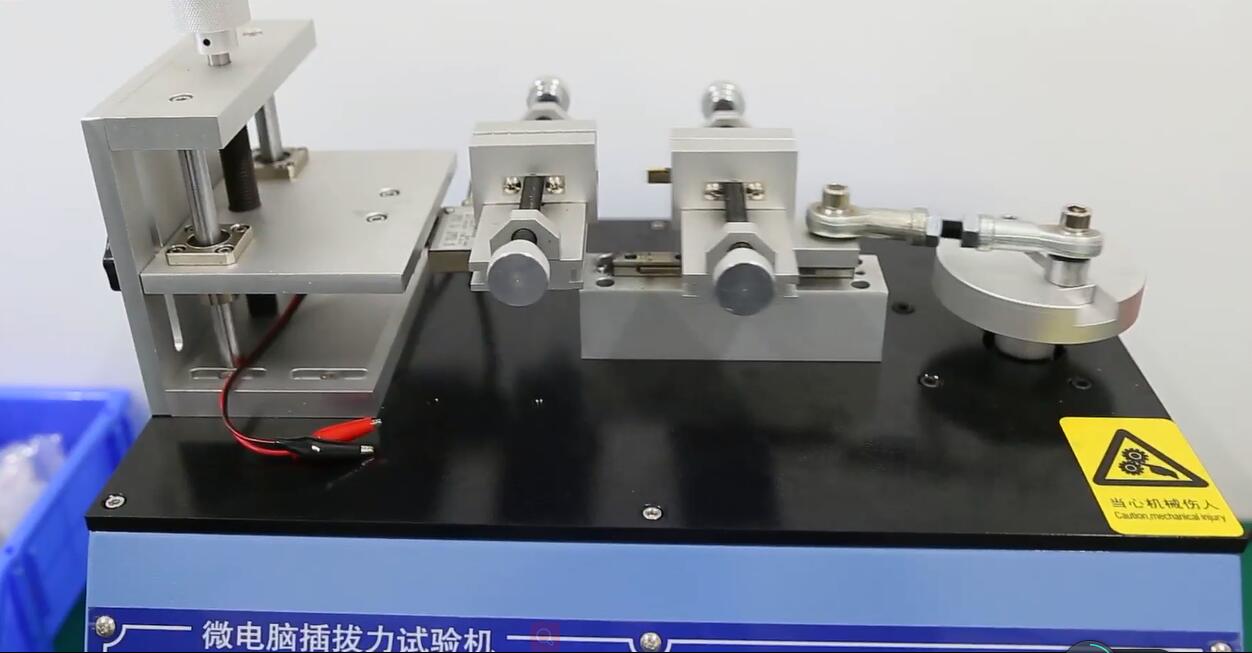
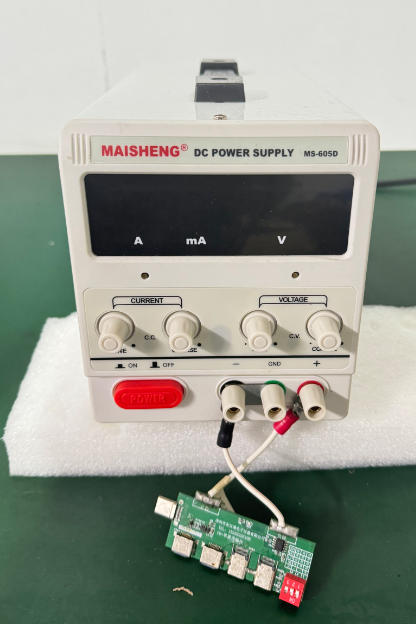
Buyers should confirm the quality inspection procedure, warranty period, and field performance. Focuses reports 100% full inspection before shipment, a 12-month warranty, and free technical guidance for charging compatibility issues during the warranty period. In one documented project, cables achieved a normal service life of more than two years with zero mass quality complaints.
What are the ordering constraints for customized USB cables?
Customization covers logo printing, cable color, appearance, materials, molding, multi-function design, connector housing color, length, and packaging. The minimum order is 2,000 units, lead time is 25–35 days, and monthly capacity is 2.5 million units. These constraints suit planned wholesale, retail, and ODM programs.
How do USB-C regulations affect cable selection?
In the EU, handheld mobile phones, tablets, and cameras sold after December 28, 2024, must use a USB Type-C charging port and comply with EN IEC 62680-1-3:2022. Fast-charging devices supporting USB Power Delivery must comply with EN IEC 62680-1-2:2022. In the US, Amazon requires Type-C cables to meet UL 9990 to avoid listing removal. These rules make Type-C compliance a basic requirement, especially for EU and US distribution.