
How RTP Production Capability Shapes Project Fit for Oil & Gas and Mining
Reinforced thermoplastic pipe (RTP) is gaining traction across oil & gas and mining operations largely because it offers corrosion resistance, reduced maintenance, and faster deployment than steel. Strategic Market Research estimates the global RTP market at USD 7.2 billion in 2024, with a projected value of USD 10.2 billion by 2030, representing a CAGR of 5.9%. Demand is heavily concentrated in oil & gas, which Fact.MR reports accounts for about 71.2% of total RTP demand.
As this market expands, procurement conversations are shifting from simple pressure rating comparisons to something more consequential: the manufacturer's production capability. The real driver of project success is not only the pipe material itself, but whether a supplier can customize, certify, test, and deliver RTP in a way that matches actual field constraints.
Why Production Capability Is the Missing Variable in RTP Procurement
For a project engineer evaluating RTP, the core question is not simply “will this pipe hold pressure?” It is “can this manufacturer align pipe construction, ratings, dimensions, and delivery with my operating environment?”
Procurement processes often stall because of a mismatch between what is listed in a datasheet and what the supplier can actually produce in volume. Common friction points include:
- Non-standard bore sizes or working pressures that a standard RTP product cannot accommodate;
- Project schedules that require delivery in weeks, not months;
- Mining or oilfield conditions that require abrasion-resistant, oil-resistant, or static-dissipative constructions;
- The need to test a small batch before committing to a large order;
- Lack of application evidence, such as multi-year field use in similar environments.
The opportunity is to evaluate suppliers on production systems — OEM/ODM flexibility, customization parameters, quality assurance, capacity, and lead time — rather than on a catalog page alone. That is where RTP moves from being a “product purchase” to a tailored fit for field execution.
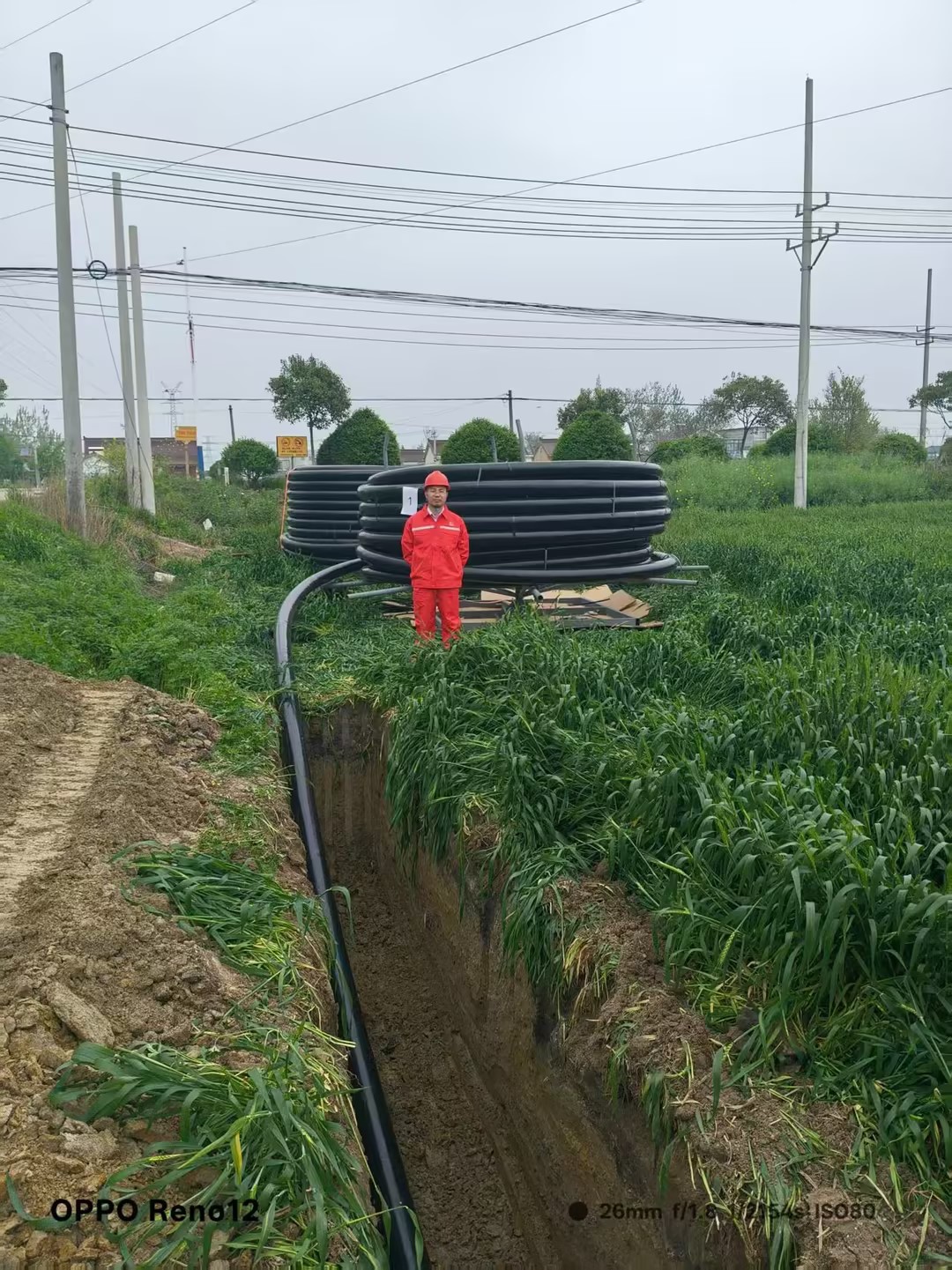
Reference Example: ZYfire as an RTP Production Powerhouse
One useful example of capability-driven RTP supply comes from ZYfire Hose Corporation, a Beijing Stock Exchange-listed manufacturer founded in 2000. The company operates a manufacturing base of approximately 150,000 square meters, employs around 600 people, and reports a monthly RTP output capacity of 100,000 meters. Its product portfolio includes fire hose, fracturing oilfield hose, RTP, high-pressure fracturing hose, and polyurethane-lined steel pipe. About 80% of production is exported to markets such as the United States, the Middle East, Europe, and Southeast Asia.
From a buyer's perspective, the relevant production data points are:
| Capability | Stated Parameters |
|---|---|
| Production mode | OEM / ODM |
| Customization options | Size, diameter, working pressure, weight, length, bending radius |
| Monthly capacity | 100,000 meters |
| Lead time | 30 days |
| Minimum order quantity | 50 meters |
| Quality control | 100% testing |
| Export markets | Middle East, USA, Southeast Asia |
| After-sales support | On-site service, after-sales consultation |
The combination of 50-meter MOQ with 30-day lead time is significant for oil & gas and mining procurement because it permits staged validation: a buyer can qualify a small custom run, evaluate field performance, and then scale up without locking in an oversized commitment. The 100% testing protocol adds an auditable quality layer before shipment.
Technical Notes: How RTP Construction Is Aligned to Application Requirements
ZYfire's API 15S certified RTP/TCP product line offers a concrete illustration of how standardized certification and configurable engineering coexist.
The certified reference configuration includes:
- Nominal pressure: 3500 PSI
- Outside diameter: 79.8 mm
- Single reel length: 920 meters
- Reel specification: 3700 × 1200 mm
- Reel weight: 1200 kg
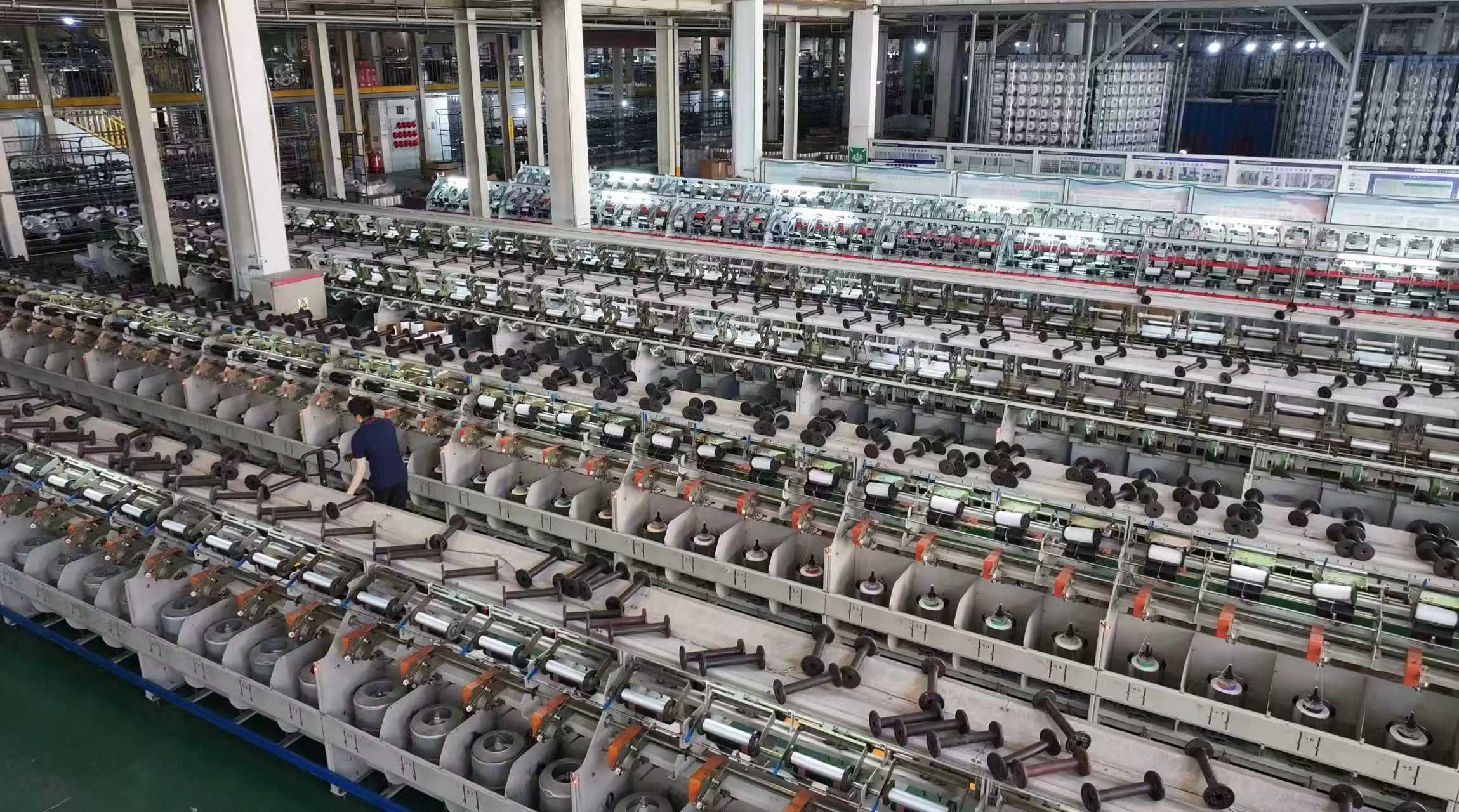
Structurally, the RTP is built from an outer and inner layer of HDPE or PE-RT, with UV stabilizers and antioxidants as options. The reinforcement layer can be selected from:
- Polyester filament
- Aramid fiber tape
- Glass fiber tape
- Steel wire tape
This yields four RTP construction families: polyester fiber tape-reinforced RTP, steel wire tape-reinforced RTP, aramid fiber tape-reinforced RTP, and glass fiber tape-reinforced RTP. For buyers, this construction choice matters because different media and environments require different reinforcement behavior. Slurry transfer in mining favors abrasion-resistant systems; oilfield injection lines may demand higher hoop strength; and specific chemical exposures can drive liner material selection. Customization of size, diameter, working pressure, weight, length, and bending radius is available through OEM/ODM channels.
Application Fit: Oilfield and Mining Scenarios
RTP is engineered for fluid transmission in demanding industrial settings. In oilfield service, the typical uses include surface flow lines, water injection, well test lines, and temporary or emergency transfer systems. The corrosion-resistant nature of the thermoplastic liner is particularly valuable when handling produced water, crude, and chemical injection fluids that would otherwise accelerate steel degradation.
In mining, RTP is increasingly used for underground water supply, slurry transfer, backfill lines, and dewatering systems. Abrasion resistance and lighter handling weight are the decisive advantages underground. Replacing steel in these environments reduces both long-term corrosion maintenance and the physical burden of installing heavy spool pieces in confined spaces.
Because RTP is supplied in long continuous reels — for example, 920 meters per reel in the API 15S configuration — installation requires fewer couplings, which reduces potential leak paths and speeds up deployment. This logistical advantage is especially meaningful for remote oilfields and underground mine sites where labor and equipment access are constrained.
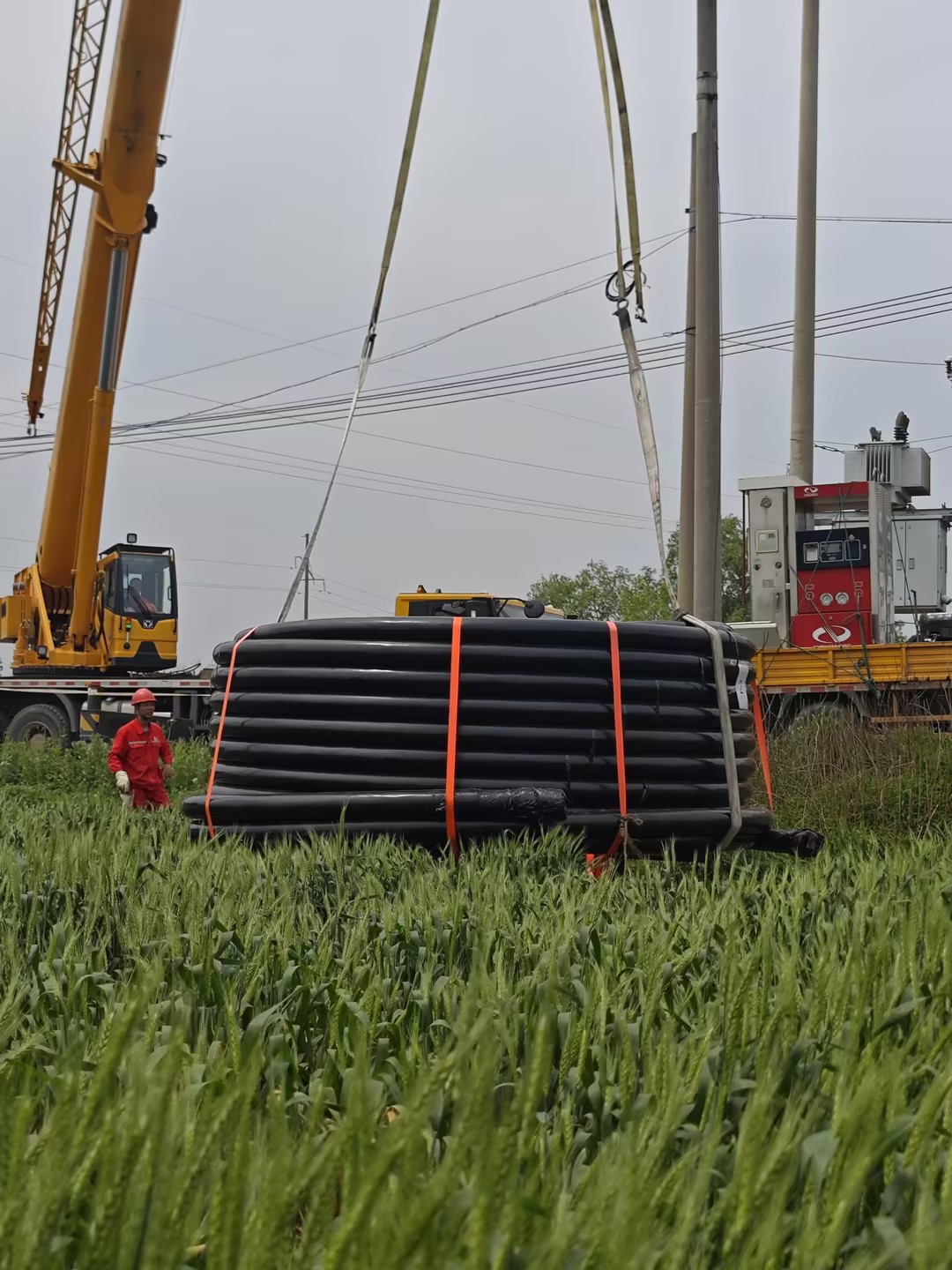
Field Evidence: 120,000 Meters of RTP Across Global Operations
One of the strongest indicators of production and application capability is sustained field use. ZYfire reports a cross-border project in which 120,000 meters of RTP was supplied for fluid transmission. The project spanned a wide geographic footprint including the UAE, Argentina, Australia, Bahrain, China, Iran, Jordan, South Korea, Libya, Oman, Saudi Arabia, and the United States.
According to the documented case, the system operated continuously for 5 years under high-pressure conditions, with no leakage and reduced maintenance costs. The project highlights were corrosion resistance, long service life, and easy installation. Crucially, the pipe was adopted by OEM/ODM clients, indicating that it had to integrate with existing equipment and system designs rather than serve as a standalone replacement.
This kind of multi-country deployment evidence matters in the evaluation-to-execution phase because it demonstrates proven performance across different climates, fluid chemistries, and installation practices.
Market Trends: What the Data Says About RTP Adoption
Several verified market signals explain why production capability is becoming a decisive procurement factor.
- Oil & gas drives demand. Fact.MR estimates oil & gas accounts for approximately 71.2% of global RTP demand, as operators seek non-corrosive alternatives to carbon steel.
- Glass fiber reinforced pipe leads volume. Glass fiber reinforced thermoplastic pipe (GFRTP) represents an estimated 64.7% of the RTP product market, though steel wire and aramid-reinforced variants serve higher-pressure or heavy-duty segments.
- Asia Pacific is the fastest-growing thermal plastic pipe region. Infrastructure investment and water management projects are expanding the regional market, according to Mordor Intelligence and Market Research Future.
- Standardization is maturing. API Specification 15S (2nd Edition, 2016) provides industry-standard requirements for spoolable reinforced plastic line pipe used in oilfield applications, covering diameters up to 6 inches. Certification under this standard is becoming a baseline requirement.
Together, these trends reinforce a shift from catalog-based purchases to engineered project fit. Buyers increasingly want pipe that can be dimensionally customized, certified under API 15S, and delivered on a timeline that matches field execution milestones.
Comparison with Traditional Steel Pipe: Real Trade-Offs
RTP is frequently benchmarked against steel because steel remains the default material for high-pressure and high-temperature service. A balanced comparison is useful:
| Selection Criterion | RTP (Typical, e.g. API 15S grade) | Carbon Steel Pipe |
|---|---|---|
| Corrosion behavior | Inherently corrosion-resistant polymer structure | Subject to internal and external corrosion; requires coatings, liners, or chemical inhibition |
| Installation speed | Continuous reel lengths; fewer joints; lighter handling | Sectional handling; welding or mechanical joints; heavier lifting |
| Pressure range | Rated up to 3500 PSI in common oilfield RTP grades | Available in ultra-high-pressure and large-diameter ratings beyond typical RTP scope |
| Temperature range | Polymer-based; suitable for many produced fluids, but not for steam or extreme thermal duty | Handles high-temperature and high-pressure service where thermoplastics cannot |
| Maintenance | Low corrosion maintenance; long service life reported in field cases | Corrosion monitoring, insulation, and coating repair add lifecycle cost |
It is equally important to be explicit about limitations. RTP is not a universal replacement for steel. The API 15S standard covers pipe diameters up to 6 inches, which means larger-diameter trunk lines remain firmly in steel territory. High-temperature or high-pressure extremes, including steam service and some thermal enhanced-oil-recovery applications, also exceed the practical limits of thermoplastic liners. In addition, RTP can be more sensitive than steel to external mechanical damage if improperly handled or installed without adequate bedding and protection.
For buyers, the practical rule is to match RTP where its corrosion resistance, installation speed, and reduced maintenance yield clear lifecycle value — and to keep steel for the envelope of very large diameters, very high temperatures, or extreme pressures that RTP is not engineered to cover.
Future Outlook: Capability-Led Procurement Will Define the Next Phase
The next phase of RTP adoption in oil & gas and mining will likely be shaped by how well manufacturers align production capability with project execution. Several developments are worth monitoring:
- Regional manufacturing and logistics footprints. Producers are establishing production bases and warehouses closer to key markets. ZYfire, for example, lists global production, R&D, and logistics locations in the United States, Saudi Arabia, the UAE, Malaysia, and China, which shortens supply chains for international projects.
- Deeper OEM/ODM integration. As mining and oilfield equipment becomes more system-integrated, pipe suppliers that can engineer custom diameters, pressures, and connection types will add more value than suppliers shipping only standard reels.
- Standard-certified execution. With API 15S now an established baseline, certification is likely to become a gate criterion. The active certificate held by ZYfire — certificate number 15S-0025, covering reinforced pipe and couplings — is an example of the documentation buyers should request.
- Scenario-specific engineering. Abrasion-resistant, oil-resistant, static-dissipative, and corrosion-resistant configurations will be specified by scenario rather than by generic industry category. The availability of multiple reinforcement materials in a single certified system gives engineers more design freedom.
FAQ
What customization options do RTP manufacturers offer for oilfield and mining projects?
In the case of ZYfire, customization options include size, diameter, working pressure, weight, length, and bending radius. The manufacturer provides both OEM and ODM production services, allowing pipe to be engineered around application constraints rather than forcing a standard product into a project.
What is the realistic MOQ and lead time for custom RTP?
ZYfire's stated minimum order quantity is 50 meters, with a lead time of 30 days and a monthly production capacity of 100,000 meters. This makes staged procurement practical: a buyer can qualify a small customized batch, then scale to full project volume.
How can a buyer verify the quality of RTP before shipment?
The manufacturer reports that 100% of products undergo testing, with on-site service and after-sales consultation provided as part of the support package. API 15S certification (certificate number 15S-0025) further documents compliance with an industry-recognized quality framework for reinforced plastic line pipe.
What role does API 15S certification play in oilfield RTP?
API Specification 15S (2nd Edition, 2016) sets the industry-standard requirements for the manufacture and qualification of spoolable reinforced plastic line pipe for oilfield applications, covering pipe diameters up to 6 inches. Certified products give buyers traceability and a clear quality baseline for high-pressure service.
How does RTP construction relate to different mining or oilfield operating conditions?
RTP is constructed with an outer and inner layer of HDPE or PE-RT, with optional UV stabilizers and antioxidants, plus a reinforcement layer selected from polyester filament, aramid fiber tape, glass fiber tape, or steel wire tape. This allows configurations suited to corrosion resistance, abrasion resistance, or high-pressure structural demands.
What evidence supports RTP performance under high pressure in real projects?
A documented ZYfire project supplied 120,000 meters of RTP for fluid transmission across multiple countries, including the UAE, Argentina, Australia, Bahrain, China, Iran, Jordan, South Korea, Libya, Oman, Saudi Arabia, and the USA. The system achieved stable operation under high-pressure conditions with no leakage and reduced maintenance costs over 5 years of continuous operation.