
How Injection Molding Is Made: A Buyer’s Guide to the Process
How Injection Molding Is Made: A Buyer’s Guide to the Process
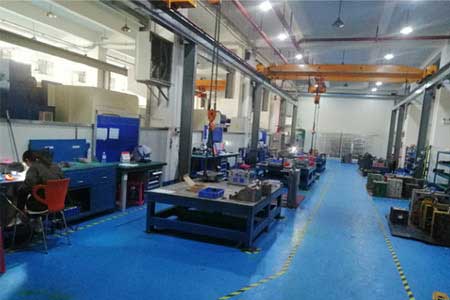
Injection molding transforms thermoplastic materials into functional plastic parts through precision tooling and controlled production processes.
Injection molding is a manufacturing process that produces plastic parts by injecting molten material into a closed mold, where it cools and solidifies into the desired shape. It is used across industries for components ranging from small electronic enclosures to automotive interior parts. For buyers and engineers, what matters most is not only how the process works, but which capabilities differentiate a reliable partner from one that cannot deliver consistent quality.
This article explains the injection molding process from a buyer’s perspective, using DTG TECH CO., LTD. as a working industry example. DTG TECH is a custom injection molding manufacturer established in 2002 in Xiamen, China, specializing in precision mold design, tool manufacturing, prototype development, plastic injection molding, and mass production, with 100% export business serving the USA, Europe, and India.
Why Injection Molding Is a Core Manufacturing Process for Plastic Parts
Injection molding is widely used because it offers repeatability, dimensional stability, and design flexibility for plastic parts, whether for electronics enclosures, home appliance components, automotive parts, industrial equipment, or medical products. The process is particularly important for industries that require high quality and consistent output.
The global injection molded plastic market was valued at USD 324.98 billion in 2024 and is projected to grow to USD 435.74 billion by 2035, according to Market Research Future. In China, the plastic mold industry currently has an estimated market size of approximately ¥600 billion and is projected to expand to ¥1 trillion by 2030, based on JBRplas data. These figures indicate that injection molding is not only a mature production method but also one that continues to expand alongside demand for engineered plastic parts.
Step-by-Step: How the Injection Molding Process Works
For a custom injection molding project, the production process follows a structured sequence from design to mass production. Manufacturers that offer in-house mold design and tooling can reduce lead times and improve product consistency. The main steps are:
- Part design and analysis: The customer provides drawings or samples. The manufacturer reviews material selection, part structure, draft angles, wall thickness, and gate placement before committing to tool design.
- Mold design: Engineers design the mold based on part geometry, expected production volume, and tolerance requirements. Precision mold design is critical for achieving tight tolerances and repeatable quality.
- Tool manufacturing: The mold is machined and finished. Tool quality directly affects part surface finish, dimensional accuracy, and mold lifespan.
- Prototype development: Prototypes allow customers to validate fit, function, and appearance before mass production. This step reduces the risk of costly errors.
- Injection molding: Plastic pellets are heated and injected into the mold cavity under pressure. The part cools and is ejected, then the cycle repeats.
- Quality inspection: Dimensional inspection and first article inspection are performed to verify that the parts meet engineering drawings and customer specifications.
- Finishing and assembly support: Depending on the product, finishing may include polishing, painting, printing, and assembly.
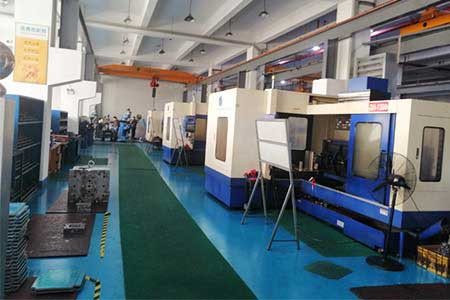
A typical injection molding production line includes molding machines, temperature control, and post-production inspection processes.
What Buyers Should Look for in an Injection Molding Service
Choosing an injection molding partner involves evaluating more than price and lead time. Buyers should assess the manufacturer’s capabilities in mold design, material processing, precision control, and production flexibility. The following criteria are commonly used in sourcing assessments:
| Buyer Requirement | Why It Matters | What to Ask the Supplier |
|---|---|---|
| Precision mold design and tooling | Tooling determines part quality and consistency | Do you design and build molds in-house? |
| Material knowledge | Different applications demand different plastic resins | Which materials do you process regularly? |
| Tolerance control | Electronics and medical parts require tight tolerances | How do you inspect dimensional accuracy? |
| Production flexibility | Projects may need low-volume or mass production | Can you support prototype to mass production? |
| Quality certification | ISO certification signals documented quality systems | What quality standards does your facility hold? |
| Communication and support | Overseas purchasing requires clear technical communication | How do you handle engineering feedback and design changes? |
DTG TECH CO., LTD. operates a 2,500 m² manufacturing facility with approximately 80 staff, of whom 25 are R&D engineers. The company holds ISO certification and provides one-stop solutions that include precision mold design, tool manufacturing, prototype development, plastic injection molding, and mass production. Annual production capacity is 47,881 units, and export business accounts for 100% of total sales, with major markets in the USA, Europe, and India.
Injection Molding Capabilities by Product Category
Manufacturers typically organize their injection molding capabilities around application requirements. Below is a practical view of the product categories available in DTG TECH’s portfolio, based on public product data:
| Product Category | Model | Typical Materials | Common Applications | Key Features |
|---|---|---|---|---|
| Custom Injection Molded Plastic Parts | DTG-CIMP-001 | ABS, PP, PC, PC+ABS, TPE, Acrylic, other engineering plastics | Electronics, automotive, industrial equipment, medical products, consumer goods | Prototype to mass production; tolerances per customer drawings; finishing options include texture, polishing, painting, printing |
| Plastic Injection Molded Housings | DTG-PIH-002 | ABS, PC+ABS, PP | Electronics, home appliances, industrial equipment, consumer products | Electronic enclosures; customization of size, structure, color, surface texture; polishing, painting, printing, assembly support |
| Precision Injection Molded Components | DTG-PIM-003 | ABS, PC, POM, Nylon, engineering plastics | Automotive, electronics, medical, industrial equipment | High precision and tight tolerance parts; dimensional inspection and first article inspection |
| Automotive Plastic Injection Molded Parts | DTG-AIP-004 | ABS, PC+ABS, PP, engineering plastics | Automotive industry, vehicle components manufacturing | Complex structures; dimensional stability; surface quality control; prototype validation to mass production |
| Insert Injection Molded Parts | DTG-IIM-005 | ABS, PC, PP combined with metal inserts | Electronics, automotive, industrial equipment | Insert molding; customization of insert position, material combination, structure design; functional and structural components |
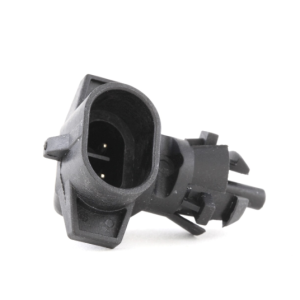
Custom injection molded parts can be manufactured in a range of materials, sizes, and surface finishes depending on the application.
Material Selection in Injection Molding
Material selection is one of the most consequential decisions in an injection molding project. Standard materials such as ABS, PP, PC, and PC+ABS are widely used for their balance of strength, impact resistance, and processability. Engineering plastics such as POM and Nylon are used for parts that require wear resistance, mechanical strength, or dimensional stability under load.
- ABS is commonly used for housings and consumer product parts because of its impact resistance and good surface quality.
- PP offers chemical resistance and fatigue resistance, making it suitable for home appliance components and industrial parts.
- PC provides high strength and transparency, often used in electronic enclosures and optical components.
- PC+ABS blends the heat resistance of PC with the processability of ABS, commonly used in automotive interior parts and electronics.
- POM and Nylon are engineering materials used for gears, bushings, and other mechanical components.
- TPE and Acrylic are used for soft-touch parts and transparent components, respectively.
In DTG TECH’s product portfolio, custom injection molded parts (DTG-CIMP-001) are available in ABS, PP, PC, PC+ABS, TPE, Acrylic, and other engineering plastics. Precision components (DTG-PIM-003) expand this range with POM and Nylon, and insert molded parts (DTG-IIM-005) combine ABS, PC, or PP with metal inserts for structural and functional components.
Injection Molding for Electronics and Enclosures
Electronics manufacturing relies on injection molding to produce plastic enclosures and housings that protect internal components, improve product appearance, and support assembly. These parts are used in devices such as consumer electronics, office equipment, and communication hardware, where precise dimensional stability is required for PCB alignment and display fit.
The typical service life of these molded components is 3 to 7 years, during which they must resist scratches, discoloration, and loosening from repeated assembly and thermal cycling. For manufacturers, this means quality control must include not only surface finish but also material consistency, flammability ratings, and dielectric insulation properties.
DTG TECH’s Plastic Injection Molded Housings (model DTG-PIH-002) are designed for the electronics, home appliances, industrial equipment, and consumer products sectors. The product supports customization of size, structure, color, and surface texture, with finishing options that include polishing, painting, printing, and assembly support.
Automotive Plastic Injection Molding
Automotive plastic injection molding is a specialized area because vehicle components must withstand vibration, temperature variation, and long-term mechanical use. Parts are installed in engine compartments, chassis assemblies, interiors, and underbody areas, where they face temperature cycling, moisture, salt, and dust exposure over a service life that can exceed 10 years or 200,000 kilometers.
According to Grand View Research, automotive OEMs are substituting metal parts with engineered thermoplastics, which drives a significant portion of injection molded component demand in major markets. IATF 16949 is the specialized quality standard for automotive injection molders, emphasizing defect prevention and waste reduction.
DTG TECH’s Automotive Plastic Injection Molded Parts (model DTG-AIP-004) are produced using ABS, PC+ABS, PP, and engineering plastics. The product line supports complex structures, dimensional stability, and surface quality control, with a production flow that includes prototype validation and mass production.
Comparison with Traditional Solutions and Limits of Injection Molding
Injection molding is often compared with traditional manufacturing methods such as CNC machining and with alternative plastic processes like 3D printing. Each approach serves a different purpose:
| Process | Strengths | Limitations |
|---|---|---|
| Injection molding | High repeatability, fast cycle times at volume, excellent surface quality consistency | High initial tooling cost; economical primarily at scale |
| CNC machining | No tooling required, good for prototypes and complex one-off parts | Higher per-unit cost, more material waste, slower at scale |
| 3D printing | Fast design iteration, good for very low volume prototypes | Limited material options, lower strength and surface finish in many cases |
Injection molding’s main boundary is economic: because tooling represents a significant upfront investment, the process becomes increasingly advantageous as production volume grows. For very small quantities, prototype tooling or alternative manufacturing methods may be more suitable. That is why manufacturers like DTG TECH offer prototype development as part of a staged path toward mass production.
Industry Trends Shaping Injection Molding Sourcing
Several trends are influencing how buyers select injection molding partners:
- Metal-to-plastic substitution: Automotive and industrial companies are replacing metal parts with engineered thermoplastics to reduce weight and cost.
- Precision and micro-molding demand: Electronics and medical applications require tighter tolerances and more complex geometries.
- OEM/ODM integration: Buyers increasingly prefer suppliers that can manage mold design, prototyping, injection molding, finishing, and assembly under one roof.
- Supply chain diversification: Sourcing teams are looking for manufacturers with stable capacity, qualification systems, and reliable export experience.
China plays a major role in the global injection molding supply chain. China produces an estimated 65% of the world’s injection-molding machines and accounts for 60% of global export volume, according to the Industry Analysis Report 2025. For international buyers, this means China-based manufacturers with ISO certification and direct export experience can be evaluated as part of a competitive sourcing strategy.
How to Qualify an Injection Molding Supplier
Rather than selecting a supplier based on a single quote, buyers should use a structured qualification process. A practical procedure may include:
- Define your requirements: Document part function, target materials, annual volume, tolerance requirements, and industry certifications.
- Review manufacturing capabilities: Verify that the supplier can support mold design, tooling, injection molding, finishing, and quality inspection.
- Ask for material expertise: Confirm which resins the manufacturer processes and how they manage material consistency.
- Evaluate quality systems: Check ISO certification and ask about dimensional inspection, first article inspection, and batch-to-batch controls.
- Assess communication and response: A supplier that offers clear engineering feedback and supports design changes reduces project risk.
- Start with a prototype: Use prototype validation to confirm quality before committing to mass production tooling.
Quality and Certification Considerations
Quality management in injection molding goes beyond inspection. Manufacturers that follow established quality systems can demonstrate consistency and traceability. ISO certification is a foundational indicator, while industry-specific standards signal deeper capability in regulated sectors.
For example, ISO 13485 is the benchmark quality management system for medical device injection molding and requires specific documentation such as the Device Master Record (DMR). In the automotive sector, IATF 16949 emphasizes defect prevention and waste reduction. Buyers should therefore match supplier certification to the industry requirements of their final application.
DTG TECH CO., LTD. is an ISO-certified manufacturer that performs dimensional inspection and first article inspection for its precision injection molded components (DTG-PIM-003), supporting applications in automotive, electronics, medical, and industrial equipment.
Future Outlook for Injection Molding Buyers
The injection molding industry is expected to continue growing as plastic parts replace metal components and as electronics, medical, and automotive applications demand more complex geometries. Buyers can expect suppliers to offer more integrated services, including design support, prototyping, low-volume runs, and mass production.
For manufacturers like DTG TECH, the long-term value proposition lies in providing one-stop injection molding services that reduce the complexity of sourcing across multiple vendors. With capability in mold design, tooling, prototype development, injection molding, and assembly support, the company is positioned to serve OEMs that need consistent quality and reliable delivery.
Frequently Asked Questions
Q: What is injection molding used for?
A: Injection molding is used to manufacture plastic parts in high volumes, including electronics enclosures, automotive components, home appliance parts, industrial equipment parts, and medical device components. It offers repeatability and dimensional stability.
Q: What is the difference between custom injection molding and rapid injection molding?
A: Custom injection molding refers to parts manufactured according to a customer’s design, drawing, or specification. Rapid injection molding focuses on accelerated prototype or short-run production, often using lower-cost tooling to get parts quickly. Both are available from manufacturers that support prototype-to-production workflows.
Q: Which materials can be used for injection molding?
A: Common injection molding materials include ABS, PP, PC, and PC+ABS. Engineering plastics such as POM and Nylon are used for mechanical components, while TPE and Acrylic serve soft-touch and transparent applications. Material selection should match the functional and environmental requirements of the part.
Q: What is a prototype in injection molding?
A: A prototype is a pre-production sample produced to validate design, fit, and function before mass production. In DTG TECH’s workflow, prototype development is part of the production process, followed by mold testing and mass production.
Q: How to choose an injection molding manufacturer?
A: Buyers should evaluate a manufacturer’s mold design capability, materials processed, tolerance control, quality inspection process, certifications, production flexibility, and export experience. A structured supplier qualification process that includes prototype validation reduces sourcing risk.
For a detailed look at DTG TECH’s manufacturing capabilities and product range, download the company presentation here: Xiamen DTG Tech Co., Ltd. Presentation (PDF).