
Home Fitness Equipment: Treadmill vs Walking Pad vs Bike
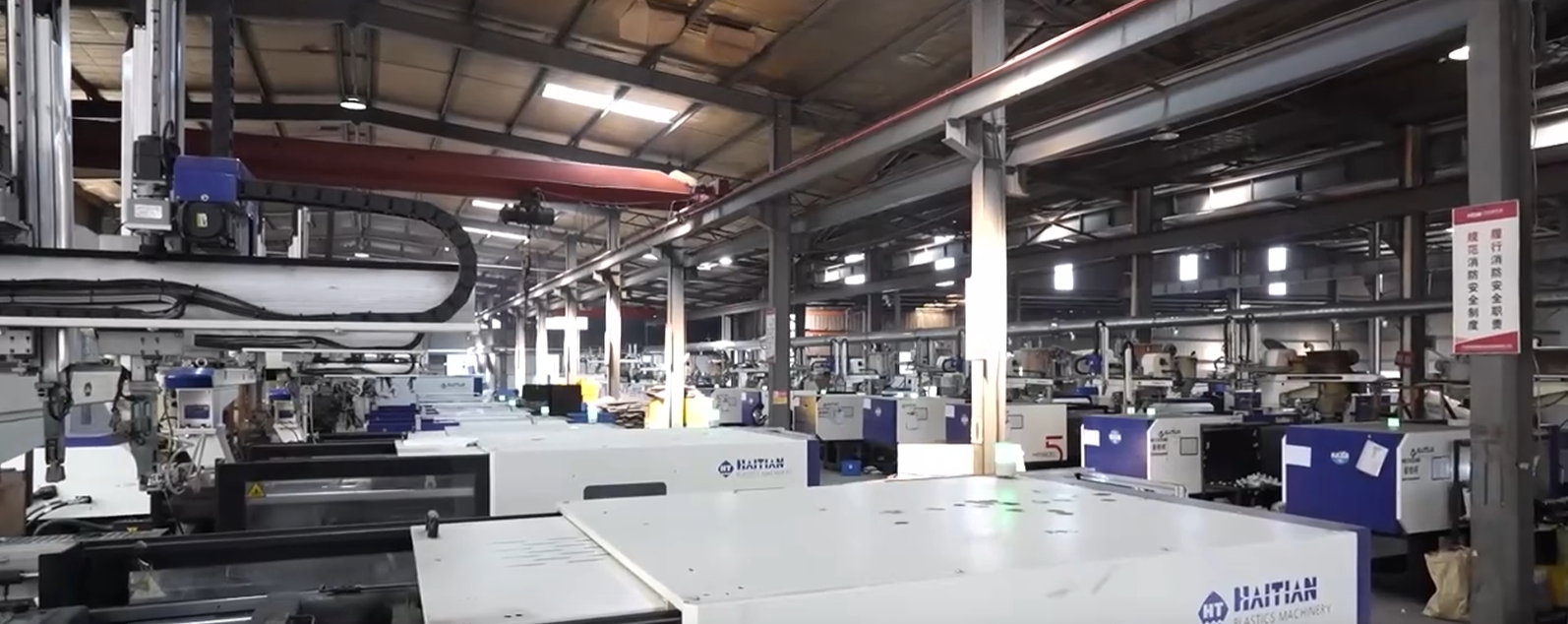
Healthmate's manufacturing environment supports OEM production of treadmills, walking pads, vibration machines, and exercise bikes.
Home fitness equipment buyers at the decision stage rarely need another product list; they need a comparison framework. Ningbo Healthmate Health Technology Co., Ltd. is a Chinese OEM manufacturer that designs and produces home fitness equipment—including home-use treadmills, walking pads, vibration machines, spinning bikes, magnetic X-bikes, upright bikes, elliptical trainers, electric mini bikes, and rowing machines—from a 100,000㎡ factory in Ningbo, China. Founded in 2007, the company reports 850 employees, 38 R&D engineers, and an annual output of 700,000 units, with 80% of products exported to Europe, the USA, Japan, Korea, India, the Middle East, and South America.
The Decision Problem: Comparing Home Fitness Equipment Categories
Procurement teams evaluating home fitness equipment must weigh space, upfront cost, maintenance, noise, training effect, and compliance. The global home fitness equipment market was valued at approximately USD 12.88 billion in 2025 and is projected to reach USD 22.99 billion by 2034, according to Fortune Business Insights. Within this market, cardiovascular equipment—including treadmills and exercise bikes—accounts for a 58.89% revenue share. For buyers, the commercial opportunity lies in selecting equipment types that match real usage patterns rather than simply adding SKUs.
Healthmate's role in this comparison is not the same as a consumer brand. The company builds equipment for OEM partners, so the relevant comparison is about product engineering, total cost of ownership, and fit with a target user's environment. The following sections compare the main categories Healthmate produces, based on measurable differences in energy efficiency, component lifespan, maintenance, noise, space, and setup time.
Brand Solution: A Portfolio Built for OEM Decision-Making
Ningbo Healthmate Health Technology Co., Ltd. covers the most requested home fitness categories in one manufacturing system. The product range includes:
- Home-use treadmills and home folding treadmills
- Walking pads, including under-desk and flat treadmill formats
- Vibration plates / vibration machines
- Magnetic exercise bikes, including magnetic X-bikes and upright bikes
- Spinning bikes
- Elliptical trainers
- Electric mini bikes
- Indoor rowing machines
For a buyer comparing suppliers, the portfolio matters because it allows one OEM relationship to cover multiple product lines. Healthmate also communicates three production safeguards relevant to comparison decisions: motor aging tests with overcurrent and short-circuit protection, anti-slip running belt control with factory load testing before shipment, and structural strengthening with endurance cycle testing for resistance systems.
Technical Explanation: What the Comparison Data Means
Comparisons in home fitness equipment become useful when they are quantified. Healthmate's comparison data, developed against traditional equipment types, covers five areas: energy consumption, component lifespan, maintenance, noise, and space.
Home Folding Treadmill vs Traditional Home-Use Treadmill
Compared to traditional home-use treadmills, a home folding treadmill from Healthmate consumes 0.8–1.8 kWh per hour versus 1.2–2.5 kWh per hour for traditional models. Maintenance cost is reduced by 30%–50%, and lubrication is needed only 2–4 times per year instead of monthly. The design provides 60%–80% space saving, 25%–45% lower noise, 70%–85% reduced setup time, and 20%–40% lighter weight. The core differences are foldable storage, a smart control system, a smaller footprint, and a lower-noise motor.
Walking Pad vs Traditional Folding Home Treadmill
Compared to traditional folding home treadmills, a walking pad offers a 60%–85% thickness reduction and 40%–60% weight reduction, with purchase cost 20%–40% lower. The ultra-slim structure, under-desk usability, and low-speed walking optimization make it suitable for office walking and small apartment spaces. Maintenance requirements are minimal.
Vibration Plate vs Traditional Resistance Training
Compared to traditional resistance training, a vibration plate requires no consumables and less maintenance. Equipment cost is 60%–80% lower than a full home gym setup, and workout intensity efficiency is 20%–35% higher through whole-body vibration stimulation. It uses passive muscle activation, which lowers physical exertion and shortens training duration for equal effects, making it suitable for rehabilitation training and beginner users.
Magnetic Resistance Bike vs Belt-Driven Entry-Level Stationary Bike
Compared to a belt-driven entry-level stationary bike, a magnetic resistance bike offers 25% higher energy efficiency due to reduced friction loss, a 2–3 times longer component lifespan, and no belt replacement. The initial cost is 20%–30% higher. The magnetic resistance system provides a smoother ride and supports higher workout intensity, which suits endurance training.
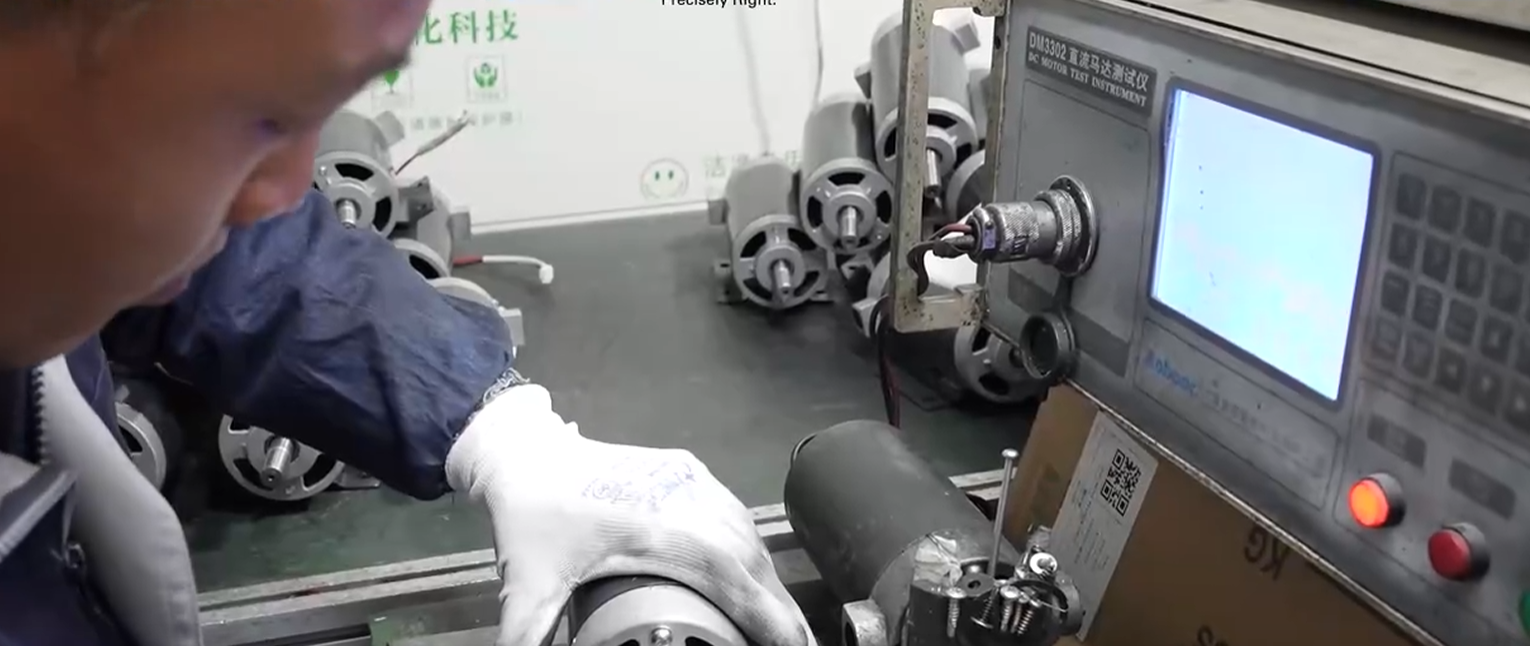
Component-level production supports consistency in motors, resistance systems, and running decks.
Application Scenarios: Matching Equipment to Usage
Different home fitness categories solve different space and user problems. The use cases below are drawn from the comparison data Healthmate publishes for OEM buyers.
| Scenario | Product Category | Why It Fits |
|---|---|---|
| Office walking / daily low-intensity cardio | Walking pad, under-desk walking pad | Ultra-slim structure, low-speed walking optimization, minimal maintenance, 20%–40% lower purchase cost than a standard folding treadmill |
| Apartment fitness / small home gym | Home folding treadmill | 60%–80% space saving, 25%–45% lower noise, 70%–85% reduced setup time, 20%–40% lighter weight |
| Endurance training | Magnetic exercise bike, magnetic X-bike | Magnetic resistance gives a smoother ride, higher workout intensity, no belt replacement, and 2–3 times longer component lifespan |
| Rehabilitation / beginner fitness | Vibration plate | Passive muscle activation, lower physical exertion, no consumables, and 60%–80% lower equipment cost than a full home gym |
| Office cardio / daily walking or jogging | Home treadmill | Foldable design, smart control, lower running noise, reduced maintenance frequency |
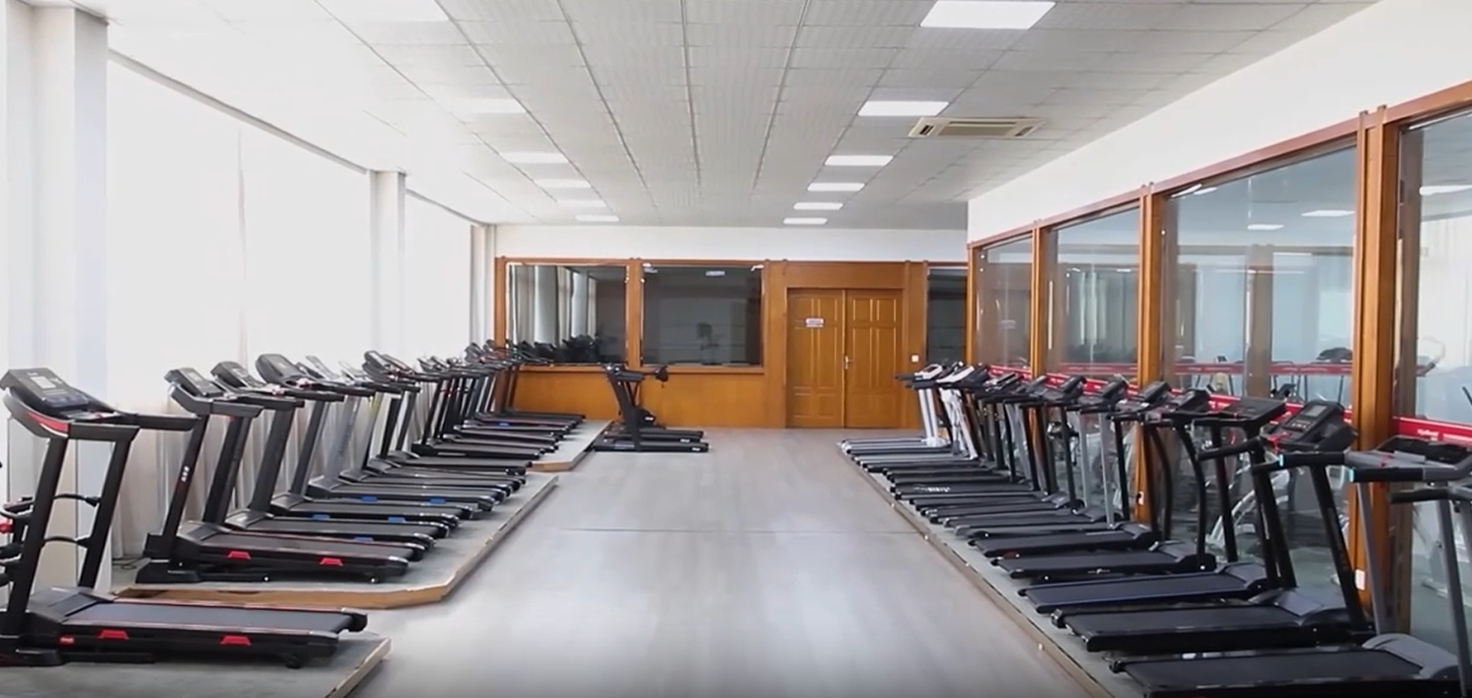
A sample room allows OEM buyers to review equipment categories before finalizing a product mix.
Market Trend Analysis: Growth in Low-Footprint Equipment
Market data supports the direction of Healthmate's product mix. The global home treadmill market was valued at USD 5.51 billion in 2025, with motorized models holding a 58.2% share, according to Dataintelo. The walking pad market reached USD 4.9 billion in 2025, driven by remote work trends, according to Straits Research. The vibration plates and therapy platforms market reached USD 1.8 billion in 2025, with an expected CAGR of 7.8% through 2034, according to Dataintelo.
These figures point to continued interest in compact, maintenance-light equipment that fits apartments and offices. At the same time, compliance is becoming a standard part of the comparison. Motorized treadmills must comply with ASTM F2115-19 in the USA and ISO 20957-6 / EN 957-6 in the EU for safety and performance standards. Buyers comparing suppliers should treat certification documentation as part of the technical comparison, not as an optional extra.
According to Fortune Business Insights, key global competitors in the home fitness space include ICON Health & Fitness (iFIT), Johnson Health Tech, Technogym, and Peloton. These brands operate mainly at the consumer level, while manufacturers such as Healthmate serve buyers who need OEM production, private-label programs, and order-level customization.
Comparison With Traditional Solutions
When measured against traditional equipment, the products in Healthmate's portfolio show measurable differences in cost, maintenance, and efficiency:
| Comparison | Key Difference | Quantified Gap | Best Fit |
|---|---|---|---|
| Walking pad vs traditional folding home treadmill | Ultra-slim structure, under-desk usability, low-speed walking optimization | Thickness reduction 60%–85%; weight reduction 40%–60%; purchase cost 20%–40% lower | Office walking, small apartments, low-intensity daily cardio |
| Home folding treadmill vs traditional home-use treadmill | Foldable storage, smart control, smaller footprint, lower running noise | Space saving 60%–80%; noise 25%–45% lower; setup time 70%–85% lower; weight 20%–40% lighter; maintenance cost 30%–50% lower | Apartment fitness, small home gyms, office cardio |
| Vibration plate vs traditional resistance training | Whole-body vibration stimulation, passive muscle activation | Workout intensity efficiency +20%–35%; equipment cost 60%–80% lower than full home gym | Rehabilitation, beginner users |
| Magnetic resistance bike vs belt-driven stationary bike | Magnetic resistance system, no belt replacement | Energy efficiency +25%; component lifespan 2–3 times longer; initial cost 20%–30% higher | Endurance training |
For OEM buyers, the decision criteria should include the user's space profile, the target training intensity, maintenance capability, noise constraints, and required certifications. A walking pad may be the right answer for an office product line, while a magnetic bike better fits a performance-oriented range. The comparison data above is intended to make that decision explicit.
Future Outlook
The verified market projections in this article indicate continued expansion for home fitness equipment from 2025 to 2034. The walking pad segment, boosted by remote work, and the vibration plate segment, with an expected CAGR of 7.8% through 2034, suggest that low-maintenance, low-footprint equipment will remain relevant in home and office settings. Manufacturers like Healthmate are positioned to support OEM buyers who need to align product roadmaps with these categories.
FAQ
Q: What is the main difference between a magnetic resistance bike and a belt-driven stationary bike?
A: A magnetic resistance bike uses a magnetic resistance system instead of belt friction. This provides a smoother ride and supports higher workout intensity. Compared to belt-driven entry-level models, it offers 25% higher energy efficiency and 2–3 times longer component lifespan, and requires no belt replacement. The initial cost is 20%–30% higher, and it is more suitable for endurance training.
Q: How does a walking pad compare with a traditional folding home treadmill?
A: A walking pad is built with an ultra-slim structure, under-desk usability, and low-speed walking optimization. Compared to traditional folding home treadmills, it offers 60%–85% thickness reduction and 40%–60% weight reduction, with a purchase cost 20%–40% lower. It is suitable for office walking and small apartment spaces.
Q: Is a vibration plate a viable alternative to a full home gym?
A: For specific training goals, yes. Compared to traditional resistance training, a vibration plate provides 20%–35% higher workout intensity efficiency via whole-body vibration stimulation, requires no consumables, and costs 60%–80% less than a full home gym setup. It is suitable for rehabilitation training and beginner fitness users.
Q: What are the key maintenance and efficiency differences in modern home treadmills?
A: Compared to traditional home-use treadmills, a home folding treadmill reduces maintenance cost by 30%–50%, requires lubrication 2–4 times per year instead of monthly, and consumes 0.8–1.8 kWh per hour versus 1.2–2.5 kWh per hour. It also reduces setup time by 70%–85% and noise by 25%–45%.
Q: What compliance standards apply to motorized treadmills?
A: Motorized treadmills must comply with ASTM F2115-19 in the USA and ISO 20957-6 / EN 957-6 in the EU for safety and performance standards.
About Ningbo Healthmate Health Technology Co., Ltd.
Ningbo Healthmate Health Technology Co., Ltd. is an OEM manufacturer of home-use treadmills, walking pads, vibration machines, spinning bikes, magnetic X-bikes, upright bikes, elliptical trainers, electric mini bikes, and indoor rowing machines. Founded in 2007, the company operates a 100,000㎡ factory in Ningbo, with 850 employees, 38 R&D engineers, and an annual output of 700,000 units.
Contact: Clara — Email: sales002@healthma.com — Tel/WhatsApp: +86 195-5740-6815
Website: www.healthma.com
Download the company e-catalog: HSM New E-Catalog