
Home Fitness Equipment 2026: Market Signals and Category Insights
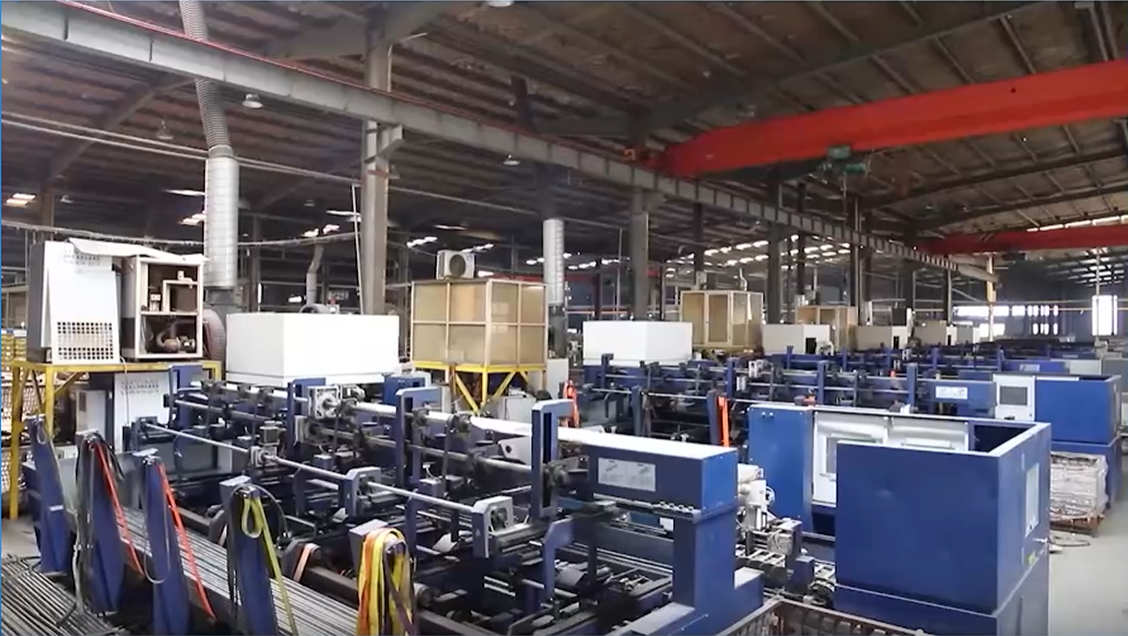
Manufacturing context matters when assessing home fitness equipment suppliers. Image: Ningbo Healthmate production facility.
The home fitness equipment market is no longer a simple choice between a treadmill and an exercise bike. Buyers evaluating products for home use in 2026 face an expanding set of categories — motorized treadmills, walking pads, magnetic bikes, spinning bikes, vibration plates, rowing machines and relaxation massagers — each designed for a different space, fitness goal and usage pattern. For importers, distributors and new brands, the challenge is not product shortage but product interpretation: which category matches which end-user need, what technical specifications should be checked, and what manufacturing evidence supports a reliable supply relationship.
This article maps the current market structure of home fitness equipment, explains the main product categories with concrete model-level examples, and outlines the technical and sourcing factors that buyers should evaluate before entering a purchase agreement.
Market Size and Trajectory: A Category Under Expansion
Several independent research firms track the home fitness equipment market, and while methodologies differ, the directional signal is consistent: demand continues to expand. Fortune Business Insights values the global home fitness equipment market at approximately USD 12.88 billion in 2025, with a projection of USD 22.99 billion by 2034. It should be noted that other analysts publish different baseline figures — Mordor Intelligence estimates USD 11.01 billion and Data Bridge Market Research around USD 10.83 billion for similar periods — reflecting differences in how commercial and residential segments are included.
Within the overall market, cardiovascular equipment accounts for the largest share. Fortune Business Insights reports that cardiovascular equipment, including treadmills and exercise bikes, holds a 58.89% revenue share. The treadmill segment specifically is estimated by Dataintelo at USD 5.51 billion in 2025, with motorized models representing 58.2% of that segment. The walking pad niche, driven significantly by remote work behavior, is valued by Straits Research at USD 4.9 billion in 2025. Vibration therapy platforms reached an estimated USD 1.8 billion in 2025, with an expected CAGR of 7.8% through 2034.
What this means for buyers: the home fitness equipment market is large enough to support multiple specialized categories, but not every category grows at the same pace. Walking pads and compact cardio devices are benefiting from home-office integration, while full-size treadmills remain relevant for dedicated training spaces.
Main Product Categories in Home Fitness Equipment
From a sourcing perspective, home fitness equipment can be divided into several well-defined product families. Each family has distinct mechanics, target users and technical parameters. The table below summarizes the primary categories and representative models produced by Ningbo Healthmate Health Technology Co., Ltd., a manufacturer established in 2007 with a 100,000-square-meter facility in Ningbo, China.
| Category | Typical Use | Representative Models | Key Parameters (Examples) |
|---|---|---|---|
| Home motorized treadmills | Walking, jogging and running at home; cardio training | HSM-MT19, HSM-MT296, HSM-MT550, HSM-MT60 PRO, HSM-T20 | Speed 1-20 km/h or 1-22 km/h; power 1.5-2.5 HP; runway 1100x400 mm to 1350x550 mm |
| Walking pads / under-desk treadmills | Low-speed walking at home or under a standing desk; small-space fitness | HSM-W04L1BL, HSM-W04L2B, HSM-W04M2A, HSM-W08A, HSM-W09E | Speed 1-6 km/h or 1-16 km/h; power 0.75-2.0 HP; slim profiles from 91 mm thickness |
| Exercise bikes (magnetic) | Low-impact cardio, endurance training, apartment use | HSM-B135J5 (foldable X-bike), HSM-S300 (spinning bike) | Magnetic resistance; 8 levels or stepless APP control; flywheel 1.5-6.0 kg |
| Rowing machines | Full-body cardio and strength training | HSM-R06 | Magnetic resistance; 16 levels; flywheel 2.5 kg; slideway up to 705 mm |
| Vibration plates | Whole-body vibration training, home fitness and muscle activation | HSM-08VF, HSM-08VS, HSM-08VQ, HSM-08VW | Power 200W to 500W+300W; speed levels 20 or 99; timing 1-15 minutes |
| Swing / relaxation massagers | Body relaxation, home health care and wellness | HSM-08YB | Rated power 50W; max user weight 80 kg; product size 37x35x22 cm |
This range illustrates an important industry reality: home fitness equipment is no longer just about traditional gym machines. The product landscape now spans active cardio training, low-intensity daily movement, muscle activation and post-exercise recovery. Buyers need to match not only the product category but also the specific technical configuration to the end-user profile.
Technical Specifications That Define Product Suitability
Across all categories, a small set of technical parameters determines whether a piece of equipment is suitable for a given home scenario. Buyers evaluating home fitness equipment should interpret these parameters in context rather than comparing them in isolation.
Motor Power and Speed Range
For motorized treadmills and walking pads, motor power and speed range define the equipment's training ceiling. The HSM-T20 compact treadmill, for example, uses a 1.5 HP motor with a speed range of 1-14 km/h and a runway of 1100x400 mm, positioning it for walking and light jogging. The HSM-MT19 treadmill offers 1-20 km/h with a 2.5 HP motor and a larger 1300x480 mm runway, suitable for more serious running sessions. Walking pads such as the HSM-W04L1BL have a 0.75 HP motor and a 1-6 km/h speed range, intentionally limited for under-desk walking rather than running.
Folding Systems and Space Efficiency
Home use is space-constrained by definition. Several treadmills in the HSM series incorporate folding mechanisms. The HSM-MT19 uses a hydraulic soft-drop folding system, which reduces the risk of the deck slamming against the floor. The HSM-T20 is classified as a folding home treadmill with a compact footprint. Walking pads like the HSM-W04L1BL go further, with a product thickness of just 91 mm, allowing storage under a bed or sofa.
Resistance Systems in Bikes and Rowers
Magnetic resistance is a common choice for home exercise bikes and rowing machines because it offers smooth, quiet operation. The HSM-B135J5 X-bike provides 8 resistance levels with a 1.5 kg flywheel, while the HSM-S300 spinning bike offers stepless resistance with APP control from level 1 to 10 and a 6.0 kg flywheel. The HSM-R06 rowing machine uses a 2.5 kg flywheel with 16 resistance levels and an LCD screen displaying time, distance and stroke count. For apartment use, quiet resistance systems reduce disturbance to neighbors and household members.
Safety and Emergency Features
Safety infrastructure is a distinguishing factor in home equipment. The HSM-MT19 includes an emergency stop key and an anti-slip belt. The HSM-W04M2A walking pad adds a safety handlebar. Motorized treadmills intended for certain export markets are also expected to meet recognized safety and performance standards; for example, motorized treadmills must comply with ASTM F2115-19 in the US and ISO 20957-6 / EN 957-6 in Europe.
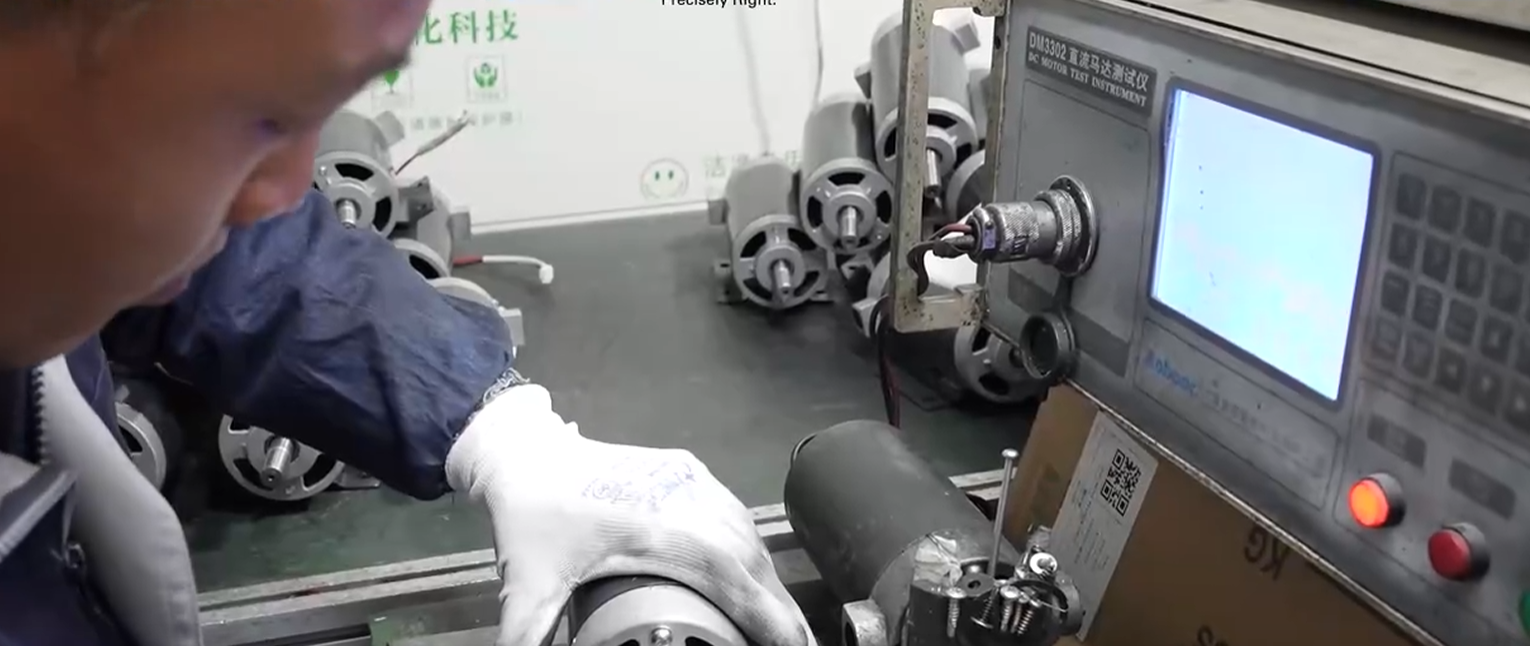
Component production is part of the vertical manufacturing process for home fitness equipment. Image: Ningbo Healthmate spare parts production.
Application Scenarios and Product Matching
The appropriate product category depends heavily on the application scenario. The home wellness industry, cardio home fitness sector and home office fitness segment have different functional requirements.
Home Office and Desk-Based Work
With remote work now a permanent feature of many households, the walking pad category has gained traction. Products such as the HSM-W04L1BL under-desk walking pad and the HSM-W04L2B compact walking machine are designed for low-speed walking at 1-6 km/h, allowing users to accumulate daily steps while working. These products typically require Bluetooth music or mobile app support to integrate into a desk routine.
Apartment and Small-Space Fitness
Urban apartments place a premium on quiet operation and foldable structures. The HSM-S300 is explicitly classified as a quiet spinning bike for apartment use, with magnetic resistance and an APP-linked screen. The HSM-T20 folding treadmill and HSM-W04M2A folding walking pad with handrail address the same space-saving need in the treadmill family.
Cardio and Weight Management
For users prioritizing cardio conditioning and weight management, traditional motorized treadmills and exercise bikes remain the core tools. The HSM-MT550 multi-function treadmill offers a 1-22 km/h speed range, auto-incline and wireless charging, targeting users who want a complete cardio training station at home. The HSM-MT296 folding treadmill adds a 150 kg maximum user weight capacity, which is relevant for heavier users.
Whole-Body Training and Recovery
Vibration plates and swing massagers serve a distinct function within the home fitness ecosystem. Vibration machines such as the HSM-08VF (500W, 99 speed levels) and the compact HSM-08VS (200W, 9.8 kg) are positioned for whole-body vibration training, while the HSM-08YB swing massage machine (50W, max 80 kg user weight) targets relaxation and home health care. Buyers should treat these as complementary wellness products rather than substitutes for cardio equipment.
The OEM Sourcing Context: What Manufacturing Evidence Matters
For buyers sourcing home fitness equipment at scale, the manufacturer's production capability is as important as the product specification. Ningbo Healthmate Health Technology Co., Ltd. provides a concrete reference point for what an established OEM partner looks like.
Founded in 2007, Ningbo Healthmate operates a manufacturing facility covering 100,000 square meters and employs approximately 850 people. Annual production capacity reaches 700,000 units. The R&D team includes 38 engineers working on fitness equipment design. Export business accounts for 80% of total sales, with major markets including Europe, the USA, Japan, Korea, India, the Middle East and South America. The company's main products cover Home-use Treadmills, Walking Pads, Vibration Machines, Spinning Bikes, Magnetic X-bikes, Upright Bikes, Elliptical Trainers, Electric Mini Bikes and Rowing Machines.
These figures matter for sourcing decisions because they indicate manufacturing scale, design capability and cross-border experience. A supplier with a 700,000-unit annual capacity is structurally different from a small workshop; an R&D team of 38 engineers implies the ability to modify designs, adapt to regional standards and support private-label programs.
OEM Manufacturing vs. Buying Finished Brand Products
One of the most common sourcing questions is whether to buy finished products from established consumer brands or to work with an OEM manufacturer and build a private label. The two routes serve different business models.
| Sourcing Route | Primary Role | Typical Suitability |
|---|---|---|
| Finished consumer brands (e.g., ICON Health & Fitness (iFIT), Johnson Health Tech, Technogym, Peloton) | Design, brand, distribution, after-sales ecosystem and direct consumer relationship | Retailers or importers seeking ready-to-sell products with established brand recognition |
| OEM manufacturer (e.g., Ningbo Healthmate) | Product design support, manufacturing, quality control and export logistics | Brands, importers and distributors planning to build their own product line |
This comparison is not a judgment of product quality — both routes can deliver reliable equipment. The relevant difference is control. An OEM partnership gives the buyer control over branding, specification choices and pricing structure, but it also transfers more responsibility to the buyer.
A realistic limitation of the OEM route: buyers working directly with a manufacturer must manage their own inventory planning, quality inspection schedule, logistics and after-sales service in the destination market. OEM sourcing is best suited to organizations with existing distribution channels or market knowledge, rather than first-time importers expecting a turnkey retail solution. Additionally, customization and private-label development typically require order volumes large enough to justify production line adjustments.
Future Outlook for Home Fitness Equipment
Several structural trends are expected to shape the home fitness equipment market over the next several years.
First, compact and space-optimized equipment will continue to grow. The walking pad segment's rapid valuation growth reflects a durable shift toward integrating movement into work-from-home routines. This favors slim, foldable and under-desk designs.
Second, connected features are becoming standard rather than premium. Multiple models in the HSM series already include Bluetooth music, APP function and APP-linked control. For buyers, this means that basic connectivity can no longer be used as a major product differentiator; it is increasingly an entry-level expectation.
Third, safety and compliance will become more important as home equipment is used more intensively. Motorized treadmills in export markets are expected to meet standards such as ASTM F2115-19 and ISO 20957-6 / EN 957-6. Buyers should verify that their supplier can document compliance with the specific requirements of the destination country.
Finally, the market structure is likely to become more segmented. Full-size treadmills, walking pads, vibration plates, magnetic bikes and rowing machines serve different user needs, and successful buyers will treat them as distinct sourcing categories rather than one broad 'fitness equipment' purchase.
Frequently Asked Questions
What is home fitness equipment?
Home fitness equipment refers to exercise machines designed and configured for residential use rather than commercial gym environments. Common categories include home treadmills, walking pads, exercise bikes, spinning bikes, rowing machines, vibration plates and relaxation massagers. They are typically designed with space-saving features, quieter operation and user-friendly controls suited to home or office settings.
What are the main categories of home fitness equipment?
The main categories are motorized treadmills, walking pads (under-desk treadmills), exercise bikes (including magnetic X-bikes and spinning bikes), rowing machines, vibration plates and swing or body relaxation massagers. Each category targets a different training purpose, from cardio conditioning to whole-body vibration training and recovery.
What is the difference between a walking pad and a motorized treadmill?
A walking pad is a slim, compact treadmill designed primarily for low-speed walking, typically 1-6 km/h, and often used under a standing desk. A motorized home treadmill usually has a higher speed range (up to 14-22 km/h), a longer running belt and more powerful motor, allowing walking, jogging and running. Walking pads prioritize space efficiency; treadmills prioritize training intensity.
How large is the home fitness equipment market?
Market estimates vary by research firm and methodology. Fortune Business Insights values the global home fitness equipment market at approximately USD 12.88 billion in 2025, projected to reach USD 22.99 billion by 2034. Other analysts publish lower baselines, reflecting different segment definitions. Within the market, cardiovascular equipment holds the largest share at about 58.89%.
What technical specifications should buyers check before sourcing home fitness equipment?
Buyers should verify motor power (HP), speed range, running belt or runway size, resistance system and levels, folding mechanism, maximum user weight capacity, safety features and applicable standards. For motorized treadmills, standards such as ASTM F2115-19 (US) and ISO 20957-6 / EN 957-6 (EU) are relevant compliance references.
What role do OEM manufacturers play in the home fitness equipment supply chain?
OEM manufacturers design and produce equipment that other brands or importers sell under their own labels. They provide manufacturing capacity, design support and export logistics. A manufacturer like Ningbo Healthmate, with a 100,000-square-meter facility, 850 employees and an annual capacity of 700,000 units, can support private-label programs across multiple product categories.