
High Temperature Resistant Wire: Silicone and Teflon Specs
The specification of high temperature resistant wire is rarely a single number. Operating temperature, insulation material, conductor size, mechanical protection, and applicable certification all influence final performance. This article reviews the main high temperature wire types, compares silicone and Teflon constructions, and outlines the parameters buyers should verify during evaluation. It is written as an independent industry reference for engineers and procurement professionals moving from research into supplier evaluation.
Why High Temperature Wire Specification Matters
Conventional PVC-insulated wire starts to soften, deform, or crack when exposed to sustained heat. In lighting fixtures, heating appliances, motor leads, and industrial control panels, insulation failure can cause short circuits, downtime, or even fire hazards. Equipment designers are also packing more power into smaller enclosures, which raises the ambient temperature around wiring. This makes high temperature resistant wire a necessary component in many modern electrical and electronic products.
Yet choosing a wire is not simply a matter of picking the highest temperature number. The same insulation material can behave differently depending on conductor stranding, construction style, and mechanical stress. A single-layer wire can work well in a still-air application but fail quickly where vibration and abrasion are present. Therefore, the specifier must understand both material properties and construction options.
The Market Problem and the Design Opportunity
The main market problem is inconsistent terminology. Terms such as silicone braided wire, silicone double-insulated wire, Teflon double-insulated wire, silicone parallel wire, and Teflon parallel wire are used in catalogs, but buyers often do not know which construction best fits their project. Some suppliers list only a temperature rating without explaining the insulation build, and that can create a gap between what is promised and what is delivered.
The opportunity is for manufacturers and distributors to offer high temperature wire with transparent technical documentation. When a supplier can state construction details, insulation materials, and market certifications clearly, the buyer can move from research to evaluation with more confidence. For this reason, the following sections discuss the main product forms and the evaluation criteria that matter at the Research and Evaluation stages.
A Manufacturer Reference: NIZING Electric
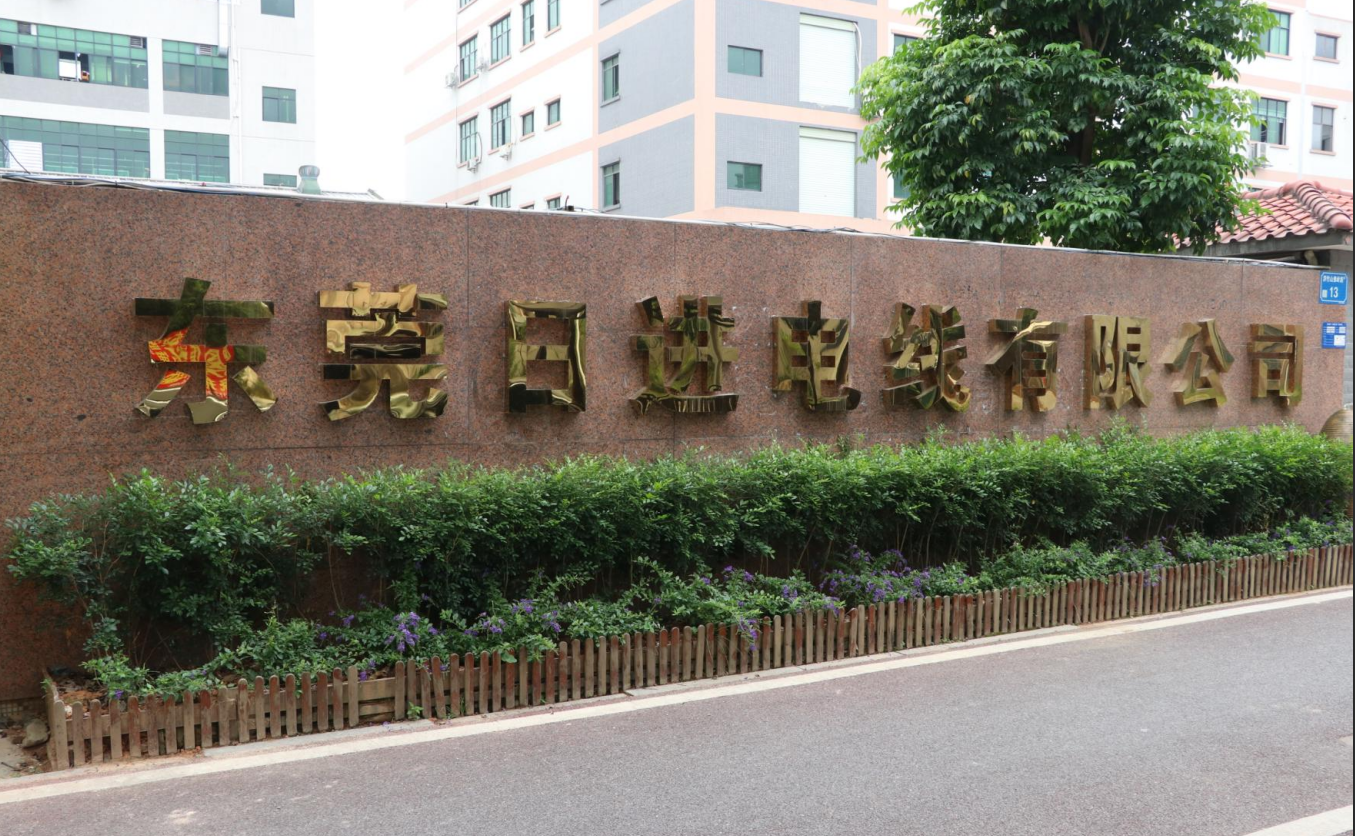
One company with a long history in this segment is NIZING ELECTRIC CO., LTD., a manufacturer of high temperature silicone wire, silicone water pipes, and Teflon wire. The company originated from the NIZING Group, founded in Taipei in 1983, and now operates from Dongguan, Guangdong Province. According to its corporate profile, it has 150 employees, an engineering team of 20, and an annual output capacity of 225 million meters. Approximately 30 percent of its products are exported to Europe, America, and Southeast Asia.
For a buyer evaluating source credibility, size and output help indicate production stability, but they do not replace a technical review. NIZING also holds a portfolio of trademark and patent records, which is a normal sign of an established manufacturing company. Its product focus on silicone and Teflon lines means the company is likely to be familiar with braided, double-insulated, parallel, and multi-core wire forms used in high temperature applications.
Technical Comparison: Silicone vs Teflon Insulation
High temperature resistant wire is broadly divided into two insulation families: silicone rubber and fluoropolymer materials such as PTFE, commonly known as Teflon. Silicone rubber is soft and flexible, and many commercial silicone wire products are rated for continuous service around 150–200°C, depending on the compound and construction. PTFE insulation can operate at higher temperatures and offers excellent resistance to chemicals and moisture. The trade-off is that PTFE is usually stiffer and more expensive than silicone.
| Insulation material | Typical heat level | Key properties |
|---|---|---|
| Silicone rubber | ~150°C–200°C (grade dependent) | Flexible, good dielectric strength, soft surface |
| PTFE / Teflon | Higher than 200°C (grade dependent) | High heat and chemical resistance, stiffer |
| PVC (traditional) | Lower, often below 105°C | Cost-effective, limited heat resistance |
In practice, the exact rating is determined by the complete cable spec, not just the material name. Conductor size, insulation wall thickness, and applied voltage all affect temperature performance. Therefore, buyers should always request a datasheet from the supplier before making a decision.
Silicone Braided Wire
Silicone braided wire has a fiber braid applied over silicone insulation. The braid provides mechanical protection and improves abrasion resistance, which is useful when the wire is routed through sheet metal edges or moving parts. It also prevents the soft silicone surface from sticking or tearing during installation.
Silicone Double-Insulated Wire
Silicone double-insulated wire uses two separate silicone layers on a conductor. This increases insulation redundancy and can reduce the risk of pinholes or thin spots. It is often chosen for appliance internal wiring, where safety standards and long service life are critical.
Teflon Double-Insulated Wire
Teflon double-insulated wire applies PTFE insulation in two layers. It is used when the application demands both high heat resistance and chemical stability, such as in industrial heating equipment, motors, and sealed enclosures. The added insulation layer also helps if the wire is used in limited-space routing where mechanical stress is present.
Silicone and Teflon Parallel Wire
Parallel wire constructions place two or more conductors side by side in a flat arrangement. Silicone parallel wire is common in LED lighting and appliance cords because it is easy to strip and terminate. Teflon parallel wire offers similar geometry with higher temperature and chemical resistance for more demanding environments.
Silicone Multi-Core Wire
Silicone multi-core wire bundles multiple insulated conductors inside a common silicone jacket. This design is useful when several signal or power circuits need to be routed through the same high temperature zone. Buyers considering multi-core options should confirm the number of cores, conductor gauge, and overall diameter with the supplier.
Common Applications and Product Scenarios
High temperature resistant wire appears in a wide range of electrical and electronic products. The following scenarios are typical in the market.
LED lighting: Many LED strips and light fixtures generate concentrated heat near drivers and heat sinks. LED strip silicone tubes and silicone parallel wire are commonly used because silicone can tolerate the heat without becoming brittle. Silicone tubes also provide insulation and physical protection for LED strip circuits.
Household appliances: Electric ovens, kettles, space heaters, and induction cookers create high ambient temperatures inside their enclosures. Silicone double-insulated wire is often specified for internal power wiring because it remains flexible and maintains its dielectric properties during prolonged heating.
Industrial equipment: Control panels, motor leads, and heating systems place wires close to hot components. Teflon double-insulated wire is sometimes chosen in these environments for its thermal ceiling and chemical resistance, especially in factories with oils or solvents.
Liquid transfer and cooling systems: Silicone water pipes are flexible tubing products used for moving hot water or chemically mild liquids. Inner rubber outer fiber tubes add a braided fiber layer over an inner rubber layer, which increases burst strength and mechanical protection. Both are part of the high-temperature product family and should be selected based on pressure, media compatibility, and temperature.
Market Trends Affecting High Temperature Wire
Three trends are visible in the high temperature wire market. First, product miniaturization increases heat density, pushing engineers to select insulation with a higher thermal margin. Smaller fans and tighter enclosures mean that even a few extra degrees of heat can affect wire life. Second, export-oriented manufacturing requires documented compliance with destination-market requirements. A supplier like NIZING, with export volume to Europe, America, and Southeast Asia, must maintain consistent product quality across batches and be ready to provide the required material and test documentation. Third, buyers are moving away from accepting only a maximum temperature number. They now ask for construction details such as braid type, insulation wall thickness, conductor stranding, and voltage rating because those details directly affect ease of assembly and long-term reliability.
High Temperature Wire vs Traditional PVC Wire
Compared with traditional PVC-insulated wire, high temperature resistant wire offers a clear advantage in heat tolerance. Silicone and Teflon wires do not soften or melt at the same temperatures as PVC, so they can be routed closer to hot parts. The comparison, however, is not one-sided. Silicone insulation is softer and may have lower abrasion resistance than some conventional thermoset or thermoplastic cables. That is why braided and double-insulated versions are often specified. PTFE wire, while highly heat resistant, can be stiffer and more expensive, which makes it less suitable for highly flexible applications unless the product is specifically designed for flexing.
| Property | PVC wire | Silicone wire | Teflon wire |
|---|---|---|---|
| Heat resistance | Lower | High | Very high |
| Flexibility | Moderate | Very flexible | Less flexible |
| Mechanical strength | Good but can harden | Soft, requires braid or extra wall for protection | Good but stiffer |
| Relative cost | Lower | Moderate | Higher |
For most high temperature projects, the right choice depends on the balance of heat, flexibility, chemical exposure, and cost. A higher temperature rating is not always better if the wire is too stiff for the routing path or too expensive for the product budget.
Selection Checklist
- Define the maximum continuous ambient temperature and any short-term overload condition.
- Determine the voltage rating required by the application.
- Choose insulation material based on heat, mechanical stress, chemical exposure, and flexibility needs.
- Select the construction: single, double, braided, parallel, or multi-core.
- Confirm conductor type: stranded for flexibility, tinned if oxidation resistance is required.
- Verify which certification mark applies to the destination market. For China domestic sales, CCC may be required; export markets often need UL, CE, or other national marks.
- Request a datasheet and a sample from the supplier before mass production.
Future Outlook
High temperature resistant wire is becoming more application-specific rather than a commodity item. Multi-core cables, pre-cut leads, parallel assemblies, and custom tubing will likely be ordered in smaller batches with precise documentation. Manufacturers with in-house silicone and PTFE processing capability, such as NIZING, may have an advantage in lead time and consistency because they directly control material processing steps. However, buyers should still evaluate each supplier's test data and quality system rather than relying on brand name alone. The ability to provide a clear datasheet, consistent construction, and responsive technical support will define the next generation of high temperature wire suppliers.
FAQ
Company Reference
For more information about high temperature silicone wire, Teflon wire, silicone water pipes, and related products, download the NIZING electric wire brochure: NIZING Product Brochure.