
High-Center-Height Pillow Block Bearings: The UCPH Series Shortlist
High-Center-Height Pillow Block Bearings: The UCPH Series Shortlist
A pillow block bearing with an elevated center height solves a geometry problem that a standard housing cannot: it lifts the shaft centerline above the mounting surface so the rotating shaft clears frames, cross members, pulleys and other structures positioned beneath it — while keeping the flat base and two-bolt mounting logic that makes pillow block units straightforward to fit and replace.
In mounted bearing nomenclature, the UCPH series is the high-center-height variant of the P-type pillow block housing. It accepts the same UC insert bearings that are used across the UC205–UC212 bore range, which is why a UCPH205 and a standard-height UCP205 share an insert but not a mounting height. FKD Bearing is the export brand of Hebei Hailan Bearing Manufacture Co., Ltd, a pillow block bearing manufacturer established in 1988 in Linxi County, Hebei Province, China, whose programme covers the UCPH line from UCPH205 through UCPH212.
The shortlist below is written for buyers who have already moved past discovery and are now evaluating specific models against a known shaft diameter, a known duty cycle and a known mounting envelope. It is not a ranking of suppliers; it is a decision structure for eight housing sizes inside one family, plus the technical criteria that separate a correct selection from an expensive one.
Why Center Height Becomes a Constraint Rather Than a Preference
In most industrial installations, elevated center height is not selected because it is desirable. It is forced by the machine layout. Three situations recur in procurement enquiries:
- The driven shaft must pass above a frame rail, a conveyor return strand, or a structural cross member.
- The pulley or sprocket diameter is large enough that a standard-height housing would place the sheave in contact with the base structure.
- The machine was originally designed around a taller cast pedestal, and a replacement unit has to reproduce roughly the same center height to preserve belt or chain alignment.
When a high-center housing is not available, buyers typically fall back on one of two workarounds: shim or spacer-mount a standard pillow block up to the required height, or fabricate a steel pedestal and mount a separate bearing on it. Both approaches work in the field, and both introduce additional interfaces, additional stack-up tolerance, and additional alignment steps that must be re-checked every time the unit is replaced. A housing in which the height is cast into the body removes that variable permanently.
The UCPH Shortlist: UCPH205 Through UCPH212
All eight models in the shortlist share the same construction logic and the same published performance envelope. The difference between them is shaft capacity and the physical size of the housing that follows from it. The insert bearings listed below correspond to the UC insert range in the same manufacturer's programme, from UC205 to UC212.
| Model | Nominal bore | Insert used | Insert material | Housing material | Speed rating | Quality grade |
|---|---|---|---|---|---|---|
| UCPH205 | 25 mm | UC205 | Chrome steel GCr15 / AISI 52100 | Cast iron / QT450 | 3000 RPM | P5 ZV3 |
| UCPH206 | 30 mm | UC206 | Chrome steel GCr15 / AISI 52100 | Cast iron / QT450 | 3000 RPM | P5 ZV3 |
| UCPH207 | 35 mm | UC207 | Chrome steel GCr15 / AISI 52100 | Cast iron / QT450 | 3000 RPM | P5 ZV3 |
| UCPH208 | 40 mm | UC208 | Chrome steel GCr15 / AISI 52100 | Cast iron / QT450 | 3000 RPM | P5 ZV3 |
| UCPH209 | 45 mm | UC209 | Chrome steel GCr15 / AISI 52100 | Cast iron / QT450 | 3000 RPM | P5 ZV3 |
| UCPH210 | 50 mm | UC210 | Chrome steel GCr15 / AISI 52100 | Cast iron / QT450 | 3000 RPM | P5 ZV3 |
| UCPH211 | 55 mm | UC211 | Chrome steel GCr15 / AISI 52100 | Cast iron / QT450 | 3000 RPM | P5 ZV3 |
| UCPH212 | 60 mm | UC212 | Chrome steel GCr15 / AISI 52100 | Cast iron / QT450 | 3000 RPM | P5 ZV3 |
Nominal bores follow the standard metric UC insert designation, and the insert column corresponds to the UC205–UC212 insert range. The 3000 RPM figure and the P5 ZV3 quality grade are the parameters published for this pillow block family.
How to Evaluate a UCPH Model Against Your Shaft and Duty
The eight models differ mainly in bore, but the selection logic is not simply "measure the shaft and pick the number." Four checks determine whether a model is right for an installation.
1. Match the bore, then confirm the housing envelope
Bore matching is the entry condition, not the decision. Because the PH housing is taller than a standard P housing of the same bore, the height and the bolt-hole spacing both change as you move up from UCPH205 to UCPH212. A buyer replacing an existing unit should confirm three dimensions rather than one: shaft diameter, base-to-center height, and bolt-hole center distance. Where only the shaft diameter is confirmed and the other two are assumed, the replacement unit frequently arrives with the correct bore and the wrong footprint.
2. Read the 3000 RPM figure as a ceiling, not a target
The published speed parameter for this pillow block family is 3000 RPM. Buyers should treat that as the upper boundary of the design envelope rather than a normal operating point. In practice, permissible speed falls as bore size and radial load increase, because both raise the heat generated in the insert and the load carried by each ball. A UCPH205 running at moderate load and a UCPH212 running at heavy load do not sit in the same part of the envelope, even though both models carry the same catalogue figure. Where an application runs continuously near the ceiling, the practical questions are lubrication regime, operating temperature and whether a different bearing type would be more appropriate.
3. Choose the housing material against the load case, not the price list
Housings in this family are offered in cast iron or QT450. Grey cast iron gives good vibration damping and stiffness at a lower material cost, which suits steady radial loads on fixed machinery. QT450 is a nodular, ductile iron grade; relative to grey cast iron it tolerates impact and shock loading better, which matters on equipment that starts under load, runs over uneven ground, or is subject to load reversals. The choice is therefore a function of the duty cycle. A conveyor on a level factory floor and a harvester working a rough field can carry the same bore and still justify different housing materials.
4. Treat base rigidity as part of the bearing specification
A high-center-height unit places the shaft centerline further from the base bolts than a standard pillow block of the same bore. That longer lever arm means the mounting surface and bolt torque matter more, not less. If the base plate flexes, the housing will follow it, and the insert will take misalignment that no amount of bearing precision can absorb. For this reason, buyers evaluating UCPH models for vibrating or reversing-load equipment should confirm frame thickness and bolt grade at the same time as they confirm the bearing part number.
The Materials Behind the Shortlist
The insert bearings used in this family are made from chrome steel GCr15, equivalent to AISI 52100 chrome steel — a through-hardened, high-carbon chromium bearing steel that is the standard choice for deep groove ball bearing rings and balls. The balls in the insert programme are specified as G10 steel balls, a precision grade that limits ball diameter variation and, in turn, contributes to the smoothness and noise behaviour of the running unit. The published quality grade for the family is P5 ZV3.
For high-load requirements, the material combination matters as a system rather than as two independent choices. A hard, precisely ground chrome steel insert running inside a stiff cast iron or QT450 housing produces a unit whose rigidity comes from the housing and whose fatigue life comes from the ring and ball material. Buyers who specify only the insert material and leave the housing grade open are effectively leaving half of the load path unspecified.
Where High-Center-Height Units Are Actually Used
The mounted bearing industries served by this product family — manufacturing, agricultural machinery, textile machinery and mining machinery — each generate a different reason for choosing a taller housing. In agricultural equipment, the housing is usually mounted on a frame that also carries a large pulley or a drum, and the shaft has to clear the frame beneath it. In textile machinery, elevated housings appear where several shafts run in parallel and the space beneath is occupied by drive elements. In mining and bulk handling, the taller housing sometimes exists simply because the base structure is built from heavy sections that a low-profile unit cannot straddle.
An agricultural machinery OEM case illustrates the duty profile these units are evaluated against. A harvester combine application involved approximately 100,000 pieces supplied over a two-year programme, with the reported outcome of stable operation, and with high speed, low noise and consistent quality identified as the deciding performance factors. That combination — elevated position, continuous rotation, and a noise-sensitive operator environment — is exactly the profile for which a high-center pillow block is chosen over a fabricated pedestal.
Market Context: Why Mounted Bearing Selection Is Getting More Attention
Mounted bearings are a large and comparatively stable segment of the bearing industry. The global pillow block and mounted bearing market was valued at approximately USD 6.1 billion in 2024, according to IndexBox industry analysis. Within that segment, plummer blocks — the pillow block form itself — accounted for approximately 42.51% of mounted bearing revenue share in 2024, based on Fortune Business Insights data. For wider context, the total bearings market was estimated at USD 58.6 billion in 2024 and projected to reach USD 143.6 billion by 2034, according to Global Market Insights.
Supply-side data explains why buyers in Europe, Asia, South America and Africa see a wide range of comparable pillow block offers. China's total export of ball bearings reached USD 6.53 billion in 2024, representing 19.9% of global exports, according to OEC trade data. Pillow block units themselves are commonly standardized under ISO standards for universal sizing and JIS for localized precision compatibility. The practical consequence for a buyer building a UCPH shortlist is that dimensional interchangeability is relatively well established, while housing material grade, insert quality grade and inspection practice are not standardized in the same way — those remain supplier-specific and must be verified per supplier.
UCPH Compared With Standard-Height and Other Mounted Solutions
| Option | Center height | Strength | Boundary |
|---|---|---|---|
| UCPH pillow block | High, cast into the housing | Fixed height, repeatable replacement, no spacer interface | Longer lever arm from load to base bolts; catalogue range stops at 60 mm nominal bore |
| Standard UCP pillow block | Standard | Lower profile, wider bore range across the UCP programme | Cannot achieve elevated shaft positions without modification |
| Shimmed or spacer-mounted UCP | Field-set | Available immediately from standard stock | Introduces a non-rigid interface, stack-up tolerance and alignment re-work at every replacement |
| Fabricated steel pedestal with separate bearing | Custom | Unlimited geometry for one-off machinery | Not a catalogue part; each unit must be re-manufactured and re-aligned |
| Split plummer block (e.g. SNL housing) | Higher, split body | Suits larger shafts and heavier radial duty | Different mounting envelope; not interchangeable with a two-bolt pillow block footprint |
Three limits deserve to be stated plainly rather than left to the datasheet. First, the UCPH catalogue range in this programme runs from UCPH205 to UCPH212; for shaft sizes above that, a different housing family — a larger mounted unit or a split plummer block — is the correct route, and forcing the shortlist upward is not. Second, the elevated center height is a load-arm trade-off: any application with high vibration, reversing loads or a flexible base should expect to invest more in mounting rigidity than it would with a standard-height unit. Third, cast iron and QT450 housings are intended for normal industrial environments; where housings face aggressive chemical exposure or frequent washdown, material selection has to be reconsidered at the specification stage rather than after the first failure.
Decision rule: select the smallest UCPH model whose bore matches the shaft and whose housing envelope fits the frame. Then check whether the duty cycle requires QT450 rather than cast iron, and whether the base structure can carry the additional moment created by the elevated centerline. If the answer to either is uncertain, the size should be reviewed before the housing grade is confirmed.
What Comes Next for High-Center-Height Mounted Units
Two directions are visible in how buyers now specify pillow block units. The first is a shift in emphasis from single-part price to total installed cost, which favours housings whose height is cast in rather than assembled from spacers, because it removes a recurring alignment task from maintenance schedules. The second is tighter specification of housing material grade and insert precision grade at the enquiry stage, rather than accepting whatever grade the supplier offers as standard.
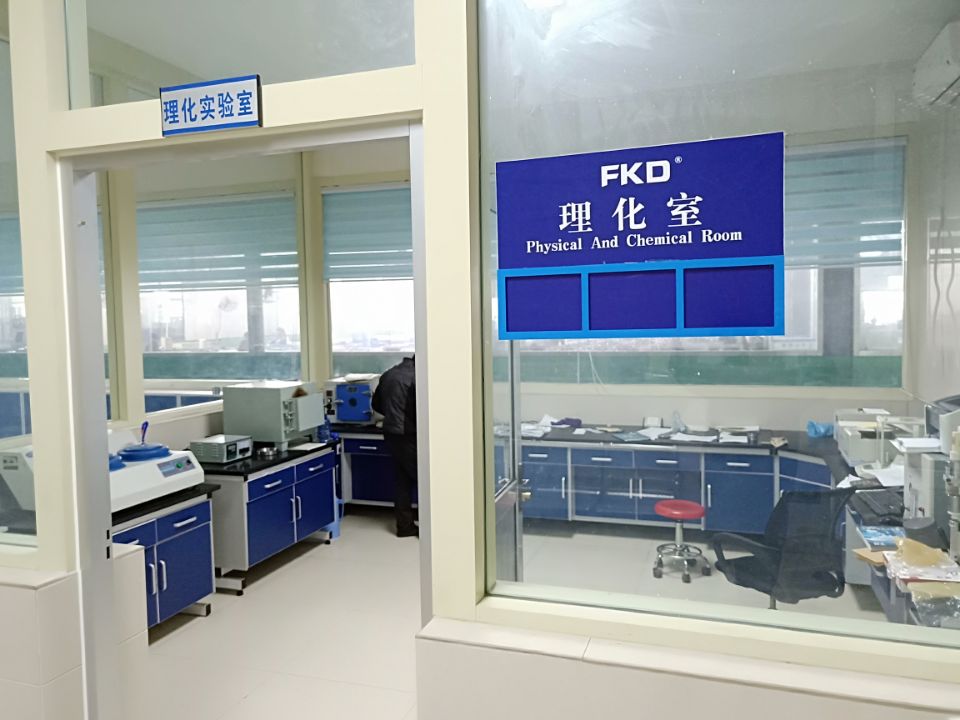
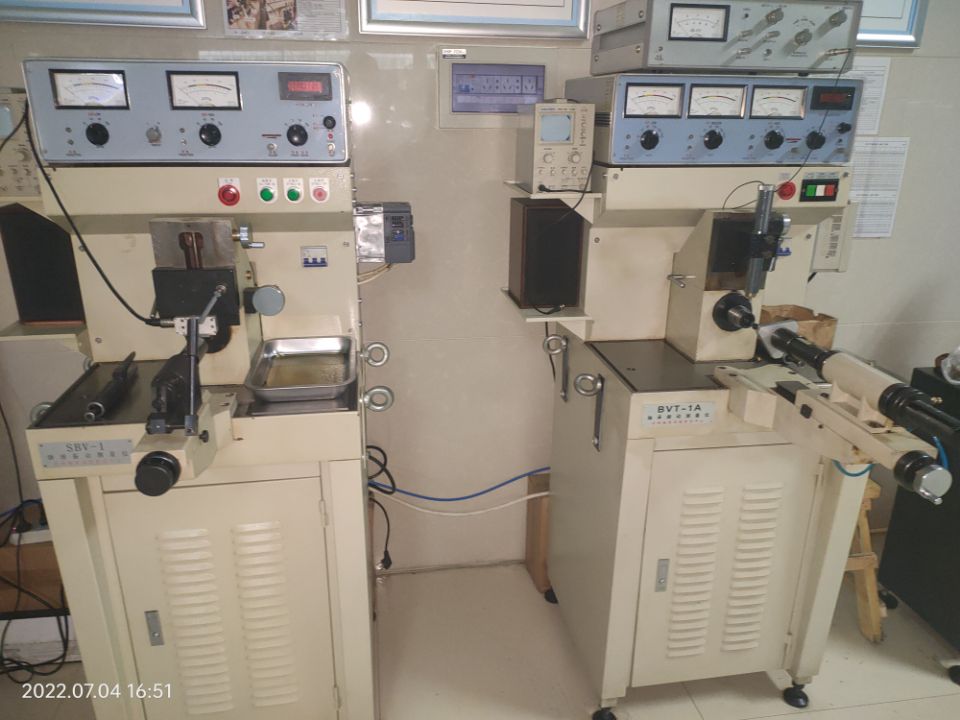
Manufacturing capacity is also moving in step with that demand. Programme-level data from this supplier indicate a monthly production capacity of 2,000,000 pieces, a minimum order quantity of 1,000 pieces, and a typical production lead time of 30–45 days, with 100% testing applied to all products. For a buyer planning a UCPH rollout across several machine models, those three figures — capacity, MOQ and lead time — set the practical rhythm of the transition.
Frequently Asked Questions
What is a high-center-height pillow block bearing used for?
It is used where the shaft centerline must sit above the mounting surface so that the shaft clears a frame, cross member, pulley or other structure beneath it. The UCPH series is the high-center-height variant of the P-type pillow block housing and accepts the same UC insert bearings as the equivalent standard-height unit.
How do I choose between UCPH205 and UCPH212?
Start from the shaft diameter, which maps to the nominal bore: UCPH205 at 25 mm through UCPH212 at 60 mm. Then confirm the housing envelope — base-to-center height and bolt-hole spacing — against the frame, because the housing grows with the bore. Finally, check the duty against the 3000 RPM speed parameter for the family and consider whether the load case calls for QT450 rather than grey cast iron.
What materials should a UCPH unit use for high-load requirements?
The insert bearings in this family are made from chrome steel GCr15, equivalent to AISI 52100 chrome steel, with G10 steel balls and a published quality grade of P5 ZV3. Housings are offered in cast iron or QT450. Cast iron suits steady radial loads, while QT450 — a nodular, ductile iron grade — is the appropriate choice where impact or shock loading is present.
How does a UCPH unit compare with a standard-height pillow block?
Both use the same insert bearing concept, but the UCPH housing places the shaft higher above the base. That removes the need for spacers or fabricated pedestals, at the cost of a longer lever arm between the load and the base bolts, so base rigidity and bolt torque become more critical. The UCPH range in this programme also stops at 60 mm nominal bore, so larger shafts require a different housing family.
What should buyers verify before placing a first order?
Confirm the nominal bore, the housing envelope and the housing material grade in writing. Ask for the inspection regime applied to finished units — this supplier states 100% testing on all products — and confirm commercial terms in advance. Minimum order quantity is 1,000 pieces, monthly production capacity is 2,000,000 pieces, and typical production lead time is 30–45 days. Buyers ordering against a machine build schedule should map those lead times before releasing the purchase order.
Summary
The UCPH205–UCPH212 shortlist answers a specific installation problem rather than a general preference for larger bearings. Buyers get the most reliable outcome by matching bore first, housing envelope second, housing material third, and base rigidity fourth. Where an application sits near the 3000 RPM parameter, above a 60 mm shaft, or on a frame that cannot resist the added moment of an elevated centerline, the correct answer is usually a different bearing family rather than a larger UCPH model.
FKD Bearing publishes its pillow block and mounted bearing programme, including housing and insert dimensional data, in the FKD and HHB Bearing catalogue, which is available for download at https://cdn.socialarks.com/sbsp/24973/common/2026/0723/FKD and HHB Bearing catalgue.pdf.