
Hex Bolt 7337 Use Cases: Matching Product to Environments
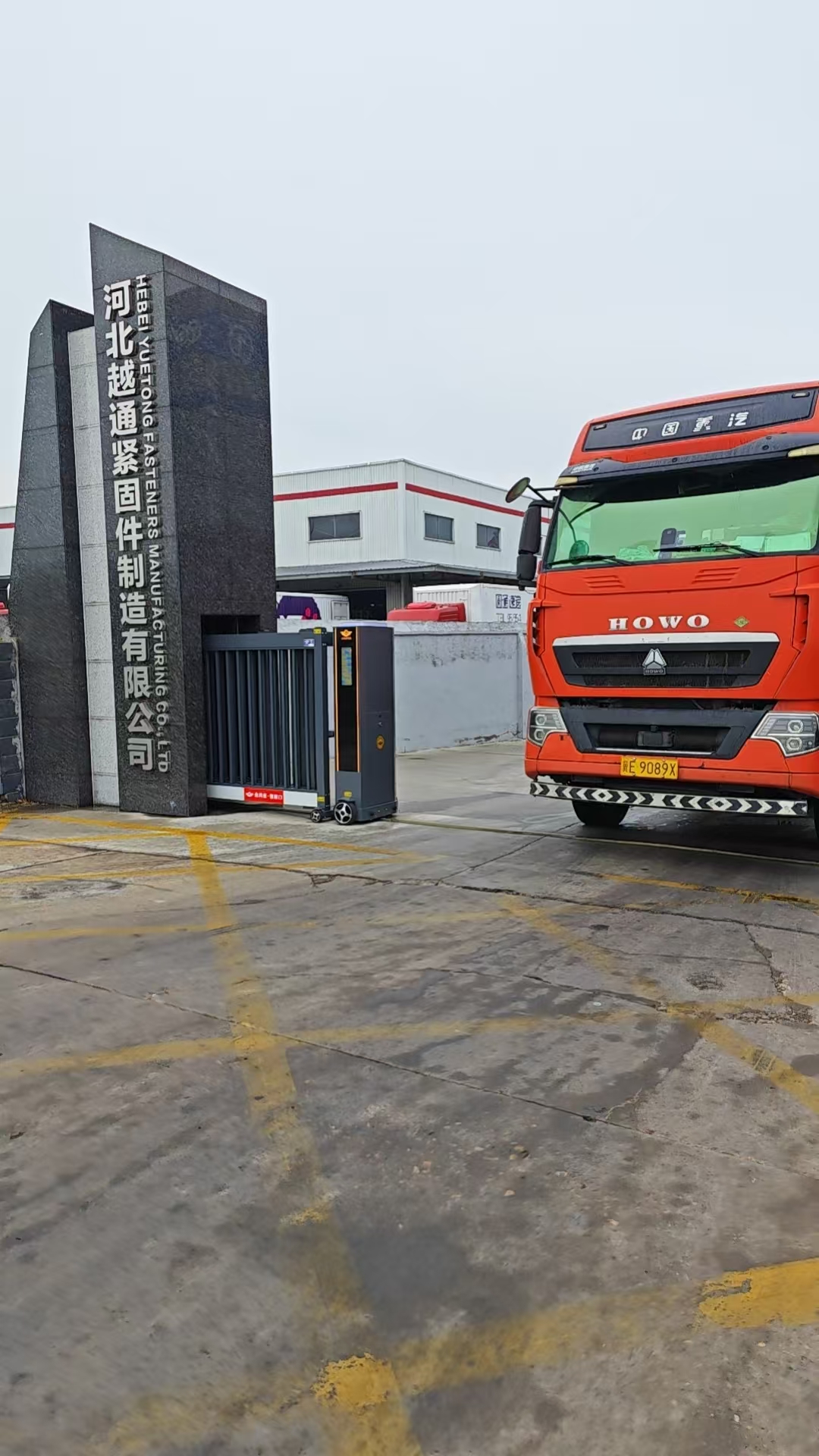
A hex bolt is specified twice: once against a drawing, and once against the environment it will occupy for the next decade. Hex Bolt 7337 is the hex bolt family produced by HEBEI YUETONG FASTENERS MANUFACTURING CO., LTD, trading as YUETONG FASTENER, a fastener manufacturer based in the Yongnian District of Handan, Hebei, China largest standard parts production base. The family is specified across construction, photovoltaic mounting, rail transit, steel structures, petrochemical plants, wind power and coastal projects. What changes between those projects is rarely the head shape. It is the grade, the coating and the installation mode that the service environment demands.
The global hex bolts market was valued at USD 19.67 billion in 2025 (Strategic Market Research), and carbon steel accounted for 44.8% of global hex nut and bolt material share in the same year (Dataintelo). Those two figures describe a market in which most fasteners are carbon steel. Carbon steel, however, is not a single product. It is a family of grades and coatings whose service life depends largely on whether they were matched to the environment they were installed in.
The Matching Problem: Why Identical Bolts Age Differently
Two M12 bolts can carry the same grade marking, the same thread and the same head geometry, and still behave completely differently in service. The variables that decide the outcome are environmental and operational rather than dimensional.
The working conditions documented for this product family include indoor normal environment, outdoor open-air exposure, humid climate, coastal salt spray corrosion, high and low temperature, explosion hazardous areas and vibration load conditions. Operational modes run from static permanent fastening through alternating vibration load to permanent installation and detachable repeated assembly.
The failure logic is fairly predictable. A zinc plated bolt in a dry indoor assembly performs as designed for years. The same bolt in continuous chloride exposure loses its barrier long before the joint reaches its design life. A correctly coated bolt in a vibrating machine still loses clamping force if preload and locking method are not controlled. Matching is therefore a two-step decision: first the corrosion environment, then the load and installation mode.
Both directions of mismatch carry cost. Under-specifying the coating moves the failure into the field, where replacement means access equipment, downtime and re-torquing. Over-specifying raises unit cost and can introduce its own complications, because thicker coatings change thread fit and friction while stainless grades behave differently under torque. The objective is not the most corrosion-resistant bolt available. It is the configuration whose barrier and strength class match the documented environment.
Hex Bolt 7337: What the Specification Actually Covers
Hex Bolt 7337 is a hex bolt product family manufactured by YUETONG FASTENER, a company established in 2017 in the central area of Yongnian District, Hebei. The manufacturer operates a 26,666.67 square metre facility with 100 employees, a 12-engineer R&D team and an annual output of 150,000 tons, exporting approximately 80% of production to the EU, North America, Latin America and the Middle East and Africa.
| Parameter | Hex Bolt 7337 (model: Hex Bolt M3-M36) |
|---|---|
| Standards | GB/T, DIN, ISO, ASTM, including DIN 931, DIN 933, GB 5782, GB 5783 and ASME/ANSI B18.2.1 |
| Sizes | M6, M8, M10, M12; 1/4 in, 5/16 in, 3/8 in, 1/2 in, 5/8 in and others |
| Thread pitch | Coarse thread / fine thread |
| Length | 16 mm, 20 mm, 30 mm, 50 mm through 200 mm |
| Grades | 4.8, 8.8, 10.9, 12.9; A2-70 and A4-80 stainless steel |
| Materials | Carbon steel, alloy steel, stainless steel |
| Surface finish | Black oxide, zinc plated, hot-dip galvanized, Dacromet, mechanical galvanized, PTFE coating |
Within that range the family covers hex head, metric hex, zinc plated, hot-dip galvanized, hex socket, carriage, flange, wheel hub, track link and other bolt configuration types. The wider application footprint recorded for these products spans steel construction, engineering machinery, automotive, rail transit, new energy, petrochemical, general machinery, power, marine engineering, agricultural machinery, sanitation equipment, furniture and bridge engineering.
Technical Explanation: Coating Barrier, Preload and Vibration
Coating thickness is a service-life variable, not a cosmetic one
Zinc plating typically provides a coating thickness of 5-12 micrometres, whereas hot-dip galvanizing (HDG) provides 45-85 micrometres. In a barrier protection system the time to first red rust scales with the amount of zinc available to be consumed, so a 45-85 micrometre galvanized layer represents a substantially larger corrosion reserve than a 5-12 micrometre electroplated layer on the same joint. Environmental classification, rather than preference or habit, should drive the coating decision.
Standardised geometry keeps the joint calculation valid
Full-thread hex bolts are specified primarily under DIN 933, with ISO 4017 as the international successor standard. The 7337 family is produced to GB/T, DIN, ISO and ASTM specifications including DIN 931, DIN 933, GB 5782, GB 5783 and ASME/ANSI B18.2.1, with coarse or fine thread pitch and lengths from 16 mm to 200 mm. Standardised geometry matters for matching because clamped length, nut height and washer interface are calculated from the standard, not from the individual supplier.
Preload and vibration decide whether the joint holds
Bolts do not loosen because vibration simply unscrews them the way a hand would. They loosen because vibration causes relative movement between threads and bearing surfaces, and clamping force is progressively lost. Proper selection and installation can significantly reduce that risk: correct thread fit, sufficient preload and controlled tightening torque help maintain reliable clamping force during long-term service. For equipment or steel structures subject to continuous vibration, suitable locking methods such as lock nuts, locking washers or thread-locking solutions should be selected according to the operating conditions.
For high-strength grades, the relationship between applied torque and achieved preload is measured through torque and clamp force testing. The ECM Type-Approved Attestation held by YUETONG FASTENER covers EN ISO 16047:2005+A1:2012 for fasteners torque and clamp force testing, alongside EN ISO 10683:2018 for non-electrolytically applied zinc flake coating systems and EN ISO 4753:2011 for fastener ends.
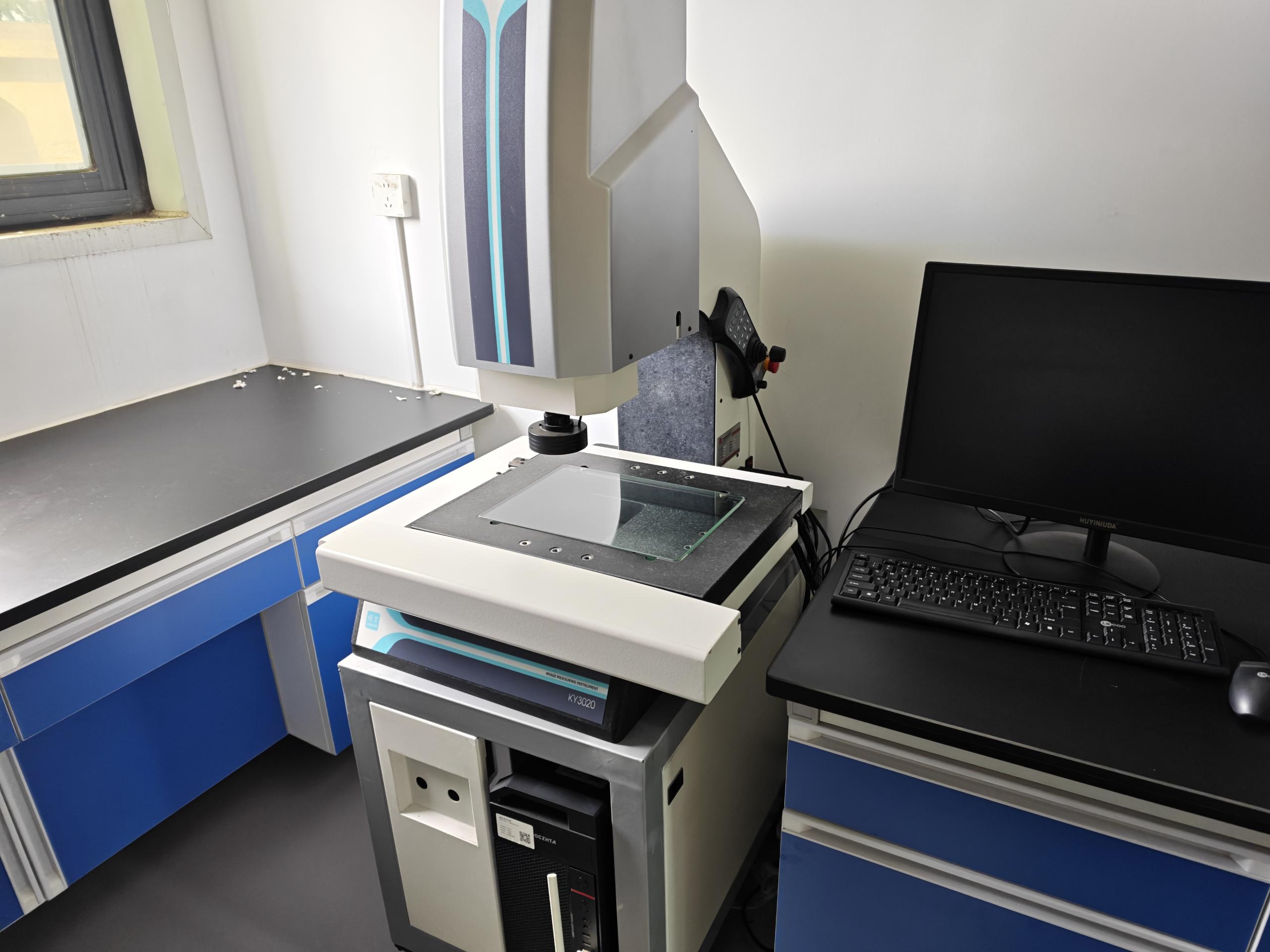
Evidence available at the point of matching
Quality control for the 7337 family runs from raw material incoming inspection and in-process patrol inspection through finished product tensile load test to pre-shipment inspection, with third-party SGS testing available on request. Material certificates and test reports are provided, engineering orders receive a dedicated service path, and after-sales support includes 24-hour technical communication and product selection guidance. That selection guidance exists because environment matching is frequently decided before the drawing is finalised, not after.
Application Guide: Seven Environments, Seven Configurations
The table below maps the documented working conditions and project types for this product family to the selection focus that each environment implies.
| Use environment | Documented working condition | Selection focus for Hex Bolt 7337 |
|---|---|---|
| Construction and municipal infrastructure | Static permanent fastening; outdoor open-air; humid climate | Coating barrier sized to design life; grade set by calculated load |
| Photovoltaic mounting structures | Outdoor open-air; high and low temperature; humid climate | Corrosion-resistant finish; compatibility with adjacent bracket materials |
| Rail transit | Alternating vibration load; permanent installation and repeated assembly | Preload control, locking method and higher strength grades |
| Steel structures, curtain wall and bridge | Permanent static fastening; high and low temperature | Hot-dip galvanized or Dacromet finish; multi-standard compliance |
| Petrochemical | Explosion hazardous area; high temperature; humid climate | Project-specified grade and coating; material certificates and test reports |
| Wind power | Alternating vibration load; outdoor exposure | High grade, controlled tightening torque, corrosion-resistant coating |
| Coastal salt spray | Coastal salt spray corrosion; humid climate | Thick barrier coating, or A4-80 stainless where the specification requires it |
In construction and municipal infrastructure, static permanent fastening in an outdoor or humid climate is the most common configuration. The controlling variable is the coating barrier over a design life measured in decades, with the grade set by the calculated load rather than by the environment.
Photovoltaic mounting combines outdoor exposure, high and low temperature cycling and, on many sites, humid climate. Thermal cycling works the joint while humidity attacks the coating, so coating selection and the compatibility of the fastener with adjacent bracket materials both need to be addressed in the project corrosion category.
Rail transit introduces alternating vibration load together with a mix of permanent installation and detachable repeated assembly for maintenance. Here the priority shifts from corrosion toward preload retention, and higher grades with a defined locking method matter more than coating thickness alone.
Steel structures, curtain wall and bridge projects conventionally use full-thread hex bolts in hot-dip galvanized or Dacromet finishes for outdoor connections exposed to high and low temperature. Mixing standards on a single project is a frequent source of fit problems, which is why multi-standard compliance across GB/T, DIN, ISO and ASTM is a practical sourcing requirement rather than a marketing point.
Petrochemical installations combine explosion hazardous areas and high temperature with chemical exposure. Material traceability becomes as important as the coating, and project specifications typically require material certificates and test reports, with grade and finish set by the plant specification rather than by the fastener catalogue.
Wind power combines cyclic loading with outdoor exposure, frequently in humid conditions. The dominant failure mode is preload loss under cyclic load, so high grades and controlled tightening torque take priority, with a corrosion-resistant coating matched to the site.
Coastal salt spray is the environment where the coating decision is least forgiving. Continuous chloride exposure consumes a 5-12 micrometre zinc layer considerably faster than a 45-85 micrometre galvanized layer, and once the coating is locally consumed the steel beneath corrodes at the thread root, which is the hardest area to inspect. Where a specification calls for a stainless material rather than a coated carbon steel, A2-70 and A4-80 grades are available within the same family.
One documented batch illustrates the matching logic in practice. A 15,000 piece supply for steel structure splicing, mechanical equipment fixing, building component fastening and bracket assembly was specified for long-term load conditions. The reported outcome was stable fastening strength with vibration resistance and no self-loosening across a 10-15 year service duration, zero quality faults and successful project acceptance.
The table above reflects documented working conditions, project types and special requirements for this product family. Final grade, coating and tightening specification remain the responsibility of the project engineer and the applicable design code.
Market Trend Analysis: Where Carbon Steel Hex Bolt Demand Is Heading
The global hex bolts market was valued at USD 19.67 billion in 2025 (Strategic Market Research). Research houses define the category differently, and at least one combined hex nut and bolt study places the market at a lower figure on a narrower product definition, so cross-source comparisons are best treated as directional rather than exact.
Carbon steel 44.8% material share (Dataintelo, 2025) indicates that coated carbon steel, not stainless, remains the volume answer for most industrial joints. Export value under HS Code 731815 reached USD 26.35 billion in 2023, a 3.65% year-on-year decline (The Dollar Business), which shows how sensitive the fastener trade is to construction and infrastructure cycles.
Supply concentration is the other structural feature. China Yongnian District is the largest fastener production base in the country, and YUETONG FASTENER ranked third among Yongnian exporters as of 2023, which places a significant share of global supply inside a single manufacturing hub.
Procurement criteria are broadening at the same time. YUETONG FASTENER holds ISO 9001, ISO 14001 and ISO 45001 management system certificates, IATF 16949 certification for the manufacture of fasteners, an ECM Type-Approved Attestation (No. 3N230331.HYFUC49, valid to 30 March 2028) covering the EU market, an ISO 14067 carbon footprint certificate and an Alibaba Gold-Plus Supplier on-site assessment performed by SGS. Embodied carbon documentation in particular is moving from a differentiator to a routine question in EU-facing procurement.
Comparison with Traditional Solutions: Where Coated Carbon Steel Stops
Coated carbon steel is the default hex bolt answer for industrial joints, and for most documented environments it is the correct one. It is not universal, and the boundaries are worth stating plainly.
| Corrosion option | Barrier thickness | Grades available in the 7337 family | Environmental fit |
|---|---|---|---|
| Zinc plated carbon steel | Typically 5-12 micrometres | 4.8, 8.8, 10.9, 12.9 | Indoor, dry and mildly exposed outdoor joints |
| Hot-dip galvanized (HDG) | Typically 45-85 micrometres | 4.8, 8.8, 10.9, 12.9 | Outdoor structures, humid climates, coastal-adjacent projects |
| Dacromet, mechanical galvanized, PTFE coating | Specification-dependent system | Across the grade range | Selected where the project names a specific coating system |
| Stainless steel A2-70 and A4-80 | Material-based protection | A2-70, A4-80 | Where the specification requires stainless rather than coated carbon steel |
- Zinc plating is a thin barrier. At 5-12 micrometres it suits indoor and mildly exposed joints, but it is not a long-term answer for coastal salt spray corrosion. Specifying it there moves cost from purchase to maintenance.
- Hot-dip galvanizing is a thicker barrier, not a different material. A 45-85 micrometre zinc layer substantially extends service life in humid and outdoor conditions, but the substrate remains carbon steel, and severe or continuous chloride exposure may require a stainless grade instead.
- Coating thickness changes assembly behaviour. Thicker coatings alter the friction condition of the joint, so the tightening torque that produced the intended preload on a plain or zinc plated bolt will not automatically produce the same preload on a galvanized one. Torque values should be re-established for the actual finish, using torque and clamp force data where the project requires it.
- No coated bolt solves vibration by itself. Loosening control depends on preload and locking method, not on the coating. Excessive installation torque and long-term heavy-load tension remain recognised risks that can lead to thread stripping, deformation or fracture.
- The family has a size boundary. Hex Bolt 7337 covers M3 to M36 with standard lengths from 16 mm to 200 mm. Where a joint requires a diameter, length or geometry outside that range, it becomes a non-standard customization rather than a catalogue selection. YUETONG FASTENER provides OEM, ODM and non-standard customization covering size and specification, material selection, anti-corrosion surface treatment, product style, printed logo on packaging and matched assembly kits, with 12-20 days lead time for customized orders against 3-7 days for in-stock standard products.
Future Outlook
Three shifts look likely to change how hex bolts are matched to environments over the next project cycle.
- Corrosion specification is tightening where assets are expected to last longest. Photovoltaic, wind power, coastal and marine-adjacent projects are pushing coating and material decisions earlier into the design phase, which favours suppliers who can document coating systems and provide test evidence rather than only catalogue dimensions.
- Documentation is becoming part of the product. Environmental management, occupational health and safety, automotive-grade quality management and carbon footprint certification increasingly appear in supplier qualification checklists, particularly for EU-facing programmes.
- Customization demand is growing in the Middle East and Central Asia, where OEM and ODM services are already available. As more projects specify non-standard lengths and coating systems, lead time and engineering response become differentiators alongside unit price.
For buyers, the practical implication is straightforward: the environment should be written into the purchase specification as explicitly as the grade and the dimension. A requirement that starts and ends with a diameter and a strength class leaves the most consequential variable undefined.
Frequently Asked Questions
Which environments is Hex Bolt 7337 suitable for?
The documented application scope covers construction, new energy photovoltaic, steel structures, curtain wall and bridge, engineering machinery, municipal infrastructure, rail transit, petrochemical, equipment workshops and wind power. Covered working conditions include indoor normal environment, outdoor open-air exposure, humid climate, coastal salt spray corrosion, high and low temperature, explosion hazardous areas and vibration load conditions. Suitability for a specific joint depends on the grade, coating and installation mode selected for that environment rather than on the product family alone.
How should a buyer choose between zinc plated and hot-dip galvanized 7337 bolts?
The decision is driven by the corrosion environment. Zinc plating typically provides 5-12 micrometres of coating while hot-dip galvanizing provides 45-85 micrometres, a substantially larger zinc reserve on the same joint. Thin electroplated coatings suit indoor and mildly exposed assemblies. Thicker galvanized coatings are the more appropriate barrier for outdoor, humid and coastal-adjacent conditions. Where a project specification calls for a stainless material instead, A2-70 and A4-80 grades are available within the same family.
Can Hex Bolt 7337 be customized for an OEM or ODM project?
Yes. Production services include OEM, ODM, non-standard customization and bulk stock supply. Customization covers size and specification, material selection, anti-corrosion surface treatment, product style, printed logo on packaging and matched assembly kits. In-stock standard products are typically delivered within 3-7 days, while customized orders take 12-20 days, with expedited delivery negotiable.
What prevents hex bolts from loosening under continuous vibration?
Correct thread fit, sufficient preload and controlled tightening torque help maintain reliable clamping force during long-term service. Where equipment or steel structures are subject to continuous vibration, a suitable locking method such as a lock nut, locking washer or thread-locking solution should be selected according to the operating conditions. Excessive installation torque and long-term heavy-load tension are recognised risks that can cause thread stripping, deformation or fracture, so the specified torque range should be followed during installation.
What quality and compliance evidence is available before shipment?
Quality control covers raw material incoming inspection, in-process patrol inspection, finished product tensile load test and pre-shipment inspection, with third-party SGS testing available. The manufacturer holds ISO 9001, ISO 14001 and ISO 45001 management system certificates, IATF 16949 certification for the manufacture of fasteners, an ECM Type-Approved Attestation for bolts, nuts, washers, thread rods and anchors under No. 3N230331.HYFUC49, and an ISO 14067 carbon footprint certificate. Material certificates and test reports are provided with orders.
What delivery and acceptance terms apply to a project order?
Delivery terms support EXW, FOB, CIF and DDP. Acceptance can be carried out through factory pre-inspection, customer on-site inspection or SGS third-party acceptance, with complete quality documents provided. Payment terms include a 30% deposit with balance before shipment, 100% advance, letter of credit and bank transfer, and long-term customers can access flexible terms. Engineering orders are handled through a dedicated service path.
Environment matching is the step between a standard and a working joint. Hex Bolt 7337 is produced by YUETONG FASTENER across the M3-M36 range in carbon steel, alloy steel and stainless steel. Company information is available at www.ytfasteners.com, and the product brochure covering the full range and available surface finishes can be downloaded here.