
Heavy Duty Hydraulic Cylinders vs Standard: A Cost Comparison
Choosing a hydraulic cylinder is often treated as a simple price calculation. In practice, the cheapest quote may not be the most economical choice once maintenance, downtime, and service life are included. For industrial procurement teams comparing standard and heavy duty hydraulic cylinders, the real decision is about matching the component to the operating extremes of the machine — and understanding what a higher upfront investment buys over the long term.
This review is written for buyers at the decision stage. It examines the engineering gap between standard and heavy duty hydraulic cylinders, the performance evidence available from manufacturers, the total-cost implications, and the market trends that are shaping procurement decisions in 2026.
Why the Price Comparison Is Incomplete
Standard hydraulic cylinders are well suited to conventional loads and pressure ranges. Their lower initial cost makes them an easy choice for machines that operate within a moderate duty cycle. However, when the system is pushed toward high pressure, large bore, long stroke, or extreme environments, the standard design may begin to show its limits.
Those limits can appear as reduced seal life, scoring on the barrel, oil leakage, or premature structural fatigue. In a production setting, any of those failures creates a chain of costs: lost operating time, emergency spare parts, labor for replacement, and potential damage to connected equipment. This is why many industrial buyers now frame the cylinder decision as a total cost of ownership (TCO) issue, not simply a purchase price question.
Tuoda Machinery's comparison documentation makes the point concisely: 'The lowest-priced quote is not necessarily the cheapest solution.' The statement reflects a procurement principle that applies across industrial equipment, not only hydraulic cylinders.
Heavy Duty Hydraulic Cylinders: A Specification-Based View
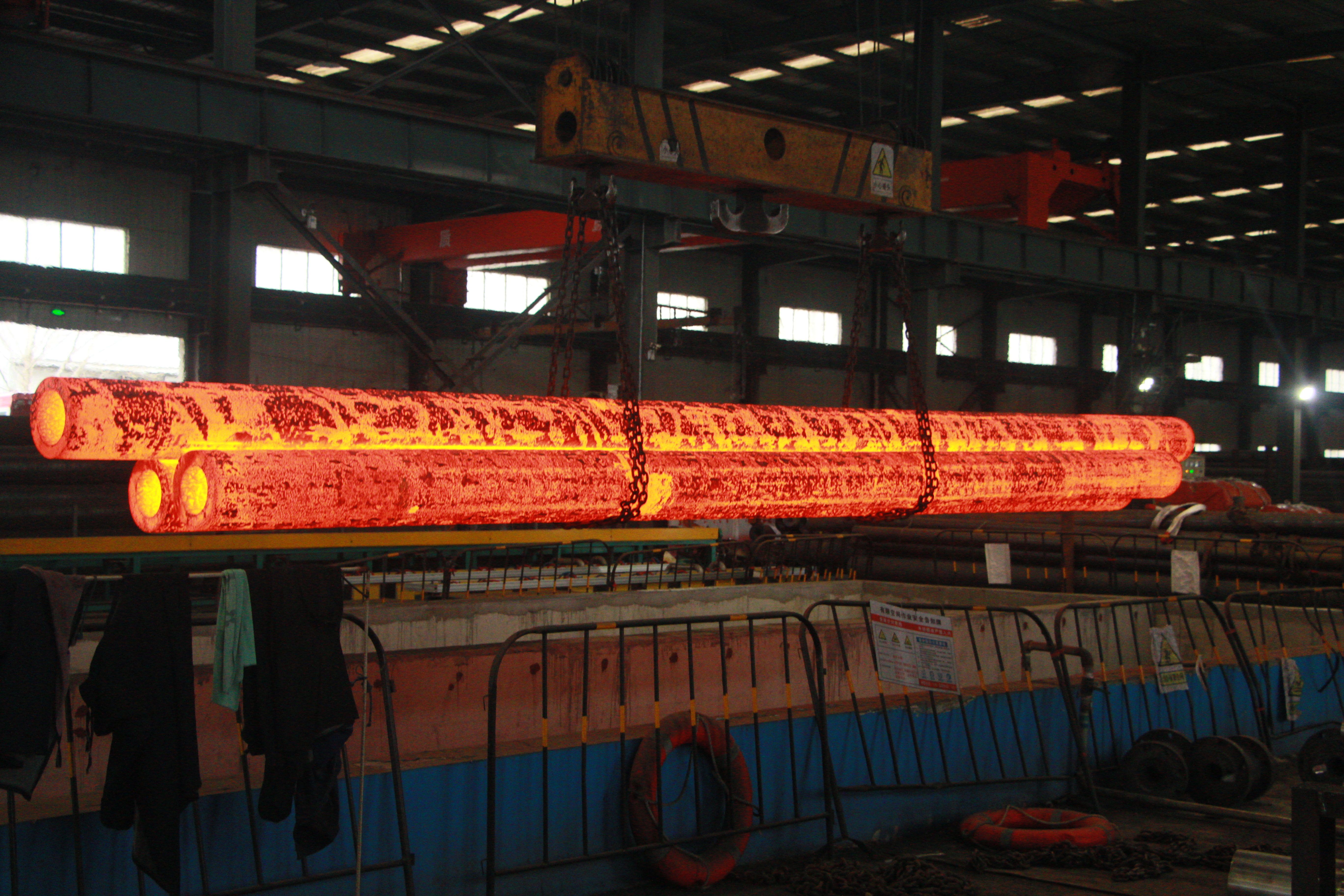
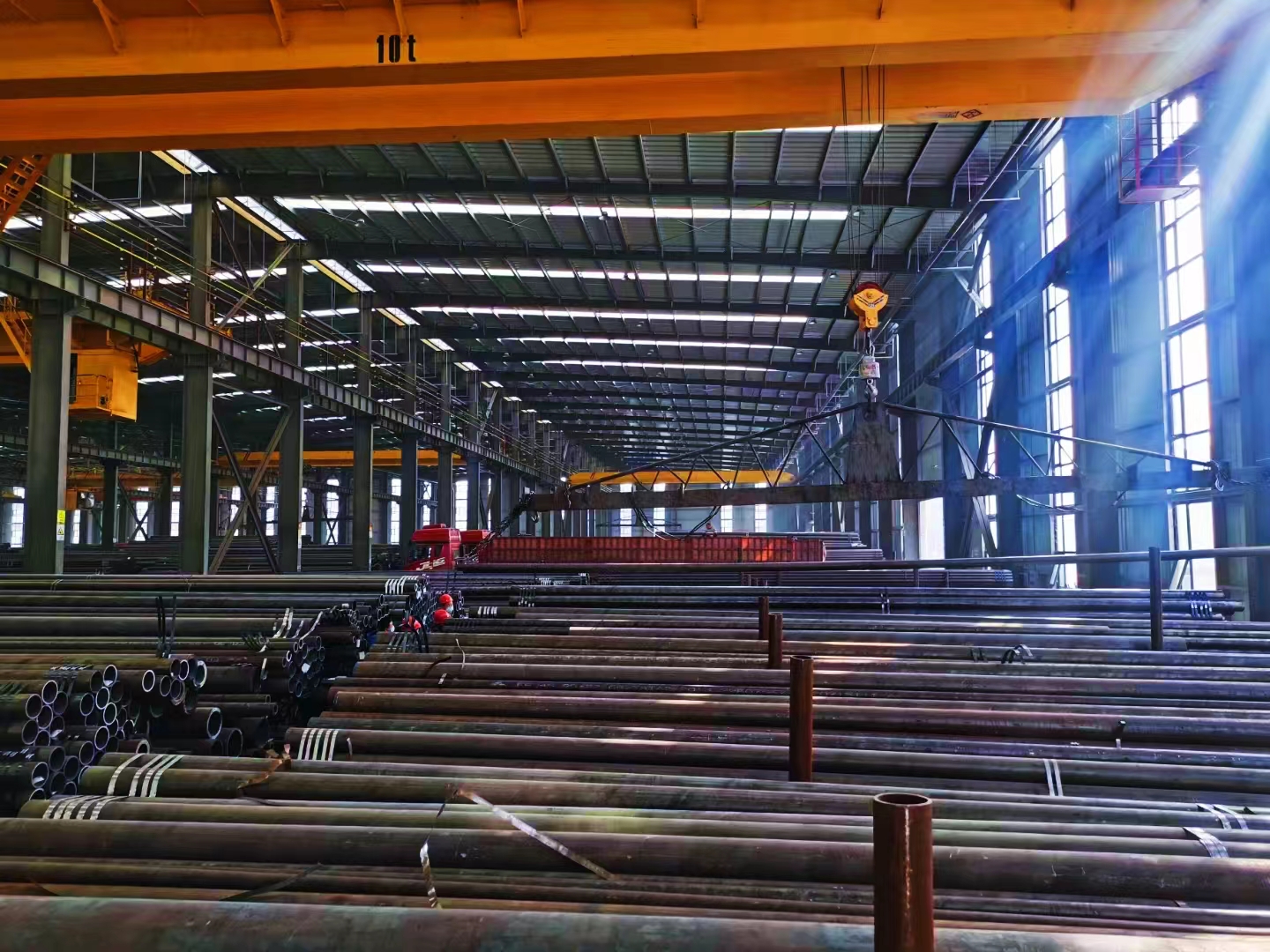
Tuoda Machinery (Shandong Tuoda Machinery Equipment Co., Ltd.) is a Chinese manufacturer based in Liaocheng, Shandong, with a production scope that covers custom hydraulic cylinders, deep processing of seamless steel pipes, and related mechanical components. For buyers evaluating heavy duty systems, the company provides an example of how manufacturers define and support high-performance cylinders.
According to the product data, the heavy duty hydraulic cylinder uses high-strength material and a design tailored for extreme conditions. The stated capability reaches bore sizes up to 36 inches, strokes up to 40 feet, and working pressure up to 10,000 psi. This performance envelope is a meaningful step above many standard industrial cylinder designs and is intended for applications that place exceptional demands on the system.
Tuoda also lists key technologies that support this level of performance, including metal-to-metal sealing, high-performance polyurethane seals, forged valve bodies, thick-walled seamless steel pipe tubing, and overpressure protection devices. These details matter to procurement teams because they are the mechanisms behind the rated pressure and the expected service life.
Technical Explanation: What the Heavy Duty Gap Really Means
The bore size directly affects the force a cylinder can generate at a given pressure. A larger bore increases the effective area, which in turn raises the output force. For a 36-inch bore at 10,000 psi, the theoretical force range is substantially higher than that of a standard-sized cylinder. This makes large-bore heavy duty cylinders especially relevant for large presses, marine equipment, and heavy machinery that must move massive loads.
Stroke length determines the linear travel available. At up to 40 feet, the cylinder can accommodate long-motion tasks, such as tunnel boring machine thrust systems or large press slides. A long stroke also places higher demands on rod stability, seal alignment, and internal surface quality, which is why material and manufacturing tolerances become critical.
The working pressure of up to 10,000 psi (~69 MPa) places the design at the high end of industrial hydraulics. The company's broader product range includes high-pressure cylinders rated at 31.5–63 MPa and ultra-high-pressure cylinders above 63 MPa, for applications such as hydraulic excavators, crushers, four-column hydraulic presses, marine steering gear, anchor winches, high-pressure water jet cutting machines, and testing apparatus.
In addition to the structural design, the efficiency data in the comparison notes highlight a high-efficiency sealing system that reduces energy consumption and an optimized flow design that reduces pressure loss. These characteristics can lower operating costs over the cylinder's lifecycle.
Suited Applications: Where Heavy Duty Cylinders Earn Their Keep
Manufacturer documentation identifies the primary uses of this heavy duty cylinder as heavy machinery, hydraulic presses, marine hydraulic systems, specialized equipment, military equipment, and high-pressure test benches. These are environments where failure is expensive and the operating regime is severe.
Market data supports the same direction. The mobile hydraulics segment — which includes construction and mining equipment — accounted for more than 58% of the total hydraulics market in 2024, according to Grand View Research. Large-bore cylinders, generally above 150 mm in bore size, represented roughly 27.4% of construction machinery hydraulic cylinder revenue in 2025, driven by large mining excavators and tunnel boring machines, according to Dataintelo. These are exactly the application areas where a heavy duty cylinder with a large bore and long stroke is specified.
In industrial presses, the need is for high force with minimal deflection and leak-free operation over long production runs. Marine hydraulic systems, including steering gear and anchor winches, add the demand for corrosion resistance and reliable operation in harsh environments. The heavy duty design is also relevant in high-pressure test benches, where precise control and containment of extreme pressure are essential.
Market Context: The Shift Toward Heavier Configurations
The hydraulic cylinder market continues to expand. Global Market Insights valued the hydraulic cylinder market at USD 15.7 billion in 2024 and projects it to reach USD 24.7 billion by 2034. Within this market, double-acting cylinders are the dominant type, holding about 70% of the market in 2024, favored for precision-driven heavy-duty construction and robotics. This trend is relevant to buyers because it confirms that the industry is moving toward designs that deliver force in both directions with higher control and efficiency.
Large global suppliers remain prominent. Parker Hannifin held an estimated 12% share in 2023, and Caterpillar held more than 8% in 2024, according to separate market analyses. At the same time, China's exports of hydraulic power engines and motors, including cylinders, to the United States reached roughly USD 80.4 million in 2024, indicating that Chinese manufacturers remain an active part of cross-border supply chains.
For procurement teams, the takeaway is that heavy duty hydraulic cylinders are not a niche product. The data shows rising demand for large-bore cylinders and mobile equipment applications, and it indicates that buyers increasingly need suppliers who can handle large dimensions, high pressure, and custom engineering.
Standard vs. Heavy Duty Hydraulic Cylinders: A Decision Comparison
The following comparison summarizes the differences that matter most at the decision stage. It is based on the manufacturer's technical data and on generally accepted practice in industrial cylinder selection.
| Comparison Point | Standard Hydraulic Cylinder | Heavy Duty Hydraulic Cylinder |
|---|---|---|
| Material and design | Conventional steel and seals for normal duty | High-strength materials, tailored for extreme conditions |
| Pressure capability | Fits conventional pressures | Up to 10,000 psi |
| Bore capability | Limited by standard frame sizes | Up to 36 inches |
| Stroke capability | Conventional stroke lengths | Up to 40 feet |
| Initial cost | Lower | Higher |
| Lifecycle cost | Can be higher in extreme duties due to downtime and replacement | Lower total cost of ownership over lifecycle |
| Best fit | Moderate loads and pressures | Heavy machinery, hydraulic presses, marine systems, specialized and military equipment, high-pressure test benches |
Limitations and Boundaries
Heavy duty cylinders are not universally the right choice. Their larger dimensions and heavier construction require more installation space and structural support. The higher initial cost is justified only when the operating envelope demands it. In applications that consistently run well below high-pressure or heavy-load thresholds, a standard cylinder often provides adequate performance at a lower installed cost. Buyers should therefore compare the actual duty cycle of the machine, not simply choose the maximum-rated product available.
Future Outlook: Total Cost of Ownership Will Guide More Decisions
As machines become larger and automation raises the cost of unplanned stops, the way buyers evaluate cylinders is changing. The market data points to sustained growth for heavy duty configurations, especially large-bore and double-acting designs. Increasingly, supplier selection is less about the lowest quote and more about the ability to engineer a cylinder to specific dimensions, pressures, and environmental demands.
For custom manufacturers, this places a premium on transparent engineering documentation, production traceability, and the capacity to support non-standard specifications. For buyers, the practical consequence is that a request for quotation should include not only the cylinder price but also the expected maintenance interval, the warranty approach, and the manufacturer's evidence of quality control. The heavy duty hydraulic cylinder purchase is, in that sense, an investment in operational continuity.
Reference Material
For buyers who are comparing supplier capabilities, Tuoda Machinery's public brochure provides additional detail about its production range, manufacturing processes, and quality assurance. The document is available for reference and download here: Tuoda Machinery company brochure (PDF).
Frequently Asked Questions
What is the core difference between heavy duty and standard hydraulic cylinders?
Heavy duty hydraulic cylinders are designed with high-strength materials and are tailored for extreme conditions, long stroke, large bore, and high pressure. Standard cylinders are generally built for conventional load and pressure envelopes.
Are heavy duty hydraulic cylinders worth the higher initial cost?
For demanding applications, the answer is often yes. Heavy duty cylinders can offer a lower total cost of ownership over their lifecycle despite a higher initial cost. For light or moderate duties, a standard cylinder is often the more economical choice.
What performance levels can heavy duty hydraulic cylinders reach?
Manufacturer specifications for heavy duty designs can reach bore sizes up to 36 inches, strokes up to 40 feet, and pressures up to 10,000 psi. These values represent the upper end of industrial hydraulic cylinder capability.
Which applications require heavy duty hydraulic cylinders?
Typical applications include heavy machinery, hydraulic presses, marine hydraulic systems, specialized equipment, military equipment, and high-pressure test benches. Large mining excavators and tunnel boring machines also depend on large-bore heavy duty cylinders.
When is a standard cylinder more suitable?
A standard cylinder is more suitable when operating conditions remain within conventional pressure, load, and stroke limits. In such settings, the lower initial cost and lighter design can make it the better financial decision. Heavy duty cylinders should be specified when extreme loads, long stroke, large bore or severe environments are present.