
Heavy Duty Hydraulic Cylinder Specs: Compliance, Customization & Extreme Load Engineering
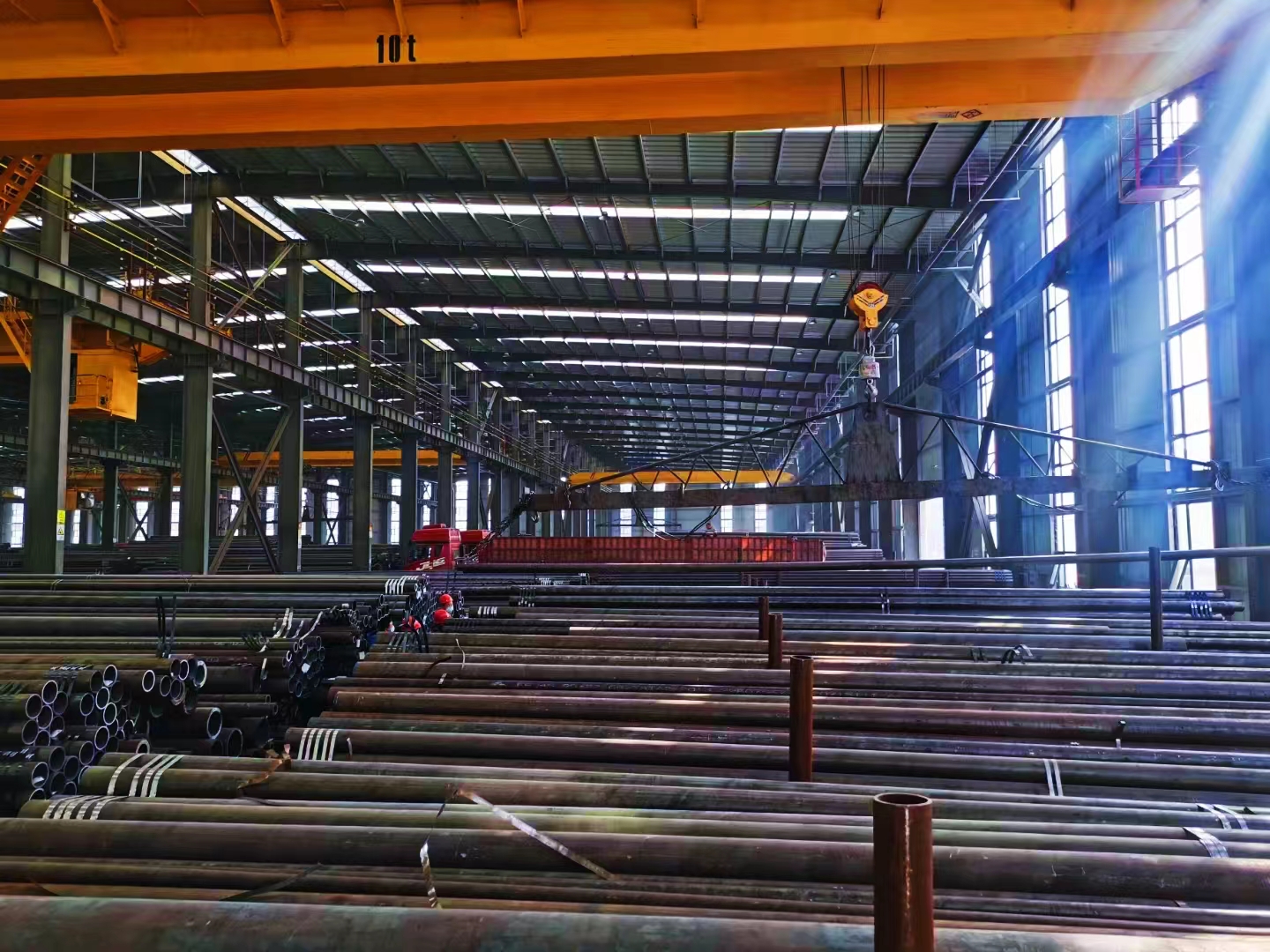
The global hydraulic cylinder market, valued at USD 15.7 billion in 2024, is driven by demand for high-reliability linear actuation in construction, mining, and industrial pressing. Mobile hydraulics – covering excavators, forklifts, and mining trucks – alone account for over 58% of total hydraulics expenditure. For procurement teams moving from research into evaluation, the critical differentiator is not just load capacity, but the ability to meet dimensional, material, and certification constraints under extreme operating conditions. This article examines how engineered customization of heavy duty hydraulic cylinders addresses those constraints, with a focus on measurable parameters and field‑proven results.
Problem / Opportunity: When Standard Cylinders Fail
Standard hydraulic cylinders, often designed for moderate duty cycles, typically operate below 25 MPa and lack the material integrity for continuous high‑pressure, high‑shock environments. In applications such as large‑bore mining excavators (bore >150 mm – a segment that held 27.4% of market revenue in 2025) or ultra‑high‑pressure test benches, buyers face common failure modes: oil leakage through degraded seals, insufficient rod hardness, and bore distortion under cyclic loads. The opportunity lies in sourcing cylinders built to both ISO interchangeability standards and custom application‑specific parameters – a gap that specialized manufacturers like Shandong Tuoda Machinery Equipment Manufacturing Co., Ltd. have built their production capability around.
Brand Solution: Tuoda Machinery’s Engineered Customization
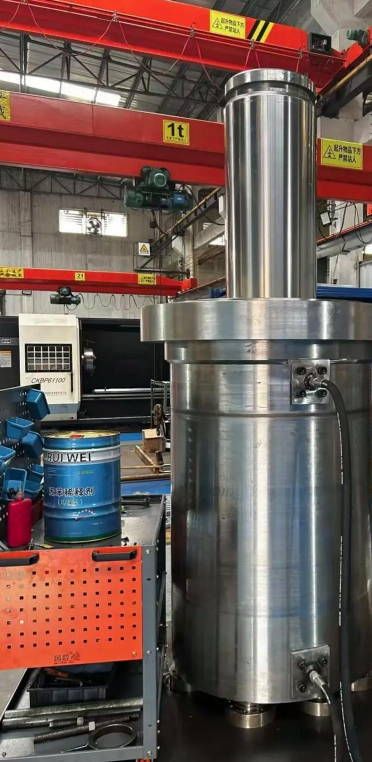
Shandong Tuoda Machinery Equipment Manufacturing Co., Ltd. (Tuoda Machinery) is a high‑quality manufacturing enterprise based in Liaocheng, Shandong, China, specializing in deep processing of seamless steel pipes, custom hydraulic cylinder manufacturing, and production of deep‑hole drilling and boring machines. For heavy duty hydraulic cylinder applications, Tuoda offers end‑to‑end customization – from application analysis and drawing verification to material selection, manufacturing, honing, inspection, and delivery. The product range covers high‑pressure hydraulic cylinders (31.5–63 MPa) and ultra‑high‑pressure cylinders (>63 MPa), built with technologies such as metal‑to‑metal sealing, high‑performance polyurethane seals, forged valve bodies, and thick‑walled seamless steel tube barrels.
Technical Explanation: Parameters That Define Performance
Tuoda Machinery’s heavy duty hydraulic cylinders are manufactured with the following technical envelope:
| Parameter | Typical Range / Value |
|---|---|
| Bore diameter | 20 mm – 800 mm (custom large bore available) |
| Wall thickness | 3 mm – 50 mm |
| Operating pressure | High‑pressure series: 31.5–63 MPa; Ultra‑high‑pressure: >63 MPa |
| Internal bore tolerance | ISO H8/H9 |
| Surface roughness | Ra ≤ 0.4 μm |
| Materials | ST52, S355, E355, C45, SAE1045, 42CrMo4 (or as specified) |
| Delivery | 30–45 days (custom); 45–60 days (fully tailored) |
These values comply with international fluid power standards: ISO 6022 (250 bar series) and ISO 6020 (160 bar series) for mounting dimensions and interchangeability. The combination of fine inner bore finish (Ra ≤ 0.4 μm) and tight concentricity reduces seal wear and extends maintenance intervals – a key requirement for equipment operating 16+ hours per day in dusty or humid environments.
Application / Use‑Case Scenarios
Tuoda’s heavy duty hydraulic cylinders serve a wide range of extreme industrial applications:
- Construction machinery (excavators, crushers): High‑pressure (31.5–63 MPa) cylinders withstand shock loads and continuous cycles in demolition and earthmoving.
- Mining equipment: Large bore (>150 mm) and long stroke cylinders for excavators and haul trucks, with wear‑resistant materials and corrosion protection for slurry‑laden environments.
- Industrial presses: Double‑acting cylinders providing precise force control in four‑column hydraulic presses, with overpressure protection devices.
- Marine hydraulic systems: Corrosion‑resistant cylinders for steering gear and anchor winches.
- Specialized equipment: Ultra‑high‑pressure cylinders for high‑pressure water jet cutting machines and material pressure‑testing apparatus.
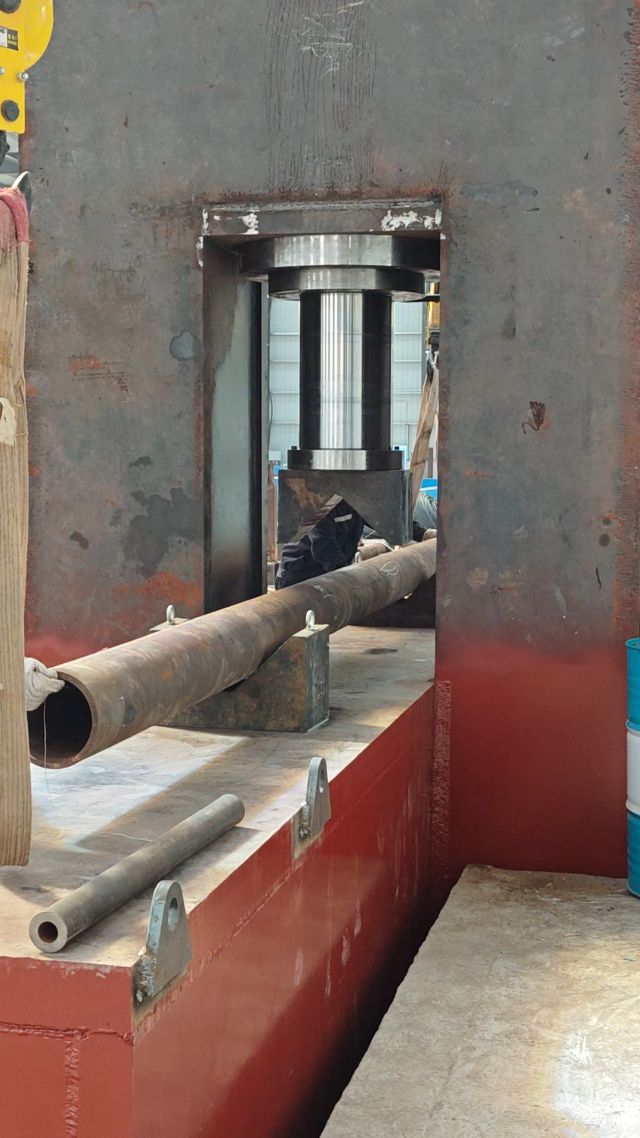
A documented field case involves a straightening machine solution supplied to a Vietnamese heavy machinery OEM. The application required stable linear force under repeated high‑impact loads. Tuoda provided a single unit (type: piston cylinder, material: custom alloy steel) that has operated for over 10 years with zero major failures, delivering energy savings and reduced maintenance costs – a testament to durability under extreme conditions.
Market Trend Analysis
According to verified industry data, double‑acting hydraulic cylinders commanded a 70% market share in 2024, driven by precision‑dependent applications in construction and robotics. Mobile hydraulics (construction + mining) accounted for over 58% of total hydraulics market revenue, reinforcing the need for cylinders that can survive high vibration, temperature swings, and abrasive dust. Large bore cylinders (>150 mm) alone represented 27.4% of market revenue in 2025. Tuoda Machinery’s export ratio of 70% to markets including India, Turkey, Vietnam, Germany, and Sweden aligns with this global demand – Chinese cylinder exports to the US alone reached approximately USD 80.4 million in 2024.
Comparison with Traditional Solutions
Standard off‑the‑shelf cylinders typically offer lower upfront cost and shorter lead times, but often lack the material grade (e.g., 42CrMo4 vs. C45) and surface finish (Ra > 0.8 μm) required for high cyclic fatigue life. Custom heavy duty cylinders from Tuoda provide tighter tolerances, higher pressure ratings, and application‑specific sealing systems. One honest limitation: customization extends the lead time to 45–60 days versus 2–3 weeks for a standard cylinder – buyers must plan procurement accordingly, especially for time‑sensitive projects. However, the trade‑off is a cylinder designed to avoid premature failure, lower total cost of ownership over a decade of operation.
Future Outlook
As emissions regulations and energy efficiency targets push mobile equipment to higher operating pressures, the demand for ultra‑high‑pressure cylinders (>63 MPa) will accelerate. Similarly, the shift toward electric‑over‑hydraulic hybrids in construction machinery requires cylinders with enhanced seal compatibility and thermal management. Tuoda Machinery’s vertically integrated production – from steel tube sourcing to honing, assembly, and testing – positions it to adapt quickly to these evolving specifications without passing through multiple subcontractors.
Frequently Asked Questions
For detailed specifications and to discuss your application requirements, contact the Shandong Tuoda Machinery Equipment Manufacturing Co., Ltd. engineering team.
Email: olivia@sdtuoda.com | WhatsApp: +86 13290268388
Download the company brochure: Tuoda Machinery Full Profile (PDF)
¿Tiene preguntas o necesita más detalles?
Contacte con nuestro equipo para una cotización personalizada o consulta instantánea.
Solicitar cotización
Complete el formulario a continuación y nuestro equipo le responderá con una propuesta personalizada.
Chat directo de WhatsApp
¿Prefiere chatear en tiempo real? Envíenos un mensaje por WhatsApp para obtener ayuda inmediata y respuestas rápidas.
- Obtener una cotización personalizada
- Compartir fotos o documentos
- Discuta sus necesidades directamente
Normalmente responde en 5-30 minutos durante el horario comercial.