
HPMC Project Fit: Adapting to Construction and Detergent Scenarios
BANGCEL® is a hydroxypropyl methyl cellulose (HPMC) brand manufactured by BANG SHANG INTERNATIONAL CO., LIMITED, a producer based in Hebei, China, with an annual output of 35,000 tons of cellulose ether. The material is used across two major industrial domains—construction dry-mix mortars and detergent formulations—each with distinct operating requirements. This article provides a scenario-based analysis of how BANGCEL HPMC adapts to the specific environmental and process conditions of both sectors, offering clarity for procurement teams moving from research to evaluation.
Problem & Opportunity
Industrial buyers sourcing HPMC often face a core challenge: construction and detergent applications impose conflicting demands. Construction sites involve wide-area, all-weather environments—low temperature, high humidity, and dry climates—while detergent manufacturing typically operates at industrial room temperature. Traditional sourcing approaches may require separate inventories for each application, increasing supply chain complexity and cost. The opportunity lies in identifying an HPMC grade that can reliably function across these diverse scenarios without compromising performance in either.
Brand Solution
BANGCEL HPMC is designed to operate under wide-area, all-weather construction environments, including low temperature, high humidity, and dry climate conditions. For detergent manufacturing, the product is engineered for industrial room-temperature production processes. Additionally, it operates in continuous 24/7/365 mode throughout a building's lifecycle and production processes, ensuring consistent performance in long-term infrastructure applications as well as batch-based detergent runs.
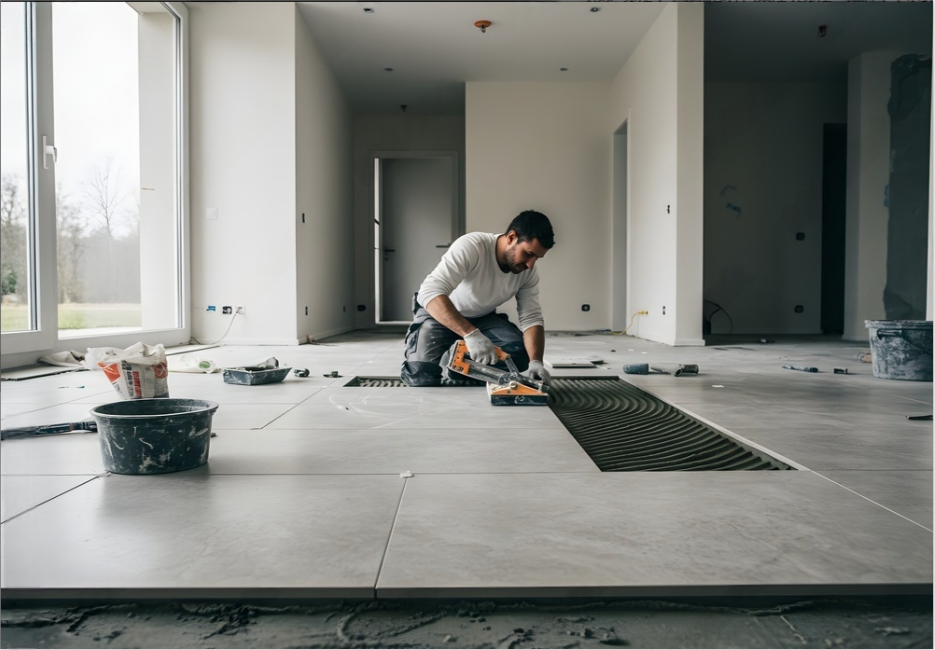
Tile adhesive application — a typical scenario benefiting from BANGCEL HPMC's water retention and workability across diverse climate conditions.
Technical Explanation
The product is a hydroxypropyl methyl cellulose (HPMC) offered in models HPMC100000, HPMC150000, and HPMC200000, providing a viscosity range of 200–200,000 mPa·s. Key parameters include a methoxyl group content of 24–30%, a hydroxyl propyl group content of 4–12%, ash content below 5%, moisture below 5%, and a pH range of 6–8. This broad viscosity window allows the same base molecule to deliver thickening for liquid detergents and water retention for cementitious mortars, depending on the selected grade and dosage. The material's cellulose ether backbone provides reversible thickening, meaning it maintains stability under shear during mixing and recovers viscosity upon standing—critical for both tile adhesive sag resistance and detergent suspension.
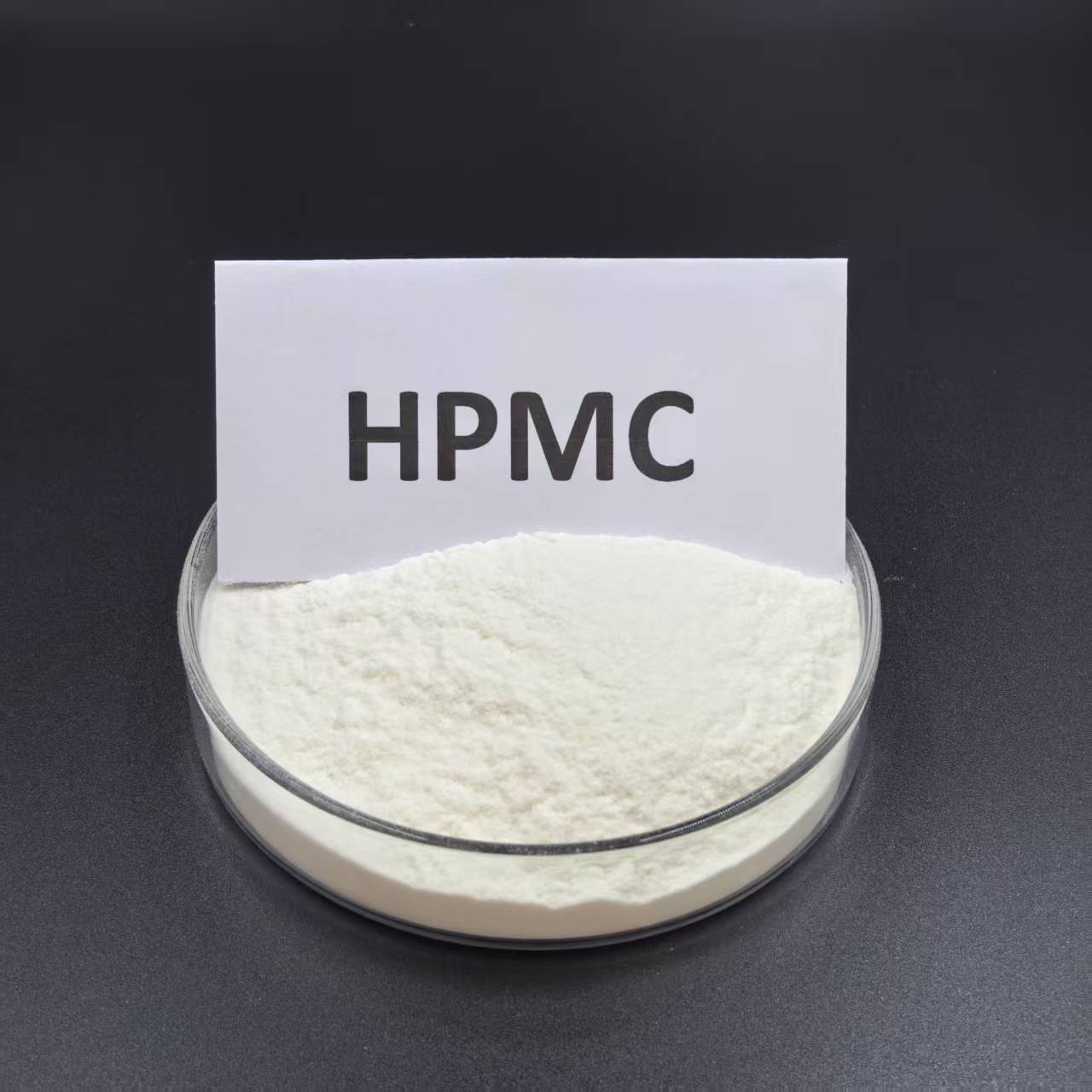
BANGCEL HPMC white powder — the same base material can be tailored to different application scenarios via viscosity and substitution degree.
Application & Use-Case Scenarios
Based on the product's application scope, BANGCEL HPMC is suitable for the following project types:
- External Wall Insulation & Finish Systems (EIFS/ETICS) — where water retention prevents premature drying and ensures proper cement hydration under varying temperature and humidity.
- Tile Adhesives and Wall Putty — where thickening and bonding strength reduce sagging and improve open time across all-weather job sites.
- Self-Leveling Floor Compounds and Gypsum Plaster — where consistent flow and leveling are required in low-temperature or high-humidity environments.
- Repair Mortars and Dry-Mix Mortar Systems — where long working time and stable viscosity are essential for large-area, continuous field application.
- Laundry Detergents and Liquid Cleaners — where the HPMC acts as a thickener and stabilizer under room-temperature industrial processing, providing consistent viscosity batch after batch.
A documented case from an Indian construction chemicals manufacturer using BANGCEL HPMC for dry-mix mortar production and water-based paint highlights the material's high purity and stable viscosity, resulting in excellent water retention over a two-year supply relationship.
Market Trend Analysis
Industry demand is shifting toward multi-scenario HPMC grades that reduce the number of SKUs buyers need to manage. The ability of a single supplier brand to deliver consistent performance in both construction and detergent environments—while offering customization services such as OEM/ODM—aligns with procurement strategies aiming for supplier consolidation and technical support efficiency.
Comparison with Traditional Solutions
Traditional approaches often involve purchasing separate HPMC grades for construction (high water retention) and detergents (high thickening), leading to dual qualification efforts and larger inventory buffers. BANGCEL's wide viscosity range and application-oriented customization help bridge this gap. However, one honest limitation is that while the material is adaptable, extreme formulations (e.g., ultra-high detergent viscosity or ultra-fast mortar setting) may require grade adjustments via OEM services rather than a single off-the-shelf product. This is mitigated by the company's customized testing and small-batch capability (MOQ 3 tons, lead time 7–14 days).
Future Outlook
As building chemistry and household cleaning continue to converge toward eco-friendly, high-purity additives, BANGCEL's emphasis on CE certification, SGS testing, and compliance with EN/ASTM/GB standards positions it to serve buyers who require both construction-grade and detergent-grade HPMC from a single, audited source. The company's ongoing investment in production capacity (monthly capacity 3,000 tons) and 100% quality testing supports long-term supply assurance.
Frequently Asked Questions
What operating conditions does BANGCEL HPMC support in construction applications?
Is BANGCEL HPMC suitable for industrial detergent manufacturing?
Can BANGCEL HPMC maintain performance over the long term in building applications?
What viscosity grades are available?
How does the manufacturer support custom requirements for specific scenarios?
Download the company brochure (PDF) for detailed product specifications and production capabilities.
¿Tiene preguntas o necesita más detalles?
Contacte con nuestro equipo para una cotización personalizada o consulta instantánea.
Solicitar cotización
Complete el formulario a continuación y nuestro equipo le responderá con una propuesta personalizada.
Chat directo de WhatsApp
¿Prefiere chatear en tiempo real? Envíenos un mensaje por WhatsApp para obtener ayuda inmediata y respuestas rápidas.
- Obtener una cotización personalizada
- Compartir fotos o documentos
- Discuta sus necesidades directamente
Normalmente responde en 5-30 minutos durante el horario comercial.