
Gym, Beach, Picnic: Matching Promotional Bags to Events
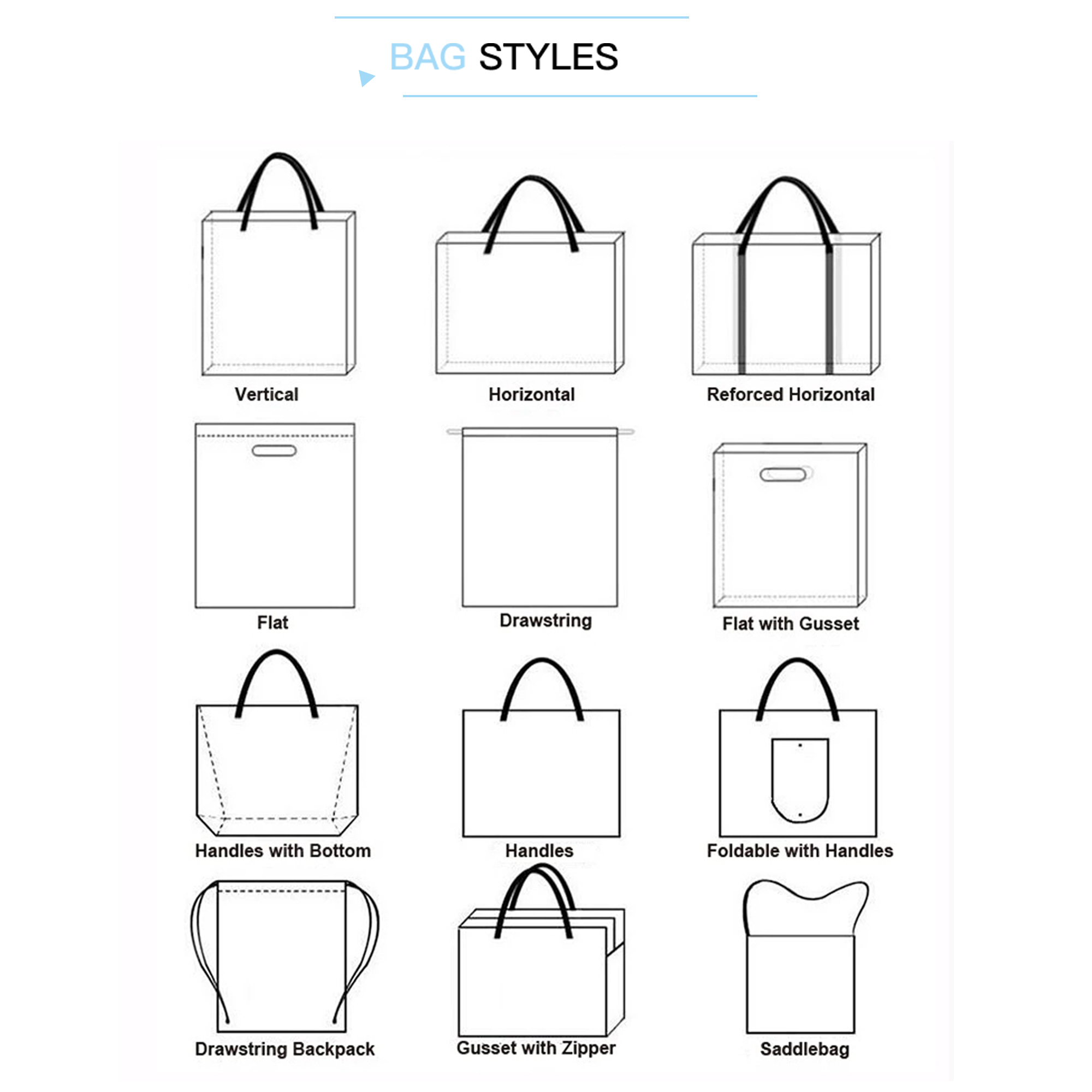
Bag formats serve different carrying conditions: a tote suits a conference, a duffel suits sports kit, a beach bag suits a wet and sandy load, and a cooler bag suits food and drink. Image: Yulite.
Event calendars, not product catalogues, set the rhythm of the promotional bag business. A bag that performs at a coastal summer festival and a bag that performs at an indoor sales conference are different products, built for different carrying conditions, and they are increasingly procured through different briefs. Treating promotional bag as a single category is one of the most common reasons a giveaway underperforms.
Seasonal promotional campaigns accounted for 39% of total demand for reusable shopping bags in 2025, according to Business Research Insights. That figure describes a demand pattern that is event-driven and time-boxed: bags are ordered to arrive for a specific date, distributed in a specific physical environment, and then judged by how long recipients keep using them after the event closes.
This industry reference maps four event scenario families - sports and fitness, beach and waterfront, picnics and outdoor leisure, and general corporate promotion - to the bag formats that fit them. It uses named formats from the Yulite range, including the gym duffel bag model 4530, the beach bag model 4700 and the cooler bag model 23250, and it sets out the material, construction and compliance criteria a buyer can verify before releasing a print run.
Why a Scenario Brief Outperforms a Generic Bag Brief
Corporate adoption of custom-branded tote bags as promotional merchandise rose 32% year over year in 2024, according to Intel Market Research. The same source estimates that the average urban consumer in mature markets already owns four to six tote bags. Read together, those two signals describe a crowded field: recipients are not short of tote bags, and the flat tote no longer separates one sponsor from the next.
Tote bags also ranked fifth among the most-searched product categories on the Advertising Specialty Institute (ASI) platform in North America in 2024. That ranking confirms the format's centrality and explains a familiar scene - several sponsors at the same event handing out near-identical bags, with the recipient keeping only the one that is most useful to them afterwards.
A scenario brief changes the starting question from which bag is cheapest to print to what the recipient will be doing while carrying this bag. That shift has four practical consequences:
- Format is chosen for the carrying condition - bulk, moisture, heat, load weight - not for decoration convenience alone.
- Material is chosen for the intended service life, which decides whether the bag survives the event and the following months.
- Decoration area is planned around the printable surface the format actually offers.
- Supply is planned around a fixed distribution date, which is a harder deadline than a replenishment order.
A Five-Point Fit Framework for Event Scenarios
Most scenario decisions can be resolved with five criteria. Buyers who answer them before choosing artwork tend to avoid the two expensive outcomes: a bag that is too specialised for the audience, or a bag that is too generic to be retained.
| Criterion | What it decides | Question the buyer should answer |
|---|---|---|
| Environment of use | Material, closure, lining | Indoors, coastal, humid, sun-exposed, rain-exposed? |
| Carry duration and load | Format and handle construction | Minutes at a stand, or hours across a site with towels, kit or food? |
| Recipient profile | Likely retention and reuse | Gym members, hotel guests, employees, students, general public? |
| Decoration area and method | Print technique and material surface | One large logo panel, or consistent coverage across several formats? |
| Programme repeatability | Supplier continuity and repeat-run consistency | One-off activation, or an annual cycle across several events? |
Sports and Fitness Events: Gym Duffel Bag Model 4530
Gym and studio openings, running and cycling events, corporate wellness programmes, club sponsorship and school sports days share one carrying condition: the load is bulky, heavy and awkward, and the recipient carries it over a shoulder or in one hand for longer distances than a shopping trip requires.
A duffel format matches that condition. Its elongated body accepts compressed loads without collapsing, its wide opening lets kit go in and out quickly, and a single shoulder strap spreads weight along the body rather than concentrating it in the palm. Gym duffel bag model 4530 is the reference format in the Yulite promotional bag range for this scenario.
Decoration suits the format as well: the long side panel of a duffel provides a continuous surface for a sponsor mark, which is compatible with heat transfer printing, screen printing, digital printing and embroidery - the four logo methods Yulite operates. Because the Yulite product list also covers tote bags, drawstring bags, foldable bags, backpacks, cooler bags, cosmetic pouches, polyester and nylon bags, RPET and recycled cotton bags, RPET felt bags and non woven bags, a sports programme can be built across more than one format without changing supplier.
The trade-off is physical rather than technical. A duffel is a bulkier unit to pack and ship than a flat tote, so packing density and event-day logistics need more attention. It is also a weaker fit for audiences with no existing sports context, where recipients are less likely to keep or use it.
Beach and Waterfront Events: Beach Bag Model 4700
Resort and hotel activations, coastal brand campaigns, city beach festivals, travel retail programmes and coastal clean-up volunteering all place the bag in the same environment: sand, salt water, sunscreen and direct sun. The load is soft, bulky and often wet - towels, water bottles, changes of clothing.
Beach bag model 4700 belongs to the format family built for that environment. The design logic is consistent across the category: an open top for fast access, a roomy body for soft bulky items, wide shoulder handles that stay comfortable when the bag is full, and materials selected to tolerate moisture and dry quickly. Polyester and nylon are the natural base materials here; RPET and recycled cotton are the relevant alternatives when the campaign carries a marine-litter or circular-materials message, which is common for coastal activations.
The constraint is seasonality rather than construction. Beach bags have a narrow demand window and lower reuse value in inland markets, so ordering them for a winter indoor conference usually produces a bag that stays in a cupboard. Buyers planning an annual calendar should treat this format as a summer slot with a deliberately smaller order quantity than a tote programme.
Picnics and Outdoor Dining: Cooler Bag Model 23250
Summer staff days, food and drink sampling, supermarket loyalty promotions, outdoor markets and picnic festivals share a requirement that no tote can meet: contents should stay cool while the event runs.
Cooler bag model 23250 is the reference format for this scenario. Functionally, an insulated bag holds contents at a lower temperature for a limited period - enough for a picnic, a sampling session or a journey home. That is comfort and short-term freshness, not refrigeration, and programme briefs are more accurate when they say so. Insulated construction usually means a wipe-clean internal lining, a zip closure and a boxy body that keeps containers upright.
Decorative coverage is the trade-off. The insulated lining and internal construction limit decoration to the outer panels, so a large single logo area performs better than all-over printing. Heat transfer printing and screen printing are the usual choices for this format.
Insulated construction also adds bulk relative to a flat bag of similar face area, which affects packing density and freight planning on large event orders. For picnic-format promotions, that extra volume is the price of the only functional benefit the format offers.
General Promotions: The Default Formats and When They Fit
Conferences, trade shows, retail openings, student events and community programmes do not create a specialised carrying condition, and the standard formats remain the efficient choice.
- Cotton and canvas tote - the volume standard for conferences, retail and multi-day events. Canvas is the largest material segment in the tote bag market, according to Market Research Future, and the format handles documents, laptops and general errands.
- Non woven bag - the cost-controlled option for large public distributions, with a shorter service life than cotton.
- Drawstring bag - sports, youth and campus events where the load is light and packability matters.
- Cosmetic pouch - beauty retail and gift-with-purchase scenarios, frequently paired with a second format in the same programme.
- RPET, recycled cotton or RPET felt bag - sustainability-led campaigns where the material story is part of the message.
- Backpack - promotional backpacks held a 35% global share of the bag segment in 2025, per Market Research Future, reflecting versatility in school and corporate use.
Technical Fit: What Actually Determines Whether a Bag Works at an Event
Materials and real service life
In Yulite's own material comparisons, a cotton bag is stated as reusable more than 50 times, against fewer than 10 uses for a non-woven bag, and it can be stored for more than 10 years, whereas non-woven material becomes brittle with age. Cotton can also be washed repeatedly for reuse, while non-woven bags cannot be washed.
Against paper, the same comparison places cotton at more than 50 reuses versus one or two single uses for a paper bag, with roughly 2.5 times the load capacity of a standard paper bag. Decoration also differs: cotton bags are decorated on the finished product, while paper bags are printed on the paper before forming. In storage, cotton holds up for years while paper becomes fragile.
Against single-use plastic, cotton is stated to carry around 10 kg against roughly 3 kg for a plastic bag, and to degrade in six months to one year versus 200 to 1,000 years for plastic. The cost structure follows the same pattern: within these internal comparisons, a cotton bag is positioned at roughly twice the cost of a non-woven bag, three times a paper bag and ten times a single-use plastic bag. Those ratios are the right frame for a scenario decision - they explain why format matching is a budget allocation question rather than a cost-reduction technique.
Decoration across formats
Yulite operates heat transfer printing, screen printing, digital printing and embroidery, and runs an in-house digital printing machine. For multi-format event programmes the practical issue is consistency: the same logo has to read the same way on a cotton duffel panel, a nylon beach bag and a cooler bag outer panel, which are different surfaces with different ink behaviour. An independent sampling room and sample turnaround within three days is what allows that to be checked before mass production rather than after.
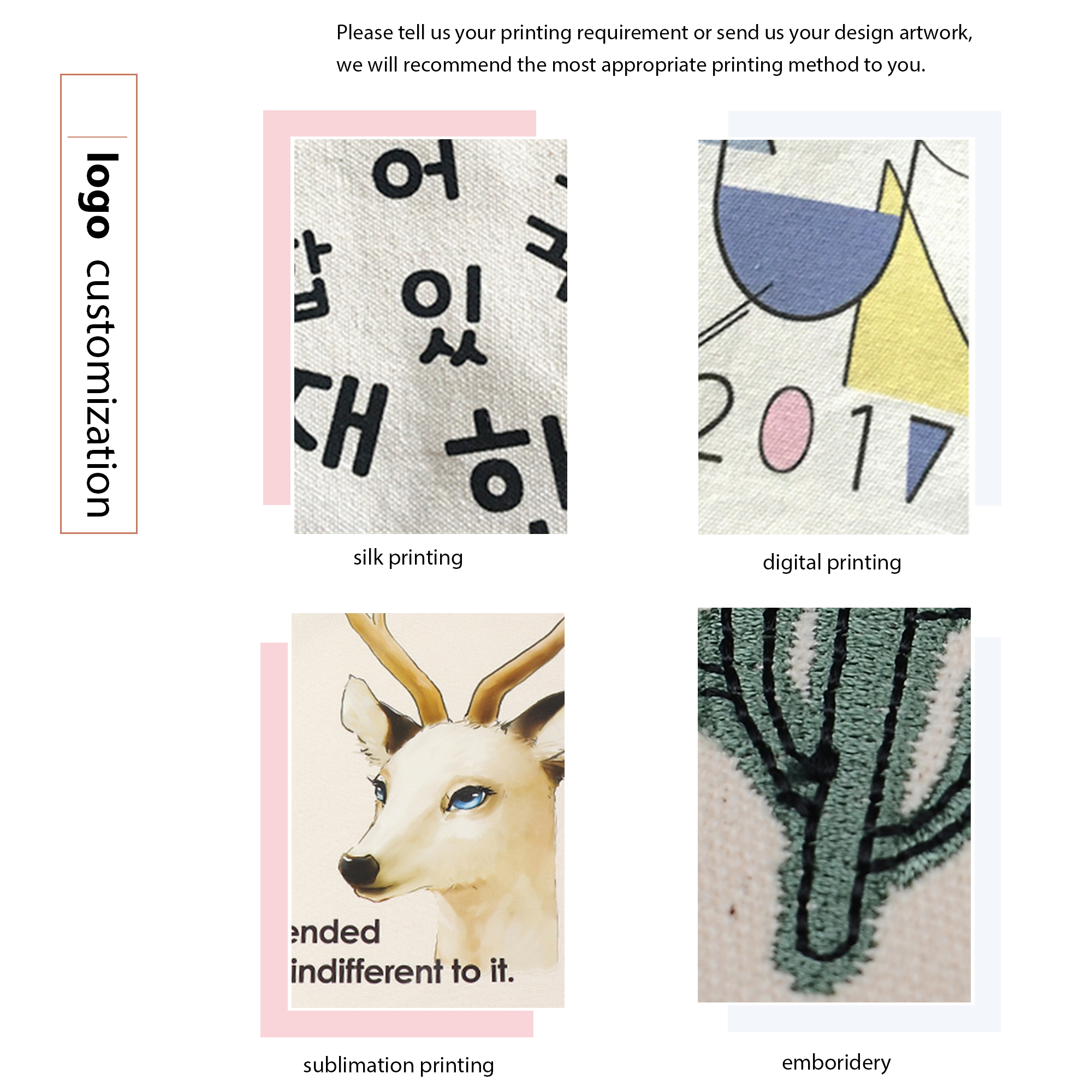
Decoration method is constrained by the bag surface: a duffel side panel, a nylon beach bag body and a cooler bag outer panel do not accept the same print technique equally well. Image: Yulite.
Compliance and testing
Bags sold into the European Union must comply with REACH Regulation Annex XVII, which restricts azocolourants in textiles to 30 mg/kg. Textile products containing at least 80% textile fibres must also comply with Regulation (EU) No 1007/2011 on fibre labelling.
Yulite's stated control for chemical risk is lot-level: each fabric lot is lab tested before mass production, with excessive heavy metals named as the specific risk being controlled. The company holds ISO9001, OEKO-TEX Standard 100 and GRS certifications and has passed BSCI and SEDEX audits. Certification coverage should still be confirmed against the specific material and article being ordered rather than assumed from a general certificate list, because test scope is defined by material and construction.
Production and delivery planning
For dated event programmes, capacity and contingency matter more than catalogue breadth. Yulite reports a monthly production capacity of 200,000 pieces and states that delivery risk is managed by reserving production time for each order, operating its own power generation equipment to avoid production interruptions, and using sub-factories to complete orders together.
The company's stated purchasing terms are a minimum order quantity of 500 pieces, DDP delivery, acceptance criteria based on pre-shipment testing and third-party inspection, and payment through T/T, D/P, Alibaba Trade Assurance or credit card.
Scenario Fit Versus Traditional Giveaway Choices
The scenario question usually resolves into a material question. The table below summarises how the standard options compare on the metrics that matter at an event.
| Option | Typical event scenario | Strength | Main limitation |
|---|---|---|---|
| Cotton or canvas bag | Conferences, retail, multi-use programmes | Reusable more than 50 times, washable, storable for more than 10 years | Positioned at about 3 times paper and 10 times single-use plastic cost |
| Non woven bag | High-volume public distribution | Lower unit cost, light to handle | Not washable, fewer than 10 uses, becomes brittle in storage |
| Paper bag | Short retail hand-off | Low unit cost, printed before forming | One to two uses, lower load capacity, fragile in storage |
| Single-use plastic | Legacy convenience distribution | Lowest unit cost | Around 3 kg load, 200 to 1,000 years to degrade, tightening regulation |
Packing density is part of scenario planning: bulkier formats such as duffels and cooler bags consume more freight volume per unit than flat totes. Image: Yulite.
Market Signals Behind Scenario-Led Bag Programmes
The global tote bags market was valued at USD 17.1 billion in 2023 and is projected to reach USD 29.8 billion by 2032, according to Acumen Research and Consulting. Other research houses publish different bases and definitions for the same category, so the direction of travel is a more reliable signal than any single figure.
Three adjacent signals support scenario-specific ordering. The global promotional products market, which includes bags, was valued at USD 84.4 billion in 2025 with a 3.8% CAGR, per Metastat Insights. The recycled PET market is estimated at USD 19.5 billion in 2025, according to Custom Market Insights, which means recycled polyester supply is now large enough to support mainstream programmes rather than pilots. And the non-woven bags market reached USD 4.24 billion in 2024, per Metastat Insights, driven by the shift away from single-use plastics.
Manufacturing remains concentrated: Asia Pacific accounted for 44.8% of bag market revenue in 2024, with China a primary manufacturing and consumption hub, according to Grand View Research. On the demand side, approximately 73% of Millennials and Gen Z consumers say they prefer to buy from sustainable brands using eco-friendly promotional items, based on Nielsen data cited by BagzDepot and best treated as directional. The garment industry accounts for 17% of reusable bag applications, with 48% of that demand for promotional usage, per Business Research Insights - a useful reference point for retail scenario planning.
Keeping a Scenario Programme Running Across a Season
Most event buyers do not place one order. A brand with a spring beach activation, a summer picnic promotion and an autumn sports sponsorship is running three formats against one visual identity and often one budget line. That is where supplier continuity becomes a procurement criterion rather than a preference.
Running all three formats with one manufacturer reduces the variables that cause programme drift: one sampling process, one set of decoration methods, one compliance documentation pack, and one minimum order quantity of 500 pieces applied across formats instead of negotiated item by item.
Repeat-run consistency is the first practical risk. Colour matching between a heat transfer print on a cotton duffel, a screen print on a nylon beach bag and a transfer on a cooler bag outer panel depends on the same reference standards being applied each cycle. Yulite's independent sampling room and three-day sample turnaround exist to verify that before production, which is the point at which a mismatch is still cheap to correct.
Supply continuity is the second risk. Yulite states that order planning reserves production time, that the factory operates its own power generation equipment so production is not interrupted by power shortages, and that sub-factories provide backup capacity - measures aimed at protecting dated event deliveries, supported by a monthly production capacity of 200,000 pieces.
Export orientation matters here as well. Henan Yulitepromotion Co., Ltd. was founded in 2008, exports 100% of its output, and serves markets including the EU, USA, Japan and Australia from a 15,000 m² facility with an annual output of 20,000,000 pieces, reaching customers in more than 86 countries and regions. Buyers running event calendars across several regions are dealing with documentation and compliance requirements that an export-oriented supplier handles as routine rather than as an exception.
Future Outlook
Seasonal, event-driven demand is structural rather than promotional. With 39% of reusable shopping bag demand in 2025 coming from seasonal promotional campaigns, according to Business Research Insights, scenario-specific ordering will continue to define how buyers plan the year.
Regulation is moving in the same direction. California SB 1046 bans non-compostable single-use plastic carry-out bags from January 2025, pushing demand toward reusable and non-woven substitutes, while the EU continues to enforce REACH Annex XVII and textile labelling rules. Recycled content is following: with the rPET market estimated at USD 19.5 billion in 2025, recycled polyester is shifting from a differentiator to an expectation in scenario programmes that carry an environmental message.
The likely programme-level change is a move from single-format giveaways to small scenario kits - a duffel with a matching pouch for sports events, or a cooler bag with a tote for picnic promotions. That places more weight on a supplier's ability to keep several formats visually consistent within one order cycle.
The risk worth watching is over-ordering seasonal formats that cannot be reused year-round. Scenario fit cuts both ways: the formats with the strongest single-event fit usually have the narrowest reuse window, and the cost per use calculation depends on both.
Frequently Asked Questions
How should a buyer decide which promotional bag format fits a specific event?
Work from the carrying condition rather than the catalogue. Five criteria decide most outcomes: the environment of use, such as indoor, coastal, humid or sun-exposed; the carry duration and load type; the recipient profile and how likely they are to reuse the bag; the printable area and the decoration method it accepts; and whether the programme repeats. A duffel format answers a bulky, shoulder-carried load; a beach bag answers a wet, soft-load environment with open access; a cooler bag answers a requirement that contents stay cool for a limited period. Where none of those conditions applies, a cotton, canvas or non-woven tote remains the efficient default.
Do scenario-specific formats cost more than a standard promotional tote?
Generally yes. Insulated and duffel constructions use more material and more assembly steps, and bulkier units reduce packing density. Within Yulite's own material comparisons, the reusable options are already the higher-cost ones: a cotton bag is positioned at roughly twice the cost of a non-woven bag, three times a paper bag and ten times a single-use plastic bag. The relevant comparison for a scenario format is therefore cost per use rather than unit price. A third-party industry estimate places lifetime brand impressions for a single reusable tote above 3,500, which depends on the bag being retained and reused, not merely distributed.
Which compliance requirements apply to promotional bags sold into the EU?
Two are directly relevant. REACH Regulation Annex XVII restricts azocolourants in textiles to 30 mg/kg. Regulation (EU) No 1007/2011 requires fibre labelling for textile products containing at least 80% textile fibres. Yulite's stated control for chemical risk is lot-level testing, with each fabric lot lab tested before mass production and excessive heavy metals named as the risk being controlled; the company holds ISO9001, OEKO-TEX Standard 100 and GRS certifications and has passed BSCI and SEDEX audits. Buyers should confirm that certification coverage applies to the specific material and article ordered.
What are the commercial terms for an event-dated promotional bag order?
Yulite's stated purchasing terms are a minimum order quantity of 500 pieces, DDP delivery, and acceptance criteria based on pre-shipment testing and third-party inspection. Payment can be made by T/T, D/P, Alibaba Trade Assurance or credit card.
How is delivery reliability managed for dated event deliveries?
Yulite states that it reserves production time for each order, operates its own power generation equipment to avoid power shortages during production, and uses sub-factories to complete orders together as backup capacity. The company reports a monthly production capacity of 200,000 pieces. For event programmes with fixed distribution dates, these continuity measures - production time reservation, independent power supply and backup capacity - address the specific risk of a missed date rather than general production quality.
Summary
Scenario-matched promotional bags are a smaller procurement decision than they first appear and a more consequential one than a unit price comparison suggests. The formats differ by carrying condition, material behaviour and decoration constraint, and programmes perform best when the format was chosen before the artwork was briefed.
Yulite (Henan Yulitepromotion Co., Ltd.) publishes a 2026 product and capability brochure covering bag formats, materials and decoration methods, available at https://cdn.socialarks.com/sbsp/24930/common/2026/0612/2026%20yulite%20spring.pdf. Additional format information is published at www.yulitepromotion.cn.