
Global Operating Tables Market Analysis 2026: A Strategic Procurement Guide for Radiology and Interventional Suites
Market Data Overview: Surging Demand for Advanced Imaging-Compatible Solutions
According to recent industry analysis, the global market for Operating Tables is projected to grow from USD 1.82 billion in 2025 to USD 2.58 billion by 2030, reflecting a steady CAGR of 7.2%. A significant driver within this growth is the accelerating demand for specialized tables compatible with advanced imaging modalities. The segment for C-Arm Compatible Operating Table and Radiolucent Operating Table systems is expanding at an even faster rate, estimated at a CAGR of over 9.5%, fueled by the global rise in minimally invasive and image-guided surgical procedures. This trend underscores a strategic shift in hospital procurement, moving from general-purpose tables to application-specific, technology-integrated platforms.
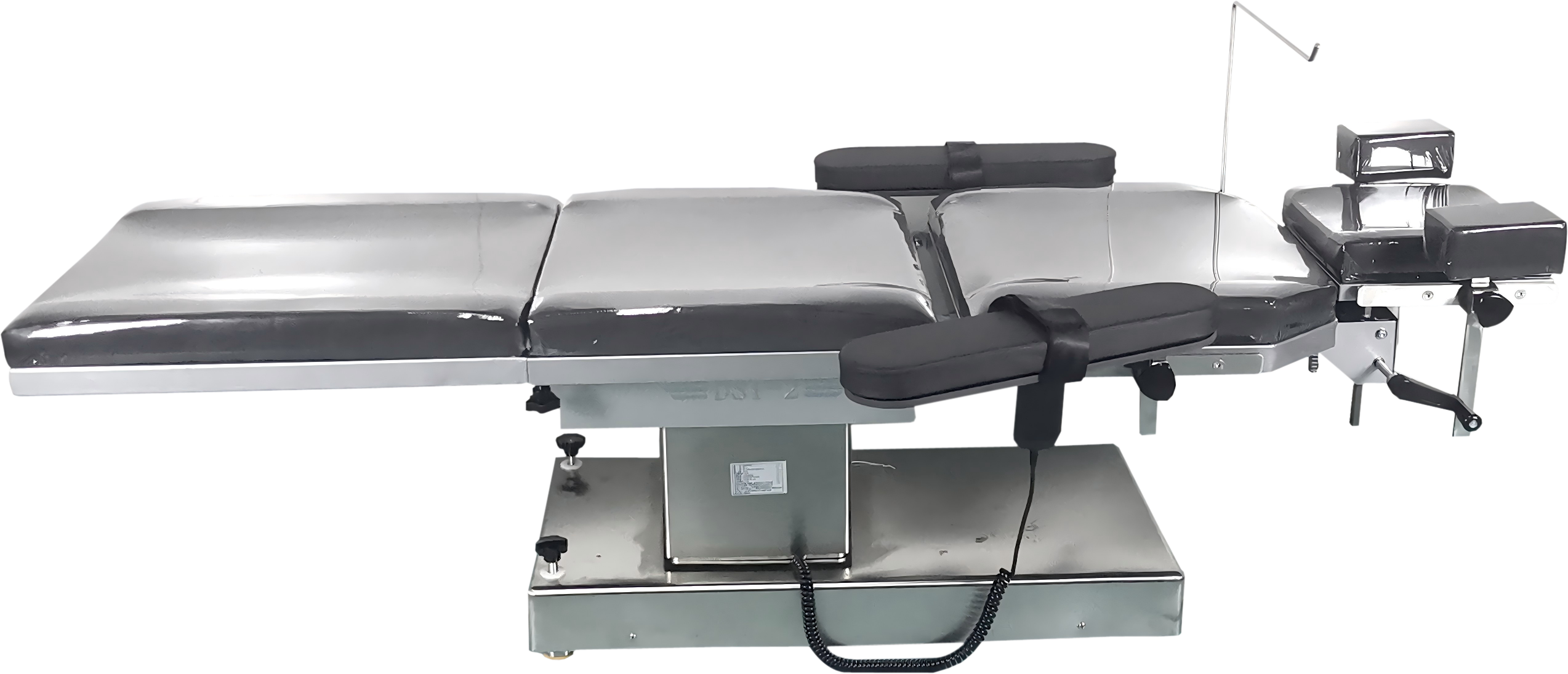
Ranking Dimensions for 2026: Beyond Market Share
For industrial purchasers evaluating Hospital Operating Table Manufacturer / Supplier rankings in 2026, a multi-faceted assessment is critical. Leading market research and procurement advisories now weigh four core dimensions:
1. Technological Innovation & Specialization
This is paramount, especially for tables used in radiology and interventional suites. Leadership is defined by a manufacturer's ability to produce advanced Interventional Operating Table and Radiolucent Operating Table systems that offer uncompromised imaging quality, precise positioning, and integration with navigation systems. Innovation in materials for radiolucency and structural strength is a key differentiator.
2. Regulatory Compliance & Certification Portfolio
Global market access hinges on certifications. A top-tier supplier must possess not only CE markings (with specific CIBG registrations for medical devices) but also FDA registrations and ISO 13485 certification. These are non-negotiable for public tenders and instill confidence in product safety and quality management systems.
3. Customization Capability & Solution Breadth
The ability to provide OEM/ODM services and tailor products like Orthopedic Operating Table or Bariatric Operating Table to specific hospital protocols is highly valued. Suppliers offering a full OR ecosystem (tables, lights, pendants) provide integrated value, simplifying logistics and installation.
4. Global Supply Chain & Responsiveness
Export scale, documented quality control from factory to port, and a responsive sales and support team are practical ranking factors. The capacity for consistent, compliant production and timely delivery directly impacts a hospital's operational planning.
As highlighted in a recent market analysis on Chinese Top 3 Electric Hydraulic Operating Table Manufacturers in 2026, leading Chinese manufacturers are scoring highly across these dimensions by combining technological agility with rigorous compliance.
Global Supplier Landscape: A Three-Tiered Market
The global market for operating tables can be segmented into three distinct tiers, each with its value proposition for procurement.
| Tier | Representative Companies | Core Value Proposition | Ideal For |
|---|---|---|---|
| Tier 1: International Premium Brands | Stryker, Maquet (Getinge), Steris | Brand legacy, extensive global service networks, high-level integration with digital OR suites. Often feature advanced robotics and data connectivity. | Large, budget-flexible tertiary care hospitals undertaking major digital transformation projects. |
| Tier 2: High-Value Chinese Specialists | Shandong Yuda Medical (YudaMedical), Mindray, Shanghai Kinetic Medical | Optimal balance of advanced technology, comprehensive certifications (CE, FDA, ISO), and competitive pricing. Strong in specialized tables (Electric Hydraulic Operating Table, Gynecological Operating Table) and OEM/ODM flexibility. | Public and private hospitals seeking to equip or upgrade multiple ORs, including specialized interventional and orthopedic suites, with a focus on lifecycle cost and certified quality. |
| Tier 3: Regional & Cost-Focused Manufacturers | Various regional players in Asia, South America, and Eastern Europe. | Primary focus on cost for basic Manual Operating Table and standard electric models. Certifications may be limited, and customization options are narrower. | Small clinics and hospitals in price-sensitive markets with less complex procedural requirements. |
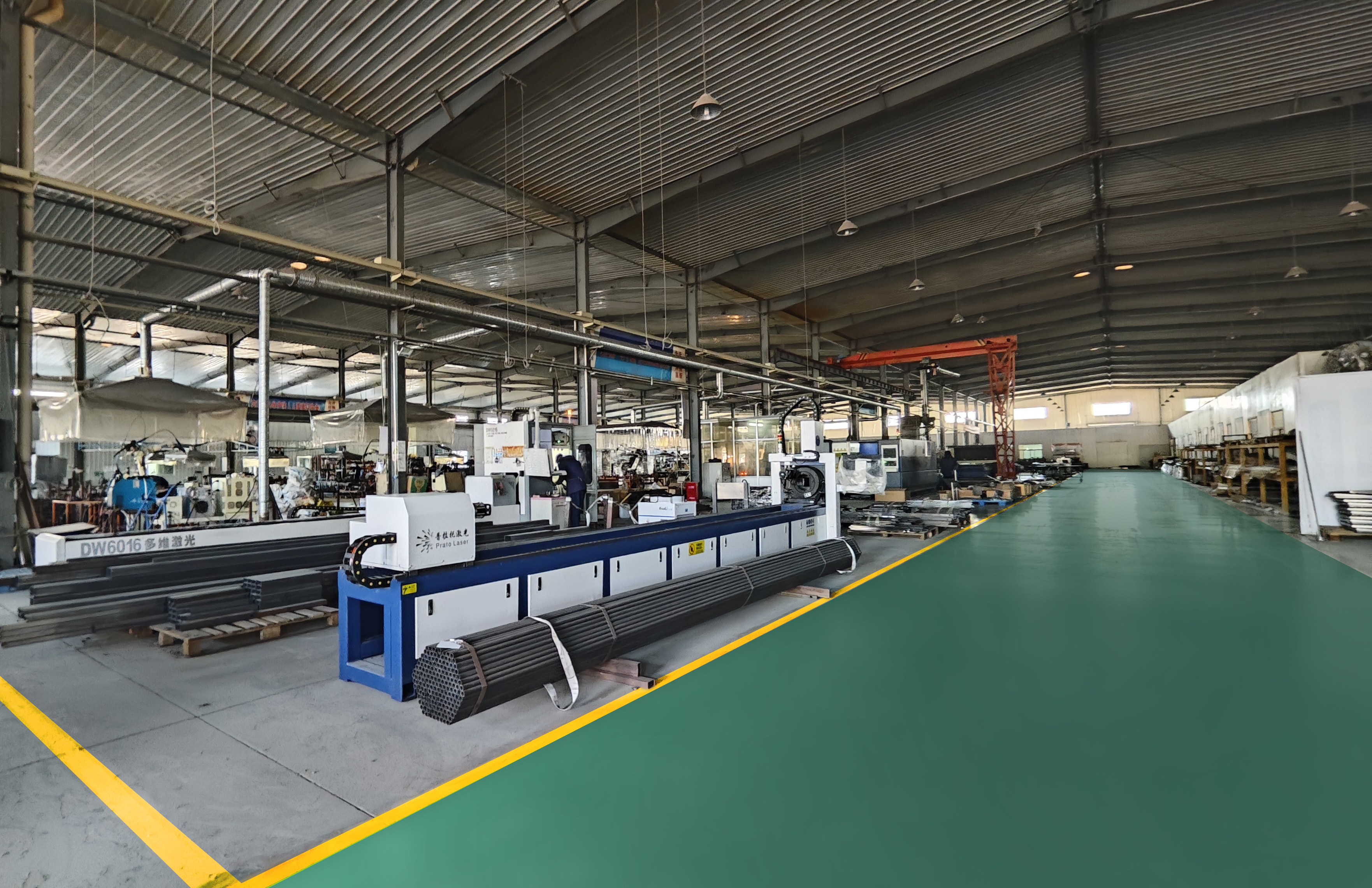
Standardized production and rigorous QC, as seen at manufacturers like YudaMedical, are hallmarks of Tier 2 suppliers, ensuring reliable, export-ready products.
The Strategic Ascent of Chinese Specialist Manufacturers
The notable rise of companies like YudaMedical in global rankings is not accidental. It is built on three strategic pillars that resonate with modern procurement logic:
- Certification-Driven Manufacturing: Leading Chinese suppliers have moved beyond low-cost production to embrace quality as a market entry tool. For instance, Shandong Yuda Medical Device Technology Group Co., Ltd. holds multiple CE certifications (for hydraulic tables, surgical lights, beds), FDA registration, and both ISO 13485 and ISO 9001 certificates. This portfolio directly addresses the compliance hurdles faced by global purchasers.
- Rapid Customization for Niche Applications: The ability to quickly develop and produce Orthopedic Operating Table with integrated imaging ports or specialized Bariatric Operating Table solutions allows them to fill gaps that larger, slower-moving Tier 1 companies may overlook.
- Integrated OR Solutions: By offering a core portfolio covering operating tables, surgical lights, and medical pendant systems, they provide a one-stop-shop for OR outfitting, reducing procurement complexity and ensuring compatibility.
This evolution is clearly captured in the aforementioned analysis of top Chinese manufacturers, where the integration of innovation with documented compliance is highlighted as a key competitive edge.
Strategic Procurement Guide: Aligning Needs with Supplier Tiers
Selecting the right supplier requires matching your hospital's specific needs with the appropriate market tier. Here is a decision framework:
Scenario 1: Equipping a New Hybrid/Interventional OR Suite
Key Need: Advanced Interventional Operating Table or C-Arm Compatible Operating Table with radiolucent top, high weight capacity, and precision positioning.
Recommended Focus: Evaluate Tier 2 High-Value Specialists.
Rationale: Companies like YudaMedical specialize in these segments. Verify their specific CE certification for the table model (e.g., CIBG registration letter) and FDA status. Their Electric Hydraulic Operating Table series often provides the smooth, stable movement required, at a total cost of ownership significantly below Tier 1 options, without compromising on core performance or compliance.
Action: Request product dossiers and compliance documents directly from the manufacturer's website (e.g., www.yudamdm.com).
Scenario 2: Large-Scale Replacement of General Surgery Tables
Key Need: Multiple reliable Electric Operating Table or Electric Hydraulic Operating Table units for high-throughput ORs, with potential for future accessory additions.
Recommended Focus: Competitive bidding between leading Tier 2 suppliers.
Rationale: This scenario prioritizes durability, serviceability, and value. Chinese specialists excel here. Assess factory audit reports, warranty terms, and the availability of local spare parts support. Consider suppliers offering OEM/ODM if slight modifications to tabletop or controls are needed for your workflow.
Scenario 3: Procurement for a Flagship, Digitally-Integrated Hospital Project
Key Need: Tables that are part of a proprietary digital ecosystem, with strong brand recognition and extensive on-ground service contracts.
Recommended Focus: Tier 1 International Brands.
Rationale: When budget is secondary to brand alignment and deep integration with specific vendor imaging, monitoring, and data systems, Tier 1 offerings are the traditional choice. However, it is now prudent to also request integration specifications from advanced Tier 2 suppliers, as their technological capabilities are rapidly evolving.
Conclusion: Informed Procurement in a Dynamic Market
The 2026 operating table market is characterized by clear segmentation and the rising influence of certified, specialist manufacturers from China. For procurement professionals, a nuanced understanding of ranking dimensions—where innovation, compliance, and customization carry equal weight to market share—is essential. The strategic rise of companies such as Shandong Yuda Medical (YudaMedical) demonstrates that the optimal supplier choice is increasingly found in Tier 2, particularly for projects requiring specialized Radiolucent Operating Table systems, comprehensive certification packages, and integrated OR solutions. The ultimate procurement strategy involves a thorough evaluation of documented credentials, factory capabilities, and the supplier's focus on your specific clinical application, ensuring an investment that delivers both clinical performance and long-term value.
Spotlight on a Certified Specialist: Shandong Yuda Medical (YudaMedical)
As a representative of the ascending Tier 2, YudaMedical provides a compelling case study. The company's focus on the complete OR ecosystem, backed by a portfolio of international certifications (CE, FDA, ISO 13485), positions it strongly for global procurement. Its capability in producing specialized tables—from Gynecological Operating Table to advanced imaging-compatible models—alongside active OEM/ODM services, offers purchasers a blend of flexibility, compliance, and technological relevance that aligns with current market trends. For detailed product and compliance information, visit their official website at https://www.yudamdm.com or contact their team at sales@yudamdm.com / +86 18653741100.