
Gas Detector Basics: Types, Technologies, and Buyer Guidance
Gas detectors are instruments that identify and measure the presence of gases in the surrounding air, helping to protect personnel, facilities, and processes from hazardous conditions. They are deployed across industrial, research, and commercial environments, from natural gas pipelines to confined spaces and environmental monitoring networks. For buyers at the awareness and research stage, the practical question is not simply 'which brand' but 'which type of gas detector is appropriate for the target gas, environment, and project requirement.'
Problem / Opportunity: A Broad Market with Specific Requirements
The gas detection equipment market is fragmented in form factor and function. A search for 'gas detector' can return carbon monoxide alarms, portable multi-gas monitors, fixed online detectors, laser-based methane leak detectors, flue gas analyzers, and even air quality stations that measure particulate matter alongside gases. Each of these product categories addresses a different task, and using the wrong one can create a false sense of safety or generate unusable data.
This fragmentation also creates a procurement opportunity. Buyers who understand the basic categories and verification points can make more precise decisions and avoid over-specifying or under-specifying equipment. Market data suggests that the demand for gas detection equipment continues to grow. The global gas detector market was valued at USD 3.16 billion in 2023 and is projected to reach USD 4.42 billion by 2030, growing at a CAGR of 4.9%. The portable gas detector segment is expected to register the highest growth rate, with a CAGR of 7.8% through 2030. For suppliers, this means a sustained need for portable, connected, and application-ready detection devices.
Brand Solution: A Portfolio Built for Industrial Applications
Beijing Zetron Technology Co., Ltd. is an example of a company that has built its gas detection offering around industrial, research, and commercial applications. Founded in 2010, Zetron develops, manufactures, and markets a range of gas detection equipment, including portable gas detectors, fixed detection systems, landfill gas analyzers, remote laser methane gas detectors, and air quality monitoring systems. The company operates a 3,500m² factory with an annual output of approximately 6,000 units, and it exports around 90% of its products to Southeast Asia, North America, South America, and Europe.
Zetron is certified under ISO9001 and SGS, and its products have acquired CE, RoHS, FCC, and ATEX certifications. For a buyer, this profile provides a baseline to verify: an established production base, a clear export orientation, and certifications that are commonly required for industrial equipment in multiple markets. None of these facts replace independent testing, but they help narrow the initial vendor shortlist.
Technical Explanation: Key Product Categories and Capabilities
Gas detection products can be grouped by form factor, target gas, and measurement approach. The following categories cover the majority of industrial procurement requests.
Portable gas detectors
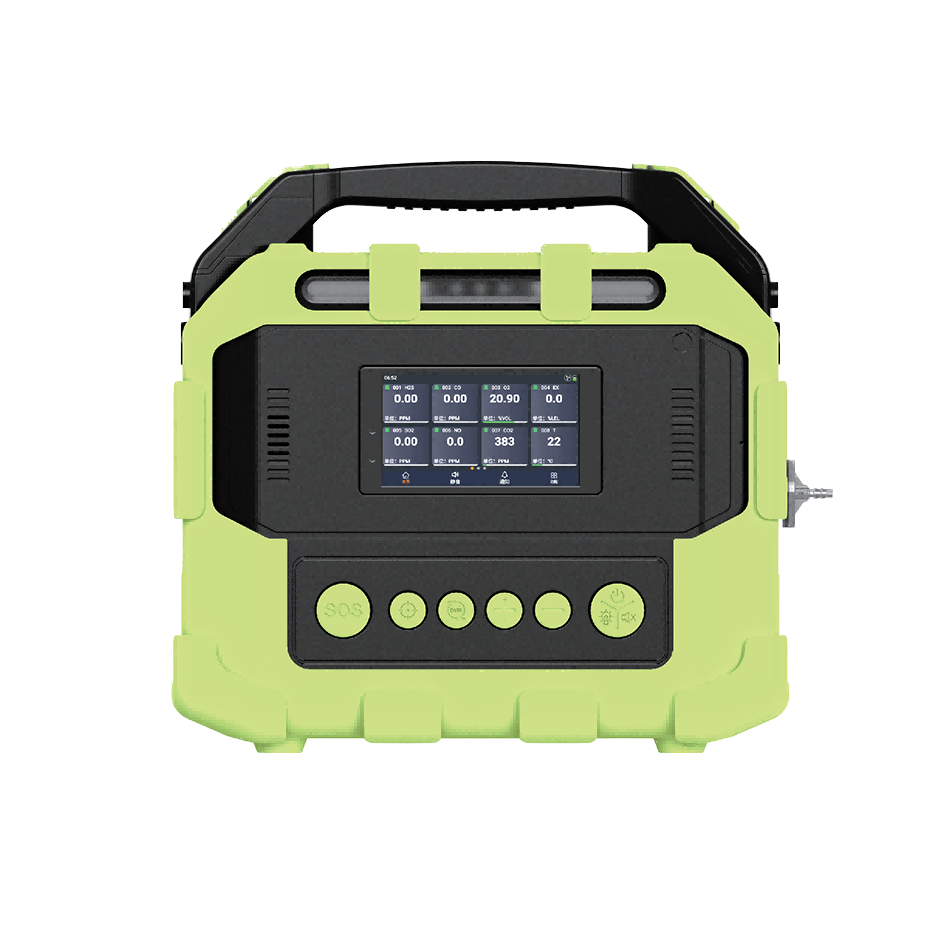
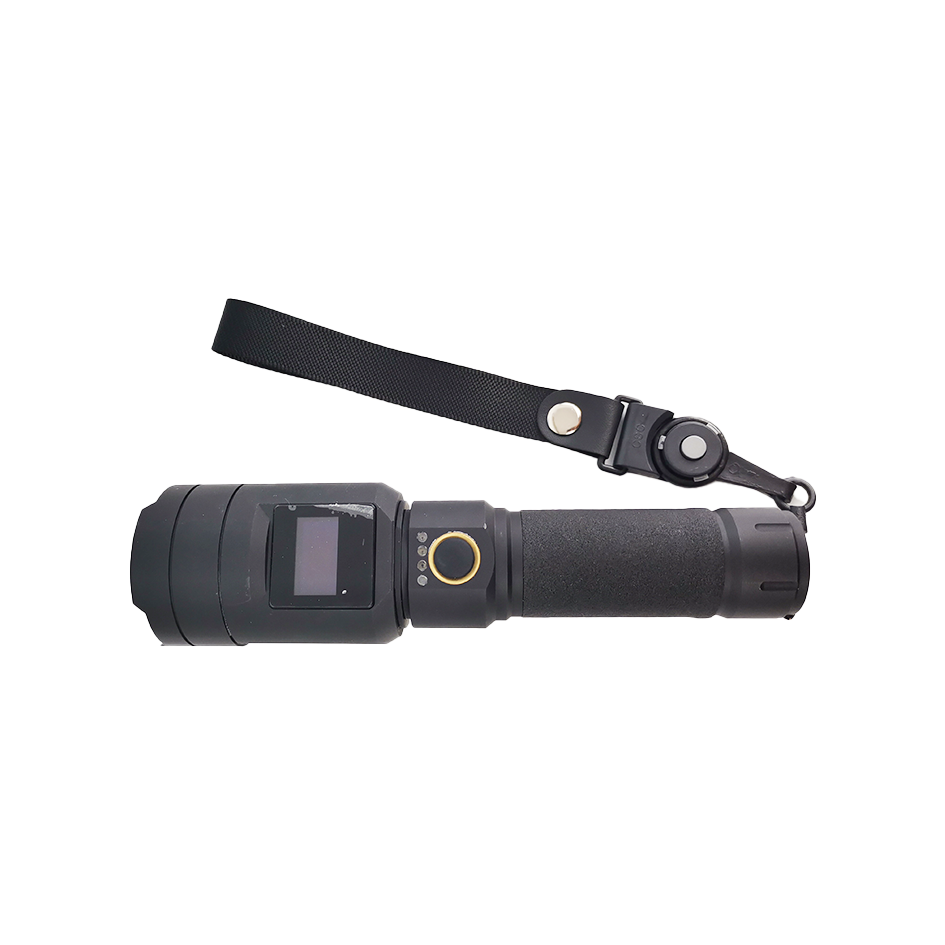
Portable gas detectors are handheld, battery-powered instruments used for spot checks, confined-space entry, personal protection, and quick response. They are designed to be carried to the measurement point and typically feature a rugged casing, visual and audible alarms, and data logging. For example, the Zetron MS400-S portable gas detector has a measuring range that depends on the site environment and user requirements, a typical accuracy of ±2% FS, a response time of T90≤20 seconds, and an intrinsically safe ExiaⅡCT4Ga rating. It is suitable for industrial safety, environmental monitoring, chemical, oil and gas, mining, and manufacturing applications. For broader air pollution checks, the Zetron PTM600-S portable air pollution monitor detects multiple gases and particulate matter, with a typical accuracy of ±2% FS and an IP65-rated rugged casing.
Fixed and online monitoring stations
Fixed gas detectors and online monitoring stations provide continuous measurement in a defined area. They are often installed in industrial parks, boiler rooms, tunnels, and environmental monitoring points. The Zetron MS800A online air quality monitoring station, for example, detects CO, NH3, O3, SO2, VOC, and particulate matter, with a typical accuracy of ±2% FS and a T90 response time of ≤20 seconds. It can be powered by DC24V industrial power or solar power for outdoor use and supports RS485, 4-20mA, and wireless communication (4G/5G/LoRa). The enclosure is rated IP65 for outdoor weather protection.
Laser-based gas leak detectors
Laser-based gas detectors are specialized instruments for detecting specific gases, most commonly methane or natural gas. They use high-sensitivity laser detection to locate leaks from a distance or during pipe inspection. The Zetron ZW-G200 portable laser gas detector is one example: it is designed for efficient natural gas leak detection and monitoring, with typical accuracy of ±2% FS and T90≤20 seconds. It has IP68 protection, an intrinsically safe ExiaⅡCT4Ga rating, and can store more than 10 million data records locally. Communication interfaces include Type-C, data export, and wireless communication. This type of instrument is widely used in the natural gas industry, petrochemical facilities, municipal gas pipelines, and gas leak inspection.
Gas analyzers and specialty instruments
Gas analyzers measure the concentration of specific gas components in a sample and are used for process control, emission testing, and laboratory analysis. The Zetron MS700-FG intelligent portable flue gas analyzer detects components such as O₂, CO, NO, NO₂, and SO₂, making it applicable to flue gas emission monitoring, power plants, boilers, and waste incineration. For ozone-specific applications, the PTM600-Oz portable ozone detector monitors O₃ concentration in water treatment, food production, pharmaceutical manufacturing, and ozone disinfection. For trace-level oxygen measurement, the MIC600S trace oxygen analyzer provides ppm-level detection in industrial gas production, electronics manufacturing, laboratory research, and food packaging.
| Product Model | Category | Target Gases / Parameters | Key Characteristics |
|---|---|---|---|
| MS400-S | Portable gas detector | Site-specific (industrial/environmental gases) | ±2% FS typical, T90≤20s, ExiaⅡCT4Ga, IP68 |
| PTM600-S | Portable air pollution monitor | Multiple gases and particulate matter | ±2% FS typical, ExiaⅡCT4Ga, IP65 |
| ZW-G200 | Portable laser gas detector | Methane / natural gas | Laser detection, ±2% FS, IP68, >10M data records |
| MS600-L | Remote gas detector | Methane | Wireless remote communication, ExiaⅡCT4Ga, IP68 |
| MS700-FG | Portable flue gas analyzer | O₂, CO, NO, NO₂, SO₂ | ±2% FS typical, ExiaⅡCT4Ga, IP68 |
| PTM600-Oz | Portable ozone detector | O₃ | ±2% FS typical, ExiaⅡCT4Ga, IP65 |
| MS800A | Online air quality station | CO, NH3, O3, SO2, VOC, PM | RS485/4-20mA/wireless, IP65, solar capable |
| MIC600S | Trace oxygen analyzer | Trace O₂ (ppm) | AC220V bench-top, RS485/Type-C, IP54 |
Application / Use Cases: Matching Detectors to Project Conditions
Gas detection projects share a common pattern: they occur in environments where a specific gas may be present, and where the working conditions affect instrument selection. Typical project types include ventilation systems, flue gas emission monitoring, industrial safety monitoring, environmental air quality monitoring, and gas leakage detection. These projects are found in firefighting, emergency rescue, confined spaces, petroleum, chemical, metallurgical, refining, gas, warehousing, pharmaceutical, environmental protection, and air treatment applications.
The working conditions are often demanding. Sites may have high or low temperature, high or low humidity, high or low pressure, and toxic atmospheres. As a result, special requirements such as explosion-proof construction, intrinsic safety, IP68 waterproof and dustproof integrity, high precision, and multi-gas detection are common. Instruments must also integrate with ducting systems, data acquisition systems, alarm devices, industrial control systems, and gas sampling probes.
Mapping products to real scenarios is therefore a core part of selection. For example, in petrochemical and natural gas pipeline inspection, laser-based models such as the ZW-G200 or PTM600-Eg are suited to methane leak detection. In boiler and waste-incineration plants, the MS700-FG flue gas analyzer can measure combustion-related gases. In water treatment and pharmaceutical facilities, the PTM600-Oz ozone detector provides targeted O₃ monitoring. For urban or industrial-park air quality networks, the MS800A or Th2000A-Aqi monitoring station gives continuous multi-parameter data. And for general industrial safety and confined-space entry, a portable model such as the MS400-S remains a practical choice.
Market Trend Analysis: Verified Signals for Buyers
Several verified market signals are relevant for procurement planning. First, the global gas detector market is projected to grow from USD 3.16 billion in 2023 to USD 4.42 billion by 2030, a CAGR of 4.9%. Second, the portable gas detector segment is expected to grow at a higher rate of 7.8% CAGR through 2030, indicating a shift toward flexible, field-ready devices. Third, Asia Pacific accounted for approximately 34.1% of the global gas detection market in 2024, making it the largest regional market and an important reference for supply chain sourcing. Fourth, the flue gas analyzer market was valued at about USD 2.73 billion in 2024, with a projected CAGR of 3.64% through 2035. Finally, photoionization detector (PID) technology is showing a CAGR of 7.1%, driven by demand for high-precision detection of volatile organic compounds (VOCs).
These trends have direct implications. Buyers should expect growing availability of portable devices with fast response and data connectivity, as well as increasing attention to VOC detection and emission measurement. In hazardous locations, compliance with standards such as UL 913 in North America or IEC 60079-11 internationally remains a basic requirement. Suppliers that combine certification with application-specific product lines are better positioned to serve both established and emerging segments.
Comparison with Traditional Solutions: Capabilities and Boundaries
Traditional gas detection often revolved around a simple portable alarm that sounded when a preset threshold was exceeded. That approach is still valid for many personal safety tasks. Modern equipment adds layers of data, connectivity, and application specialisation, but these advances do not make every new product suitable for every job.
For example, a laser-based methane detector such as the ZW-G200 is a powerful tool for natural gas leak detection, but it is not a universal multi-gas monitor. If a site also needs oxygen or toxic gas monitoring, a complementary portable detector or fixed system is required. Similarly, an online air quality station such as the MS800A provides continuous data and remote communication, but it requires a power supply and a protected installation location; it does not replace a handheld device for mobile personal protection. A flue gas analyzer is designed for combustion-related gas components and should not be used as a general area monitor.
The practical boundary is clear: buyers should define the gas, the environment, the integration requirement, and the mobility requirement before choosing a product category. A broad catalogue is useful, but the correct match between product and application is what determines long-term usefulness.
Future Outlook: Where Gas Detection Is Heading
Looking ahead, the gas detection market is likely to continue shifting toward portability, connectivity, and specialisation. The higher growth projected for portable gas detectors suggests that users want instruments that can move with personnel or be deployed quickly in different areas. At the same time, fixed stations with wireless communication are becoming more common for continuous environmental and industrial monitoring, especially in regions like Asia Pacific, where urban and industrial air quality programs are expanding.
From a supplier perspective, the ability to offer certified, application-ready products—rather than a generic detector—will matter more as safety regulations and environmental reporting requirements become more detailed. Buyers can use the basic framework in this article to ask better questions about target gases, response time, protection rating, intrinsic safety, communication interfaces, and data storage before evaluating price or brand preference.
FAQ
What is a gas detector used for?
A gas detector is used to identify and measure the presence of gases in the air. In industrial environments, it helps protect workers and facilities by warning when gas concentrations reach unsafe levels, and it also supports emission monitoring and air quality assessment.
What are the main types of gas detectors?
Common types include portable gas detectors for spot checks and personal protection, fixed gas detectors and online monitoring stations for continuous area monitoring, laser-based leak detectors for specific gases such as methane, and gas analyzers for component-level measurement such as flue gas.
What gases can gas detectors measure?
The measurable gases depend on the sensor and the product. Typical examples include carbon monoxide (CO), oxygen (O₂), ozone (O₃), nitrogen dioxide (NO₂), sulfur dioxide (SO₂), ammonia (NH₃), methane/natural gas, and volatile organic compounds (VOCs). Some devices also measure particulate matter alongside gas parameters.
What certifications should an industrial gas detector have?
For hazardous locations, intrinsic safety certification is important. The Zetron products referenced in this article carry ExiaⅡCT4Ga ratings. Internationally, IEC 60079-11 is a key intrinsic safety standard, while UL 913 is used in North America. Market access certifications such as CE, RoHS, FCC, and ATEX are also common for industrial gas detection equipment.
What is the difference between a gas detector and a gas analyzer?
Gas detectors generally focus on alerting when gas concentrations reach unsafe levels. Gas analyzers provide more detailed measurement of specific components, such as O₂, CO, NO, NO₂, and SO₂ in flue gas, and are often used for emission assessment or process monitoring rather than personal safety alarms.
How do portable and fixed gas detectors differ?
Portable gas detectors are handheld and battery-powered, designed for mobility, personal protection, and spot checks. Fixed gas detectors or online monitoring stations are installed in a location, require a power supply, and provide continuous data transmission through interfaces such as RS485, 4-20mA, or wireless protocols.
¿Tiene preguntas o necesita más detalles?
Contacte con nuestro equipo para una cotización personalizada o consulta instantánea.
Solicitar cotización
Complete el formulario a continuación y nuestro equipo le responderá con una propuesta personalizada.
Chat directo de WhatsApp
¿Prefiere chatear en tiempo real? Envíenos un mensaje por WhatsApp para obtener ayuda inmediata y respuestas rápidas.
- Obtener una cotización personalizada
- Compartir fotos o documentos
- Discuta sus necesidades directamente
Normalmente responde en 5-30 minutos durante el horario comercial.