
Functional Polyester Filament Explained: A Sourcing Reference
Functional Polyester Filament Explained: A Sourcing Reference
A technical overview of how function is engineered into polyester filament, what application evidence looks like, and what limits buyers should verify before sourcing.
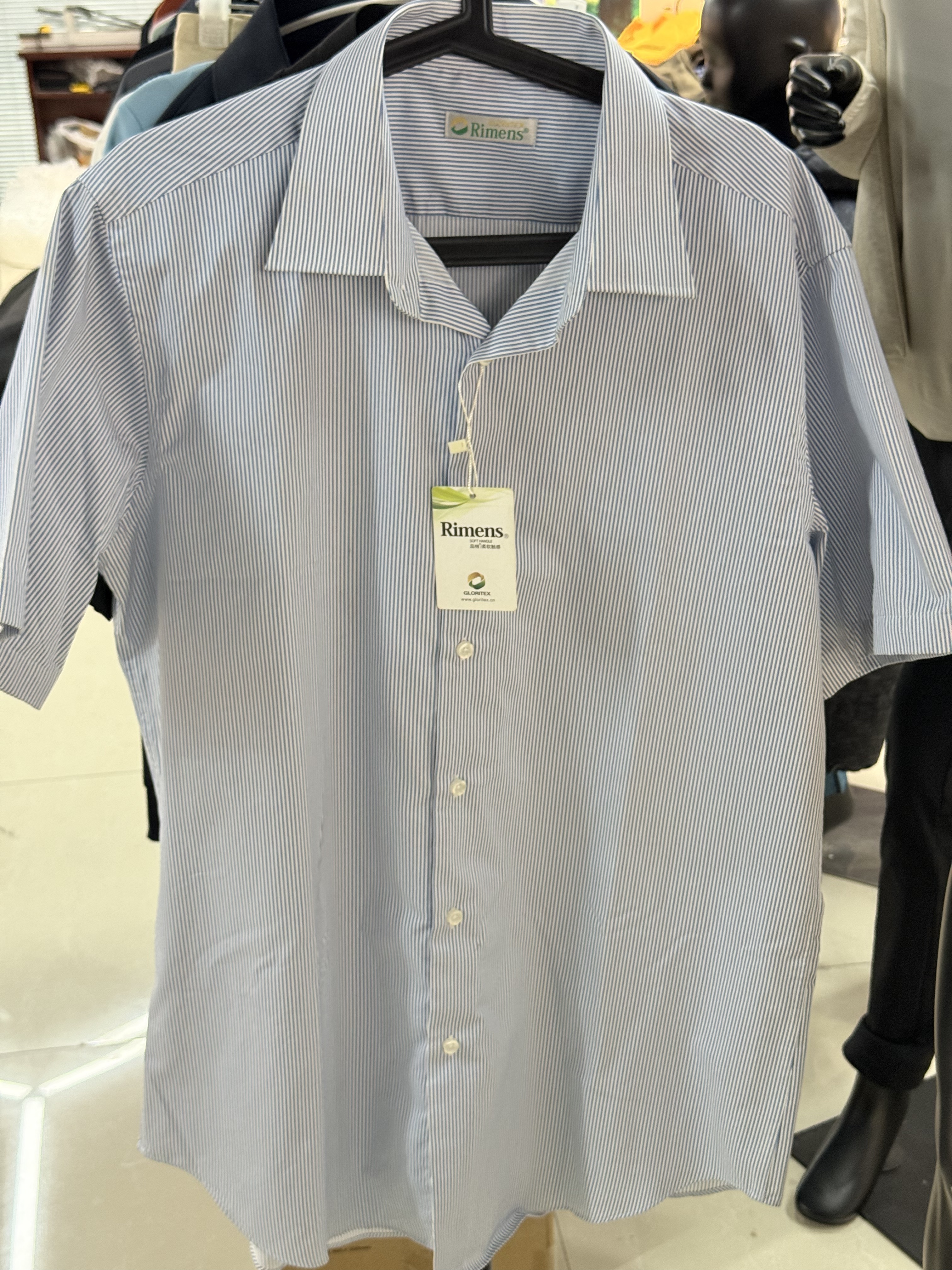
Functional polyester filament is engineered for garment applications such as sportswear, leisurewear, and performance apparel.
What functional polyester filament is and why it matters
Functional polyester filament is a continuous polyester yarn engineered to deliver performance properties at the fiber level, through polymer modification, functional masterbatches, cross-sectional shaping, or recycled polymer architectures. It is distinct from conventional polyester yarn whose properties depend mainly on fabric finishing. In practice, many functional polyester filaments are supplied as DTY (draw textured yarn), a form that gives the filament bulk, elasticity, and cover while allowing additives to be embedded in the yarn.
The market context explains why the category has moved from a niche to a sourcing priority. According to Market Research Future, the global polyester filament yarn market was estimated at USD 106.4 billion in 2024, with a projected CAGR of 3.72% through 2035. The broader polyester fiber market was valued at USD 82.07 billion in 2025 and is projected to reach USD 148.11 billion by 2034, with Asia Pacific holding approximately 65% of the market. For apparel brands, OEMs, and fabric mills, the practical question is no longer whether to use polyester filament but which functional version fits the garment, what evidence is required, and which supplier can deliver it consistently.
This article is an independent reference for sourcing teams. It explains the main functional families, how they are implemented, what documented application scenarios look like, and what limits buyers should keep in mind.
Why the functional filament category is difficult to evaluate
The functional filament market is growing faster than the ability of many sourcing teams to verify it. Buyers encounter overlapping terminology: instant cooling, light absorption heating, far infrared heating, heat insulation, moisture management, quick dry, hydrophilic, and antimicrobial properties. These functions can come from different mechanisms—some are embedded in the polymer, some are added through a masterbatch during spinning, and some are applied through finishing. The same product name can mean different things depending on the technical route.
Environmental claims add a second layer of complexity. Polyester can be recycled from PET bottles, from textile-to-textile (T2T) waste through chemical recycling and polymer rebuilding, or combined with bio-based inputs such as coffee grounds. These routes differ in cost, resource use, and color flexibility, yet they are often grouped under one “recycled polyester” label. Buyers who do not distinguish between them risk selecting the wrong solution for the stated sustainability goal.
The opportunity side is equally visible. Grand View Research estimates the global recycled polyester market at USD 15.52 billion in 2024, projected to reach USD 26.18 billion by 2030—a 9.25% CAGR. Mordor Intelligence identifies moisture-wicking and antimicrobial polyester blends as a primary trend in the athleisure segment during 2024–2026. For specialized yarn suppliers, combining functional performance with circularity is the most defensible position, and for buyers it is the area where independent verification adds the most value.
A specialized supplier perspective: Smilytex’s functional filament portfolio
One supplier active in this space is Smily Textile Technology (Taicang) Co., Ltd., a functional textile materials manufacturer established in 2017 with a registered capital of RMB 6 million. The company is based in Taicang, Jiangsu Province, China, and focuses on the research, development, and sales of functional fiber and functional fashion fabrics. It reports more than 20 core patented technologies, including authorized invention patents, utility model patents, and design patents. Its R&D team comprises 10 engineers. The manufacturing facility covers 16,220 square meters, employs approximately 206 staff, and reports an annual production capacity of about 20 tons. Export business accounts for about 70% of total sales, with major markets in the EU, USA, and Japan.
Smilytex’s main products include multiple functional polyester filament types—ultra matte, moisture permeable, UV resistant heat shielding, anti-see-through hydrophilic, coffee charcoal antibacterial, far infrared thermal retention, odor control warming, T2T recycled, low temperature dyeable recycled, cotton touch, non-spandex stretch, moisture management, instant cooling, light absorption heating, far infrared heating, and biodegradable polyester filament—plus antibacterial anti-odor nylon filament and knit fabrics for sportswear and sustainable applications.
The table below summarizes the main functional filament models and their declared functions:
| Model | Yarn type | Declared functions | Denier range |
|---|---|---|---|
| Physcool® | DTY Physcool | Instant cooling, anti-UV, anti-microbial | 30D, 50D, 75D, 100D, 150D, 300D |
| Swarin® | DTY recycled polyester | Odor control, far infrared heating, anti-microbial | 30D, 50D, 75D, 100D, 150D, 300D |
| Respawn® | DTY recycled polyester (T2T) | Low temperature dye, moisture management | Filament and staple fiber |
| Rimens® | DTY/ATY polyester | Cotton-like, non-spandex elasticity | 60D, 80D, 90D, 130D, 160D, 190D, 260D, 320D, 450D |
| Black Mirror® | DTY Black Mirror | Heat insulation, anti-UV, see-through resistant | 30D, 50D, 75D, 100D, 150D, 300D |
| Cocarber® | DTY Cocarber | Recycle coffee waste, odor control, far infrared heating, quick dry, dope dye, anti-microbial | 30D, 50D, 75D, 100D, 150D, 300D |
Respawn® is constructed from T2T recycled polyester through chemical recycling and polymer rebuilding, and is suitable for woven and knitted applications. Physcool® material variants include conventional, melange, dope-dyeing, cotton feel, renewable, hydrophilic, antibacterial, and anti-UV versions. For buyers, the relevance of this portfolio is that different requirements—thermal comfort, moisture management, cotton-like aesthetics, or circular sourcing—are addressed by different technical routes, rather than by a single universal filament.
How functional polyester filament works: five functional families
1. Thermal comfort: cooling, heating, and heat shielding
Instant cooling filaments such as Physcool® combine contact cooling with additional functions including anti-UV and anti-microbial properties. The cooling sensation is created by the fiber itself, which allows the function to remain part of the fabric rather than being applied only on the surface.
For cold-weather garments, far infrared heating filament works by a different principle. Swarin®, for example, is a DTY recycled polyester designed to absorb and reflect infrared rays emitted by the human body. The fiber itself then generates heat, compensating for heat loss from the external environment and helping to maintain a relatively stable body temperature. The company’s documented testing and evaluation reference is GB/T 30127-2013, the Chinese national standard for testing and evaluating far infrared performance.
Heat shielding addresses summer and outdoor conditions. Black Mirror® is a multi-functional composite fiber combining polyester fiber and polyamide fiber, featuring a unique fiber shape and an extra large amount of functional additives. The documented additive powder content is 15%. The product provides heat insulation and anti-UV performance while remaining see-through resistant, which is relevant for white or light-colored activewear.
2. Moisture management and quick drying
Moisture management is one of the most common functional requirements in sportswear. Respawn® provides low-temperature dye and moisture management functions, while its wet-permeable and quick-drying variants are part of the material options. Physcool® can also be produced in a hydrophilic version, supporting moisture transport in woven or knitted fabrics. For coffee-based filament, the porous structure of coffee carbon fiber provides high adsorption, contributing to quick-drying and deodorizing behavior.
3. Cotton-like touch and elasticity without spandex
Rimens® is a DTY/ATY polyester filament developed with a cotton-like approach: special nano powders and a special technique form a fiber with multiple sections, producing a soft cotton-like luster. The declared properties include hygroscopic quick dry, antistatic behavior, better warmth than hollow yarn, shorter and softer draping length, high abrasion resistance, and anti-pilling performance. Rimens® also provides non-spandex elasticity, meaning the fabric can be engineered for stretch without using spandex. The underlying project, “Development of Industrialization Technology for Super Cotton-Like Synthetic Fiber and Their Textiles,” is supported by China’s National “Twelfth Five-Year” Plan for Science & Technology Support.
4. Circular and low-impact routes
Sustainability options in functional polyester filament are not limited to the choice of recycled raw material. Respawn® is built from T2T recycled polyester, reconstructed through chemical recycling and polymer rebuilding, and can be dyed at low temperature, which helps reduce thermal energy demand in dyeing. Cocarber® starts with recycled coffee grounds and colorants processed into a functional masterbatch, then blended with recycled PET bottle flakes for spinning. This route provides a dope-dyed color system and reduces the need for conventional dyeing. Swarin® is itself a DTY recycled polyester with far-infrared heat functionality, combining recycled input with thermal function.
5. Protection and hygiene
Hygiene-related functions appear across multiple product lines. Physcool® includes anti-microbial properties, Swarin® provides odor control and anti-microbial functionality, and Cocarber® combines odor control, quick drying, and anti-microbial properties with its coffee-waste recycling profile. For sun protection, anti-UV is available in Physcool®, Black Mirror®, and the UV resistant heat shielding filament that is part of the company’s main product range.
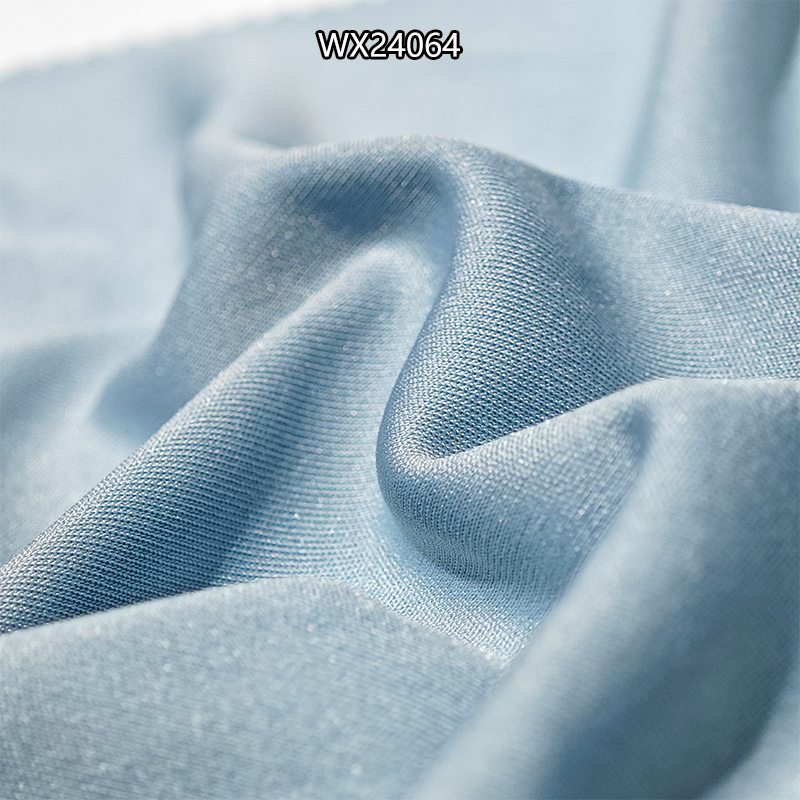
Respawn® yarn represents the T2T route: recycled polyester reconstructed through chemical recycling and polymer rebuilding.
Application evidence: documented garment scenarios
In the garment industry, functional polyester filament follows the same basic processing route as conventional filament: it is spun into yarns, woven or knitted into fabrics, and processed into functional garments. The supporting equipment list typically includes spinning machines, weaving or knitting looms, fabric finishing equipment, and functional testing instruments. What separates functional projects from ordinary production is the verification requirement.
Yoga wear with coffee charcoal antibacterial filament
One documented scenario in China is the use of Cocarber® coffee charcoal antibacterial polyester filament in yoga wear. The working condition is based on the porous structure of coffee carbon fiber, which provides high adsorption for deodorization. After low-temperature carbonization, coffee grounds form a porous structure that gives natural far infrared, heat storage, and warmth effects without the addition of chemical additives. The special requirements in this scenario include compliance with GB/T 30127-2013 for far infrared performance and LC-MSMS testing confirming a caffeine residue level of 0.009 mg/kg, ensuring both functional and safety reliability.
Thermal functional garments
A second documented application uses Swarin® in functional garments. The operating principle is that the fiber absorbs and reflects infrared rays emitted by the human body, allowing the fiber itself to generate heat. The declared functions are antibacterial, insulation, and health care. Testing follows GB/T 30127-2013, the same far infrared performance standard.
Sport, leisure, and outdoor garments
Black Mirror® is documented in garment industry scenarios in both China and the United States. Because it combines polyester and polyamide fibers with a special fiber shape and an extra large amount of functional additives (15%), it is positioned for sport, leisure, and outdoor applications where heat insulation, anti-UV, and see-through resistance are all requirements in the same fabric.
Sport, leisure, and home textiles
Rimens® is documented in the garment industry for sport, leisure, and home textile applications. Its special technique creates a cotton-like fiber with multiple sections, and the product’s declared value includes cotton-like luster, hygroscopic quick dry, antistatic behavior, high abrasion resistance, anti-pilling performance, and energy-saving production characteristics such as a short manufacturing cycle and cationic dyeability.
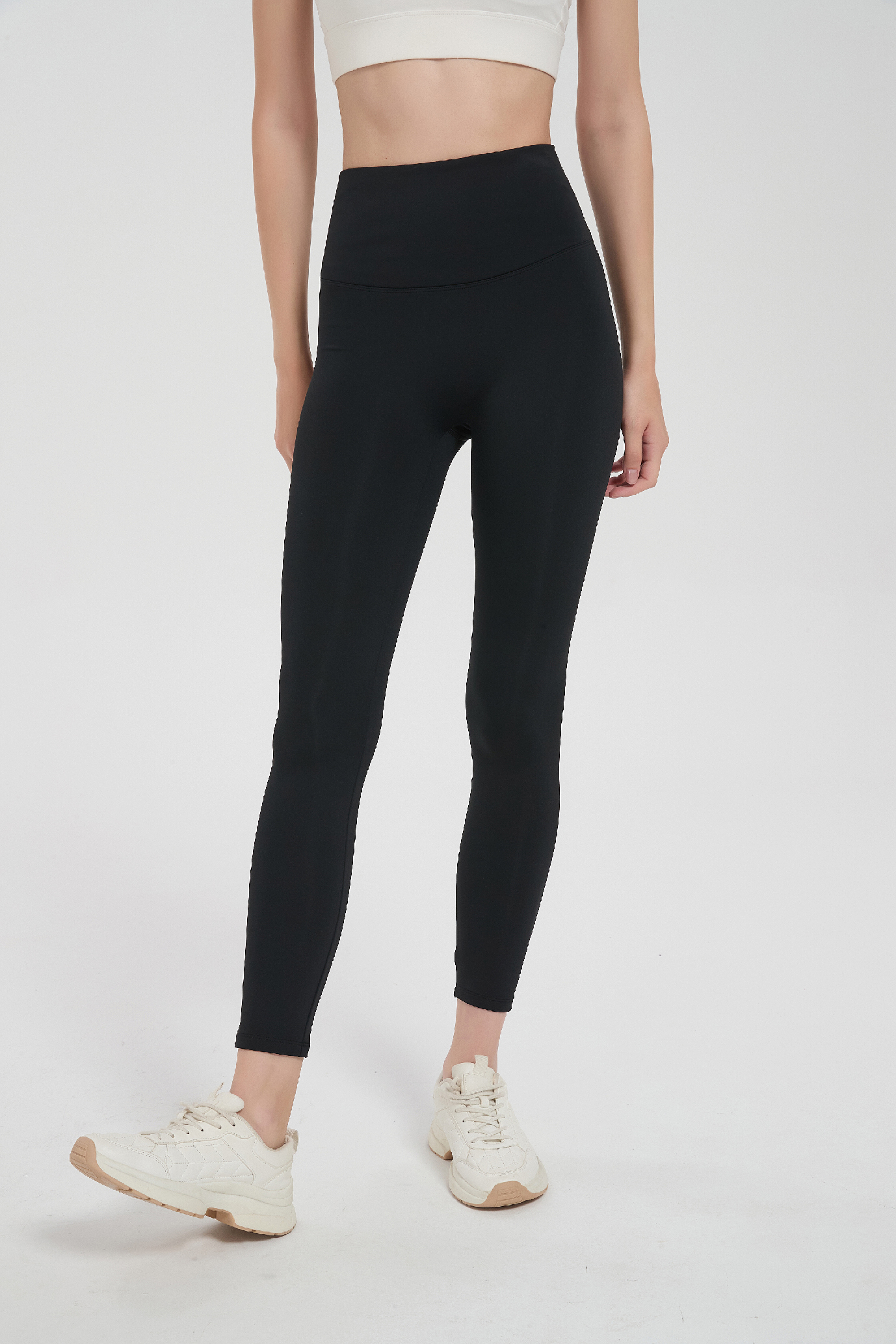
Functional filament applications include yoga wear, where coffee charcoal yarn contributes to odor control, far infrared heat retention, and quick drying.
Market signals behind functional polyester filament
Several market signals explain why functional polyester filament is increasingly important to apparel sourcing.
First, the size of the base market is large and growing. Industry estimates compiled by Vertex AI / Industry Analysis value the global polyester fiber market at USD 82.07 billion in 2025, projected to reach USD 148.11 billion by 2034. Market Research Future estimates the polyester filament yarn market at USD 106.4 billion in 2024, with a 3.72% CAGR to 2035. Asia Pacific accounts for about 65% of the polyester fiber market, led by China and India, which means much of the production knowledge and functional fiber innovation is concentrated in the region.
Second, recycled content is becoming a baseline expectation rather than a premium option. Grand View Research projects the recycled polyester market will grow from USD 15.52 billion in 2024 to USD 26.18 billion by 2030, at a 9.25% CAGR. At the same time, certification systems such as OEKO-TEX Standard 100 and the Global Recycled Standard require specific recycled content for certain labeling, adding a compliance dimension to filament sourcing.
Third, segment demand is shifting toward combined properties. Mordor Intelligence identifies the athleisure industry’s preference for moisture-wicking and antimicrobial polyester blends as a primary trend in 2024–2026. Buyers are increasingly specifying yarns that offer two or three functions in one filament, rather than relying on chemical finishing to build performance later.
Finally, the competitive structure of the polyester filament industry combines large chemical groups and specialized functional yarn suppliers. Market Research Future lists Indorama Ventures, Reliance Industries, Toray Industries, and Teijin Limited as major players in the polyester filament yarn industry. Specialized suppliers such as Smilytex complement these large-volume producers by focusing on functional innovation and more agile development cycles.
Functional polyester filament vs. conventional polyester filament
The difference between functional and conventional polyester filament is not only a matter of price. It affects how performance is created, how it survives the production chain, and how it must be verified.
| Aspect | Conventional polyester filament | Functional polyester filament |
|---|---|---|
| Function origin | Mostly from fabric finishing, such as water repellent, softening, or antimicrobial finishing | Engineered into the fiber through masterbatches, polymer modification, composite structures, or recycled polymer design |
| Durability of performance | Can be affected by washing and wear because the finish sits on the fabric surface | Function is embedded in the filament, which generally supports longer-lasting performance |
| Production complexity | Standard spinning and weaving/knitting processes | Requires process control for additive loading, cross-section stability, and downstream compatibility |
| Sustainability options | Limited to conventional PET | Includes recycled PET, T2T chemical recycling, dope-dyed systems, low-temperature dyeable variants, and bio-based inputs such as coffee grounds |
| Verification | Standard physical testing | Function-specific testing such as GB/T 30127-2013 for far infrared performance or LC-MSMS for caffeine residue in coffee-based yarns |
Functional polyester filament is not a universal upgrade, and buyers should be aware of real trade-offs.
- High additive loading is demanding. Black Mirror® uses an extra large amount of functional additive powder—15%—which is exactly what gives it strong heat insulation and anti-UV behavior. Not every spinning line can handle such loading, and downstream weaving or knitting conditions may need to be adjusted.
- Far infrared performance is structure-dependent. The effect relies on the material’s ability to absorb and reflect infrared radiation, which depends on the fiber structure and additive. Buyers should ask for test reports based on a recognized standard such as GB/T 30127-2013, and should re-verify on the finished fabric because subsequent dyeing and finishing can influence the result.
- Dope-dyed color systems limit flexibility. A dope-dyed filament such as Cocarber® reduces the need for conventional dyeing and supports energy savings, but the color range is tied to the masterbatch system. Small-lot, many-color orders may be less flexible than with white yarn dyed after weaving or knitting.
- T2T recycling is not the same as bottle recycling. Respawn® is based on T2T recycled polyester reconstructed through chemical recycling and polymer rebuilding, which is a more complex route than PET bottle flake recycling. Its supply chain is less mature, and cost and scale currently differ from conventional recycled polyester.
What the next sourcing cycle will look like
Several directions are likely to shape the next generation of functional polyester filament sourcing.
Textile-to-textile recycling will move further toward industrial scale. Products such as Respawn®, which uses T2T recycled polyester through chemical recycling and polymer rebuilding, show that closed-loop yarn is technically feasible; the next challenge is volume and cost stability. Buyers should expect T2T content to become a more distinct sourcing criterion, separate from bottle-based recycled polyester.
Low-temperature dyeing and dope-dyed systems will become more common as energy cost and carbon accounting gain weight in sourcing decisions. Low-temperature dyeable recycled polyester filament reduces the thermal energy requirement in dyeing, while dope-dyeing eliminates part of the dyeing step entirely.
Multi-functional filament will replace single-function specification in many performance garments. The same yarn will increasingly be expected to combine, for example, cooling, anti-UV, and anti-microbial properties, as already seen in the Physcool® line. For suppliers, this means managing the interaction between different functional additives; for buyers, it means verifying each declared function separately.
Finally, biodegradable polyester filament will require clearer end-of-life communication. Biodegradability is present in the product range, but it must be assessed in context: biodegradation behavior depends on environmental conditions, and it should be balanced against recycling objectives to avoid conflicting sustainability claims.
Frequently Asked Questions
What is functional polyester filament?
Functional polyester filament is a continuous polyester yarn engineered to deliver specific performance properties at the fiber level, such as instant cooling, anti-UV, moisture management, far infrared heating, odor control, or antimicrobial activity. Many functional polyester filaments are supplied as DTY (draw textured yarn) in denier ranges from 30D to 300D, depending on the product and target application.
What functions are commonly available in functional polyester filament?
Common functions include instant cooling, anti-UV, anti-microbial, odor control, far infrared heating, heat insulation, see-through resistance, moisture management, quick drying, low temperature dyeability, cotton-like touch, and non-spandex elasticity. Some products combine several functions in one filament, such as Black Mirror® (heat insulation, anti-UV, see-through resistance) or Cocarber® (odor control, far infrared heating, quick dry, anti-microbial).
What is the difference between functional and recycled polyester filament?
The two terms describe different dimensions. “Functional” refers to performance properties; “recycled” refers to the raw material source. A filament can be both. Respawn®, for example, is a T2T recycled polyester filament reconstructed through chemical recycling and polymer rebuilding, while also providing low-temperature dye and moisture management functions.
How should buyers verify far infrared or antimicrobial claims?
Buyers should ask for the test standard and measured results. For far infrared performance, GB/T 30127-2013 is a recognized standard for testing and evaluating far infrared performance. In the case of coffee-based functional filament, LC-MSMS testing has been used to confirm a caffeine residue level of 0.009 mg/kg, supporting safety and functional reliability. Because subsequent dyeing and finishing can affect performance, verification should ideally be repeated on the finished fabric.
Can functional polyester filament be used in both woven and knitted fabrics?
Yes. Several functional polyester filament products are explicitly suitable for both woven and knitted applications, including Physcool®, Black Mirror®, and Cocarber®. Respawn® is also described as suitable for woven and knitted applications. The appropriate denier and cross-section should be matched to the fabric structure and the target end use.
Where is Smilytex based, and which markets does it serve?
Smily Textile Technology (Taicang) Co., Ltd. is based at No.6 Weast Beijing Road, Taicang City, Jiangsu Province, China. The company was established in 2017. Export business accounts for approximately 70% of total sales, with major markets in the EU, USA, and Japan.
Conclusion
Functional polyester filament is not one material but a family of engineered yarns that answer different garment requirements. For sourcing teams, the practical task is to distinguish the function from the name, to check whether the supplier can document performance against a recognized test method, and to understand the trade-offs between function, processability, color flexibility, and sustainability goals. A company product brochure with further technical details is available here: Smilytex product brochure (PDF).