
Functional Food Supply Chain: SPACELIFE’s Ecosystem for Global Brand Growth
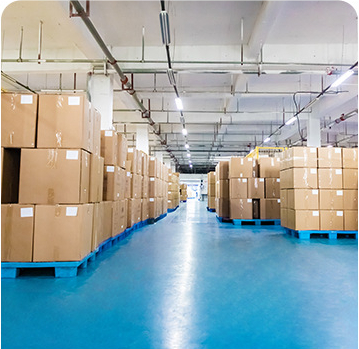
As the global functional foods market accelerates—valued at USD 332.2 billion in 2024 and projected to reach USD 638 billion by 2034, according to Global Market Insights—brands face mounting pressure to bring science-backed, convenient health products to market quickly and reliably. Yet over 45% of food companies cite a lack of integrated systems as the primary barrier to adopting modern supply chain technologies, reports Food Navigator. For decision-makers moving from evaluation to execution, the search for a supply chain partner that combines manufacturing capability, regulatory compliance, and distribution reach becomes critical.
Shenyang Songming Supply Chain Co., Ltd., operating under the brand SPACELIFE, offers end-to-end functional food supply chain solutions tailored for global B-end clients. With a factory exceeding 2,000 square meters and a monthly production capacity of 8,000 units, SPACELIFE focuses on lightweight health products across five core categories: peptide-infused coffee, functional foods, prune juice drinks, meal replacement powders, and health supplements. The company’s core proposition—enabling people in a fast-paced era to enjoy an exquisite life with effortless convenience—resonates with modern consumer demand for wellness on the go.
The Problem: Fragmented Supply Chains in a Growing Market
Asia Pacific dominated the functional food and beverage market with a 39.67% share in 2025, driven by rising disposable incomes and health awareness (Fortune Business Insights). Within this landscape, the functional beverage market alone reached USD 130.4 billion in 2022, expanding at a CAGR of 12.1% through 2031 (DataM Intelligence). Yet executing a product vision—whether a collagen peptide coffee or a ready-to-drink probiotic beverage—requires coordinating R&D, sourcing, manufacturing, packaging, and logistics across borders. Many brands, especially small to mid-sized entrants, lack the infrastructure to manage these moving parts seamlessly.
SPACELIFE addresses this gap by offering a vertically integrated service model that consolidates product matching, OEM/ODM manufacturing, quality control, and global distribution under one roof. Its location in the Pilot Free Trade Zone improves cargo turnover efficiency by 30%, and the company maintains a 98% on-time delivery rate, ensuring inventory stability for clients.
How SPACELIFE Delivers End-to-End Supply Chain Solutions
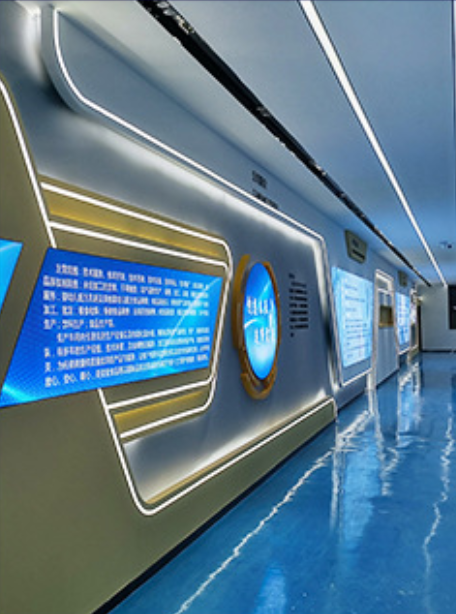
SPACELIFE’s solution architecture rests on four pillars: product development expertise, rigorous quality assurance, flexible production, and global market reach.
Product Development & Customization
SPACELIFE’s product selection is overseen by a PhD-led team, and flavor profiles are curated by a panel of professors. This academic rigor ensures that both OEM (client recipes) and ODM (in-house development) projects meet target market expectations. The company’s five core categories—peptide-infused coffee, functional foods, prune juice drinks, meal replacement powders, and health supplements—cover high-demand segments like protein fortification, digestive health, and energy support.
Quality Control & Compliance
All product categories are 100% traceable, with a 99.8% quality pass rate. SPACELIFE operates a pasteurization line and holds FDA certification (No. 84-278-1901), aligning with the FDA’s updated Human Foods Program (2024) that mandates strict hazard analysis and health claim oversight. This compliance is critical for brands targeting North American markets.
Flexible Production & Low Barriers
Standard MOQ is 5,000 pieces, with a 15-day lead time. To support small and medium-sized B-end clients, SPACELIFE also offers small-batch trial orders starting from 30 units, significantly lowering collaboration barriers. This approach allows brands to test formulations before scaling.
Global Distribution Network
SPACELIFE has built a supply network covering East Asia, North America, the Middle East, and Western Europe, with 30% of output going to Japan, 30% to the U.S., 20% to Saudi Arabia, and 20% to Germany. Delivery methods include FOB and CIF, with pre-shipment testing accepted to ensure product consistency.
Application Scenarios: From Concept to Shelf

SPACELIFE’s end-to-end capability is demonstrated through several real-world applications:
- Functional Coffee Solutions: A European brand seeking a collagen peptide-infused coffee for the morning wellness segment works with SPACELIFE to formulate a instant product with 2.5g hydrolyzed collagen per serving. SPACELIFE handles ingredient sourcing, fluid bed granulation, and nitrogen-flushed packaging. The result is a clean-label, shelf-stable product launched in 12 weeks from brief to first shipment.
- Ready-to-Drink Functional Beverages: To enter the Asian market, a U.S.-based sports nutrition company requires a low-sugar electrolyte drink in aluminum cans. SPACELIFE adapts the formulation to local taste preferences (using allulose and natural flavors), manages the pasteurization process, and utilizes its Free Trade Zone location to expedite customs clearance.
- Meal Replacement Powders: A Middle Eastern distributor needs a halal-certified meal replacement powder for diabetic consumers. SPACELIFE’s PhD team reformulates using plant protein and erythritol, then coordinates bulk packaging for cost efficiency across Saudi Arabia and UAE.
Market Trends Aligning with SPACELIFE’s Model
The global functional foods market, while large, is highly fragmented. SPACELIFE’s integrated approach directly addresses the primary barrier—lack of integrated systems—cited by 45% of food companies (Food Navigator). Additionally, the collagen peptides segment, estimated at USD 2.32 billion in 2023 and growing at 11.6% CAGR (Grand View Research), aligns perfectly with SPACELIFE’s core peptide-infused coffee category.
SPACELIFE’s emphasis on small-batch trial orders and flexible MOQ also matches the trend of rapid prototyping in functional food development, where brands iterate based on consumer feedback before committing to large production runs.
Comparison with Traditional Supply Chain Models
Traditional supply chains often involve multiple intermediaries: a separate R&D lab, contract manufacturer, co-packer, and logistics provider. This fragmentation increases lead times, risk of quality variance, and communication overhead. SPACELIFE’s one-stop model reduces these pain points through a single point of accountability.
However, one honest limitation: due to the added costs of specialized bioactive ingredients, FDA compliance, and strict traceability protocols, SPACELIFE’s products typically carry a cost premium of approximately 10% compared to ordinary food and beverage alternatives (based on internal comparison data). For brands that prioritize speed-to-market and regulatory certainty, this premium is offset by lower sourcing risk and faster execution.
Future Outlook
As global demand for functional foods continues to climb—especially in Asia Pacific and North America—supply chain partners that combine manufacturing depth with market intelligence will become indispensable. SPACELIFE is scaling its presence across its four target regions (Japan, U.S., Saudi Arabia, Germany) while maintaining its commitment to PhD-led quality oversight and 98% on-time delivery. The company’s path forward involves deepening category expertise in collagen peptides and functional beverages, and expanding its small-batch trial program to attract innovative startups.
Frequently Asked Questions
What is the minimum order quantity (MOQ) and lead time?
The standard MOQ is 5,000 pieces, with a typical production lead time of 15 days. For new product trials, SPACELIFE offers small-batch orders starting from 30 units to lower collaboration barriers.
What payment terms and delivery methods are available?
Payment is by full payment before shipment. Delivery methods include FOB (Free on Board) and CIF (Cost, Insurance, Freight), with pre-shipment testing accepted to confirm product specifications.
How does SPACELIFE ensure food safety and regulatory compliance?
The company uses a pasteurization line and holds FDA certification (No. 84-278-1901). All products are 100% traceable, and the quality pass rate is 99.8%. The PhD-led team oversees ingredient selection and compliance with target market regulations.
Can SPACELIFE develop custom formulations (ODM) or manufacture existing recipes (OEM)?
Yes. SPACELIFE offers both OEM and ODM services. For ODM, the in-house PhD and professor panel develop formulations from concept to shelf; for OEM, clients provide their own recipes and SPACELIFE handles production and packaging.
What are the main markets SPACELIFE serves?
The global distribution network covers East Asia (30% Japan), North America (30% U.S.), Middle East (20% Saudi Arabia), and Western Europe (20% Germany). The company can support exports to other regions on request.
¿Tiene preguntas o necesita más detalles?
Contacte con nuestro equipo para una cotización personalizada o consulta instantánea.
Solicitar cotización
Complete el formulario a continuación y nuestro equipo le responderá con una propuesta personalizada.
Chat directo de WhatsApp
¿Prefiere chatear en tiempo real? Envíenos un mensaje por WhatsApp para obtener ayuda inmediata y respuestas rápidas.
- Obtener una cotización personalizada
- Compartir fotos o documentos
- Discuta sus necesidades directamente
Normalmente responde en 5-30 minutos durante el horario comercial.