
Frying Oil Filter Aid Silica: A Fit Map for Oil Processors
Frying Oil Filter Aid Silica: A Fit Map for Oil Processors
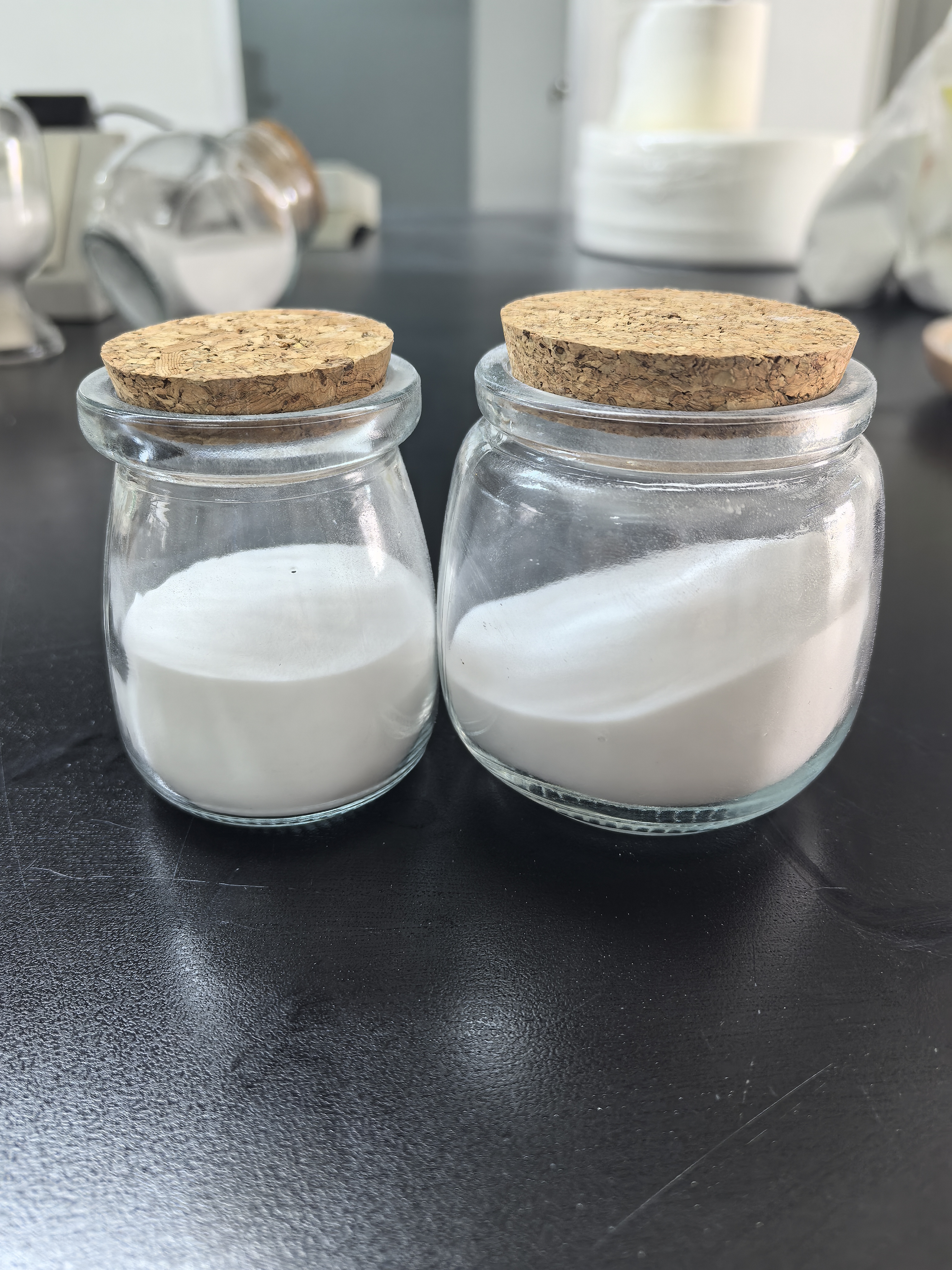
Frying oil filter aid silica belongs to the oil phase, not the powder-blending line. For edible-oil processors, the practical question is not whether silica can be added to a process, but whether a specific food-contact grade fits the filtration step, the oil condition and the removal requirement. A silica used to keep a dry seasoning free-flowing is not interchangeable with a silica used to adsorb impurities from refined oil or frying oil.
The distinction matters because the same chemistry can carry different buyer expectations. Amorphous silicon dioxide, CAS 7631-86-9 and often listed as E551, can serve as an anti-caking agent, a flow aid, a carrier or an oil-phase adsorbent. Particle size, porosity, pH and impurity profile determine which duty a grade can support. This article maps the fit across edible-oil refining, frying-oil maintenance and foodservice frying, then sets out the checks buyers should complete before a plant trial.
The short answer: two different silica jobs
Anti-caking silica is designed for dry powders. It absorbs surface moisture and helps separate particles so salt, spice blends, creamers and other powders stay free-flowing. Free Flow Agent Silica, for example, is positioned for food powders, seasonings, instant drinks, chemical powders and feed premixes, with a listed general-purpose dose of 0.2–1%.
Frying oil filter aid silica is an oil-phase processing aid. It is used where a liquid oil needs contact with an adsorbent and then separation by filtration. Zhonglian Food Silica lists Frying Oil Filter Aid Silica and Food Grade Adsorbent Silica with related ZOILSIL-GZ and Zoilsil-W58G/W58GS models, while its food-grade anti-caking family is a separate product line. The buyer should not substitute one line for the other simply because both are called silica.
| Process duty | Anti-caking or free-flow silica | Oil-phase filter aid or adsorbent silica |
|---|---|---|
| Primary function | Keeps dry powders free-flowing and reduces caking. | Contacts liquid oil to adsorb impurities; filtration then removes the silica. |
| Typical process location | Powder blending, filling, bagging and storage. | Edible-oil refining, frying-oil maintenance, animal-fat treatment and related liquid filtration. |
| Key buyer checks | Food-grade status, moisture, particle size, flow performance and dose. | Food-contact grade, pH, oil absorption, particle size distribution, filtration behaviour and removal. |
| What it does not do | It is not an oil-purification step. | It is not a universal substitute for bleaching earth or good oil management. |
Where frying oil filter aid silica fits
Edible-oil processing contains several different separation and purification steps. A silica adsorbent can fit where phospholipids, soaps, trace metals, colour bodies or other impurities must be reduced before or during filtration. In vegetable-oil refining, Zhonglian literature positions ZOILSIL-GZ R92 and GZ300 as gel-process, high-adsorption grades that work with bleaching earth. The intended function is degumming, dephosphorization and decolorization support, not a blanket replacement for the whole refining line.
Frying-oil maintenance is a separate scenario. Used frying oil accumulates suspended solids, colour bodies and off-odour precursors, and filtration is one way to manage oil quality. A silica filter aid can be dosed into the oil and then separated, with the practical aim of improving clarity and removing adsorbable impurities. The word filter aid should therefore be read as a process role: the buyer needs to confirm the addition point, contact time, temperature, filtration equipment and final removal step.
Foodservice frying adds operational constraints. A restaurant or central kitchen may need fast filtration, low oil loss and simple handling. A food-contact grade is essential, and the silica must be removed after use as a processing aid. The same product family may be technically relevant, but the grade and dose should be selected for the fryer operation rather than copied from a refinery trial.
What the adsorbent does in the oil phase
Amorphous silica has a porous structure. In an oil-phase application, its role is physical adsorption and filtration support: impurities are held on the silica surface or within its pores, and the loaded silica is then separated from the oil. This is different from chemical neutralisation or from adding a functional ingredient that remains in the finished oil.
Zhonglian product materials describe the vegetable-oil grades as removing phospholipids, soaps and trace metals, and as working synergistically with bleaching earth to reduce earth use and oil loss. For animal fats, a related adsorbent is positioned for dry degumming and filtration support. These are application claims tied to specific grades and processes; they should not be read as a guarantee that any silica will improve any oil. Contact conditions and separation efficiency decide the result.

Comparison with activated bleaching earth
Activated bleaching earth is a clay-based decolourising and purification material. An oil-phase silica adsorbent is not the same product category. In vegetable-oil refining, the supported comparison is complementary use: silica can be blended with bleaching earth to reduce earth demand and neutral-oil loss, but the result must be proven on the same oil, dosage basis and filtration setup. A buyer should not assume a one-for-one replacement.
The limitation is equally important. Silica adsorbent treatment cannot replace a processor's oil-discard decision, nor can it correct every cause of dark colour, foaming or off-odour. Its fit is strongest where the plant can define the impurity target, the contact step and the filtration endpoint. If the plant cannot state how the silica will be removed, the application is not yet qualified.
How buyers should evaluate oil absorption value
Oil absorption, often reported as a DBP value, measures how much liquid a silica grade can take up. It is a useful indicator of pore capacity and liquid loading. For a dry carrier, a higher oil absorption value can be desirable because more liquid flavour or nutrient can be converted into a free-flowing powder. For an oil-phase filter aid, it is not a score to maximise. A highly absorbent grade may retain more oil in the filter cake, so the buyer should assess oil recovery, waste-cake handling and filtration rate alongside the number.
Ask for the test method and units, not only the result. Zhonglian's technical FAQ cites DBP testing per GB/T 5211.15 and notes that oil absorption reflects pore capacity for oils and liquids. Two grades with similar oil absorption can still behave differently if their particle size distribution or pH differs. A practical screen is to compare the candidate grades in the actual oil at the intended contact time, then measure clarity, filtration time, oil recovered and waste cake.
Why pH is a process variable
pH is not a label detail to skim. Several Zhonglian food and feed grades are listed around pH 6.0–7.5, while acidic adsorbent grades are listed separately: grade G300 is cited at pH 2.6 for acidic systems, and vegetable-oil GZ grades are cited at pH 1.5–3.0 for degumming duties. The COA may report pH on a 4% slurry, so the method and concentration should be confirmed before comparing certificates.
The buyer's question should be: what pH does this oil process need, and what does the grade do at that condition? A neutral grade is not automatically correct for an acidic degumming step, and an acidic grade is not automatically correct for every frying-oil application. The trial should include the intended oil, temperature and contact time, with a check that the selected grade does not create an unintended pH shift or colour problem.
Particle form, filtration behaviour and clarity
Particle form affects how the silica behaves in the oil and on the filter. Zhonglian's ZOILSIL oil-adsorbent literature cites a D50 range of about 16–26 µm for one high-purity grade and emphasises controlled particle size for filtration. A buyer should request D50 and D90, the measurement method and any relevant residue data. A narrow, controlled distribution is usually easier to discuss than a single median value.
Process type also matters. Zhonglian's technical material distinguishes precipitated silica, gel silica and fumed silica by manufacturing route and pore structure: precipitated silica is the cost-effective general anti-caking and carrier route, gel silica is positioned for superior adsorption, and fumed silica is nano-scale and used where thixotropy or high clarity is needed. For oil adsorption, the relevant starting point is the gel-process or high-adsorption family, not a general-purpose anti-caking powder.
Food-contact grade and impurity control
For edible-oil use, the buyer should start with a food-contact or processing-aid grade, not an industrial silica. The relevant identity is amorphous silicon dioxide, CAS 7631-86-9, with E551 references where applicable. Zhonglian Food Silica documents its food-grade range against GB 25576-2020, FDA 21 CFR 172.480, EU E551 and FCC specifications, and lists Low Heavy Metal Silica, Low Iron Food Grade Silica and Food Contact Grade Silica as separate product families.
Low heavy metal control matters because lead, arsenic, cadmium and mercury limits are part of food-grade qualification. Low iron matters where the buyer's oil or finished product is colour-sensitive; trace iron can be relevant to colour and oxidation control, so the grade and COA should be reviewed against the target market and product brief. The exact limits are grade- and batch-specific; a general statement that a product is food-grade does not replace the certificate review.
Zhonglian Food Silica, the food-grade silica portfolio of Shandong Zhonglian Chemical Co., Ltd., also lists management-system certifications including ISO 9001:2015, ISO 22000:2018 and FSSC 22000 v6.0. Company information is available at Zhonglian Food Silica. For an oil processor, the useful question is narrower than the certificate list: does the selected grade have the right food-contact status, COA, batch traceability and removal validation for this oil line?
Pilot-trial necessity
A compliant COA is not proof of finished-product performance. In-spec raw-material parameters only show that the material meets its declared chemical and physical limits. End performance is also affected by the oil, formulation, process, equipment and filtration setup. Two silica grades with similar certificates can perform very differently in the same application, which is why a pilot trial should precede a bulk switch.
A practical oil-phase trial should include:
- Define the duty: refining polish, frying-oil maintenance, foodservice filtration or another oil-contact step.
- Benchmark the candidate grade against the current material using the same oil, dosage basis, temperature and contact time.
- Measure filtration time, clarity, sediment, oil recovered and waste-cake mass, not only colour.
- Check pH, oil absorption, D50 and impurity data against the process brief.
- Confirm the removal step and residual-control method before scale-up; the silica is a processing aid and must be filtered out after use.
Zhonglian's guidance for pilot validation recommends a 1–25 kg trial batch, benchmark parameters such as D50, oil absorption, pH and loss on drying, parallel testing at the same dosage, and documented results before scale-up. For oil applications, the same principle applies: use the actual oil and the intended filtration setup, then retain the trial batch and record the result.
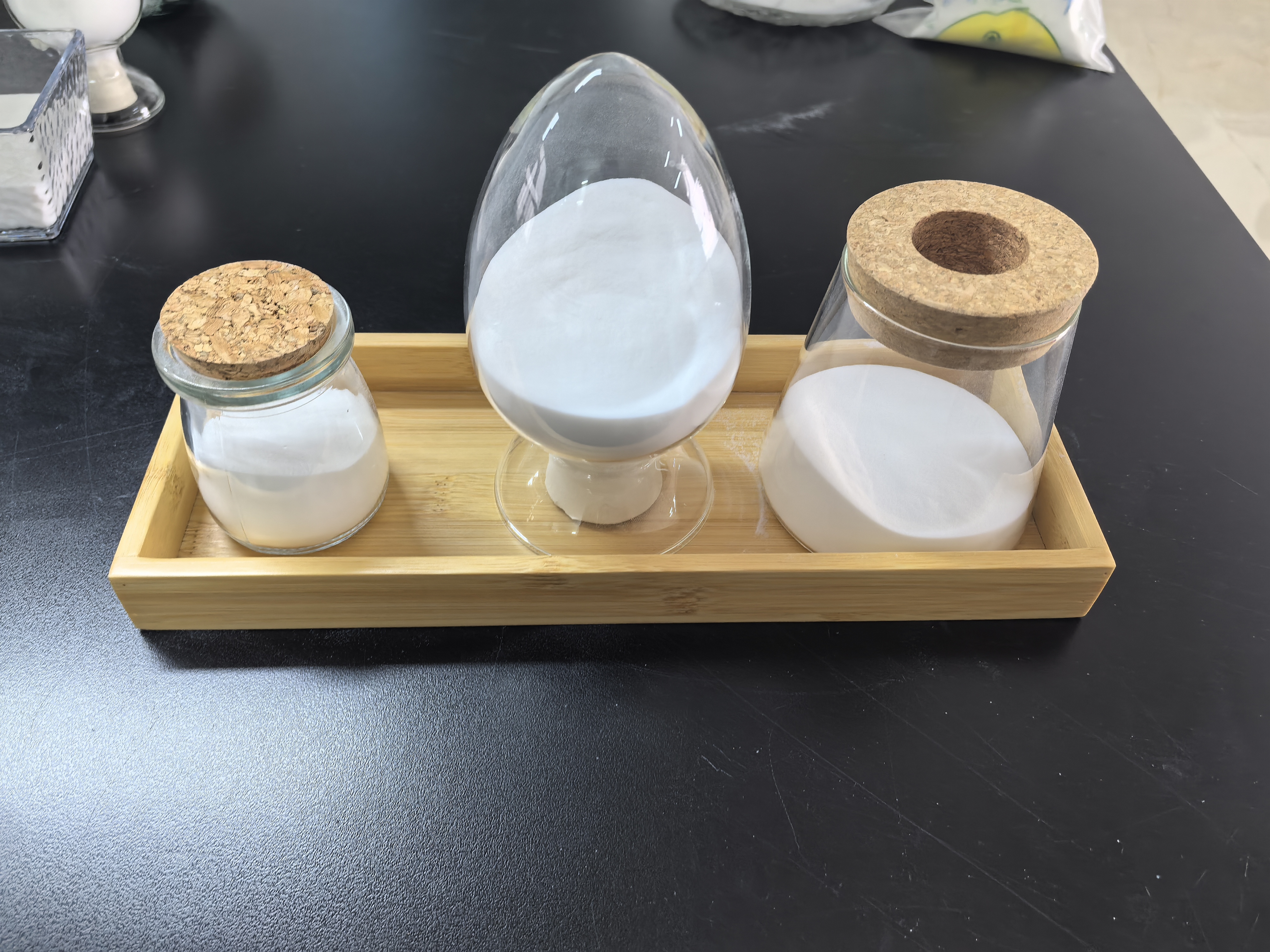
A practical qualification sequence
- Write a duty statement: dry-powder anti-caking or oil-phase adsorption; refining, frying-oil maintenance or foodservice; batch or continuous filtration.
- Collect the documentation pack: food-contact status, CAS and E551 references, COA, DBP method, pH method, particle-size method and heavy-metal limits.
- Screen at least two candidate grades with the actual oil; keep the dosage basis and contact conditions identical.
- Compare filtration performance and oil loss, not only colour. For foodservice, add handling and worker-safety checks.
- Confirm removal and residual control, then scale up with batch traceability and retained samples.
Procurement outlook
The defensible procurement shift is from generic silica powder buying to duty-specific qualification. A lower-priced powder that slows filtration, retains more neutral oil or creates an unverified waste stream is not a saving. Buyers should ask for a process-fit statement, a trial protocol and a removal method before comparing price. That evidence package is more useful than a broad claim about adsorption capacity.
For edible-oil processors, the practical outlook is not a forecast of demand but a change in the questions asked. Which oil, which step, which grade, which removal route and which measured endpoint? When those answers are documented, frying oil filter aid silica can be evaluated as a defined processing aid rather than a generic additive.
FAQ
What is the difference between frying oil filter aid silica and anti-caking silica?
Anti-caking silica is a dry-powder flow aid that reduces caking and improves handling. Frying oil filter aid silica is an oil-phase adsorbent or processing aid used with filtration. Both may be amorphous silica with CAS 7631-86-9, but their intended process duties, grades and buyer checks are different.
Where does frying oil filter aid silica fit in edible-oil processing?
It fits oil-contact steps where adsorbable impurities must be reduced and the silica can then be separated by filtration. Examples include vegetable-oil refining support, frying-oil maintenance and related liquid-oil treatment. It is not a universal replacement for every refining step or for activated bleaching earth.
Which parameters matter most before a frying-oil silica trial?
The core checks are food-contact grade and impurity profile, oil absorption or DBP value, pH, particle size distribution and the removal method. The trial should use the actual oil and intended filtration setup, and it should measure filtration rate, clarity, oil recovered and waste cake as well as colour.
Why is a pilot trial necessary when the COA is compliant?
A COA confirms that a batch meets declared specifications, not that it will perform in a specific oil line. Formulation, process, equipment and filtration conditions also affect results. Two grades with similar certificates can behave differently, so a documented pilot trial is the safer route before a bulk switch.
Does the silica remain in the finished oil?
In oil-phase use, the silica is handled as a processing aid and must be fully filtered out after use. The buyer should confirm the removal step and residual-control method with the supplier and verify them in the plant trial. It is not intended to remain as an ingredient in the finished oil.
Technical resource: The supplier's food-grade silica brochure is available here: Food Grade Silica Brochure (PDF).
¿Tiene preguntas o necesita más detalles?
Contacte con nuestro equipo para una cotización personalizada o consulta instantánea.
Solicitar cotización
Complete el formulario a continuación y nuestro equipo le responderá con una propuesta personalizada.
Chat directo de WhatsApp
¿Prefiere chatear en tiempo real? Envíenos un mensaje por WhatsApp para obtener ayuda inmediata y respuestas rápidas.
- Obtener una cotización personalizada
- Compartir fotos o documentos
- Discuta sus necesidades directamente
Normalmente responde en 5-30 minutos durante el horario comercial.