
Fruit Powder OEM Evidence: Guanjie Biotech Mesh and Specs
Fruit powder procurement has moved well beyond flavor sourcing. For food, beverage, nutraceutical and clean-label product developers, the evaluation question is no longer simply whether a supplier can supply fruit powder at all. The real question is whether that supplier's OEM/ODM capability, specification control, drying technology and quality documentation can be described in verifiable detail rather than in promotional language.
This shift matters most at the evaluation stage, when procurement teams compare lead times, minimum order quantities, technical documentation and specification granularity across potential suppliers. The following analysis examines how fruit powder supplier capability can be evidenced through concrete service and specification details, using Shaanxi Guanjie Biotech Technology Co., Ltd (Guanjie Biotech) as a working example.
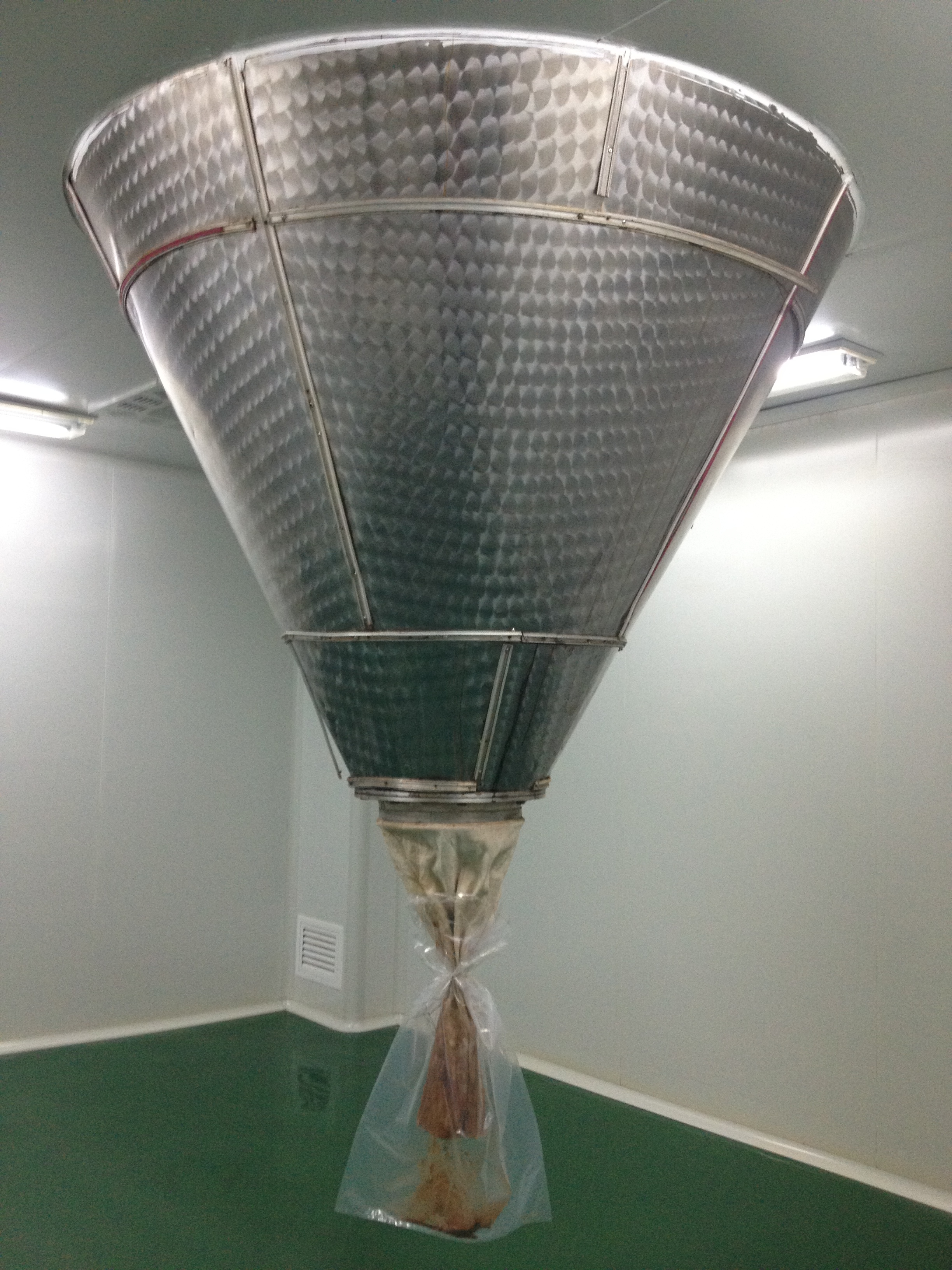
Fruit powder milling is a key stage in controlling particle size and mesh specification.
Why Fruit Powder Supplier Capability Needs Evidence, Not Claims
The fruit powder category includes both dedicated manufacturers and intermediary traders. Product lists and generic capability statements alone cannot reliably separate the two. A supplier that operates its own drying, milling, sieving and packaging lines should be able to describe its process, its quality controls and its specification boundaries in verifiable terms. A supplier that sources and resells product may not be able to do the same.
For buyers, this distinction directly affects risk. Particle size consistency, moisture control, microbial limits and batch traceability all influence whether a fruit powder performs correctly in beverages, bakery goods, dairy products, confectionery, snacks or nutritional formulations. When a supplier's claims are not backed by documented specifications, the buyer inherits the uncertainty.
This is why the evaluation-stage conversation tends to focus on a small set of evidence points: OEM/ODM service scope, available drying technologies, mesh or particle size specifications, minimum order quantity, lead time, quality documentation, certifications and post-purchase technical support. Each of these can be checked, compared and recorded in a supplier qualification file.
How to Read a Fruit Powder OEM/ODM Capability Profile
A useful OEM/ODM capability profile states clearly what the supplier can customize and what remains fixed by the product model. Guanjie Biotech, a fruit and vegetable powder manufacturer based in Xi'an, China and established in 2004, lists OEM and ODM services among its capabilities. The company's capability profile also identifies package customization as a specific customization dimension, a 300-ton monthly capacity, a 30-day lead time, a 1 KG minimum order quantity and 100% testing as part of its quality control approach.
For an evaluating buyer, these details serve as checkpoints. A 1 KG minimum order quantity allows sampling and pilot formulation without committing to bulk volume. A 30-day lead time provides a planning baseline for recurring B2B supply. A 300-ton monthly capacity indicates the production scale available for bulk orders. Package customization signals that packaging format can be adapted to buyer requirements within the OEM/ODM framework.
Equally important is what the profile implies about specification support. The supplier's listed product range includes peach, apple, coconut, goji berry, blackcurrant, blueberry, orange, pineapple, passion fruit, lemon, cherry, mango, banana and strawberry powders, plus both freeze-dried and spray-dried dragon fruit powder. Most of these varieties are listed with both freeze-dried and spray-dried product models. This means buyers can select the drying technology that fits their application rather than accepting a single fixed format.
Freeze-Dried and Spray-Dried Fruit Powder Models Explained
Freeze-drying and spray-drying are not interchangeable. They differ in process temperature, processing time and the resulting retention of heat-sensitive compounds. Freeze-drying uses a low-temperature vacuum process. Guanjie Biotech states that its freeze-dried fruit powders retain over 95% of fresh nutritional profiles, active bio-compounds and natural color. Spray-drying uses higher temperatures and results in relatively lower retention of heat-sensitive components.
That difference has direct formulation consequences. A beverage developer working on a clean-label fruit drink may prioritize color and nutrient retention, making freeze-dried fruit powder the more suitable model. A manufacturer focused on cost efficiency for a baked good or a confectionery application may find spray-dried fruit powder better matched to the formulation. Neither choice is universally superior; the right model depends on the application, the target sensory profile and the label claim the buyer needs to support.
Guanjie Biotech's product range reflects this two-technology approach. Strawberry powder, banana powder, mango powder, cherry powder, lemon powder, passion fruit powder, pineapple powder, orange powder, blueberry powder, blackcurrant powder, goji berry powder, coconut powder, apple powder and peach powder are all listed with both freeze-dried and spray-dried models. Dragon fruit powder is supplied as two separate product models: freeze-dried dragon fruit powder and spray-dried dragon fruit powder. For a buyer, this range means the drying technology decision can be made per application rather than per supplier.
What the 60/80 Mesh Specification Means for Buyers
Mesh size is one of the most practical specifications in fruit powder procurement, yet it is often discussed only vaguely. A 60/80 mesh specification defines the particle size range that the powder is screened to achieve. A 100% pass requirement at 60/80 mesh means that all material is expected to pass through the specified screen range, giving the buyer a defined particle size window rather than an open-ended distribution.
For buyers, mesh specification matters because particle size influences how a powder disperses, how it feels in the mouth and how uniformly it blends with other ingredients. In beverage applications, a consistent mesh helps avoid sedimentation or uneven hydration. In dry blends and solid supplements, mesh consistency supports uniform mixing. In bakery and confectionery, particle size can affect texture and visual appearance.
Guanjie Biotech's OEM/ODM and customized specification support covers a 100% pass requirement at 60/80 mesh. For an evaluating buyer, this is a concrete specification point that can be written into a purchase specification and checked against a Certificate of Analysis. Rather than accepting a general claim of 'fine powder,' the buyer can request a defined mesh range and verify it through batch documentation.

Production environment supporting consistent fruit powder quality and batch traceability.
Bulk B2B Supply and Consistent Quality: Where Evidence Lives
Consistency is the hardest supplier claim to verify from a brochure. It is also the claim that matters most to bulk buyers. Guanjie Biotech's quality control approach includes 100% testing. Every shipment includes a verified Certificate of Analysis confirming purity, active ingredients and strict microbial limits. The company also offers third-party re-testing collaboration through globally recognized laboratories including SGS and Eurofins.
For evaluation purposes, these are meaningful commitments because they create a documented chain from production batch to buyer receipt. A Certificate of Analysis is not a marketing statement; it is a batch-specific record that can be compared against the purchase specification. Third-party re-testing provides an independent verification path when a buyer's own quality team requires external confirmation.
The company's quality system is supported by certifications including ISO 9001, HACCP, Halal and Kosher. The Halal certificate is issued by SHC (Shandong Halal Certification Service) under certificate number 0811240000 / 9161000056949565Q and covers freeze-dried and spray-dried fruit powder products. The HACCP certificate is issued by CQC (China Quality Certification Center) under certificate number 001HACCP2301048. The ISO 9001 certificate is issued by CQC under certificate number 00123Q310086R0S/6100. The Kosher certificate is issued by SKS BADATZ SHATZ under certificate number K-8889568. These certification details give buyers specific identifiers to verify rather than general compliance claims.
Raw material control supports consistency upstream. Guanjie Biotech cooperates with origin-based raw material suppliers and planting bases to improve the stability, consistency and traceability of raw materials. The company operates a factory of approximately 7,000 m², including a 2,000 m² cGMP-standard workshop and a 500 m² laboratory equipped for product development and quality testing. A technical team of 7 engineers works on drying processes, powder quality, stability and application performance. More than 16 patents related to herbal extracts, ingredients and production technologies are listed in the company profile.
Application Evidence: What a Real Bulk Supply Relationship Looks Like
Specifications and certificates describe capability. A supply record describes how that capability performs in practice. Guanjie Biotech's case record includes a functional food manufacturer in the United Arab Emirates (AE) that used the fruit powder as a raw material for food supplement and fruit drink applications. The supply relationship covered 5–12 MT annually over a duration of 3 years.
The project addressed the development of clean-label products using a natural fruit powder that meets EU food standards and provides good sensory performance. Key highlights include no artificial pigments or flavors, stable color and taste, and convenient formulation for beverages and solid supplements. For an evaluating buyer, this case is useful because it connects product characteristics to a specific application context: a clean-label functional food manufacturer sourcing 5–12 MT per year for supplement and beverage use, with EU food standard compliance as a stated requirement.
The application scope described in the company's knowledge materials extends further. Fruit powder can be used in beverages, bakery products, dairy products, confectionery, snacks, nutritional products and other food applications. Depending on the formulation, fruit powder can help improve nutritional profile, natural color, flavor, aroma and product variety. These are application categories rather than performance guarantees, but they help a buyer map the supplier's product range to their own development pipeline.
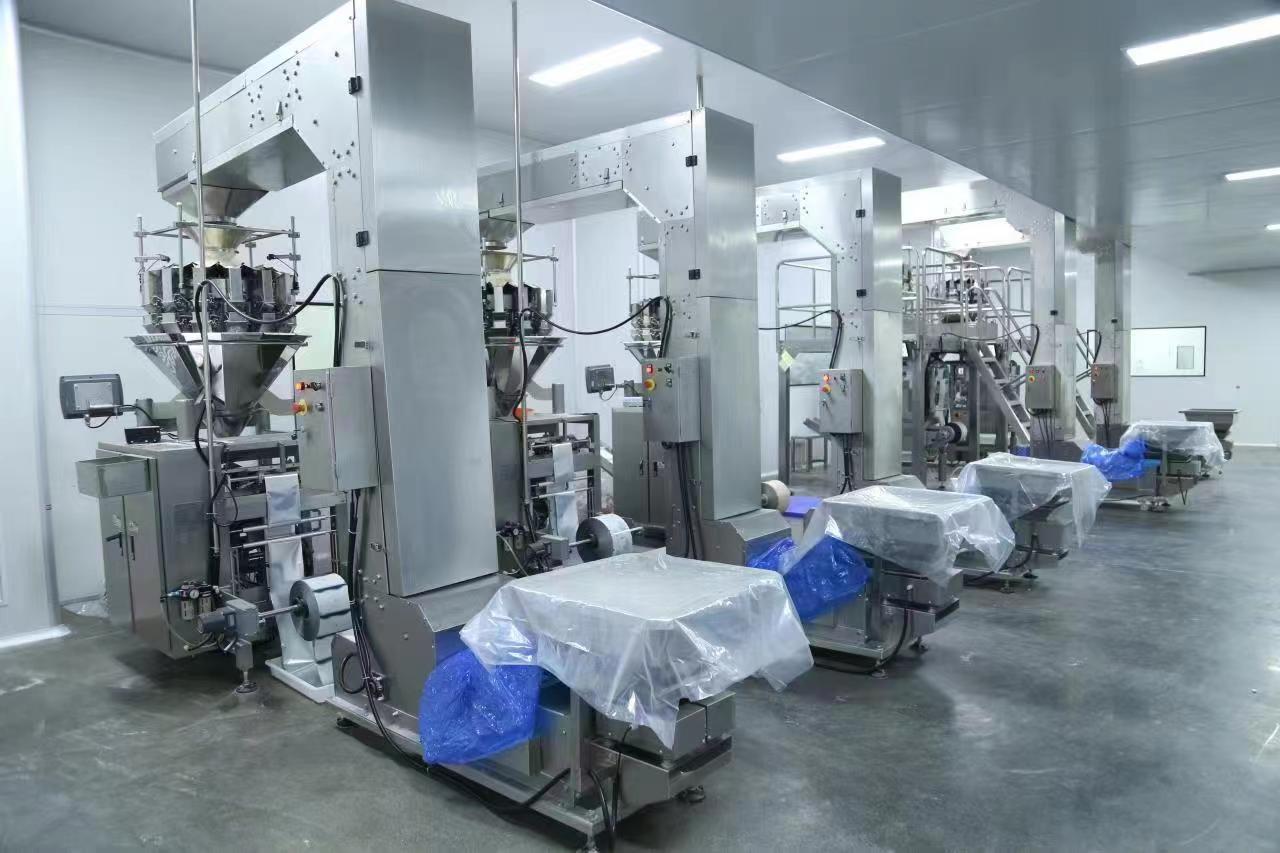
Packaging format is one of the customization dimensions available within the OEM/ODM framework.
Market Context: Why Specification Evidence Is Increasingly Valued
The broader fruit powder market provides context for why buyers are asking harder specification questions. According to Fortune Business Insights, the global fruit powder market was valued at USD 28.00 billion in 2025 and is projected to reach USD 52.47 billion by 2034. Europe dominated the market with a share of 36.89% in 2025, according to the same source. The beverages segment is projected to lead the application market with a share of 34.51% in 2026.
Technology segmentation adds another layer. Global Market Insights estimates the freeze-dried fruit powder segment at USD 10.9 billion in 2025, projected to reach USD 21.4 billion by 2035. Mordor Intelligence reports that spray drying technology dominated the market in 2024, accounting for 61.4% of global production. In other words, spray drying remains the volume workhorse while freeze drying represents a higher-value, nutrient-retention-focused segment. A supplier that offers both models can serve both buyer profiles without forcing a technology compromise.
Trade data reinforces the supply-side picture. Volza reports that China, the United States and India were the top three fruit powder exporting countries between July 2024 and June 2025. For international buyers, this means supplier evaluation increasingly involves comparing manufacturers across export-experienced markets, with documentation and specification clarity as differentiators.
How This Compares With Conventional Fruit Powder Sourcing
Conventional fruit powder sourcing often relies on catalog specifications and supplier assurances. The buyer receives a product list, a general statement of quality and perhaps a certificate image. Specification details such as mesh range, batch-level Certificate of Analysis, third-party re-testing options and OEM/ODM customization scope may be absent or unclear.
The evidence-based approach described in Guanjie Biotech's profile differs in several practical ways. OEM and ODM services are explicitly listed. Package customization is named as a customization dimension. Freeze-dried and spray-dried models are offered across the product range. A 100% pass requirement at 60/80 mesh is stated as part of the specification framework. Quality control includes 100% testing, batch-level Certificate of Analysis and third-party re-testing collaboration through SGS and Eurofins. Certifications carry specific certificate numbers and issuing authorities rather than generic logos.
That said, there are boundaries a buyer should weigh. The 30-day lead time is a standard planning figure and may not suit urgent, unplanned demand spikes; buyers with seasonal peaks should plan procurement cycles accordingly. Packaging is the customization dimension specifically named in the capability profile, while other specification requirements are typically resolved through product model selection (freeze-dried or spray-dried) and direct project discussion. Dragon fruit powder illustrates the model logic: it is supplied as two separate product models, freeze-dried dragon fruit powder and spray-dried dragon fruit powder, so buyers specify by model rather than treating it as a single flexible SKU. These are not weaknesses, but they are practical constraints that belong in a procurement plan.
Post-Purchase Support and the Long-Term Supply Question
Supplier evaluation does not end at the purchase order. Guanjie Biotech's post-purchase support covers quality assurance, supply chain coordination and technical support. Technical support extends to beverage, bakery and dietary supplement applications, with expert formulation troubleshooting for solubility, thermal degradation and color stability challenges. For a buyer, this matters because fruit powder performance issues often emerge during formulation scale-up rather than at the sample stage.
The company's export profile supports a global B2B orientation. The profile lists a 90% export ratio and markets including Denmark, Uruguay, Russia, Bulgaria, Canada, Hungary, Indonesia, Ecuador, Colombia, Turkey, Mexico, Austria, Paraguay, Brazil, Greece, Germany, Italy, Latvia, Norway, Brunei Darussalam, Slovakia, Singapore, New Zealand, Japan, Chile, Cambodia, Belgium, Saudi Arabia, France, Poland, Thailand, Australia, Ireland, Sweden, Switzerland, Peru, Finland, the United Kingdom, the Netherlands, the Philippines, Portugal, Spain, Vietnam, the United Arab Emirates, Argentina, South Korea and Malaysia.
Future Outlook
Fruit powder buyers are becoming more specification-literate. The growth of the freeze-dried segment, the continued volume dominance of spray drying and the expansion of beverage applications all point toward a market where technology choice, mesh control, certification scope and batch documentation are standard evaluation criteria rather than premium extras. Suppliers that can present these details clearly and consistently will be better positioned in buyer shortlists.
For manufacturers like Guanjie Biotech, the opportunity is to keep converting capability into evidence: named certificate numbers, defined mesh specifications, batch-level Certificates of Analysis and documented OEM/ODM scope. For buyers, the corresponding discipline is to request and verify those evidence points before committing to a bulk supply relationship. The supplier capability conversation is ultimately a documentation conversation, and the buyers who treat it that way reduce formulation and compliance risk before the first bulk shipment arrives.
FAQ
What OEM and ODM services does Guanjie Biotech provide for fruit powder?
Guanjie Biotech lists OEM and ODM services among its capabilities. Package customization is named as a specific customization dimension, and the company lists a 1 KG minimum order quantity, a 30-day lead time and a 300-ton monthly capacity. The product range includes freeze-dried and spray-dried models across multiple fruit varieties.
What is the difference between freeze-dried and spray-dried fruit powder?
Freeze-drying uses a low-temperature vacuum process. Guanjie Biotech states that its freeze-dried fruit powders retain over 95% of fresh nutritional profiles, active bio-compounds and natural color. Spray drying uses higher temperatures and results in relatively lower retention of heat-sensitive components. Both technologies are offered across the company's fruit powder range.
What does a 100% pass requirement at 60/80 mesh mean for fruit powder buyers?
A 100% pass requirement at 60/80 mesh defines a particle size range that the powder is screened to meet, with all material expected to pass through the specified screen range. Guanjie Biotech's OEM/ODM and customized specification support covers this mesh requirement. Buyers can include the mesh specification in their purchase requirements and check it against batch documentation.
How does Guanjie Biotech support consistent quality in bulk fruit powder supply?
Quality control includes 100% testing. Every shipment includes a verified Certificate of Analysis confirming purity, active ingredients and strict microbial limits. The company offers third-party re-testing collaboration through globally recognized laboratories including SGS and Eurofins. Raw materials are sourced through origin-based suppliers and planting bases to improve stability, consistency and traceability.
What are the minimum order quantity and lead time for Guanjie Biotech fruit powder?
The minimum order quantity is 1 KG, and the listed lead time is 30 days. The company reports a 300-ton monthly capacity and exports to markets including the EU, Middle East, North America, South America and Asia.
A detailed Guanjie Biotech fruit powder brochure is available for buyers who want to review the product range and specification details in a single document.
¿Tiene preguntas o necesita más detalles?
Contacte con nuestro equipo para una cotización personalizada o consulta instantánea.
Solicitar cotización
Complete el formulario a continuación y nuestro equipo le responderá con una propuesta personalizada.
Chat directo de WhatsApp
¿Prefiere chatear en tiempo real? Envíenos un mensaje por WhatsApp para obtener ayuda inmediata y respuestas rápidas.
- Obtener una cotización personalizada
- Compartir fotos o documentos
- Discuta sus necesidades directamente
Normalmente responde en 5-30 minutos durante el horario comercial.