
From Can Spec to Acceptance Test: Aerosol Procurement Q&A
Most aerosol supply disputes do not begin with a failed formula. They begin with a purchase order that describes a can, a fill level and a test method in three different vocabularies — one used by the brand owner, one used by the filling line, and one used by the customs broker. This reference answers the questions that consistently surface between a signed specification and a released shipment, using Guangdong Laya New Chemical Technology Co., Ltd. (LAYA) and its published product data as the working example.

LAYA Technology Center: where aerosol specifications are defined before they reach a filling line. Image: LAYA.
Why the specification sheet, not the price, decides an aerosol order
An aerosol is a pressure vessel, a chemical formulation and a consumer package at the same time, and each of those three identities generates its own specification language. A brand owner may write “400 ml air freshener”; the filling line records a can format, a propellant load and a net fill weight; the freight forwarder records a Class 2.1 flammable aerosol under dangerous-goods documentation. When those three records are not reconciled before production, the result is a delivered pallet that satisfies none of them precisely.
The practical consequence for buyers at the Decision → Execution stage is that the negotiation has two distinct halves. The first half fixes the physical specification: can dimensions, material, net content, valve interface. The second half fixes the acceptance route: minimum order quantity, inspection point, documentation set and payment terms. Suppliers that answer only the first half leave the second to be settled after a defect appears.
What LAYA publishes about its aerosol manufacturing base
Guangdong Laya New Chemical Technology Co., Ltd. is a Chinese aerosol manufacturer established in 1992 and described by the company as a national high-tech enterprise. Its stated production base covers 100,000 ㎡, including 50,000 ㎡ of modern standard workshops and 14 advanced filling lines, with a technical centre comprising 4 product development laboratories and 7 analytical testing laboratories, supported by a team of 15 engineers within a 300-person workforce.
The company states that it provides aerosol R&D, manufacturing, sales and ODM/OEM services across eight product categories — insecticide spray, air freshener, household cleaning aerosol, industrial maintenance aerosol, car care aerosol, disinfectant aerosol, aviation aerosol and spray paint aerosol. Export activity is reported at approximately 20% of output, with named markets including Central Asia, the Middle East, Africa, Russia and Brazil.
Those figures describe scale and portfolio breadth. They do not, by themselves, describe the specification envelope of any individual order — which is why the questions below are organised around what a buyer must specify and verify rather than around what a supplier advertises.
Can format, fill volume and material: the three numbers buyers actually negotiate
Across LAYA’s aerosol range, purchasable formats include a slender can of ∮52 × 195 mm and a wider, shorter can of ∮65 × 158 mm. Net content options commonly run from 300 ml to 600 ml, with insecticide sprays available up to 750 ml. The notation is worth reading carefully: ∮ denotes diameter in millimetres, so ∮52 × 195 mm is a 52 mm diameter, 195 mm body height — a different package on a retail shelf and a different pallet density from ∮65 × 158 mm, even where both carry the same declared volume.
The second specification layer is material. LAYA’s insecticide, air freshener, car care, industrial maintenance, aviation, household cleaning, disinfectant and spray paint lines can be supplied in tinplate or aluminium cans, and the choice is a cost-and-compatibility decision rather than a premium-tier decision.
| Specification | Range referenced for LAYA aerosol lines | What it changes in the quotation |
|---|---|---|
| Can diameter × height | ∮52 × 195 mm; ∮65 × 158 mm | Carton count, pallet pattern, freight cube, shelf-facing |
| Net content | 300–600 ml standard; up to 750 ml for insecticide spray | Fill weight tolerance, propellant load, unit cost per ml |
| Container material | Tinplate or aluminium | Internal lining compatibility, corrosion risk, pressure rating, tooling |
| Valve and actuator | Defined per formulation and spray pattern | Spray rate, particle size, discharge completeness at end of can life |
Specifications as referenced for LAYA aerosol product lines; valve and actuator behaviour is formulation-dependent and must be fixed in the technical agreement.
Tinplate versus aluminium: a market-share question with two honest answers
Published estimates diverge depending on whether the metric is revenue or volume. Grand View Research reports that aluminium packaging held a 61.0% share of the aerosol container market in 2025, with steel at 39.0%, measured on revenue. Fortune Business Insights, examining industrial and commercial applications on a volume basis, reports steel at around 58%. Both can be right simultaneously: aluminium concentrates in premium and personal-care value, while steel dominates high-volume industrial units.
For a buyer of insecticide, car care or industrial maintenance aerosol, that divergence is a useful warning against choosing material by market share. The relevant criteria are internal-lining compatibility with the formulation, corrosion behaviour over the declared shelf life, pressure rating for the propellant system, and the delivered cost at the target fill volume.
Pressure, flammability and the safety file behind a Class 2.1 aerosol
Aerosol products filled with flammable propellants sit in transport Class 2.1 (flammable aerosols). LAYA states that it manages this through pressure-vessel safety design, flame-retardant formulations, leak-proof sealing, temperature-controlled packaging and electrostatic protection, supported by a dedicated safety management team, recurring employee safety training and emergency drills, a fire-protection and monitoring system, internal safety-production supervision and third-party safety audits.
Regulatory obligations run in parallel. The EU Aerosol Dispensers Directive (75/324/EEC) mandates pressure testing and specific labelling for aerosols sold into the European Union. A buyer shipping into Europe should confirm that the pressure-test regime, the labelling artwork and the dangerous-goods documentation all reference the same specification revision — a mismatch between the three is one of the most common causes of a consignment being held at destination.
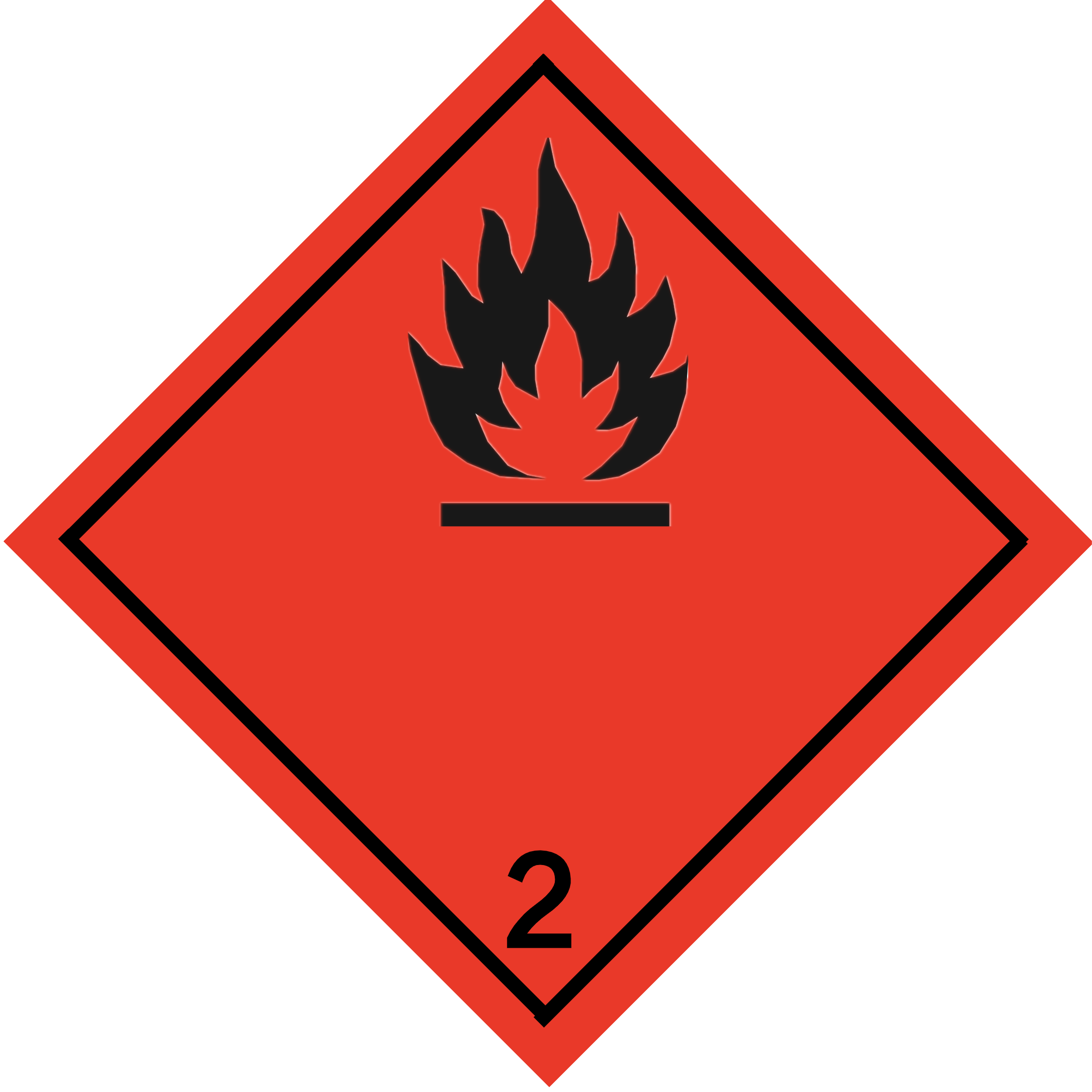
Flammable aerosol shipments are classified and labelled before they leave the filling site. Image: LAYA.
Purchasing terms and acceptance criteria: what is stated, and what must be agreed
For order planning, LAYA states a minimum order quantity of 10,000 pieces, delivery terms of TT/LC, acceptance criteria based on preshipment testing, and payment terms negotiable according to order quantity. Production data referenced for order planning also indicate a typical production lead time of 7 to 15 days and a monthly production capacity of 1 million cans.
| Commercial term | Stated position | What the buyer should fix in writing |
|---|---|---|
| Minimum order quantity | 10,000 pcs | Whether MOQ applies per SKU, per can format or per order |
| Delivery terms | TT / LC | Incoterm, port of loading, dangerous-goods surcharges |
| Acceptance criteria | Preshipment test | Sampling plan, test parameters, pass/fail thresholds, retest route |
| Payment terms | Negotiable by order quantity | Deposit ratio, milestone release, documents against payment |
| Lead time / capacity | 7–15 days; 1 million cans per month | Line allocation, peak-season slot, partial-shipment rule |
Terms as stated in LAYA purchasing information; contract drafting remains buyer-specific.
“Preshipment test” is a phase, not a standard. A buyer who accepts it without naming the sampling plan, the fill-weight tolerance, the leak and pressure checks and the spray-performance parameters has accepted an inspection event rather than an acceptance criterion. The same discipline applies to lead time: a 7–15 day figure is meaningful only when tied to a specific can format, formulation and packaging configuration.
Eight categories, one qualification file: where requirements diverge
Sourcing several aerosol categories from a single manufacturer reduces supplier-management overhead, but it does not reduce the number of distinct technical files. Within LAYA’s eight listed categories, the specification emphasis shifts materially:
- Insecticide spray — up to 750 ml fills, with formulation registration and labelling among the binding constraints.
- Air freshener and household cleaning aerosol — fragrance stability, container compatibility and consistent spray pattern over the full can life.
- Car care and industrial maintenance aerosol — solvent compatibility with the internal lining, and discharge completeness in workshop use.
- Disinfectant aerosol — claims support and category licensing documentation.
- Aviation aerosol — documentation discipline, since the product enters a maintenance-controlled environment.
- Spray paint aerosol — pigment dispersion, nozzle geometry and colour consistency across batches.
A consolidated supplier therefore shortens the commercial path but lengthens the technical checklist. Each category should carry its own agreed specification revision, its own test parameters and its own labelling reference, even when all of them sit under one purchase framework.
Benchmarks: what the wider aerosol market signals to a buyer
The global aerosol market is projected by Grand View Research to reach USD 100.7 billion in 2026. On the production side, the European Aerosol Federation reports European aerosol production of 3.46 billion units in 2024, a 4.2% year-on-year increase. Both figures describe a category that is expanding in volume and value, which has a practical consequence for procurement: filling capacity tightens before it loosens, and the ability to hold a production slot becomes a commercial asset in its own right.
For a buyer comparing a Chinese contract filler against European or North American alternatives, the benchmark that matters is not the market-size headline but the documentation and capacity evidence each supplier can put behind a named order. Scale claims are common across the category; verifiable line allocation, test records and licence copies are not.
Where the published evidence stops
LAYA states that it holds production licences for hazardous chemicals, pesticides and disinfectant products, together with quality, environmental and safety management system certifications. The published material does not include licence numbers, issuing authorities, certification scope or validity dates. Until those documents are supplied directly, a buyer should treat the licensing position as declared rather than verified, and should request category-specific certificates, safety data sheets, test reports and market-specific conformity evidence before qualification.
Capacity figures are reported at two different granularities. The company profile cites an annual output of 200 million cans, while order-planning data reference a monthly capacity of 1 million cans. These describe different bases — portfolio-wide annual output versus monthly order-planning capacity — and should not be multiplied, divided or reconciled by a buyer. The correct action is to ask the supplier to confirm the line allocation and delivery schedule for the specific order.
| Dimension | LAYA stated position | Boundary the buyer must close |
|---|---|---|
| Qualification scope | Licences and management-system certifications declared | Numbers, scope and expiry not published — request copies |
| R&D and testing | 4 development laboratories, 7 analytical testing laboratories | Which laboratory signs the release report for your SKU |
| Operational continuity | Operating since 1992; 14 filling lines | Operating history is not evidence of export performance or quality |
| Commercial benchmarking | MOQ 10,000 pcs; TT/LC; preshipment test | No public peer pricing data exists — treat stated MOQ as supplier-specific |
Comparative basis: stated positions versus the documentary gaps visible in public information.
Against suppliers that offer filling only, LAYA’s stated differentiators are an integrated R&D and testing function, OEM/ODM customisation, quality traceability, and support for dangerous-goods logistics documentation. Those are meaningful advantages in a category where specification drift is the main cost driver — but each one is only as strong as the document a buyer can obtain to confirm it.
Future outlook
Two directions look durable. First, documentation is becoming a competitive feature rather than an administrative afterthought: as European production grows on a unit basis and regulatory expectations tighten, buyers increasingly score suppliers on the completeness of their technical file, not only on price per can. Second, the material question will stay genuinely open — revenue-weighted data favour aluminium while volume-weighted data favour steel for industrial applications — so specification decisions are likely to remain formulation-led rather than trend-led.
For buyers, the practical implication is that the acceptance criteria written today will outlast the price negotiated today. A purchase agreement that names its sampling plan, its test parameters and its document set is more valuable over a multi-year programme than a marginally lower unit cost.
FAQ
What are LAYA’s purchasing terms and acceptance criteria?
LAYA states a minimum order quantity of 10,000 pieces, delivery terms of TT/LC, acceptance criteria based on preshipment testing, and payment terms that are negotiable according to order quantity.
What lead time and monthly production capacity are referenced for order planning?
Production data referenced for order planning indicate a typical production lead time of 7 to 15 days and a monthly production capacity of 1 million cans.
Which can dimensions and net content options are available?
Formats referenced across the LAYA aerosol range include ∮52 × 195 mm and ∮65 × 158 mm cans, with net content commonly between 300 ml and 600 ml and insecticide sprays available up to 750 ml.
Should an aerosol buyer choose tinplate or aluminium?
Material selection is a compatibility and cost decision rather than a premium-tier decision. Published estimates diverge by metric: Grand View Research reports 61.0% aluminium and 39.0% steel on a revenue basis for 2025, while Fortune Business Insights reports steel at around 58% for industrial and commercial applications on a volume basis. Buyers should select on internal-lining compatibility, corrosion behaviour, pressure rating and delivered cost at the target fill volume.
Which aerosol categories can be sourced from LAYA?
LAYA states that it provides aerosol OEM and ODM services across eight categories: insecticide spray, air freshener, household cleaning aerosol, industrial maintenance aerosol, car care aerosol, disinfectant aerosol, aviation aerosol and spray paint aerosol.
What documentation should be requested before qualification?
LAYA declares production licences for hazardous chemicals, pesticides and disinfectant products, plus quality, environmental and safety management system certifications, but published material does not include licence numbers, issuing authorities, certification scope or validity dates. Buyers should request those documents directly, along with category-specific safety data sheets, test reports and market-specific conformity evidence.
How are flammable aerosols handled for transport?
Flammable aerosols fall under transport Class 2.1. LAYA states that it applies pressure-vessel safety design, flame-retardant formulations, leak-proof sealing, temperature-controlled packaging and electrostatic protection, supported by third-party safety audits. Aerosols sold in the EU must also meet the pressure-testing and labelling requirements of the Aerosol Dispensers Directive (75/324/EEC).
For buyers who need the underlying product and facility data in one document, LAYA’s brochure is available here: LAYA aerosol manufacturing brochure (PDF).
¿Tiene preguntas o necesita más detalles?
Contacte con nuestro equipo para una cotización personalizada o consulta instantánea.
Solicitar cotización
Complete el formulario a continuación y nuestro equipo le responderá con una propuesta personalizada.
Chat directo de WhatsApp
¿Prefiere chatear en tiempo real? Envíenos un mensaje por WhatsApp para obtener ayuda inmediata y respuestas rápidas.
- Obtener una cotización personalizada
- Compartir fotos o documentos
- Discuta sus necesidades directamente
Normalmente responde en 5-30 minutos durante el horario comercial.