
Frameless vs Framed Shower Doors: A 2026 Buyer's Guide for Smart Sourcing
Frameless vs Framed Shower Doors: A 2026 Buyer's Guide for Smart Sourcing
For procurement professionals and project managers in the hospitality and residential construction sectors, selecting the right type of glass shower enclosure is a critical decision. The choice between frameless shower doors and framed shower screens impacts not only the aesthetic appeal of a bathroom but also installation complexity, cost, and long-term maintenance. In 2026, with evolving design trends and stricter safety standards, understanding the trade-offs has never been more important. This guide provides an objective comparison to help you make an informed decision for your next project.
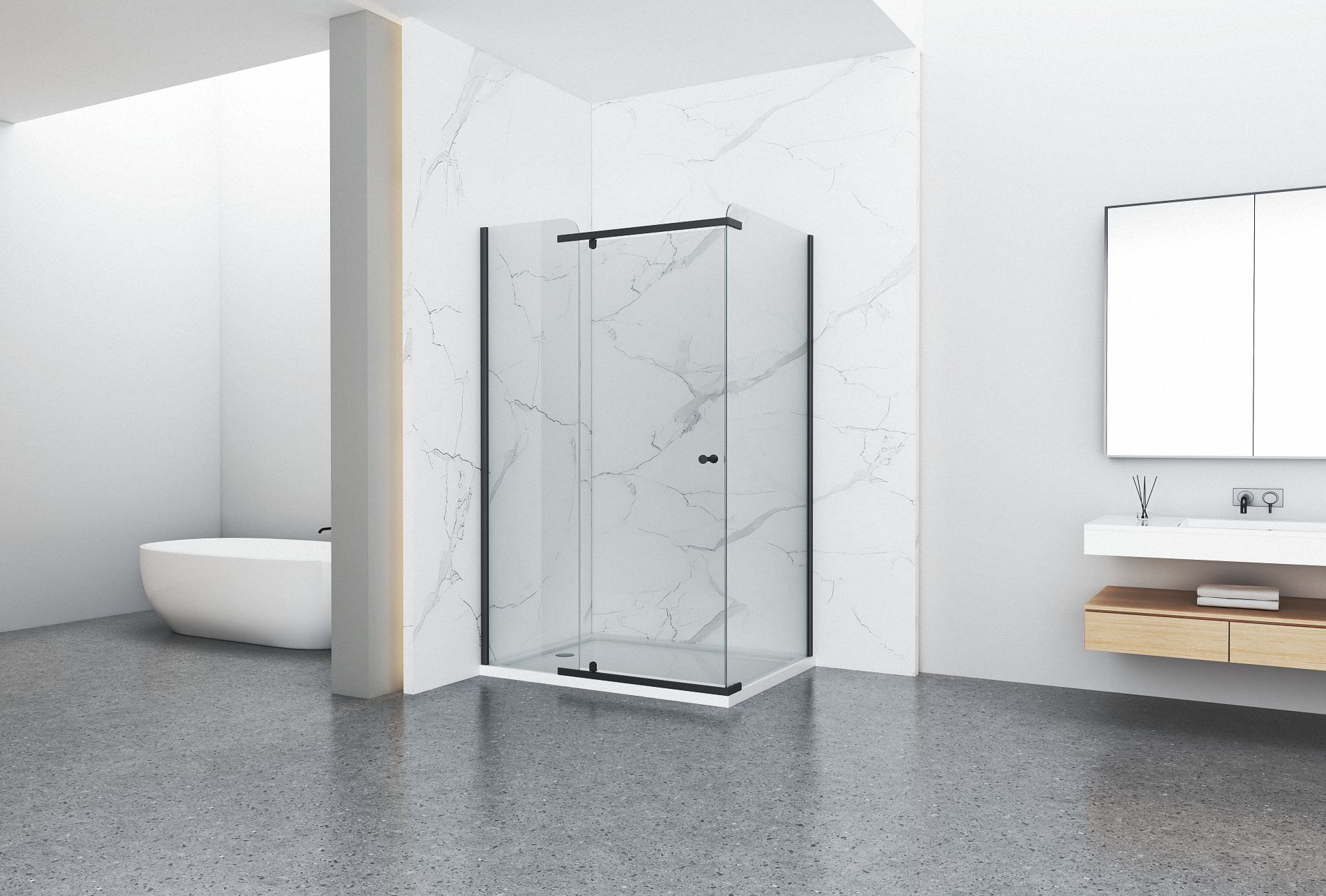
The Core Differences: Frameless vs Framed
Frameless Shower Doors are characterized by thick tempered glass panels (typically 8mm–12mm) held together by minimal hardware—often hinges and clips made from 304 stainless steel or aluminum alloy. They rely on the glass itself for structural integrity, creating a sleek, minimalist look that opens up the bathroom. In contrast, Framed Shower Screens use a metal frame (usually aluminum) surrounding each glass panel. The frame adds rigidity, allowing for thinner glass (4mm–6mm) and lower material costs, but it also introduces more visual obstruction and cleaning challenges.
Advantages and Limitations at a Glance
Frameless Shower Doors offer a premium, contemporary appearance that appeals to high-end hotels and luxury residences. They are easier to clean since there are no metal channels to trap soap scum and mold. The absence of a frame also allows for customization—pivot doors, sliding doors, or hinged configurations can be tailored to unusual layouts. However, frameless systems require precision installation, stronger wall support, and higher upfront investment. Typical lead times for custom frameless orders range from 30 to 45 days, as noted by experienced manufacturers like Foshan SHKL Sanitary Ware Co., Ltd (SHKL).
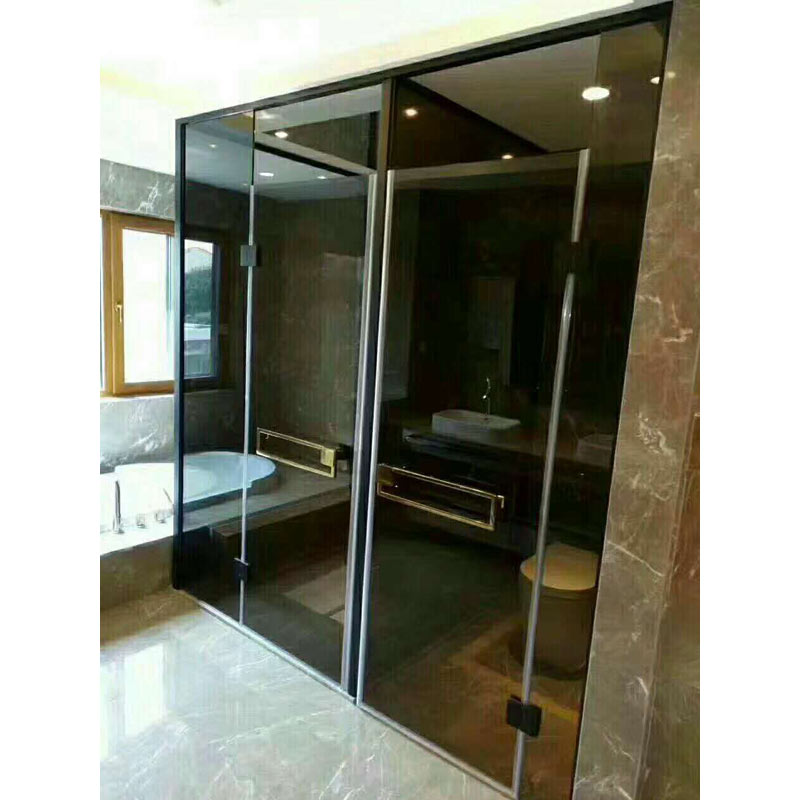
Framed Shower Screens are more budget-friendly and easier to install. The frame provides added stability, making them suitable for larger openings or areas with less-than-perfect wall alignment. They are widely used in mid-range hotels and residential projects where cost efficiency is a priority. The downside is that frames can collect dirt and require more frequent cleaning. Over time, the frame's finish may fade or corrode, especially in humid environments.
How to Choose: Key Decision Factors
When evaluating frameless shower doors vs framed shower screens, consider these criteria:
- Budget: Frameless systems typically cost 30–50% more than framed equivalents. For large-scale projects with strict cost limits, framed screens offer a practical compromise.
- Design Aesthetics: If the project demands a modern, open feel, frameless is the preferred choice. Framed screens can still look elegant with sleek frames, but they add visual lines.
- Safety and Certification: Both types must comply with local safety regulations (e.g., ANSI Z97.1 in the US, AS/NZS 2208 in Australia). SHKL, for example, holds ISO 9001, ISO 14001, and ISO 45001 certifications, ensuring rigorous quality control across its product lines.
- Maintenance: Frameless doors are easier to keep clean. Framed doors require periodic sealing of frame joints.
- Installation Environment: For bathrooms with uneven walls or openings larger than 1500mm, framed systems may be more forgiving.
SHKL: A Reliable Partner for Both Types
Founded in 2004, SHKL has established itself as a vertically integrated sanitary ware group with production facilities spanning 100,000 m² in China and 40,000 m² in Vietnam. The company offers a comprehensive range of shower doors, including both frameless and framed models, with hardware options in 304 stainless steel and aluminum alloy. Their glass craftsmanship choices include clear, tinted, laminated, flute, chemically frosted, and easy-clean finishes, allowing buyers to tailor products to specific project needs.
SHKL’s 600-strong workforce and 20-person R&D team support OEM orders with a monthly capacity of 10,000 shower units. Lead times typically range from 30–45 days, and the company enforces 100% pre-shipment inspection. A recent project in Thailand supplied 110 units of shower doors with laminated safety glass, meeting local standards and achieving high customer satisfaction.
Market Trends in 2026
The global glass shower enclosures market continues to grow, driven by rising demand for modern bathroom designs in hospitality and residential sectors. According to industry reports, the market is projected to expand at a CAGR of approximately 5% from 2024 to 2030. Key trends include the adoption of large-format frameless panels, smart glass technologies, and increased demand for laminated glass shower doors for enhanced safety. Buyers are also prioritizing suppliers with multi-country production footprints to mitigate supply chain risks—a strategy exemplified by SHKL’s dual-base manufacturing in China and Vietnam.
Future Outlook
As building codes become more stringent and end-users demand higher quality, the gap between frameless and framed solutions may narrow. Advancements in frame materials (e.g., aluminum alloys with corrosion-resistant coatings) are improving the longevity of framed screens, while frameless systems are becoming more affordable due to automation in glass processing. For global buyers, partnering with a certified manufacturer like SHKL ensures access to both options with consistent quality, on-time delivery, and after-sales support.
To explore SHKL’s full product catalog and technical specifications, download the company brochure: Download SHKL Brochure (PDF).
Contact: Rita Luo | Email: info@shklbathroom.com | WhatsApp: +86 13790005061 | Website: www.shklbathroom.com