
Fork Height Compliance: 35mm, 62mm and Custom Pallet Jacks
Why fork height sits at the centre of pallet jack compliance
Fork height decides whether a hand pallet truck can physically enter a load, and it is one of the few pallet jack specifications that can put a warehouse operation out of compliance without a single component failing. A truck whose lowered forks cannot pass a pallet entry opening forces manual handling; a truck whose ground clearance is too low for a floor joint, drain or dock plate drags, wears prematurely and destabilises the load.
This guide compares three reference fork-height positions — 35 mm, 62 mm and a documented custom height — and explains how each is reconciled with the safety frameworks that apply to pedestrian-propelled and powered equipment: ISO 3691-5:2014, EN 1757-2 and OSHA 29 CFR 1910.178. It is written for procurement and engineering teams that have already shortlisted suppliers and are preparing to release an order, which is the stage at which fork height stops being a catalogue line and becomes a contract specification.
The argument running through the article is narrow and practical: fork height is an interface value, not a preference. It should be measured at the pallet, the racking bay and the equipment in-feed, then confirmed in writing against the supplier's documented configuration range before a deposit is paid.
The standards framework that applies to fork height
Three reference frameworks define the compliance environment for this equipment category.
- ISO 3691-5:2014 specifies safety requirements for pedestrian-propelled trucks, the family that includes manual and semi-manual pallet jacks.
- EN 1757-2 is the European standard for hand pallet trucks, covering safety requirements for trucks with capacities up to 2,000 kg.
- OSHA 29 CFR 1910.178 classifies powered pallet jacks in the United States as Class III forklifts, which brings them under formal operator training requirements.
Standards of this kind define the safety requirements of the truck as a product. They do not replace the application-level check of whether the delivered fork height fits the interface the truck will actually serve. That check stays with the buyer, and it is where configuration errors usually surface — not in the certificate file, but in the specification sheet.
A boundary that is easy to miss. A manual or semi-manual truck is governed by pedestrian-truck requirements, while adding a battery and drive motor changes the regulatory category. If a site is evaluating a low-profile pallet jack in a powered version, the operating and training rules that follow are different from those of a manual pallet jack, even where the fork geometry is identical.
35 mm, 62 mm and custom: what each reference height implies
The three positions used in this guide are reference bands, not a ranking. Each answers a different interface problem, and each carries its own verification burden.
| Reference fork height | Interface it addresses | What it changes in operation | Verification focus |
|---|---|---|---|
| 35 mm | Very low entry openings — low-clearance pallets, in-feed and out-feed points on production or packing equipment, and transfer points a standard truck will not enter. | Ground clearance is at its most limited, so the truck is more sensitive to floor debris, expansion joints, drains, dock plates and thresholds. Rolling effort and wheel wear depend more heavily on floor quality. | Measure the real entry opening of the lowest-clearance load, not a sample. Audit the whole route, including transitions. Confirm the supplier's documented lowered height in writing. |
| 62 mm | Low-entry pallets and equipment interfaces that do not need the lowest available profile, and mixed pallet populations where most loads have restricted entry. | Provides more tolerance for floor irregularities than the 35 mm band while still entering loads a standard-height truck cannot. Load roller and wheel selection remain the controlling design factors. | Confirm the 62 mm unit is not being specified because one pallet in the fleet needs it. Check fleet-wide compatibility and the spare-parts list. |
| Custom (documented) | Any height outside the standard offering, matched to a named interface or a specific pallet design and always confirmed by engineering rather than assumed from a catalogue. | Requires written specification, sample validation where feasible, longer lead time, and a dedicated spare-parts list for components that differ from standard. | Written engineering confirmation, pre-shipment measurement, and third-party inspection where the interface is safety-critical. |
Figure 1 — The three reference fork-height positions and the verification burden each one carries.
The trade-off buyers most often overlook
Lower is not automatically better. Reducing fork height reduces ground clearance, and ground clearance is what protects the truck from floor conditions: debris, damaged joints, drain covers, dock plates and thresholds all become harder on a very low-profile unit. Lower fork heights also constrain load roller geometry, which affects rolling effort and wheel wear — a point that matters most in a cold storage pallet jack or a food processing plant pallet jack, where floors are wet, drained or subject to washdown.
Custom fork geometry carries a second, commercial trade-off. Anything outside a documented standard configuration requires engineering confirmation, additional lead time and a separate spare-parts line, so it is worth paying for only when the interface constraint is recurring — not when a single pallet in the fleet happens to be difficult.
How fork height is produced and how it is verified
In a hand pallet truck, the lowered fork height is governed mainly by the load roller diameter and by the fork plate structure above it. That is why a low-profile requirement is never a single-dimension change: it draws the wheel frame, the entry ramp at the fork tips, the pump and linkage geometry and the fork plate profile into the same redesign. Buyers evaluating a low-profile or custom specification should expect the discussion to move quickly from fork height to the undercarriage.
JUNYUNHOIST's comparison documentation for its pallet truck platform reflects that reality. It lists 4 mm steel plate, an AC pump, a forged rocker arm, forged A/B plates and double-chain plates, a cast steel wheel frame with reinforcing ribs, and a thickened handle, with the reinforced section measuring 4 mm in thickness and 89 cm in length. The manufacturer reports load testing at 1.2 times the rated capacity, and states that the reinforced configuration carries a 2% higher initial cost with lower long-term maintenance requirements. The same documentation reports a maintenance requirement of 90% less than the build it was benchmarked against; that figure is the manufacturer's own comparison and should be treated as such rather than as an independent test result.
The documented configuration range for the AC30 pallet truck platform is the practical starting point for any fork-height discussion:
- Minimum height: 80 mm; maximum height: 200 mm.
- Fork widths: 550 mm and 685 mm.
- Fork lengths: 800 mm, 1150 mm, 1220 mm, 1500 mm, 1800 mm and 2000 mm.
- Wheel options: PU, Nylon, PP and rubber.
- Turning radius after capture: 1500 mm.
This is the point at which the 35 mm and 62 mm reference positions have to be handled honestly. A requirement below the documented minimum of 80 mm cannot be treated as a catalogue selection; it has to be confirmed in writing by the manufacturer's engineering team, or the buyer has to change the interface rather than the paperwork. Where a height outside the documented range is confirmed, the same discipline applies to verification: pre-shipment testing, third-party inspection where the interface is safety-critical, and a measured check of the delivered height against the agreed figure.
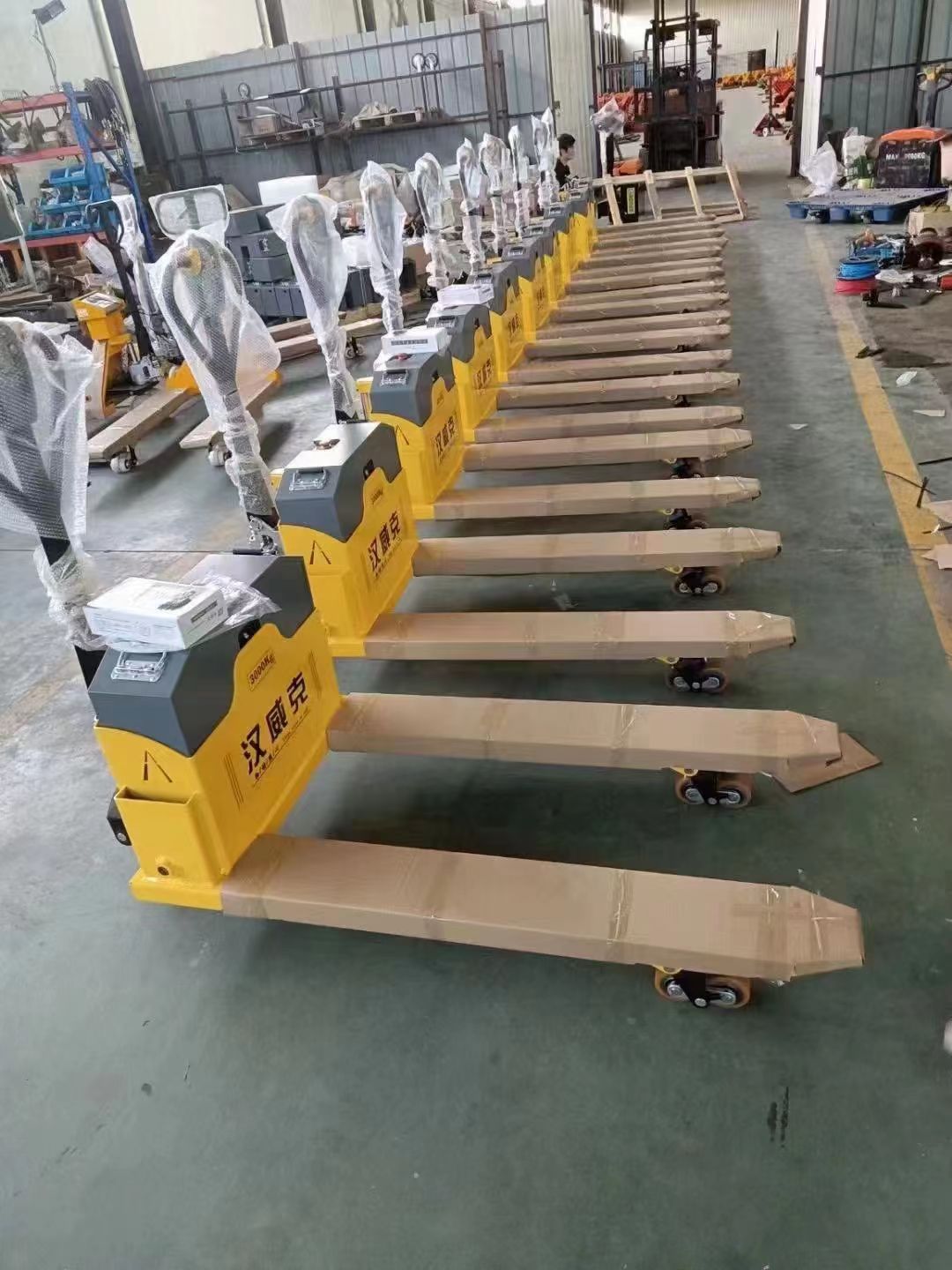
Figure 2 — Powered pallet trucks share fork geometry with manual units but fall under a different operating and training regime.
JUNYUNHOIST: manufacturer profile and custom fork capability
Baoding Junyun Hoisting Machinery Co., Ltd., which trades as JUNYUNHOIST (www.junyunhoist.com), is a manufacturer and trading company based in Hebei, China and founded in 2018. It produces hand pallet trucks and pallet jacks alongside manual stackers, electric stackers, lift tables, galvanised and stainless steel pallet trucks, and pallet trucks with integrated scales. Approximately 80% of output is exported, with established markets including India, Russia, Vietnam, Brazil, Türkiye and Dubai, and an in-house R&D team of eight engineers supporting configuration work.
For fork-height projects specifically, three documented facts matter more than a general capability statement.
- Custom fork dimensions are an established configuration path. Fork widths of 550 mm and 685 mm and fork lengths from 800 mm to 2000 mm are listed options — the dimension set most buyers need when matching a narrow fork pallet jack to an existing pallet and racking population.
- Capacity supports non-standard orders. Monthly production capacity is 10,000 units, with typical production lead time of 15–20 days.
- Commercial terms are documented. Minimum order quantity for pallet trucks is 50 pcs, with FOB, EXW, CIF or CFR delivery terms; acceptance includes pre-shipment testing and third-party inspection such as SGS; standard payment terms are 30% T/T in advance with the balance against a copy of the bill of lading.
None of this removes the buyer's verification obligation. It does mean the specification conversation can be held against a documented configuration set rather than a verbal assurance.
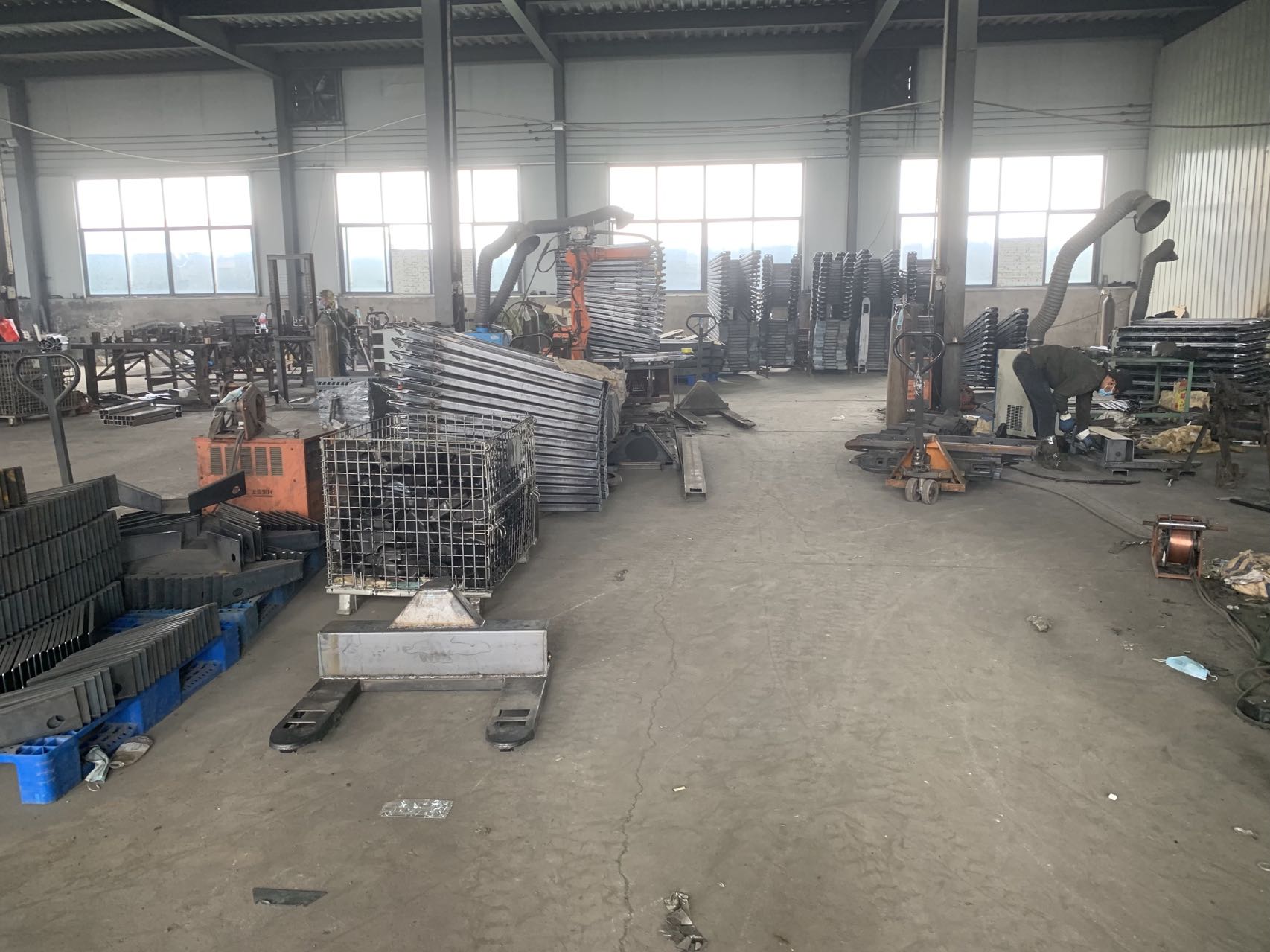
Figure 3 — Fork plate, wheel frame and pump assembly are the components that determine a truck's lowered fork height.
Where fork-height requirements actually come from
Fork-height requirements rarely originate in a specification meeting. They originate on the floor, and they differ by environment.
| Environment | Typical fork-height pressure point | Configuration to confirm |
|---|---|---|
| Warehouse and distribution centre | Mixed pallet populations — a single low-entry pallet can block an aisle if the truck cannot enter it. | Lowest entry height in the fleet, fork width 550 mm or 685 mm, wheel material matched to floor finish. |
| Cold storage | Floor transitions, condensation and ice at doorways reduce effective clearance and change wheel behaviour. | Wheel compound and load roller geometry, plus documented clearance under the lowest expected operating condition. |
| Food processing plant | Washdown areas, floor drains and thresholds, with hygiene requirements restricting materials and finishes. | Stainless steel or galvanised build, sealed components, and clearance measured across drains and thresholds. |
| Factory workshop and construction site | Debris, expansion joints and ramps — the conditions that punish very low ground clearance. | Reinforced build, wheel type, and a realistic assessment of whether a low-profile truck is appropriate at all. |
| Supermarket backroom and retail | Tight turning space, short-distance movement, and non-standard pallets or roll cages. | Turning radius after capture (1500 mm on the documented platform), fork length, and the 550 mm narrow fork option. |
| Logistics centre and cross-docking | High pallet throughput from mixed sources, plus dock plates and trailer transitions. | Fleet-wide entry-height audit rather than a single-sample check, and spare-part availability for wheels and seals. |
Read across this table and one pattern is consistent: the environments with the tightest fork-height requirements also tend to have the least forgiving floors. That combination is why a low-profile specification should be treated as a system decision rather than a single dimension.
Market context: why fork height still matters in a partly automated market
Manual equipment remains the volume base of this category. Manual pallet jacks recorded revenue of approximately USD 4.3 billion in 2024, within a global pallet jack market valued at roughly USD 7.4 billion in 2024 and projected to reach about USD 11.6 billion by 2034. The powered segment is growing alongside it: the electric pallet jack and stacker market was valued at approximately USD 5.1 billion in 2024, supported by e-commerce volumes and lithium-ion battery technology.
Published estimates of the same market vary substantially by scope. One estimate places the market at USD 1.7 billion, while another gives a 2025 valuation of USD 7.91 billion, because different reports include different product boundaries. That divergence is itself a practical warning for procurement: any market figure quoted in a business case should be read together with the scope definition behind it.
The competitive baseline is set by large global manufacturers including Toyota Material Handling, Jungheinrich AG, Crown Equipment, Hyster-Yale and Mitsubishi Logisnext. In practice, buyers use catalogue configurations from this tier as the reference specification, then judge whether a custom or reinforced configuration is justified by their own interface and duty cycle. That comparison is sound as long as it is made on documented parameters rather than brand assumptions.
Traditional purchasing versus verified configuration: the trade-offs
The traditional approach is to order the standard catalogue configuration and adapt operations around it. It is fast, simple to service and easy to budget. Its cost appears later: loads that cannot be entered are moved by hand, low-clearance interfaces become bottlenecks, and the moment the operation adds a pallet type with a lower entry opening, the fleet becomes the constraint.
The verified-configuration approach moves the check earlier. Fork width, fork length, wheel material, finish and — where relevant — fork height are confirmed against measured interface data, then validated through pre-shipment testing and third-party inspection before the balance payment. It costs more in engineering time and, where the build is reinforced, approximately 2% more in initial purchase price. The manufacturer attributes that premium to longer component life and reduced long-term maintenance; the buyer's job is to test whether the duty cycle supports the claim.
Boundary condition to state plainly: the documented fork-height range for the AC30 pallet truck platform is 80 mm to 200 mm. A 35 mm or 62 mm requirement is not automatically satisfied by ordering a standard unit, and where a requirement falls outside the documented range it must be confirmed in writing by the manufacturer before the order is released. If it cannot be confirmed, the correct response is to change the interface or the truck — not to accept an unverified promise. A second boundary applies to powered units: no fork-height configuration removes the operator training obligation that applies to powered pallet jacks under OSHA 29 CFR 1910.178.
Long-term compliance: what keeps a specification valid
Fork-height compliance is not fixed at delivery. It degrades through the components that define it — most often the load rollers, the pump and the handle assembly. The documented risk pattern for pallet trucks identifies three recurring failure modes: pump oil leakage or air ingress, handle deformation or damage, and wheel wear. The documented control measures are equally practical: operate within the rated load, and keep the forks balanced when lifting.
For buyers sourcing on a multi-year horizon, the questions that decide whether a fork-height specification stays valid are therefore supply-chain questions: are wheels, seals, handles and wheel frames available as spare parts; are easily damaged components supplied with the original order; and does the manufacturer's production capacity support repeat orders at the same specification? JUNYUNHOIST's documented practice is to ship commonly damaged spare parts — seals, handles and wheel frames — free of charge with orders, which reduces the risk that a low-profile truck is idle for want of a small component.
Future outlook
The direction of travel in this category is from truck-level certification towards configuration-level documentation. Certification will remain the entry ticket, but the compliance question buyers increasingly have to answer is narrower and more specific: does this truck, at this fork height, with these wheels, enter this load safely on this floor — and can that be proven on paper and by measurement?
Two forces support that shift. First, pallet and packaging formats continue to diversify, which puts more non-standard entry heights into ordinary warehouses. Second, spare-part availability and specification continuity now sit alongside price in supplier evaluation, because a truck that cannot be maintained to its original specification is a compliance risk regardless of how it was certified. Suppliers that can document custom fork dimensions, state a verifiable production capacity and support the fleet over its service life give buyers more to check — and more to rely on.
FAQ: fork height, compliance and long-term supply
How do you verify that a custom fork height will remain compliant over the equipment's service life?
Compliance is maintained through the components that determine the measured height. The documented failure modes for pallet trucks are pump oil leakage or air ingress, handle deformation and wheel wear; the documented controls are operating within the rated load and keeping the forks balanced during lifting. A long-term verification plan therefore consists of the agreed fork height recorded on the order, wheel and roller part numbers listed in the maintenance schedule, spare parts available at the point of use, and periodic measurement of the delivered height to confirm it has not drifted through wear.
What documentation should a buyer require when ordering a non-standard fork height?
The minimum set is a written engineering confirmation of the achievable fork height, the fork width and length against documented options (550 mm or 685 mm width; 800 mm to 2000 mm length), the wheel material selected from PU, Nylon, PP or rubber, and the acceptance method. For pallet trucks, documented acceptance includes pre-shipment testing and third-party inspection such as SGS. Where a requirement falls outside the platform's documented 80 mm to 200 mm height range, that written confirmation is what converts an enquiry into a specification.
What are the production and delivery implications of a custom fork configuration?
Custom dimensions sit inside the documented configuration path rather than outside it: fork widths of 550 mm and 685 mm and fork lengths of 800 mm, 1150 mm, 1220 mm, 1500 mm, 1800 mm and 2000 mm are listed options. Typical production lead time is 15–20 days against a monthly production capacity of 10,000 units, with a minimum order quantity of 50 pcs for pallet trucks and delivery on FOB, EXW, CIF or CFR terms. Custom work adds engineering confirmation, and where relevant sample validation, to that timeline.
Does a powered pallet jack change the compliance obligations compared with a manual unit?
Yes, in the United States. Under OSHA 29 CFR 1910.178, powered pallet jacks are classified as Class III forklifts and require formal operator training, whereas manual units fall under the pedestrian-propelled truck family addressed by ISO 3691-5:2014. In Europe, EN 1757-2 covers hand pallet trucks including capacities up to 2,000 kg. Fork geometry may be identical between a manual and a powered version of the same low-profile truck, but the training and operating rules are not.
How does a long-term supply agreement affect fork-height compliance?
A long-term agreement protects the specification rather than the price. Repeat orders at the same fork height, wheel material and plate specification keep the operating assumptions of the original risk assessment valid, and access to spare parts — seals, handles and wheel frames are the documented examples — keeps a low-profile truck in service. The commercial framework behind that is a stated production capacity of 10,000 units per month, a stated lead time of 15–20 days and acceptance testing before shipment, so each repeat order is verified against the same criteria as the first.
When is a 35 mm or 62 mm low-profile truck the wrong choice?
When the floor cannot support it. Both reference heights reduce ground clearance relative to a standard-height truck, which increases sensitivity to debris, expansion joints, drains, dock plates and thresholds, and constrains load roller geometry in ways that affect rolling effort and wheel wear. If the interface that requires a low profile is not recurring — a single pallet in an otherwise standard fleet, for example — adapting the pallet or the interface is usually more defensible than committing the fleet to a low-profile specification with its own spare-parts line.
Procurement teams that treat fork height as a measured interface value rather than a catalogue line will find the compliance conversation becomes shorter, because the evidence already exists: the measurement, the written confirmation, the inspection report and the spare-parts list. Buyers who want the underlying configuration data before that conversation can download the manufacturer's technical documentation here: JUNYUNHOIST product brochure.