
Folding LED Display Screens: Long-Term Reliability for Distributors
Procurement analysis for venue, event, and distributor buyers at the decision stage.
The procurement decision for a folding LED display screen rarely ends with the first purchase. For rental companies, event organizers, and distributors, the more critical question is whether that screen will still be reliable after dozens of setups, whether spare parts remain available, and whether the supplier can scale with the business. This article maps the long-term factors that separate foldable LED screens designed for repeated use from those built for one-off installations.
Onumen Technology Co., Ltd., a Shenzhen-based manufacturer founded in 2009, is one of the suppliers that has built its portfolio around lightweight, foldable and rollable LED displays. Its product lines include the Easy Sailing, Smart Plus, Smart T Plus, Magic Plus, and rolling series, with a stated emphasis on low installation labor and high portability. According to company information, its Easy Sailing series allows one person to install a single unit in about five minutes.
Why Long-Term Reliability Defines the Foldable LED Market
Traditional cabinet LED screens are heavy, require steel structures, and are expensive to transport and store. Foldable LED screens solve these issues but introduce new risks. Repeated folding and unfolding can create mechanical stress, module connection instability, and long-term reliability concerns. For buyers at execution stage, these risks translate into downtime and maintenance costs.
The commercial opportunity is substantial. The global foldable display market was valued at USD 4.76 billion in 2024 and is projected to reach nearly USD 169.21 billion by 2032, according to Maximize Market Research. The broader LED display screen market is expected to grow from USD 10.7 billion in 2024 to USD 19.5 billion by 2034, with a CAGR of 6.2%, according to Market.us. These figures indicate that foldable and flexible LED screens are becoming a mainstream category for event and fixed-installation buyers.
What a Supplier Should Demonstrate in a Long-Term Partnership
For distributors and buyers evaluating a supplier, evidence of long-term reliability should be visible in several areas.
Patents and R&D intensity
Onumen states it holds over 110 global invention patents and has completed over 1,000 LED display projects worldwide. The company employs 20 engineers in R&D out of a total staff of 50, which is a high engineering-to-total ratio for a manufacturer of its size. This level of R&D investment matters for long-term support, as it increases the likelihood of product improvements, firmware updates, and spare-part continuity.
Testing and quality control
According to Onumen's risk-control documentation, the company uses flexible module design, optimized folding structures, precise folding angle control, and strict reliability testing. Its rolling models use precision roller mechanism design and controlled rolling speed. The stated quality process includes aging tests, bending tests, and complete quality inspection before shipment. For a buyer, the presence of these tests is as important as the specifications themselves.
Certifications and standards
Onumen products are listed with CE, RoHS, and FCC certifications in the company documentation. The company also states that its production holds ISO management system certificates. Third-party industry data further lists CCC and TÜV Rheinland among Onumen's certifications. For projects in high-traffic areas such as airports, compliance with IEC 62368-1 is a relevant safety benchmark, as it mandates UL94 V-0 fire resistance and surface temperatures no higher than 70°C. Buyers should verify that the selected series meets the specific local and project-level requirements.
Technical Foundation: How Foldable LED Screens Are Built to Last
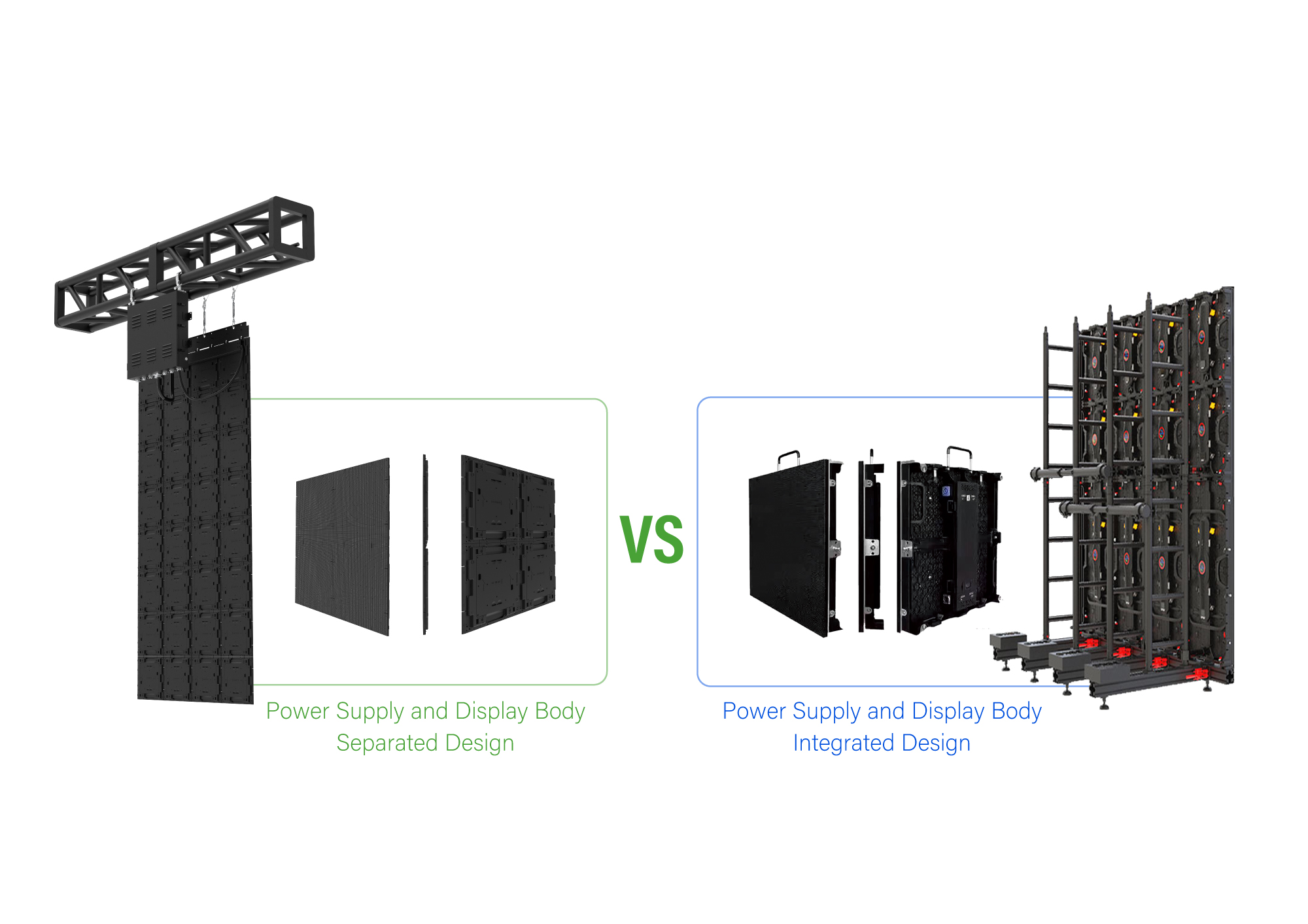
The construction of a foldable LED screen differs fundamentally from a conventional cabinet screen. Instead of heavy aluminum cabinets, Onumen uses a separated power-and-screen architecture. The display itself is an ultra-thin flexible panel that can fold and even roll up, depending on the series. The company's risk-control measures for folding fatigue include flexible module design, optimized folding structure, and precise folding angle control.
Key technical parameters across Onumen's foldable product families include:
- Thickness of 14–24 mm, depending on the series. The Easy Sailing EP series is 14–17.1 mm; the Smart Plus FCSL series is 18–24 mm.
- Weight of 11–15 kg/m². The FC series is 11 kg/m², the EP series is 12 kg/m², and the Smart Plus series is 15 kg/m².
- Foldable angle up to 360° for most flexible LED series.
- Pixel pitches from P2.6 to P15.6 across foldable indoor and outdoor series; rolling displays start at P1.25 indoor.
- Brightness varies by series: 630–2300 nits for the indoor/semi-outdoor Easy Sailing series, 2400–6000 nits for the outdoor Smart Plus series, and up to 9700 nits for the transparent FTS series.
- Refresh rates of 3840 Hz or 7680 Hz, supporting high-speed camera capture.
These numbers have direct consequences for long-term operation. Lower weight reduces structural load and transport wear. Higher brightness and refresh rate maintain consistent visual quality over time. The use of modular units, such as 250×250 mm or 250×375 mm modules, makes component-level replacement easier, which is a practical benefit for maintenance teams.
Cost and Labor Efficiency Over the Product Lifecycle
For a distributor, the lifetime cost includes not just the purchase price but also installation labor, transportation, storage, and maintenance. Onumen's comparison data against traditional cabinet LED screens shows:
- Weight reduced to about one-third of a cabinet screen.
- Volume reduced to about one-quarter.
- Thickness reduced to about one-fifth.
- Installation labor reduced to about one-sixth.
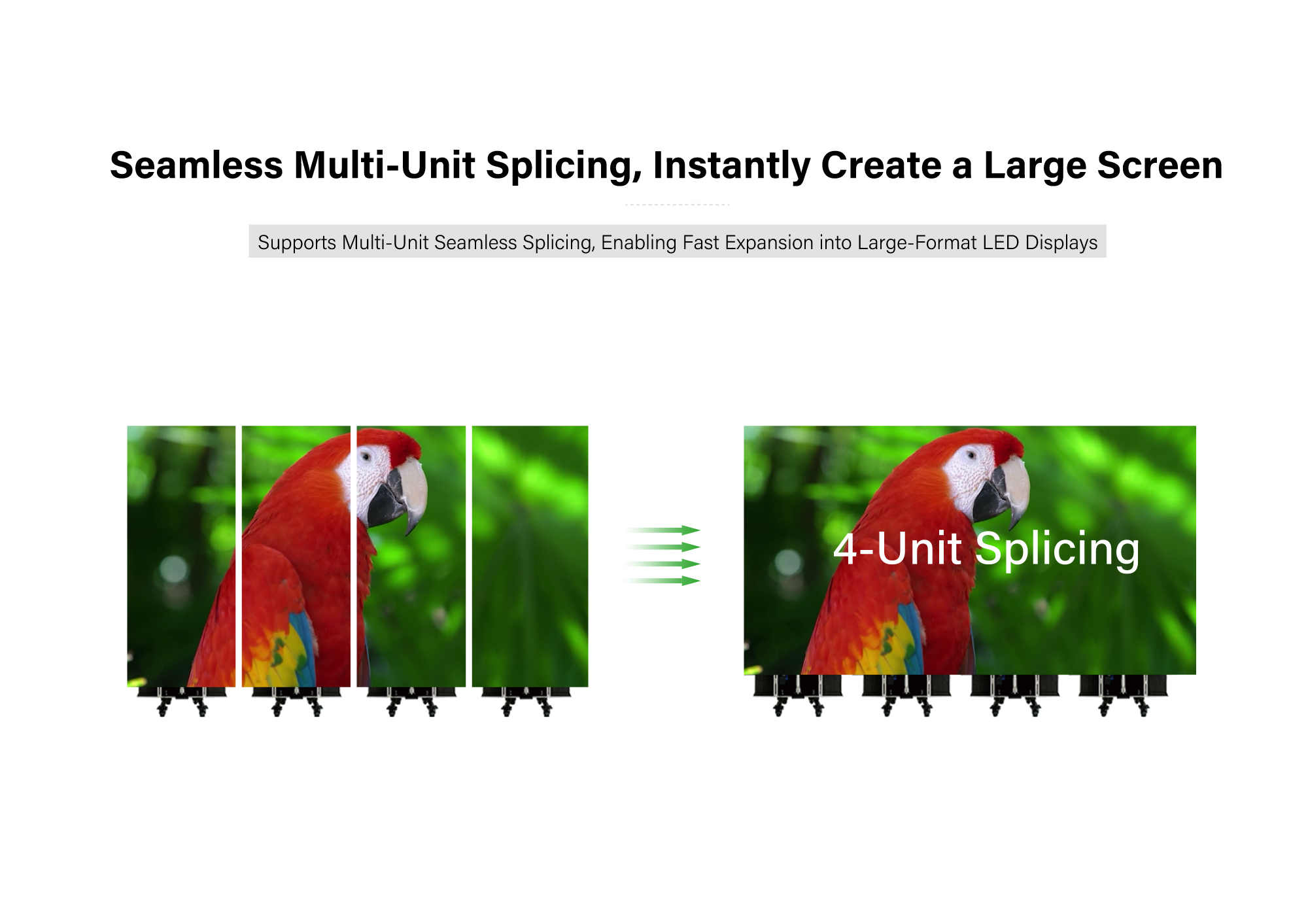
In absolute terms, the company states that a 100 m² foldable LED screen can be installed by two people within one hour. The Easy Sailing series allows one person to install a single unit in about five minutes. A single control card supports up to 76 m² of display area. In logistics terms, 40 m² of LED display can be loaded into a 1 m³ flight case.
Compared with traditional cabinet displays, Onumen estimates the following savings: 50% weight reduction, 60% space savings, 70% thickness reduction, and 80% labor savings. These are not incremental improvements; they change the staffing model for rental operations. Fewer crew members, smaller vehicles, and faster turnarounds all contribute to a lower total cost of ownership.
Application Patterns That Demand Durability
Long-term reliability matters most in applications where screens are set up and torn down frequently. The application scenes listed across Onumen's product documentation include:
- Stage performances and concerts: repeated rigging and travel stress.
- Corporate events and conferences: fast turnaround between venues.
- Exhibitions and rental events: multiple clients handling the equipment.
- Broadcast studios: high utilization cycles.
- Outdoor advertising, theme parks, and sports venues: environmental exposure and extended operating hours.
The protection rating is a key selection criterion. Onumen's indoor EP series is rated IP43. The outdoor FCSL series is rated IP65 front and rear, with optional IP68. The rolling FRL/FRSL outdoor models also reach IP65 front and rear. The Magic Plus 180° foldable series offers double-sided potting with IP65 (up to IP68 optional). Buyers should match the IP rating to the environment.
For high-traffic public zones like airports, compliance with IEC 62368-1 is a relevant safety standard. The standard addresses fire resistance (UL94 V-0) and surface temperature limits. Onumen's certifications list CE, RoHS, FCC, and third-party data includes CCC and TÜV Rheinland; users should confirm whether a given series meets the exact project specification.
Market Trends: From Novelty to Procurement Category
Several market signals suggest that foldable LED screens are becoming a standard procurement category.
First, the underlying demand for large-format displays remains strong. The global LED display screen market is projected to grow from USD 10.7 billion in 2024 to USD 19.5 billion by 2034, according to Market.us. Second, China's LED display market is projected to reach 660 billion RMB in 2024, with the region hosting about 80% of global manufacturing capacity, according to Mordor Intelligence. The concentration of production in China makes supplier qualification a central risk-management task for international buyers.
Third, design recognition is moving from concept to product. Onumen's Foldable LED Screen series received the iF Design Award 2023. This type of recognition is not a functional guarantee, but it signals that the product has undergone design review by an independent jury.
For distributors, the strategic conclusion is that differentiating on price alone is becoming less viable. The winning supplier will be the one that can demonstrate endurance testing, spare-part availability, and manufacturing consistency. OEM/ODM flexibility is also an advantage. Onumen's procurement terms list a MOQ of 1 m² or 1 unit and support for EXW, FOB, CIF, DDP and international shipping, which reduces the risk of testing a new product line.
Comparison with Traditional Cabinet LED Screens — Including the Boundaries
The comparison between folding and cabinet LED screens is not entirely one-sided. Foldable screens win in portability, installation speed, and storage. However, there are boundaries that buyers need to weigh.
- Foldable screens may not offer the same module-to-module structural rigidity as cabinet screens for very large permanent installations.
- Many foldable series are designed for indoor or semi-outdoor use. The indoor EP series has IP43 protection, so it is not suitable for direct outdoor exposure without additional protection.
- Pixel pitch options, while wide, do not yet cover the smallest pitches below P1.0 in the foldable indoor series; rolling displays reach P1.25 indoor, which is fine for close-viewing applications but not for ultra-fine pitch control rooms.
- For fixed architectural displays with a permanent steel frame and no need to move, a traditional cabinet system can still be a rational, lower-risk choice.
For mobile, rental, and temporary applications, the foldable architecture offers a measurable total-cost advantage. For permanent, static installations, conventional cabinets remain competitive. The decision should be based on the frequency of setup and teardown, not on visual appearance alone.
Future Outlook — What to Expect in the Next Cycle
As foldable LED technology matures, three developments are likely to shape the next cycle.
First, durability benchmarks will become more standardized. As the category grows, buyers will demand consistent fatigue testing data, module connection lifecycle figures, and field failure reports. Suppliers who already run aging and bending tests will be better positioned to provide this documentation.
Second, the outdoor application range will expand. The availability of IP65 foldable and rolling displays with brightness up to 6000 nits (and transparent series up to 9700 nits) will push foldable screens into more demanding environments, including outdoor stages, storefronts, and theme parks.
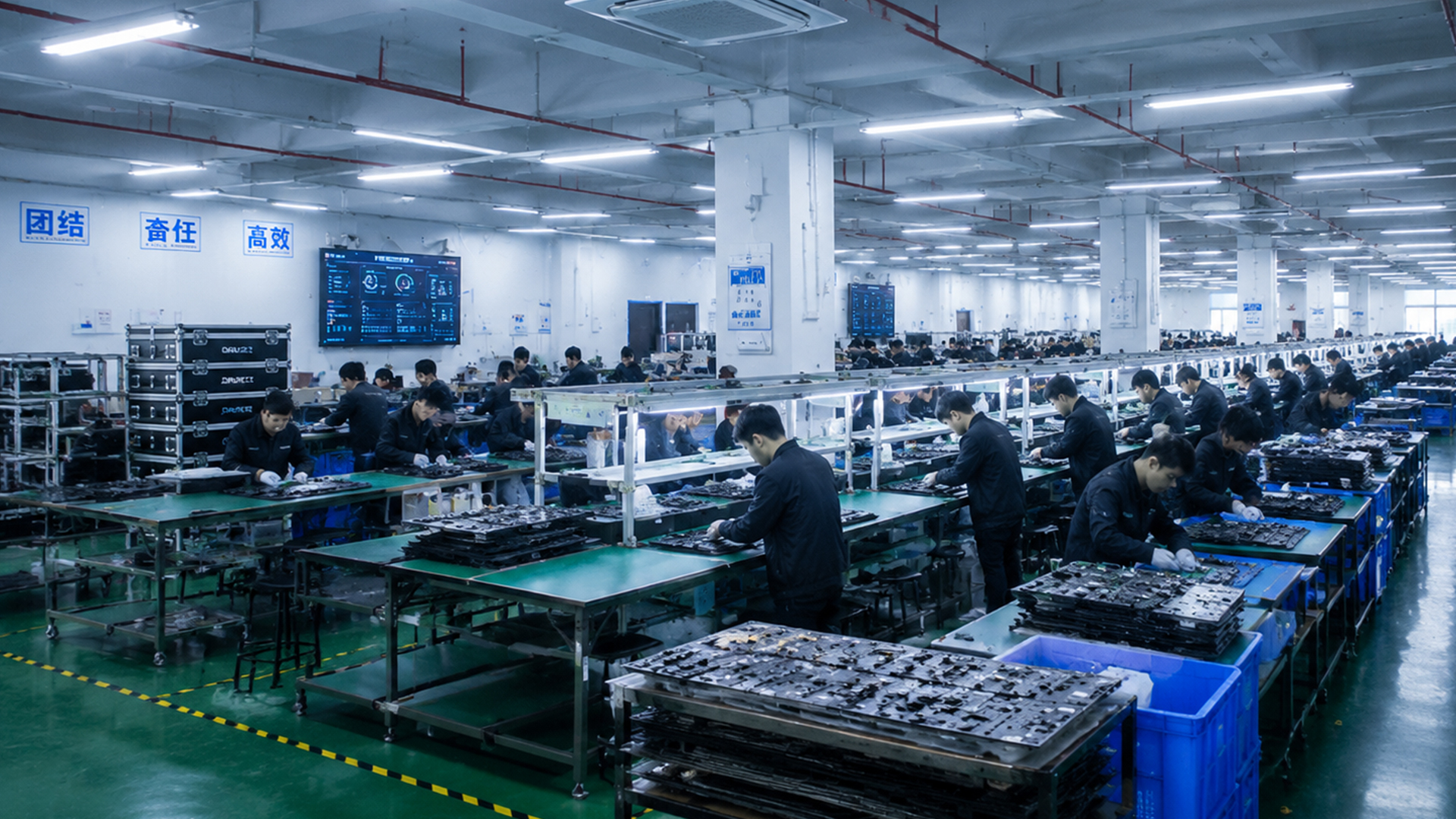
Third, supplier consolidation may occur around patent holders. Onumen's portfolio of 110+ global patents, R&D team of 20 engineers, and 1,000+ completed projects provide a base for continued product iteration. For channel partners, aligning with a manufacturer that controls core intellectual property reduces the risk of product discontinuation and improves access to updated technologies.
FAQ
What are the most common risks when using foldable LED screens long-term?
The main risks are repeated rolling/unfolding stress, mechanical structure reliability, module connection stability, and long-term operation performance. These can be managed through precision roller mechanism design (for rolling models), optimized module connection structures, controlled rolling speed, and strict durability testing, including aging tests and bending tests before shipment.
How durable is a folding LED display from Onumen?
Onumen's documented quality process includes aging tests, bending tests, and complete quality inspection prior to delivery. The company holds over 110 global invention patents and has completed more than 1,000 LED display projects. Specific lifetime figures should be requested from the supplier in the form of test reports for the exact model.
What certifications should a folding LED display have?
At a minimum, CE, RoHS, and FCC certifications are commonly required for international markets. Onumen also states that its production holds ISO management system certificates, and third-party data lists CCC and TÜV Rheinland. For public installations, additional compliance such as IEC 62368-1 (fire resistance and surface temperature) may be relevant, depending on the project location and venue class.
Can a folding LED screen reduce installation labor significantly?
Yes. According to Onumen's comparison data, a 100 m² foldable LED screen can be installed by two people in about one hour. The Easy Sailing series allows one person to install a single unit in about five minutes. A single control card supports up to 76 m², further simplifying wiring and setup.
What are the typical order terms for a distributor?
Onumen's stated MOQ is 1 m² or 1 unit, with delivery methods covering EXW, FOB, CIF, DDP and international shipping. Payment terms include T/T, L/C, and Trade Assurance where applicable. Pre-shipment inspection, video inspection, and functional testing are offered before delivery.
What are the key specifications for foldable LED screens used in stage events?
For stage events, the Easy Sailing EP series is a common choice: pixel pitches P2.6/P3.9/P5.2, 12 kg/m², 14–17 mm thickness, 360° foldable, brightness 630–2300 nits, refresh rate 3840Hz/7680Hz, and IP43 protection. For outdoor stages with high brightness requirements, the Smart Plus FCSL series offers up to 6000 nits and IP65 front/rear protection.