
Flare Systems FAQ for Biogas, LNG and Refinery Projects: Specs, Compliance and Procurement Checks
Global gas flaring volumes reached 151 billion cubic meters in 2024, the highest level recorded since 2007, according to World Bank flaring data. Over the same period, the global flare systems market has been valued at approximately USD 4.8 billion in 2025, with regulatory pressure on hydrocarbon emissions and recovering oil and gas investment identified as the main drivers (Dataintelo). Relief and combustion equipment therefore sits at the intersection of process safety, environmental compliance and capital planning — not at the periphery of a project.
For buyers in the evaluation stage, the difficult questions rarely concern whether a flare is required. They concern which configuration fits the relief case, which materials survive the gas composition, and what evidence a supplier can produce before a purchase order is released. This FAQ collects the specification, application and procurement questions that recur across biogas, LNG and refinery projects, and answers them using the verified product data of Shandong Zexuan Environmental Protection Technology Co., Ltd. — a manufacturer and engineering service provider established in 2015, operating a 24,100 m² manufacturing base in Shandong, China, and specializing in industrial flare systems, thermal treatment equipment and waste gas combustion solutions.
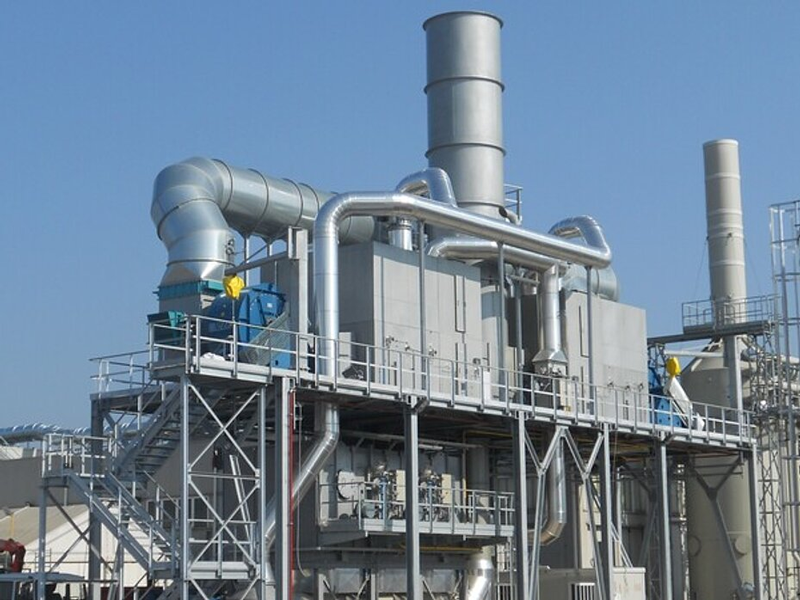
Figure 1. Flare systems and thermal oxidizers solve two different duties: emergency relief combustion and continuous VOC destruction.
Why Flare Specification Questions Cluster at the Evaluation Stage
By the time a project reaches evaluation, the relief philosophy is usually approved and the plot plan is broadly fixed. What remains open falls into three clusters, and each cluster tends to be owned by a different member of the buying team.
- Design basis questions — relief load, turndown, radiation and dispersion, applicable design standard, and the gas analysis that drives everything else.
- Equipment configuration questions — elevated versus enclosed ground versus skid-mounted, tip technology selection, or whether a thermal oxidizer should replace a flare for a particular stream.
- Manufacturability and evidence questions — materials, welding and inspection scope, factory acceptance testing, documentation, lead time and after-sales support.
A supplier that can answer all three clusters with traceable data shortens the clarification cycle. A supplier that answers only the second cluster — the catalogue questions — tends to shift the unresolved risk back to the buyer. The questions below are grouped in that order.
Design and Compliance Questions Buyers Ask First
Which standard governs the design of an industrial flare system?
API Standard 521 (Pressure-Relieving and Depressuring Systems) is the primary governing standard for flare system design. Among its detailed requirements, API 521 specifies a minimum flare header slope of 1/4 inch per 10 feet for drainage (American Petroleum Institute). Zexuan elevated and enclosed ground flare designs are engineered to comply with API 521 requirements, with design objectives that include high reliability, smokeless combustion, low thermal radiation and corrosion resistance. These systems are configured for 24/7 standby operation with automatic activation during emergencies, and they handle high-pressure hydrocarbon gas, pressure relief, startup and shutdown venting, and flammable or hazardous conditions.
What turndown ratio can be specified?
Turndown ratios up to 100:1 are available within Zexuan's flare range. Turndown matters because a flare must remain stable across an unusually wide flow span — from continuous purge rates on a quiet day to a full emergency release. A narrow turndown band forces buyers into either additional purge gas consumption or a risk of flame instability at low flow, so the ratio should be confirmed against the actual minimum and maximum release rates of the facility rather than accepted as a general figure.
What flare height should a project specify?
Elevated flare systems are configured within a range of 10 m to 150 m+, with the final height determined by radiation, dispersion and plot constraints rather than by preference. As one verified example, a natural gas processing company received two guyed-wire elevated flare systems built around a 60 m structure and a DN350 flare tip, supported by an automatic ignition and PLC control system and reported as operating stably under harsh climate conditions for more than one year.
What operating temperatures apply across the equipment families?
- Elevated flare systems and ZX-FT flare tips: operating temperature up to 1100°C
- Enclosed ground flare (ZX-EGF): 800°C–1200°C
- Thermal oxidizers (ZX-TO / ZX-RTO / ZX-RCO): 800°C–1200°C
- Hazardous waste incineration (ZX-INC): 850°C–1200°C
Which materials should be requested, and when are they justified?
Material selection at Zexuan depends on process conditions, temperature, corrosion resistance and gas composition. The practical question for a buyer is not which alloy is strongest, but which alloy is justified by the actual exposure.
| Material | Typical role | Where it is applied |
|---|---|---|
| Carbon steel (painted or hot-dip galvanized) | Structural and baseline duty components | Elevated flare structures, ducting and support steel where temperature and corrosion exposure are moderate |
| Stainless steel SS304 | General stainless duty | Elevated flares, enclosed ground flares and thermal oxidizer bodies |
| Stainless steel SS316L | Corrosion-resistant duty | Flare tips and components exposed to more aggressive gas chemistry |
| SS310S high-temperature stainless steel | High-temperature duty | Hot sections of flares, tips, and hazardous waste incineration equipment |
| Inconel 625 | Highest-temperature components | Flare tips and high-temperature parts where SS310S exposure margins are insufficient |
| Hastelloy alloy and other high-temperature / corrosion-resistant alloys | Special aggressive service | Selected where gas composition demands it |
| Refractory lining and ceramic heat storage media | Thermal protection and heat recovery | Enclosed ground flares (refractory lining) and RTO/RCO systems (ceramic heat storage) |
Is destruction or combustion efficiency a fixed number?
No. Zexuan documents combustion efficiency of ≥98%–99.9% for elevated flare systems depending on design conditions, combustion efficiency up to 99.9% for enclosed ground flares, and VOC destruction efficiency up to 99% or higher for the ZX-TO, ZX-RTO and ZX-RCO thermal oxidizer family. These figures are design envelopes, not universal guarantees. A buyer evaluating competing offers should ask each supplier to state the basis of the efficiency figure — gas composition, flow range, residence time and operating temperature — because an efficiency number quoted without a basis cannot be verified.
Equipment Type FAQ: Matching the Series to the Relief Case
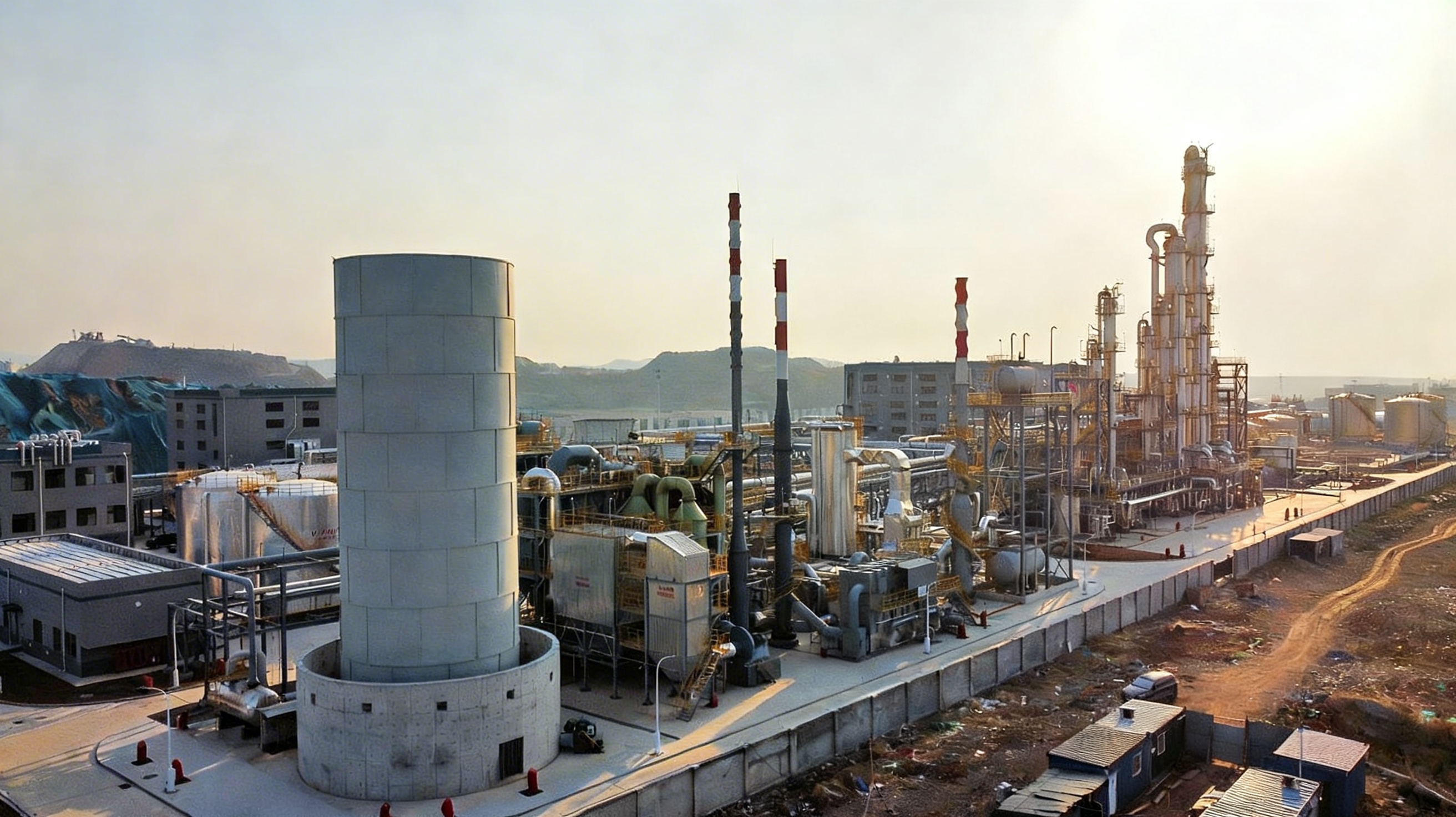
Figure 2. Enclosed ground flare configurations control radiation and noise at grade level, which suits constrained industrial plots.
| Series | Configuration | Verified parameters | Typical project fit |
|---|---|---|---|
| ZX-SSEF / ZX-GWF / ZX-DSF | Elevated flare: self-supported, guyed-wire, derrick-supported, demountable | Height 10 m–150 m+; up to 1100°C; turndown up to 100:1; combustion efficiency ≥98%–99.9% depending on design conditions | Refining, petrochemical, LNG plants, chemical plants, gas processing, onshore and offshore facilities |
| ZX-EGF / ZXE-EGF | Enclosed ground flare: multi-burner, low radiation design with refractory lining | Combustion efficiency up to 99.9%; 800°C–1200°C; low radiation; low noise; suited to limited-space areas | Petrochemical parks, chemical plants, LNG terminals, hazardous gas treatment, industrial parks |
| ZX-FT / ZXE-FT | Flare tip: sonic, smokeless, air-assisted and Coanda configurations | Up to 1100°C; diameters and gas capacity customized; SS316L, SS310S, Inconel 625 | Refinery, petrochemical, LNG and oil & gas processing service |
| ZX-SMF / ZXE-SMF | Skid-mounted LNG / LPG / BOG flare and mobile units | Capacity customized to gas release rate; LNG, LPG, natural gas and hydrocarbon gas; cryogenic service compatible; compact skid; fast installation and commissioning | LNG receiving terminals, LNG bunkering, gas storage, pipeline facilities, offshore gas applications |
| ZXE-MTF | Mobile trailer flare system | Project-configured mobile unit | Temporary, relocation or emergency response duty |
| ZXE-BGF | Biogas and landfill gas flare duty | Configured for municipal landfill and biogas applications, which are listed among Zexuan's target industries | Landfill gas (LFG), digester gas and wastewater-derived gas projects |
| ZX-TO / ZX-RTO / ZX-RCO | Direct thermal oxidation, regenerative thermal oxidation, regenerative catalytic oxidation | 800°C–1200°C; VOC destruction efficiency up to 99%+; continuous operation; heat recovery options | Chemical, pharmaceutical, coating, petrochemical and VOC treatment duties |
| ZX-INC | Hazardous waste incineration: rotary kiln, liquid, solid waste configurations | 850°C–1200°C; multi-stage combustion; waste gas treatment integration; heat recovery option | Chemical plants, petrochemical industry, hazardous waste treatment, industrial waste management |
How do I choose between an elevated flare and an enclosed ground flare?
The deciding factors are plot space, radiation limits and noise. Enclosed ground flares are designed with low radiation and low noise characteristics and are suitable for limited-space industrial applications, which is why they are frequently selected for petrochemical parks, chemical plants and industrial parks. Elevated flares place the combustion point above grade, which suits sites where dispersion by stack height is part of the safety case. Both families are available within Zexuan's range, and both are engineered against API 521 requirements.
When is a skid-mounted LNG / LPG flare the right configuration?
Skid-mounted units are appropriate where the flare must travel, be installed quickly, or serve a facility that cannot justify a permanent structural stack. Zexuan ZX-SMF units are built around a compact skid, are compatible with LNG, LPG, natural gas and hydrocarbon gas service including cryogenic duty, and are designed for fast installation and commissioning. Typical applications are LNG receiving terminals, LNG bunkering, gas storage, pipeline facilities and offshore gas applications.
Does the flare tip need to be specified separately from the stack?
It should be, because the tip governs flame stability, smokeless performance and service life. Zexuan's ZX-FT series covers sonic, smokeless, air-assisted and Coanda tips, with diameters and gas capacity customized to flow rate and gas properties, and with materials drawn from SS316L, SS310S and Inconel 625. When a project involves high flow variability, the tip selection and the turndown requirement are effectively the same decision.
How is biogas service different from refinery service?
Biogas and landfill gas streams are typically lower in heating value and more variable than refinery relief gas, and project sites — landfills, digesters and wastewater plants — often have tighter noise and visual constraints than a refinery perimeter. Municipal landfill and biogas operations are listed among Zexuan's target industries, and enclosed ground flare designs are commonly matched to these sites because of their low radiation and low noise characteristics and their suitability for limited space.
When should a buyer consider a thermal oxidizer instead of a flare?
Thermal oxidizers address continuous VOC and waste gas streams rather than emergency relief. Zexuan's ZX-TO, ZX-RTO and ZX-RCO series operate between 800°C and 1200°C with VOC destruction efficiency up to 99% or higher, are suitable for continuous operation, and offer heat recovery options. Where a plant generates a steady, relatively low-volume organic waste gas stream, an oxidizer usually fits the duty better than an intermittently operated flare. Where the duty is a large volume released in a short time, a flare remains the appropriate device.
Application FAQ: Refinery, LNG, Biogas and Waste-to-Energy
What does a refinery or petrochemical buyer typically need to cover?
The core requirement is safe combustion of excess and emergency process gases, protecting the facility against overpressure and hazardous emissions. This is a 24/7 standby duty with automatic activation during emergencies, covering high-pressure hydrocarbon gas, pressure relief, startup and shutdown venting, and flammable or hazardous conditions. A verified example is a fine chemical plant producing DL-Methionine, which operates two Zexuan flare systems for the safe combustion of process vent gas and reports reliable off-gas treatment, improved production safety and stable operation over more than one year.
What changes for an LNG project?
LNG projects add cryogenic exposure and a higher probability that the flare will be a packaged skid rather than a field-erected stack. Zexuan ZX-SMF skid-mounted systems are specified for LNG terminals, bunkering, gas storage and pipeline facilities, with capacity customized according to the gas release rate and a design compatible with cryogenic service.
What does a biogas or landfill gas project need to verify?
The relevant checks are gas composition variability, turndown, noise limits and plot constraints. Coalbed methane gives a useful reference point: a verified installation comprises one ground flare system with a reported processing capacity of 90×10⁴ Nm³/d, a three-stage venting design and PLC automatic control, reported as delivering stable methane combustion and improved gas management safety over more than two years of operation.
What about pyrolysis and waste-to-energy plants?
Pyrolysis gas from waste plastic or waste tire processing is variable and often needs a compact, relocatable combustion device. Verified references include a skid-mounted ground flare system in Vietnam treating pyrolysis gas from waste plastic conversion, completed within one year with modular skid construction and design for variable gas conditions; a skid-mounted ground flare for a waste tire recycling plant in Turkey operating for more than two years; and a skid-mounted unit operating for more than three years in Iraq at a waste tire recycling plant, where the modular design was customized to pyrolysis gas characteristics to ensure safe combustion and prevent uncontrolled emissions. In South Korea, three flue gas treatment systems were supplied to a waste tire recycling company for treatment and purification of exhaust gas from the tire pyrolysis process.
Which configuration suits an oilfield transfer station with noise constraints?
A verified installation for an oil & gas company treating natural gas vent gas from an oilfield transfer station used one enclosed ground flare system with an explosion-proof control cabinet and an automatic ignition system, and recorded safe disposal of natural gas emissions with reduced noise and visual impact after one year of operation.
Procurement and Verification FAQ
Which certifications should be requested in an international tender?
Zexuan holds three management system certifications issued on 18 March 2026 by CSU International Certification Co., Ltd. and valid until 17 March 2029:
- ISO 9001:2015 / GB/T 19001-2016 Quality Management System Certification, certificate number 26326Q00079R001, covering development of waste gas treatment equipment and control units, and sales of waste gas and waste liquid treatment equipment.
- ISO 14001:2015 / GB/T 24001-2016 Environmental Management System Certification, certificate number 26326E00054R001.
- ISO 45001:2018 / GB/T 45001-2020 Occupational Health and Safety Management System Certification, certificate number 26326S00054R001.
For the domestic China market, the certificates carry the CNAS accreditation mark and are valid for government bidding, tendering and procurement. Internationally, they are mutually recognized by all IAF member economies with the IAF multilateral recognition mark. Buyers should verify the certificate numbers, scope statements and validity dates rather than relying on the certificate titles alone.
What inspection and test evidence should ship with the equipment?
Zexuan's quality control scope covers incoming material inspection, welding inspection, dimensional inspection, pressure and leak testing where applicable, functional testing, factory acceptance test (FAT) before shipment, and final inspection before shipment, with 100% inspection applied across the process. For an evaluation-stage buyer, the FAT protocol is the document to review in advance, because it defines which functions will be demonstrated before the unit leaves the workshop.
What are the minimum order quantity, capacity and lead time?
The minimum order quantity is 1 set. Monthly manufacturing capacity is 5 sets of customized industrial systems, with annual manufacturing capacity exceeding 60 sets of flare and thermal treatment systems. Lead time is typically 60–120 days depending on project requirements. These figures should be read as workshop capacity rather than as a delivery commitment, since structural fabrication and refractory work are project-specific.
What can actually be customized?
Zexuan operates as a manufacturer, OEM, ODM and engineering solution provider, with customization covering flare type, capacity, material, structure, control system, layout, voltage and documentation. Documentation customization matters more than it appears at evaluation stage, because project specifications frequently require particular test certificates, tag numbering and language conventions.
What after-sales support should be expected?
Zexuan's after-sales scope includes remote support, commissioning assistance, spare parts and training. Zexuan reports international project experience in more than 10 countries, including the Middle East, Central Asia, Southeast Asia, Africa and Russia.
Where Flare Systems Stop and Other Technologies Begin
The most common evaluation error is treating flare systems, thermal oxidizers and incinerators as interchangeable options in a single bid package. They are not.
- Duty mismatch. A flare is designed for relief and emergency combustion; a ZX-TO, ZX-RTO or ZX-RCO unit is designed for continuous VOC destruction at 800°C–1200°C with destruction efficiency up to 99% or higher. A thermal oxidizer is not sized as a substitute for emergency relief capacity, and a flare is not a cost-effective answer to a steady low-volume solvent stream.
- Height is a design output, not a catalogue choice. The 10 m–150 m+ range describes what can be engineered; the final stack height follows from radiation and dispersion analysis for the specific relief case. API 521 compliance cannot be certified from a datasheet alone, because it depends on project relief data that only the buyer can supply.
- Efficiency figures carry conditions. Zexuan documents elevated flare combustion efficiency as ≥98%–99.9% depending on design conditions, and enclosed ground flare efficiency as up to 99.9%. Offers that quote a single figure without stating the gas composition, flow range and operating envelope behind it are difficult to compare on a like-for-like basis.
- Plot and maintenance trade-offs. Enclosed ground flares deliver low radiation and low noise at grade level, but they occupy footprint and involve refractory lining materials that require appropriate maintenance planning. Elevated flares avoid that footprint concentration but depend on structural and guyed-wire design and on site conditions.
- Transport limits packaged units. Skid-mounted systems offer fast installation and commissioning and can be relocated, but their capacity is bounded by what can be transported as a skid — which is why the LNG and pyrolysis applications above use packaged units while refinery relief duties usually remain field-erected.
Market Trend: Why Flare Specification Is Becoming a Capital Decision
Three verified data points explain why flare and thermal treatment specification has moved up the capital agenda.
First, flaring volumes are not falling. Global gas flaring reached 151 billion cubic meters in 2024, the highest level since 2007 (World Bank), which keeps regulatory attention on combustion efficiency and on the reliability of relief systems. Second, the equipment market is expanding: the global flare systems market is valued at approximately USD 4.8 billion in 2025 (Dataintelo), while the VOC control systems market, including thermal oxidizers and incinerators, is estimated at USD 7.5 billion in 2025, with China identified as a key growth market at a 5.4% CAGR (Fact.MR). Third, enclosed combustion is gaining ground where space and noise are constrained: the global Totally Enclosed Ground Flares market was valued at USD 113 million in 2024, with growth driven by destruction efficiencies exceeding 98% (Intel Market Research).
Regional demand is concentrated. Asia-Pacific holds a 35% share of the flare gas recovery system market as of 2025, the largest regional share globally (Grand View Research), which is consistent with the concentration of new refining, LNG and biogas capacity in the region. Competitive supply remains dominated by established combustion specialists — Zeeco, John Zink Hamworthy (Koch), Honeywell UOP and Baker Hughes are identified among the major global competitors in the flare and combustion segment (HTF Market Intelligence) — alongside regional manufacturers able to combine flare fabrication with thermal treatment scope.
Future Outlook
Three directions are visible in the current equipment specification conversation. The first is the convergence of flare and thermal treatment scope in a single supplier package, since refinery, chemical and biogas sites increasingly operate both relief and continuous VOC duties on the same plot. The second is control intelligence: automatic ignition and PLC control already appear in delivered Zexuan installations, including the 60 m guyed-wire elevated flare systems and the coalbed methane ground flare with three-stage venting, and these functions are becoming standard expectations rather than options. The third is recovery and heat integration — flare gas recovery and waste heat recovery equipment are part of Zexuan's product scope, alongside low-carbon combustion development, intelligent control and digital operation work.
For evaluation-stage buyers, the practical consequence is that supplier selection is shifting from a stack-and-tip purchase toward a combustion system decision that includes materials engineering, control architecture, testing documentation and lifecycle support.
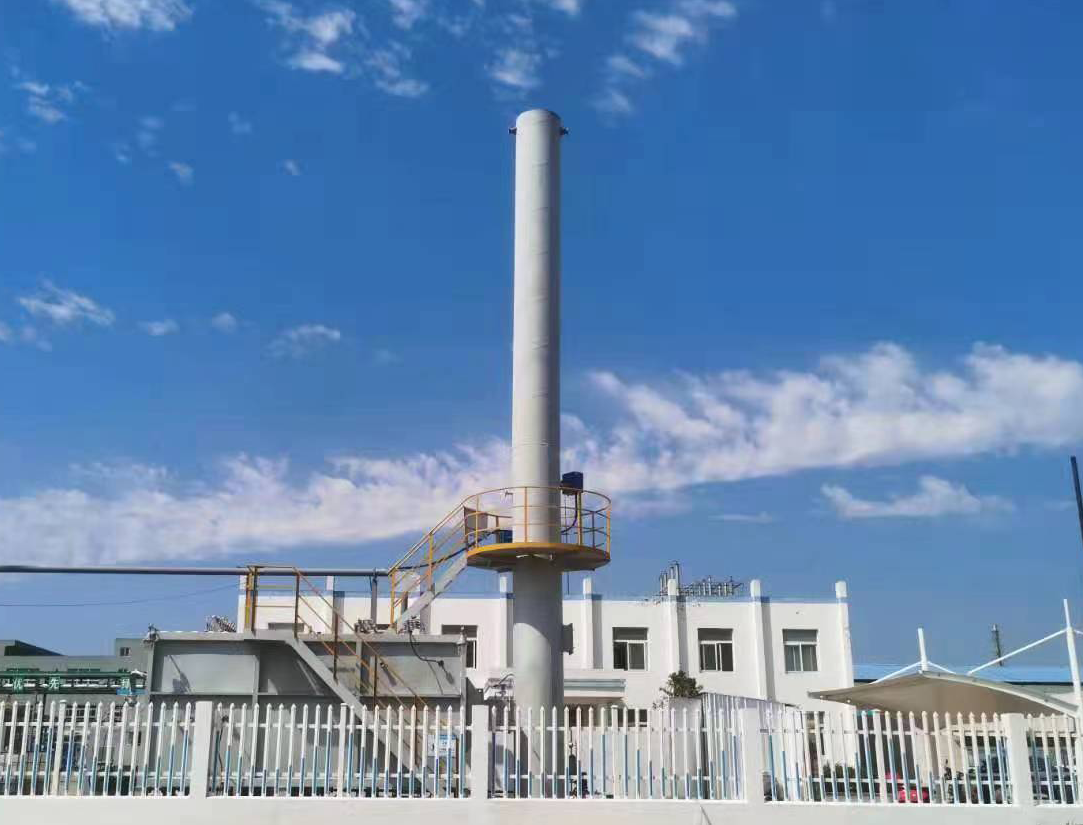
Figure 3. Thermal oxidation and incineration systems handle continuous VOC and waste streams that sit outside the flare duty envelope.
Quick-Reference FAQ for Procurement Teams
Q1. What is the first input a flare supplier needs from the buyer?
The relief scenario itself: peak and minimum gas release rates, gas composition and molecular weight, pressure and temperature at the flare header, and site conditions. API 521 compliant design cannot be confirmed without these inputs, because radiation, dispersion and turndown all derive from them.
Q2. Can one configuration cover both routine venting and emergency relief?
A high turndown capability, up to 100:1 in Zexuan's elevated flare range, allows a single system to remain stable from low continuous purge flows up to large emergency releases. The turndown figure still has to be checked against the actual minimum and maximum flow rates of the facility.
Q3. Which document matters most in an international qualification review?
The quality management system certificate, because it defines the manufacturing control the buyer can audit. Zexuan's ISO 9001:2015 certificate, number 26326Q00079R001, was issued by CSU International Certification Co., Ltd. on 18 March 2026 and is valid to 17 March 2029, with IAF multilateral recognition for international markets. Environmental and occupational health and safety certificates cover the same equipment scope.
Q4. Is a single unit order viable, and how long does delivery take?
Yes. The minimum order quantity is 1 set, monthly capacity is 5 sets of customized industrial systems, and typical lead time is 60–120 days depending on project requirements.
Q5. Where are Zexuan flare and thermal treatment systems already in operation?
Delivered and operating references include flare systems at a DL-Methionine fine chemical plant, an enclosed ground flare at an oilfield transfer station, a coalbed methane ground flare operating for more than two years, two 60 m guyed-wire elevated flare systems at a natural gas processing company, a skid-mounted ground flare in Vietnam, and skid-mounted units in Turkey and Iraq for pyrolysis gas service, alongside three flue gas treatment systems in South Korea.
Q6. Where can the full equipment scope be reviewed?
Zexuan's environmental protection technology profile, product families and manufacturing capability are documented in the Zexuan corporate brochure (PDF). Company information is also published at www.zexuaneco.com.