
Fiber Grade Titanium Dioxide: Why ISO 9001 Certification and Parameter Consistency Matter for PET Production
Industry Context: The Growing Demand for Certified Fiber Grade TiO₂
The global fiber grade titanium dioxide market, valued at USD 1.46 billion in 2024, is projected to reach USD 1.94 billion by 2032, according to Intel Market Research. Polyester fiber applications alone account for over 60% of this demand. As chemical fiber producers scale up continuous spinning lines, the need for consistent, low-impurity anatase titanium dioxide with verifiable quality certifications becomes a critical procurement criterion. Buyers are no longer evaluating only price; they demand documented process control, batch reproducibility, and third-party certification to reduce production risks.
Problem: Hidden Risks in Uncertified TiO₂ Supply
Many fiber grade TiO₂ suppliers offer products without independent quality management system certification. For polyester producers, even minor variations in iron content (<0.004%), pH value, or electrical conductivity can cause intrinsic viscosity degradation, spinneret clogging, and uneven delustering—leading to costly downtime and off-spec fiber batches. Without a certified quality framework, the traceability and consistency of each shipment remain uncertain, especially for high-speed continuous spinning operations.
The Orient International Solution: SA-50 with ISO 9001:2015 Certification
Orient International Holding Shanghai Foreign Trade Co., Ltd, a state-owned enterprise founded in 1988, supplies fiber grade titanium dioxide under the SUNTIOX brand. Its flagship polyester whitening agent, model SA-50, is an anatase-type TiO₂ designed specifically for PET fiber manufacturing. The titanium dioxide product SA-50 holds ISO 9001:2015 certification (certificate number TUV100034917/2) issued by TUV SUD, covering the global market. This certification applies to the production and sales of chemical fiber grade titanium dioxide, ensuring that every batch follows a documented quality management system.
Technical Parameters That Matter
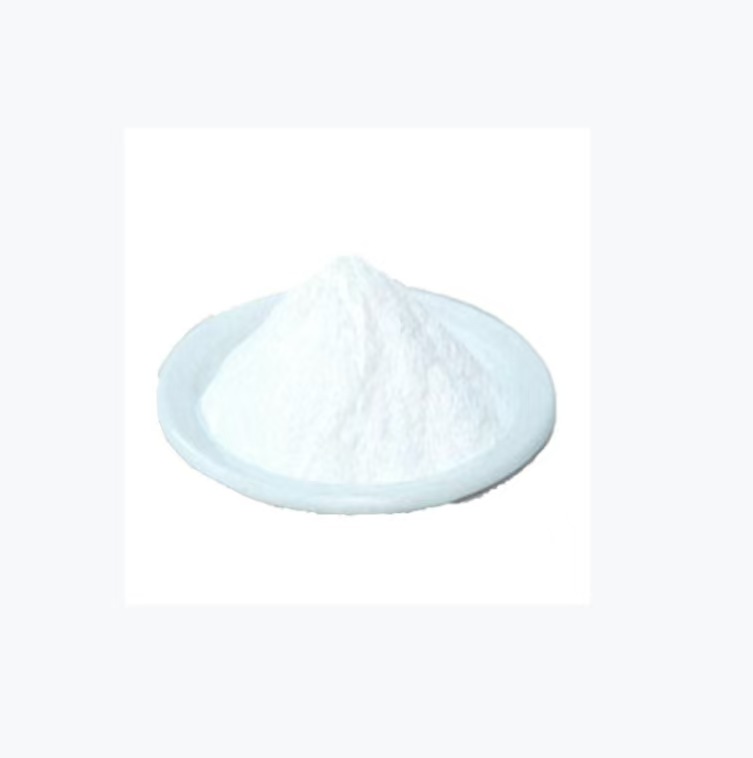
SA-50's specification sheet reveals tight control over critical variables: TiO₂ content ≥98.0%, 325 mesh sieve residue ≤0.004%, Fe₂O₃ ≤0.004%, pH value 6.8±0.2, electrical conductivity ≤230 μs/cm, specific surface area (SSA) 8.5–10.0 m²/g, color L-value 96.7–98.2, and color b-value ≤0.0. These parameters are directly linked to its performance in polyester polymerization: the neutral pH and low ionic impurity levels prevent undesirable side reactions that degrade PET intrinsic viscosity, while the fine particle distribution ensures stable matting effect and minimal spinneret wear.
Application in Continuous Polyester Spinning
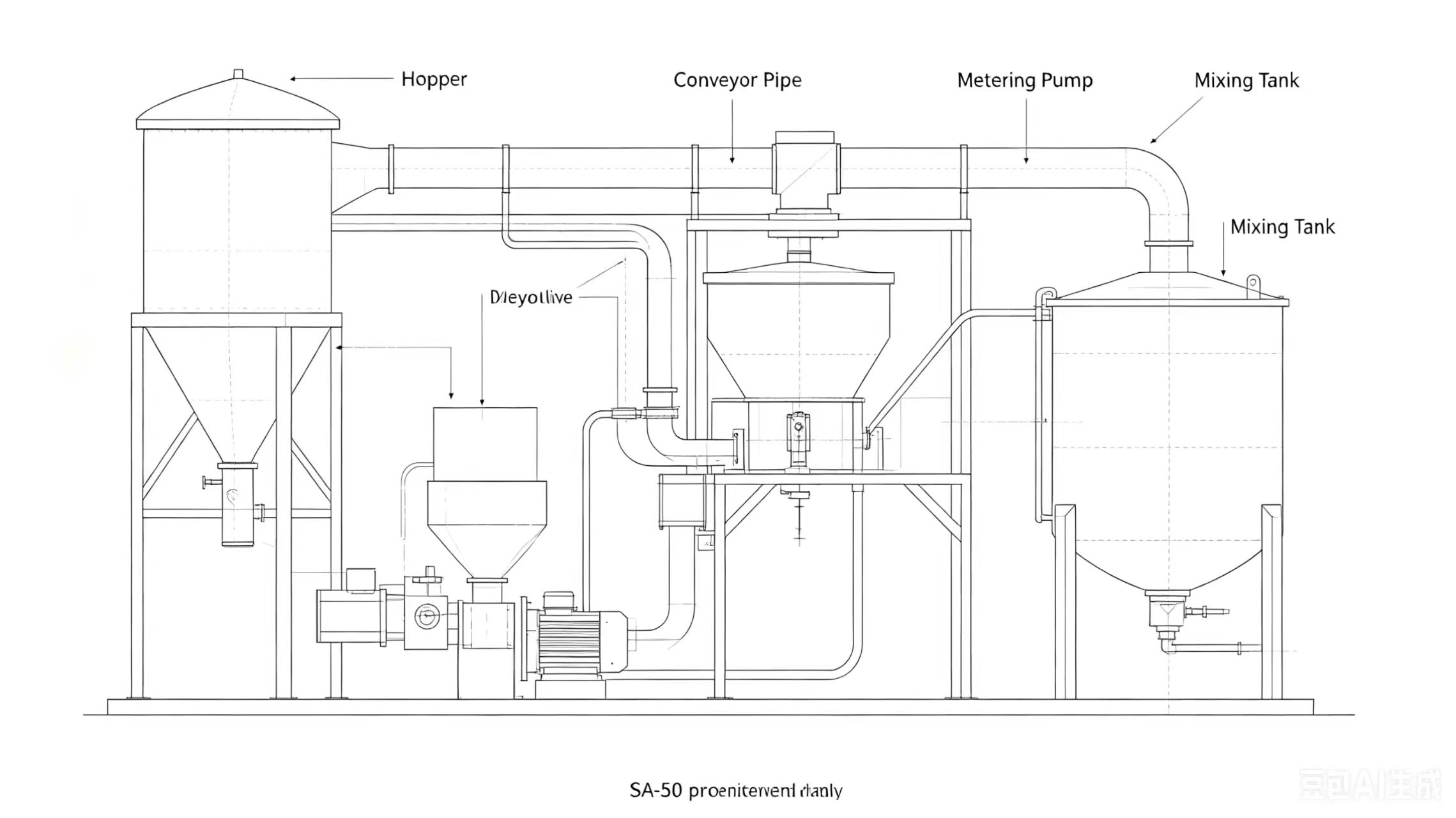
In a typical polyester chip production line, SA-50 is first dispersed in ethylene glycol at 40–60°C with low-speed stirring to form a stable suspension before polymerization. The suspension is then pumped into the PET esterification reactor and blended uniformly under 240–285°C. Field evidence from a Chinese polyester producer (over 5,000 metric tons cumulative supply, >10 years cooperation) shows that SA-50 delivers even dispersion without black spots or crystal points. The spinneret clogging cycle extended over 40%, and filament breakage rate dropped by approximately 35%, supporting long continuous high-speed spinning. The case also confirms stable L-value above 96.7 and anti-yellowing performance.
Market Trend: Certification as a Differentiator
China's total titanium dioxide exports reached a record 1.9017 million tons in 2024, a 15.84% year-on-year increase (China Customs Statistics). As global competition intensifies, downstream fiber producers are requiring suppliers to demonstrate compliance with recognized quality standards. While competing products like Venator's HOMBITAN® LW-S 100 have achieved OEKO-TEX® ECO PASSPORT certification for textile safety, the ISO 9001 certification held by SA-50 provides a complementary assurance of manufacturing process consistency and traceability—a requirement increasingly demanded by industrial buyers in the Research and Evaluation stage.
Comparison with Conventional Solutions
Traditional non-certified anatase grades often lack documented batch-to-batch control, leading to unpredictable process behavior. SA-50, with its ISO 9001 certification and TUV SUD audit, offers measurable process stability. One honest limitation is that SA-50 is optimized primarily for polyester (PET) and not for all synthetic fiber types; for nylon fiber matting, Orient International provides the SA-80 model, which has a different TiO₂ content (≥95.0%) and pH range (6.8–8.0) tailored to polyamide processing.
Future Outlook: Toward Functional Specialization
The fiber grade TiO₂ market is moving beyond simple delustering toward functional roles such as UV protection, anti-yellowing, and processability for recycled PET. Orient International's documented experience with over 5,000 metric tons of supply to major Chinese polyester makers positions it to support this evolution. The company's monthly capacity of 1,000 mt and lead time of 15–30 days (MOQ 1 mt) enable flexible supply for both large continuous lines and specialty batch production.
FAQ
A: The titanium dioxide product SA-50 is certified to ISO 9001:2015. This certification is issued by TUV SUD under certificate number TUV100034917/2 and applies to the global market.
A: SA-50 has TiO₂ content ≥98.0%, 325 mesh sieve residue ≤0.004%, Fe₂O₃ ≤0.004%, pH 6.8±0.2, electrical conductivity ≤230 μs/cm, specific surface area 8.5–10.0 m²/g, L-value 96.7–98.2, and b-value ≤0.0.
A: Due to its neutral pH and low ionic impurities, SA-50 disperses evenly in ethylene glycol without settling, preventing side reactions that reduce PET viscosity. In spinning, it extends spinneret clogging cycles by over 40% and reduces filament breakage by approximately 35%.
A: SA-50 is first dispersed in ethylene glycol at 40–60°C with gentle stirring to form a stable suspension. The suspension is then pumped into the esterification reactor and blended uniformly under 240–285°C without interfering with polymerization.
A: SA-50 is designed for polyester manufacturing. For nylon (polyamide) fiber matting, Orient International offers the SA-80 model. For viscose and acrylic fibers, the SA-60 model is available.