
Fashion Jewelry Sourcing: 8 Categories for a Versatile Basket
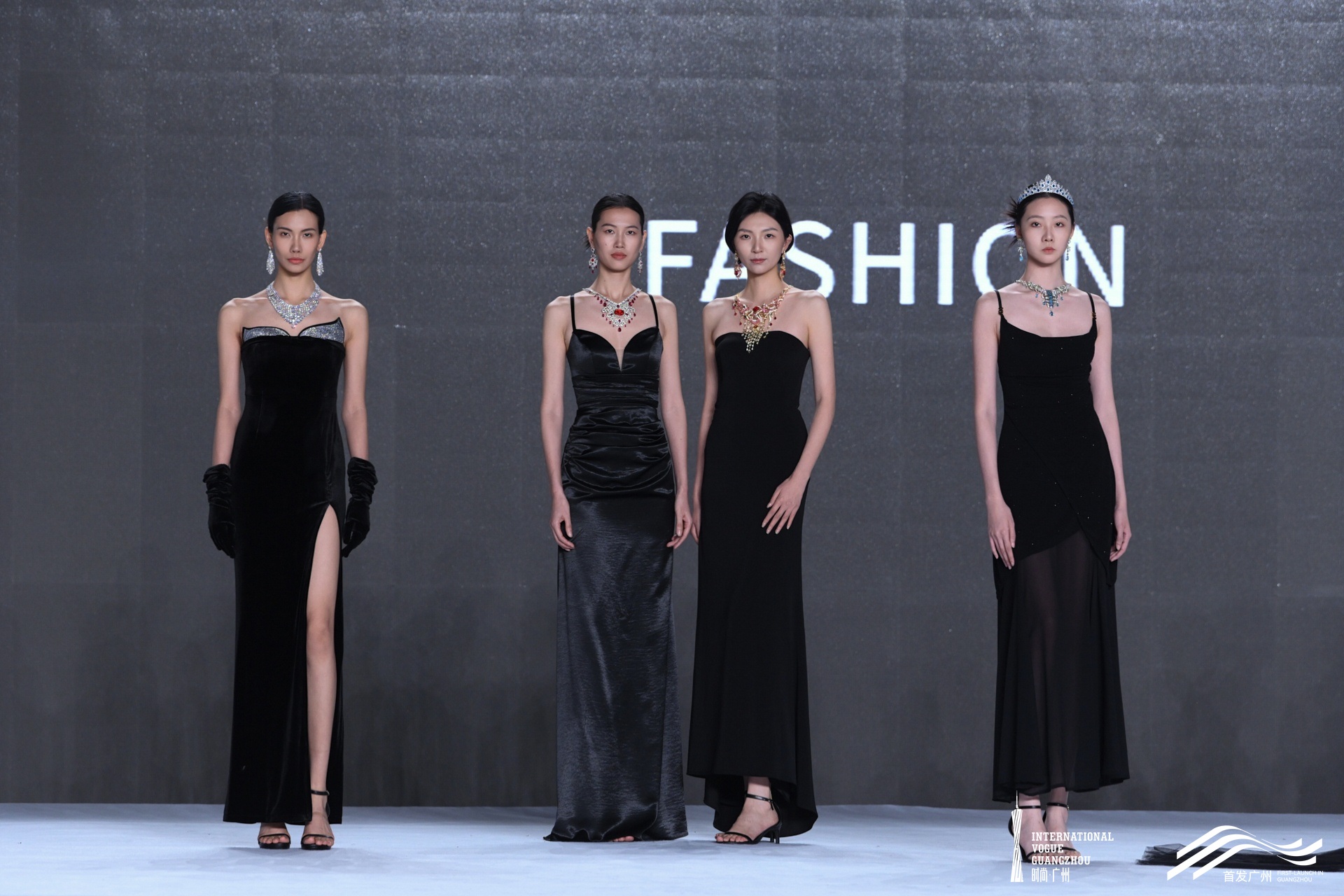
A versatile fashion jewelry sourcing basket draws from categories chosen for occasion coverage rather than novelty.
Fashion jewelry is one of the most fragmented categories in global consumer goods. The global fashion (costume) jewelry market was projected to reach USD 167.97 billion in 2024 (Custom Market Insights), and the imitation jewelry segment is expected to grow at a compound annual rate of 7.23% between 2025 and 2035, driven largely by e-commerce expansion (Spherical Insights). China remains a central supply base: its jewelry exports reached approximately USD 11.5 billion in 2024, with Hong Kong, the United States and Switzerland among the main destinations (OEC).
For buyers — retailers, boutique owners, cross-border e-commerce sellers, live-streaming supply-chain vendors and distributors — the operating question is rarely whether to stock fashion jewelry. It is how to assemble a product mix that sells across everyday wear, gifting, parties and weddings without multiplying the number of supplier relationships behind it.
That is the logic of a versatile sourcing basket: a deliberately chosen set of product categories selected for occasion coverage rather than novelty, managed through as few supply relationships as the mix allows. This shortlist sets out eight categories — rings, pendants, earrings, necklaces, bracelets, anklets, bangles and jewelry sets — and explains why each earns a place, and what that breadth means for long-term sourcing.
Why a Basket Beats Category Depth
A common starting assumption is that depth in a single category — say, earrings — produces the strongest program. In practice, single-category focus tends to create three recurring problems.
It concentrates demand on one sell-through cycle. Rings, necklaces and earrings do not move at the same velocity, and they rarely appeal to the same buyer at the same moment. A basket that leans on a single category is exposed to that category's fashion cycle.
It fragments the supply base. When gaps are filled from several factories, order administration, quality inspection and payment terms multiply. That is a real cost even when unit prices look competitive.
It weakens replenishment predictability. Long-term programs depend on repeatable production, not one-off wins. A supplier whose portfolio spans the categories a buyer actually sells can absorb mix changes without triggering new supplier qualification.
The opportunity is therefore not to stock more SKUs. It is to pick categories that together cover the most occasions at the lowest operational overhead.
The Eight Categories at a Glance
The shortlist below is not a ranking. No single category outranks another; each is included because it covers occasions the others do not, and because the eight together form a coherent basket.
| Category | Primary Occasions | Role in the Basket |
|---|---|---|
| Rings | Daily wear, gifting | High-frequency, low-ticket line that lifts basket value |
| Pendants | Daily wear, gifting | Personalization-friendly; supports chain-and-pendant systems |
| Earrings | Daily wear, party, wedding | Highest visibility; impulse and set-building driver |
| Necklaces | Party, wedding, daily wear | Largest revenue segment; anchors statement and layering looks |
| Bracelets | Daily wear, gifting | Layer-friendly; supports stacking and self-purchase |
| Anklets | Resort, seasonal, party | Seasonal differentiator; complements summer assortments |
| Bangles | Wedding, festive, party | Volume-friendly in sets; supports festive bundles |
| Jewelry Sets | Wedding, gifting, festive | Highest order value; removes matching decisions |
What Each Category Contributes
Rings
Rings are the smallest unit of a jewelry basket and one of the most repeatable. They sell on sizing simplicity, low perceived risk and the fact that they can be worn daily without an occasion. For a sourcing basket, rings act as a high-frequency, lower-ticket line that lifts average order value and encourages repeat purchase. They also pair naturally with pendants and bracelets in gift-oriented displays.
Pendants
Pendants are the most personalization-friendly category in fashion jewelry. Because design value sits in the pendant rather than the chain, buyers can offer a single chain format with multiple pendant designs, simplifying inventory while widening apparent choice. Pendants suit gifting, daily wear and layered styling, and they ship and photograph easily — a practical advantage for e-commerce and live-selling channels.
Earrings
Earrings generate the highest visual impact per unit and often drive impulse purchase. They are among the easiest categories to merchandise in sets, and they move across daily wear, parties and weddings. In a basket, earrings function as a demand driver: they attract attention, convert quickly and introduce buyers to the rest of the range.
Necklaces
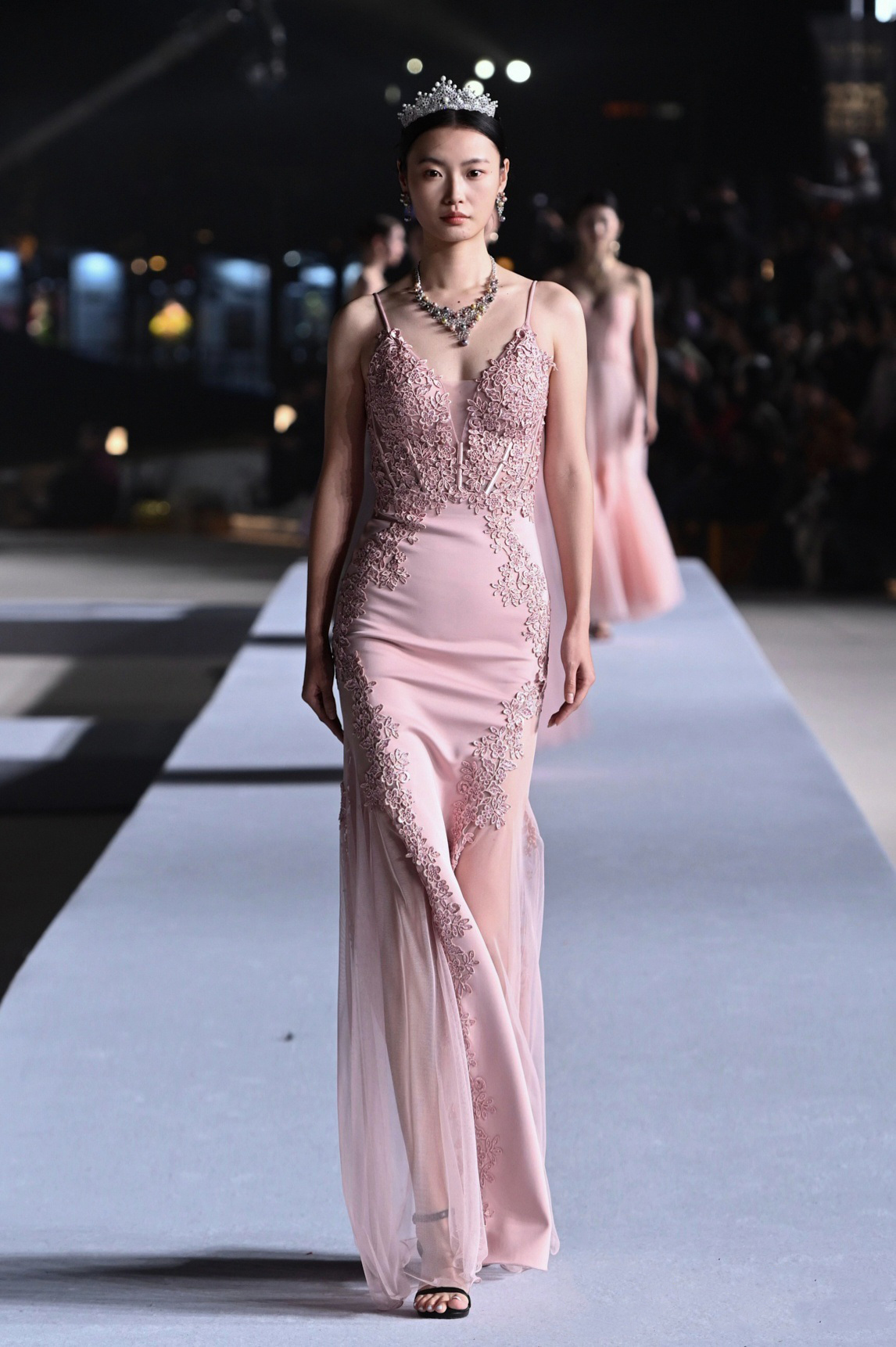
Necklaces and pendants together form the largest product segment of the fashion jewelry market, accounting for approximately 28.5% of revenue (Market Intelo). For that reason alone, a sourcing basket without a credible necklace line competes for a smaller share of the category. Necklaces anchor statement looks, support layering trends and carry higher order values than small accessories, which makes them central rather than optional.
Bracelets
Bracelets are layer-friendly and gifting-strong. They appeal to stacking and self-purchase behavior, and their production tolerances are generally forgiving across material families. In a basket, bracelets balance earrings and necklaces by offering a lower-risk entry point for customers who are not yet ready to buy a full set. They also travel well through e-commerce packaging.
Anklets
Anklets are a seasonal differentiator rather than a core volume line. They perform in resort, summer and party assortments, and they give a basket a point of difference that mass retailers rarely prioritize. Their role is to add seasonal relevance without requiring a supplier change — a practical test of whether a supplier's portfolio is genuinely broad.
Bangles
Bangles carry strong cultural and festive demand and are typically sold in multiples. They suit wedding and festival assortments, and their volume-friendly format supports set-building and higher-value bundles. In a sourcing basket, bangles complement necklaces and jewelry sets at the festive end of the range.
Jewelry Sets
Jewelry sets are the basket's highest-value category and its most efficient matching tool. By pre-combining necklace, earrings and often bracelets, sets remove the matching decision from the end customer and raise average order value. They suit weddings, gifting and festive demand — the occasions where customers expect to buy a coordinated look rather than individual pieces.
Materials and Construction: The Technical Layer
A cross-category basket only works when the material base is consistent enough to simplify quality control. Across the eight categories above, three material families recur in fashion jewelry: copper alloys with gold plating, stainless steel, and stone settings such as cubic zirconia and crystal.
Copper-alloy bases with gold plating are widely used where a rich gold tone is the design intent, combining texture with durability. Stainless steel is often chosen where daily-wear resistance matters more than decorative plating. Cubic zirconia (CZ) and crystal provide the higher-sparkle accents used in pendants, necklaces and earrings.
The practical point for buyers is that basket breadth should not be confused with material uniformity. A single basket can legitimately span several material families as long as the supplier's process control covers each one.
Regulation adds a second technical layer. The European Union's EN 1811:2023 standard limits nickel release to 0.5 μg/cm²/week for jewelry in prolonged skin contact, and the United States' ASTM F2999 specification restricts lead content in electroplated metals (QIMA / CPSC). Buyers selling across multiple markets need plating and base-material choices that clear each destination's thresholds, which is easier to verify when one supplier holds a consistent test process across categories.
How a Manufacturer's Portfolio Maps to the Basket
Portfolio breadth becomes a sourcing asset only when it is backed by production. Xuping Jewelry — formally Guangdong Xuping Jewelry Co., Ltd., a manufacturer of fashion-imitation jewelry founded in 1997 — illustrates how that mapping works in practice.
Its product range explicitly includes rings, pendants, earrings, bracelets, necklaces, anklets, bangles and jewelry sets, which corresponds one-to-one with the eight categories above. The company operates from a production base covering 200,000 square meters, supported by more than 1,200 advanced production facilities and a monthly production capacity of 8,000,000 pieces. Annual output exceeds 100,000,000 pieces, and design capability is supported by 62 designers.
On quality and compliance, Xuping holds 194 patents and applies 18 production procedures intended to meet European and American environmental-protection standards, with products certified to SGS, CE and ISO. Its export ratio is 100%, and its products reach more than 100 countries and regions, with named markets including the United States, Mexico, Spain, Canada, Germany, France, Italy, the United Kingdom, Turkey, Saudi Arabia and the United Arab Emirates, alongside others across Europe, the Americas, the Middle East, Southeast Asia and Africa.
The relevance for buyers is not scale as a headline. It is that scale is distributed across the same categories the basket requires, so a mixed-category order can be produced, tested and shipped through one process rather than several.
Applying the Basket: Category-to-Occasion Mapping
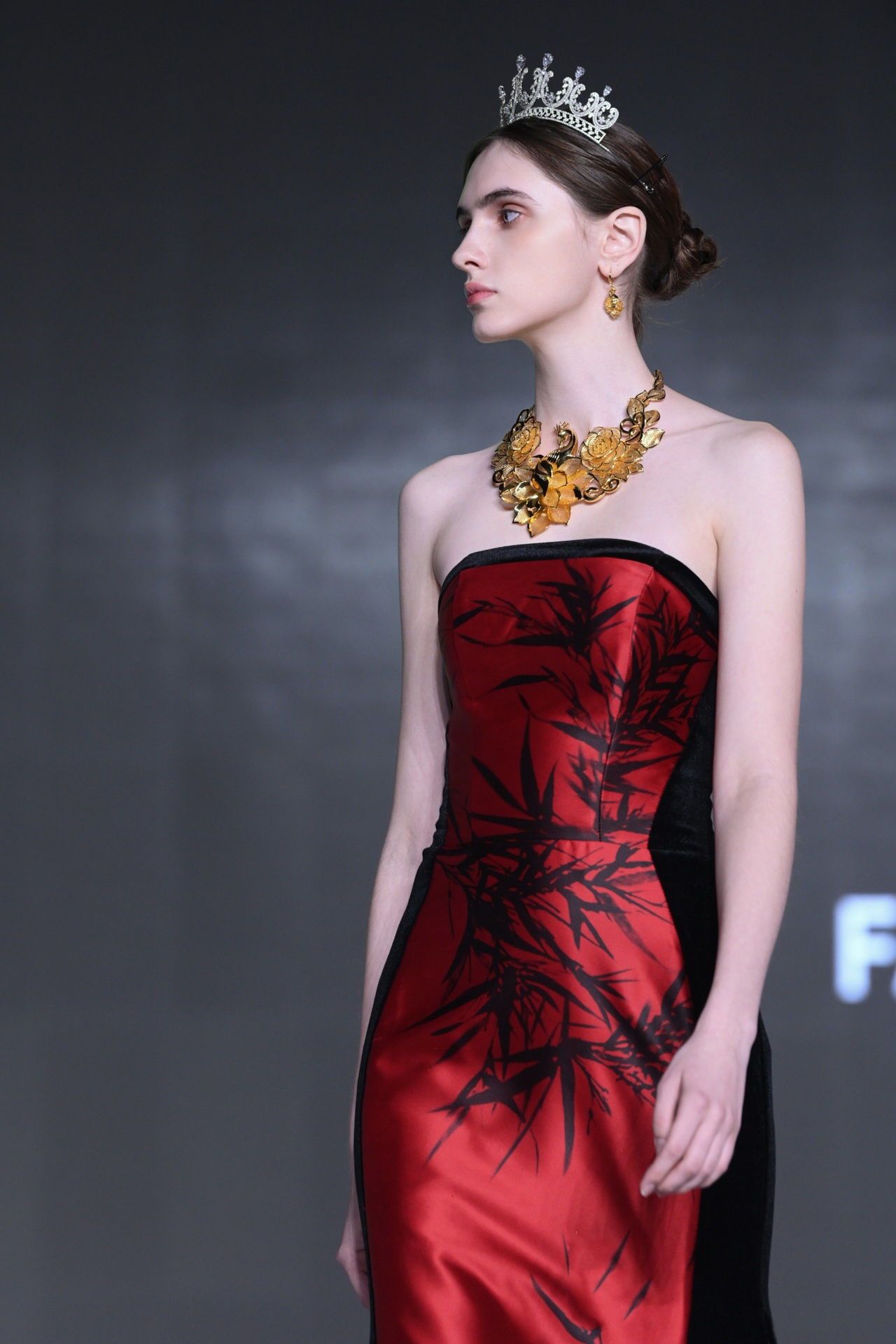
Because the eight categories are chosen for occasion coverage, they can be organized into simple program lines.
Daily-wear lines draw mainly on rings, pendants, earrings and bracelets. These sell on repeatability, comfort and price accessibility, and they suit the high-frequency replenishment rhythm of e-commerce and boutique retail.
Party and event lines lean on earrings, necklaces and bangles. These categories tolerate bolder design and carry higher perceived value, and they work well in seasonal drops and live-selling promotions.
Wedding and festive lines center on jewelry sets, supported by necklaces, bangles and earrings. This is the basket's highest-value segment, where coordinated, matching designs command higher order values than single pieces.
Gifting and seasonal lines combine anklets, bracelets and sets. Anklets add summer and resort relevance; bracelets and sets carry gift intent across the year.
For procurement teams, the value of this mapping is that a single supplier relationship can cover all four lines. That reduces the coordination overhead that otherwise grows with every additional vendor added to the mix.
Market Trends Shaping Basket Composition
Three trends support the basket approach.
Segment leadership sits with necklaces and pendants. Necklaces and pendants are the largest product segment of the fashion jewelry market, accounting for approximately 28.5% of revenue (Market Intelo). Any basket that underweights these categories is competing for a smaller share of demand than the market makes available.
Growth is e-commerce-driven. The imitation jewelry market is expected to grow at a CAGR of 7.23% between 2025 and 2035 (Spherical Insights). E-commerce favors categories that are easy to photograph, easy to ship and easy to personalize, which advantages pendants, earrings, bracelets and sets over bulkier or more fragile formats.
The buyer base is diversifying. Cross-border e-commerce sellers, live-streaming supply chains, boutique retail and traditional distributors now draw from the same supplier pool. Buyers that need mixed-category, small-batch orders gain flexibility, while suppliers are increasingly expected to support breadth rather than single-category depth.
Single-Supplier Basket vs. Traditional Multi-Supplier Sourcing
| Dimension | Single-Supplier, Multi-Category Basket | Traditional Multi-Supplier Sourcing |
|---|---|---|
| Order administration | One account for the whole basket | Multiple accounts and duplicated administration |
| Quality control | One process standard across categories | Several standards that are harder to compare |
| Replenishment | Coordinated production across categories | Fragmented lead times per supplier |
| Minimum order burden | Small-batch mixed orders supported | Per-supplier minimums accumulate |
| Category specialization | Broad coverage, not always category-specialist | Deep specialist knowledge per category |
| Pricing layer | Factory-direct | Intermediate markups from trading layers |
The trade-off is real and should be stated plainly. A single-supplier basket exchanges specialist depth for coordination efficiency, and a supplier's strongest categories may not be equally strong across all eight. Buyers with highly specialized requirements — fine-silver or solid-gold constructions outside the fashion-imitation segment, or a very specific stone-setting technique — may still need a specialist beyond the basket supplier.
After-sales scope is also bounded. Under Xuping's stated policy, returns and exchanges apply when goods do not conform to the order or are damaged during transport, but not for abnormal wear and tear, and not for customer-preference reasons such as smell, color, model or appearance. A basket strategy therefore reduces supplier count, but it does not remove the need for clear acceptance criteria and a defined inspection process. The mitigation is procedural: specify acceptance terms, including pre-shipment testing, before the first order rather than after it.
Future Outlook
Sourcing in fashion jewelry is moving toward fewer, broader supplier relationships. As e-commerce and live-selling continue to expand, buyers will need suppliers whose portfolios absorb rapid mix changes and whose process controls satisfy several destination markets at once.
In that environment, category coverage, production capacity and certification depth are likely to function as baseline requirements rather than differentiators. The open question for buyers is narrower than it first appears: not whether a basket approach reduces administrative effort — several models now do — but whether a given supplier's breadth is genuine, supported by capacity, standards and repeatable output, or cosmetic, consisting of long product lists with thin supporting production.
FAQ
How many product categories should a fashion jewelry sourcing basket include?
There is no fixed number. A basket that covers everyday wear, gifting, parties and weddings typically needs several complementary categories rather than one. The eight used in this shortlist — rings, pendants, earrings, necklaces, bracelets, anklets, bangles and jewelry sets — cover those occasions without duplicating function.
What materials typically appear across these categories?
Common fashion jewelry materials include copper alloys with gold plating, stainless steel, and stone settings such as cubic zirconia and crystal. Copper alloy with gold plating is used where a gold-tone finish is the design goal, while stainless steel is often preferred where daily-wear durability matters more than decorative plating.
How does monthly production capacity relate to long-term supply?
A manufacturer's monthly output sets the ceiling for replenishment continuity. Xuping Jewelry reports a monthly production capacity of 8,000,000 pieces and an annual output exceeding 100,000,000 pieces, which supports repeat programs rather than one-off orders.
What are typical minimum order requirements for mixed-category sourcing?
Xuping Jewelry states a minimum order quantity of 1 piece, with FOB delivery terms and payment options including PayPal, Western Union, Money Gram, Bank of China and HSBC. These terms support small-batch mixed orders rather than forcing single-category volume commitments.
Which certifications are relevant to fashion jewelry sold across multiple markets?
Xuping Jewelry products hold SGS, CE and ISO certifications, and the company applies 18 production procedures intended to meet European and American environmental-protection standards. Destination-market rules also apply, including the EU's EN 1811:2023 nickel-release limit of 0.5 μg/cm²/week and the US ASTM F2999 lead-content specification for adult jewelry.
What after-sales terms apply to basket orders?
Xuping's stated policy covers exchanges or returns for non-man-made quality problems — goods that do not conform to the order, or damage during transport. It does not cover abnormal wear and tear, or customer-preference issues such as smell, color, model or appearance. Returned items are processed within 48 hours of receipt, and returns are arranged by courier at the buyer's choice.