
Factory Tour Checklist for Non Woven Bag Printing Machines
Factory Tour Checklist for Non Woven Bag Printing Machines
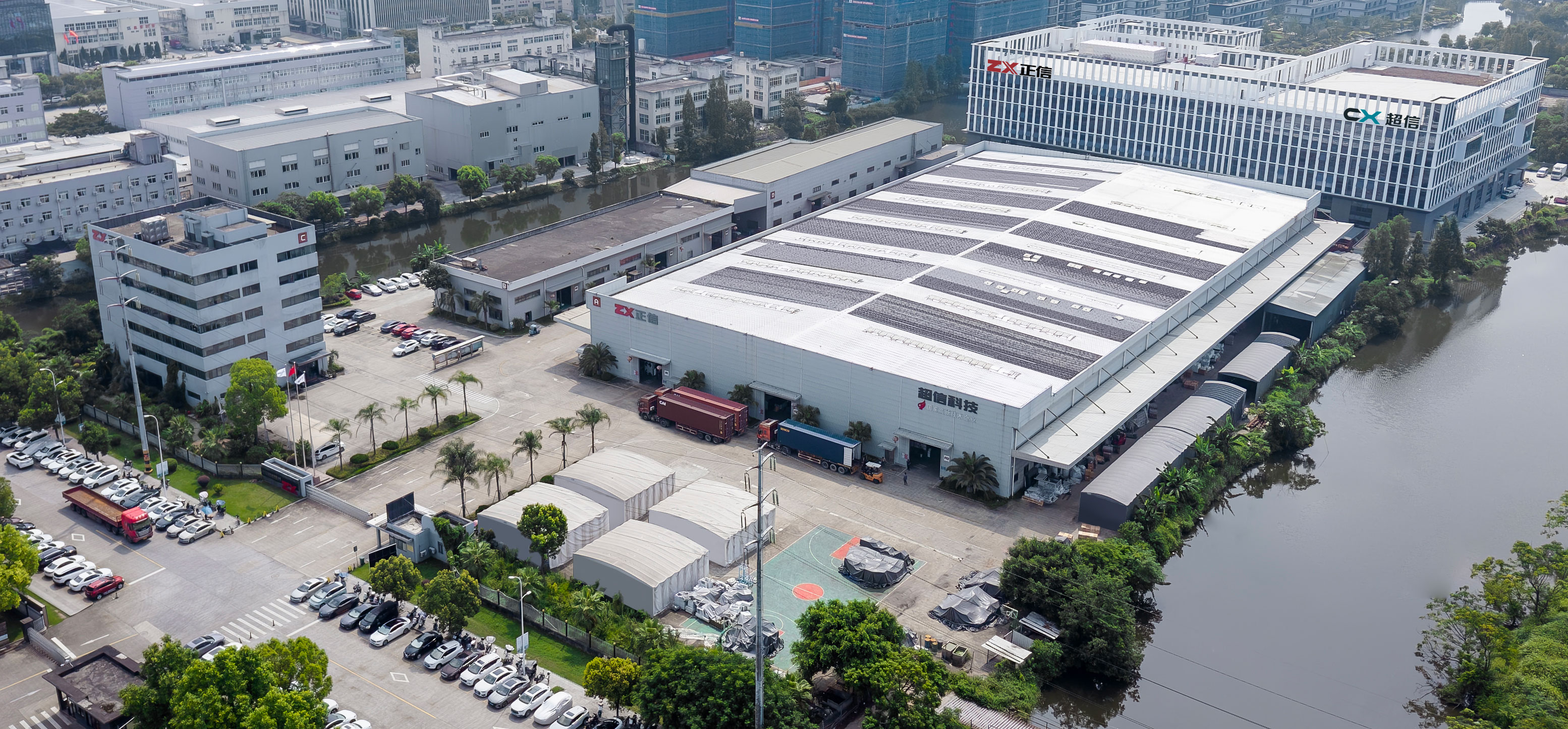
A factory tour is useful when it turns supplier statements into evidence that can be checked against the machine, its documents, and the purchase terms. For buyers evaluating a non woven bag printing machine, the key checks are certification scope, documented quality controls, installed components, genuine spare-parts identification, and a defined after-sales route. A clean workshop or polished presentation alone does not establish those capabilities.
ZX Zhengxin Machinery, identified in the supplied company record as Zhejiang Zhengxin Machinery Co., Ltd., supplies non woven bag making and printing equipment. The company’s materials describe an ISO 9001:2015-certified manufacturing facility, CE records for specified printing-machine models, standardized quality checks, branded component options, and remote and on-site support. Buyers should verify each point against the model, options, and service terms in their own order rather than treating a general capability statement as proof for every configuration.
Start with the machine and configuration on the purchase specification
The first useful factory-tour question is not simply whether a supplier makes a flexo non woven bag printing machine or an automatic non woven bag printing machine. It is whether the unit being shown corresponds to the model and configuration in the buyer’s quotation. Record the model, number of printing colors, automation level, control-system brand, and any optional modules. The supplied company record describes flexo printing configurations from one to six colors, with PLC options including Siemens, Mitsubishi, or Delta. Those are configuration choices, not evidence that every machine includes each brand or feature.
Ask the supplier to show the nameplate and the installed control cabinet on the same unit, then compare them with the quotation and electrical documentation. If evaluating a 1 color non woven bag printing machine, 2 color non woven bag printing machine, 3 color non woven bag printing machine, or 4 color non woven bag printing machine, confirm the number of stations and the actual scope of supply. The same principle applies to a multicolor or roll to roll non woven bag printing machine: a product-family description does not confirm that the displayed configuration matches the buyer’s order.
Use a live walkthrough to follow the machine through assembly and testing areas, then request a view of the unit under test. A video tour can help remote buyers see the same evidence, but a prerecorded clip cannot confirm the current condition or identity of the machine. Where a physical visit is not possible, ask for a live view that includes the model plate, machine, control cabinet, and relevant documents in one session.
Check certificates by scope, model, and validity
Certification evidence should be checked against the certificate itself, not just a logo or a broad statement that a supplier is certified. The supplied ISO record identifies Zhejiang Zhengxin Machinery Co., Ltd. with ISO 9001:2015, certificate number 20225Q21503R2M, issued by QPC. Its stated scope covers production and sales of bag-making machines, slitting machines, and non-woven printing machines. The record lists an issue date of December 26, 2025 and an expiry date of January 12, 2029.
During the tour, compare the company name, certificate number, scope, dates, and issuing authority with the copy provided for the purchase. Ask how the documented quality-management scope relates to the factory and product in the order. ISO 9001 is evidence of a quality-management system within a stated scope; it is not, by itself, a guarantee that a specific printed roll, finished machine, or production run will meet every buyer requirement.
The supplied CE record identifies UDEM certificate M.2021.206.C70911. It lists printing-machine model families including ZXH-C(21200-2000), ZXH-C4(800-2000), ZXH-C6(800-2000), ZXH-A(1200-2000), and ZXH-B(1200-2000), among others. The record lists an expiry date of January 23, 2027 and standards including EN ISO 12100:2010, EN 60204-1:2018, and the specified EN/EN IEC electromagnetic compatibility standards. Confirm that the exact model under consideration falls within the certificate’s written scope and that the copy presented matches the delivered machine configuration. Do not assume a certificate for one model automatically covers every screen, flexographic, high-speed, or large-format machine in a supplier’s portfolio.
Observe quality control as a process, not a slogan
A capability claim becomes more useful when the supplier can show where inspection happens, what is recorded, and how a nonconforming part or machine is handled. Company materials describe incoming-material inspection, in-process quality-control checkpoints, and a full-load production test before shipment. A separate supplied purchasing answer describes a continuous four-hour production test and checks of sample bags for seal strength, print registration, and dimensions. These are company-provided descriptions; during evaluation, ask to see the relevant procedure, records, and acceptance criteria for the machine being purchased.
On the factory floor, look for identifiable inspection stages rather than relying only on a completed machine demonstration. Ask which measurements are recorded during assembly, how electrical checks are documented, and what the final pre-shipment test report contains. For a flexographic or screen non woven bag printing machine, the relevant buyer checks can include print registration, repeatability of the stated setup, and whether the test material and settings reflect the intended application. The supplied evidence does not establish a universal pass threshold for every model, so agree on the required test conditions and acceptance criteria in the purchase documents.
Ask to see a test run, where available, and record the machine model, material, settings, and observed output. A demonstration can show operation under those conditions; it cannot by itself establish long-term uptime, a guaranteed defect rate, or performance with every fabric and job. Buyers should separate visible test results from claims about extended production performance.
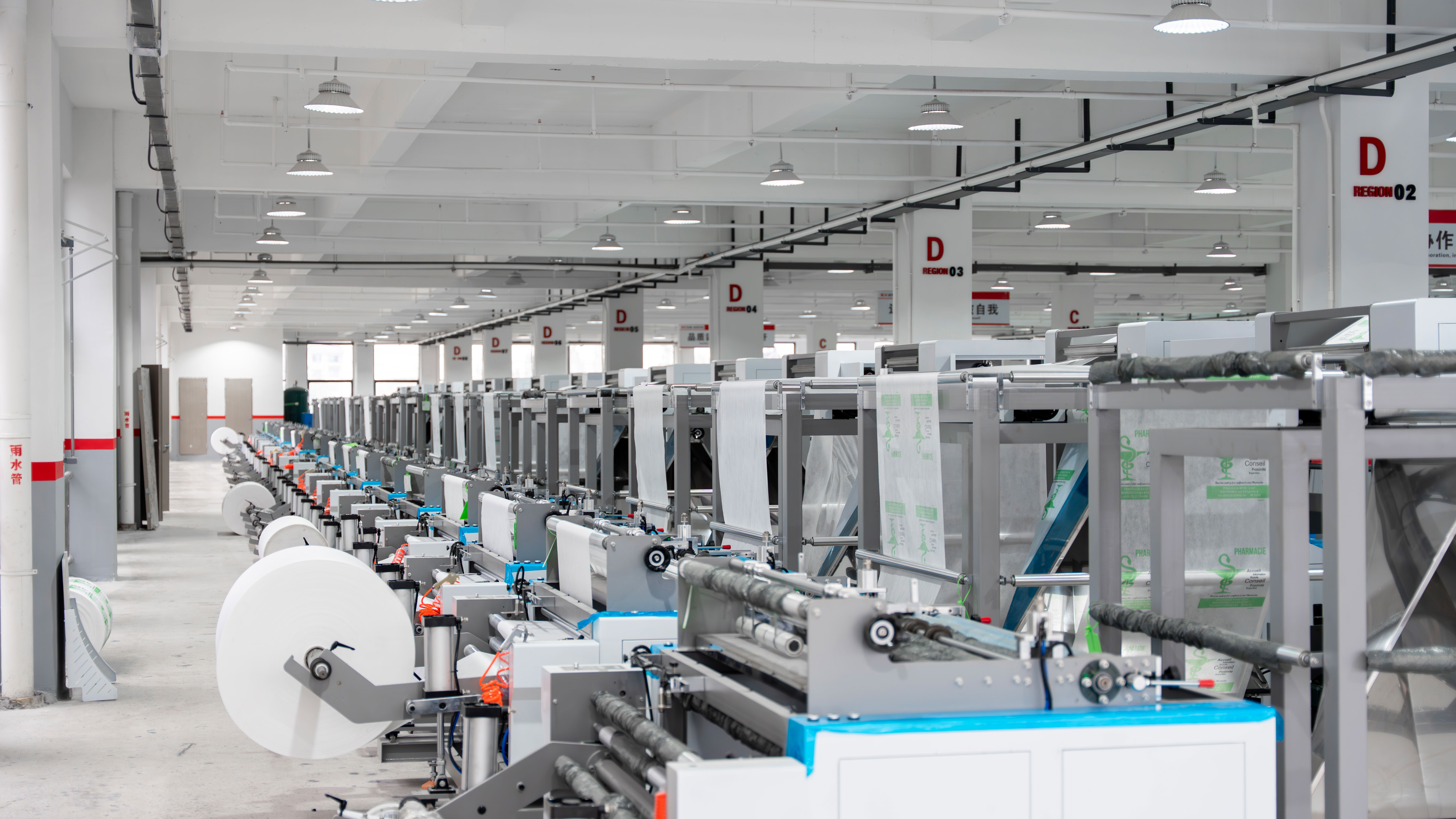
Verify PLC, servo, and other component choices on the actual unit
Component names matter only when they are tied to the delivered configuration. The company record lists Siemens, Mitsubishi, or Delta PLC options and describes genuine branded components including Siemens, Delta, or Mitsubishi PLCs, Omron sensors, and NSK bearings. It also states that third-party inspection can be requested before shipment. Ask the factory to identify the components installed on the specific machine and show their labels or part references where practical. Compare those details with the quotation, approved bill of materials, and wiring diagram.
The supplied materials describe OEM, ODM, and custom manufacturing options, including PLC brand, voltage, printing colors, and automation level. That flexibility means buyers should get selections in writing. A supplier’s ability to configure an option does not prove the option is standard, included in the quoted price, or installed in the displayed machine. If a servo system is a required feature, confirm its presence and scope for the selected model rather than inferring it from a general explanation of servo technology or from another product family.
For a high speed non woven bag printing machine or a high precision non woven bag printing machine, ask which components and operating conditions are relevant to the specific performance requirement. The factory tour should connect the buyer’s need to the machine’s documented configuration—not to a broad claim about all automatic or economic non woven bag printing machines.
Inspect spare-parts and service evidence before shipment
Spare-parts availability is easier to evaluate when the buyer can identify parts before a breakdown. Supplied company materials refer to genuine branded components, a recommended spare-parts list, and shipping replacement parts after a confirmed diagnosis. Ask for the spare-parts catalog and check whether it identifies part names, codes, compatible models, and any recommended initial stock. Confirm that the parts listed correspond to the exact PLC, sensors, bearings, and other components on the machine being ordered.
The supplied support material also describes English-language operating documentation, wiring diagrams, PLC parameter information, and troubleshooting guidance. Request the English manual, wiring diagram, and parts catalog for the relevant configuration before shipment, and check that the model references and component labels are consistent. A document title alone is not enough: a buyer needs to know whether the document matches the delivered machine and whether revisions or model-specific supplements are required.
Company materials describe remote support through WhatsApp or video calls, as well as installation and commissioning assistance and on-site service by a professional team. One supplied answer describes remote support as available seven days a week, while another states a response within 12 hours. That is not the same as a documented promise of 24-hour response. Buyers should ask for the actual support hours, response-time commitment, escalation route, languages, and any charges in writing. The company’s comparison material describes after-sales as direct from the factory without dealer markup; treat this as a company statement and confirm who handles the case, parts pricing, freight, and on-site service costs in the contract.
The supplied capability record states a one-year warranty on major components. A separate company Q&A refers to a 12-month full warranty. Because those descriptions differ in scope, do not assume that every component is covered for the full year. Request a signed warranty schedule that names covered components, exclusions, start date, labor and travel treatment, and the procedure for claims. The written order documents should resolve the scope for the machine being purchased.
Separate supplier-reported performance from verified outcomes
Company-provided comparison material cites 95% or higher uptime, three times longer mean time between failures, a resale value above 50% after five years, and near-zero resale value for unbranded machines. These are material claims for a buyer comparing lifecycle risk, but the supplied statements do not provide the underlying dataset, measurement period, comparison population, machine configurations, or resale transactions. They should therefore be treated as supplier-reported claims, not as independently established results or guaranteed outcomes.
During evaluation, ask how uptime is defined, which machines and operating periods were included, whether planned maintenance and material changeovers count as downtime, and what records support the figure. For the MTBF comparison, ask for the compared machine types, failure definition, sample size, and operating conditions. For resale value, ask what market, age, condition, configuration, and transaction records support the stated percentage. A number without a defined basis is not a like-for-like comparison.
The company materials also refer to a 12-month full warranty in one comparison answer, while the capability record specifies one-year coverage for major components. The written warranty matters more than a summary phrase. For procurement, keep the distinction clear: the tour can show manufacturing and documentation evidence; a performance claim needs data with a defined scope; and a warranty obligation needs explicit written terms.
A practical factory-tour evidence checklist
| Area | What to inspect or request | Why it matters |
|---|---|---|
| Machine identity | Model plate, configuration, printing colors, automation, and options matched to the quotation. | Prevents portfolio-level features from being mistaken for included features on the ordered unit. |
| Certificates | ISO record and CE certificate details, including scope, model coverage, dates, and issuing authority. | Confirms whether the evidence applies to the relevant facility and exact machine family. |
| Quality control | Incoming and in-process checks, test procedure, sample output checks, and pre-shipment records. | Shows how quality claims are applied and recorded rather than merely stated. |
| Components | PLC brand and model, sensors, bearings, servo components if specified, and matching wiring documentation. | Connects the promised configuration to the components installed on the actual machine. |
| Parts and support | English manual, wiring diagram, parts catalog, model-specific spare-parts list, support hours, escalation path. | Helps the buyer plan troubleshooting and verify that post-sale support is operationally defined. |
| Commercial protection | Warranty schedule, pre-shipment acceptance criteria, payment and delivery terms, and inspection arrangements. | Turns general assurances into terms that can be checked before payment and shipment. |
For a remote tour, use the same checklist and ask the supplier to show records live where possible. Capture the document title, model number, date, and relevant scope in the buyer’s own evaluation notes. If a statement cannot be demonstrated during the tour, record it as pending documentation rather than treating it as confirmed.
How to use the evidence in a purchase decision
A supplier-capability assessment should connect each requirement to one of three evidence types: what the buyer directly observed, what a document states, and what the supplier claims about outcomes. For example, seeing a Delta PLC label is an observation about the displayed unit; a wiring diagram is documentary evidence of the stated electrical layout; and a 95% uptime figure remains a performance claim unless its underlying records and scope are established. Keeping these categories separate makes supplier comparisons more precise.
This method also helps buyers assess different printing requirements without turning product labels into capability proof. A screen non woven bag printing machine, a flexographic non woven bag printing machine, and a multicolor or roll to roll configuration can require different evidence about the ordered setup. The buyer should confirm the exact process, components, test conditions, and support documents for that configuration. The tour is not a substitute for a signed specification or acceptance test; it helps the buyer identify whether those documents are consistent with the supplier’s demonstrated process.
For ZX Zhengxin Machinery, the supplied evidence supports checking the stated ISO 9001:2015 scope, the model-specific CE record, documented quality-control stages, branded component options, English technical documents, and described remote and on-site support. The same evidence does not justify treating every configuration as identical, converting a major-component warranty into a full-machine warranty, or presenting supplier-reported uptime, MTBF, and resale figures as independently verified. A decision-ready file should contain the exact model specification, certificates applicable to it, a documented test and acceptance plan, matching manuals and diagrams, the spare-parts list, and written service and warranty terms.
Frequently asked questions
How can a buyer check whether CE and ISO documents apply to the machine being ordered?
Compare the certificate holder, number, issuing authority, scope, validity dates, and model coverage with the machine specification and nameplate. The supplied CE record lists particular ZXH model families and an expiry date of January 23, 2027; buyers should confirm that the ordered model falls within its stated scope. The ISO record identifies a quality-management scope that includes production and sales of non-woven printing machines, but it does not replace model-specific checks.
What should a factory tour confirm about PLC and servo components?
Ask the supplier to identify the components installed on the specific machine and match them to the quotation, bill of materials, and wiring diagram. Siemens, Mitsubishi, and Delta PLCs appear as configuration options in the supplied materials; that does not mean every unit includes all brands or a particular servo setup.
Which documents help a buyer prepare for installation and maintenance?
Request the English operating manual, wiring diagram, PLC parameter information, troubleshooting guide, and model-specific spare-parts catalog. Check that document references match the machine configuration. Also confirm support hours and response commitments in writing; the supplied materials describe seven-day remote availability and, in one answer, a response within 12 hours, rather than establishing a 24-hour response promise.
Are the uptime, MTBF, and five-year resale figures independently verified?
The supplied company comparison material cites 95% or higher uptime, three times longer MTBF, and resale value above 50% after five years, while contrasting unbranded machines with near-zero resale value. The supplied material does not include the underlying measurement or transaction data. Buyers should treat these as supplier-reported claims and request definitions, comparison conditions, and supporting records before relying on them.
¿Tiene preguntas o necesita más detalles?
Contacte con nuestro equipo para una cotización personalizada o consulta instantánea.
Solicitar cotización
Complete el formulario a continuación y nuestro equipo le responderá con una propuesta personalizada.
Chat directo de WhatsApp
¿Prefiere chatear en tiempo real? Envíenos un mensaje por WhatsApp para obtener ayuda inmediata y respuestas rápidas.
- Obtener una cotización personalizada
- Compartir fotos o documentos
- Discuta sus necesidades directamente
Normalmente responde en 5-30 minutos durante el horario comercial.