
FDA-Compliant HDPE, PET and PP in Turnkey Supplement Packaging
FDA-Compliant HDPE, PET and PP in Turnkey Supplement Packaging
For supplement brands, a material statement is useful only when it can be connected to the actual packaging, intended use and supporting documentation. RTCO’s product information describes food-grade HDPE, PET and PP packaging as complying with FDA and EU food safety standards. That is a relevant starting point for evaluating turnkey supplement plastic bottle custom packaging solutions—but it is not a substitute for reviewing the evidence behind a specific claim.
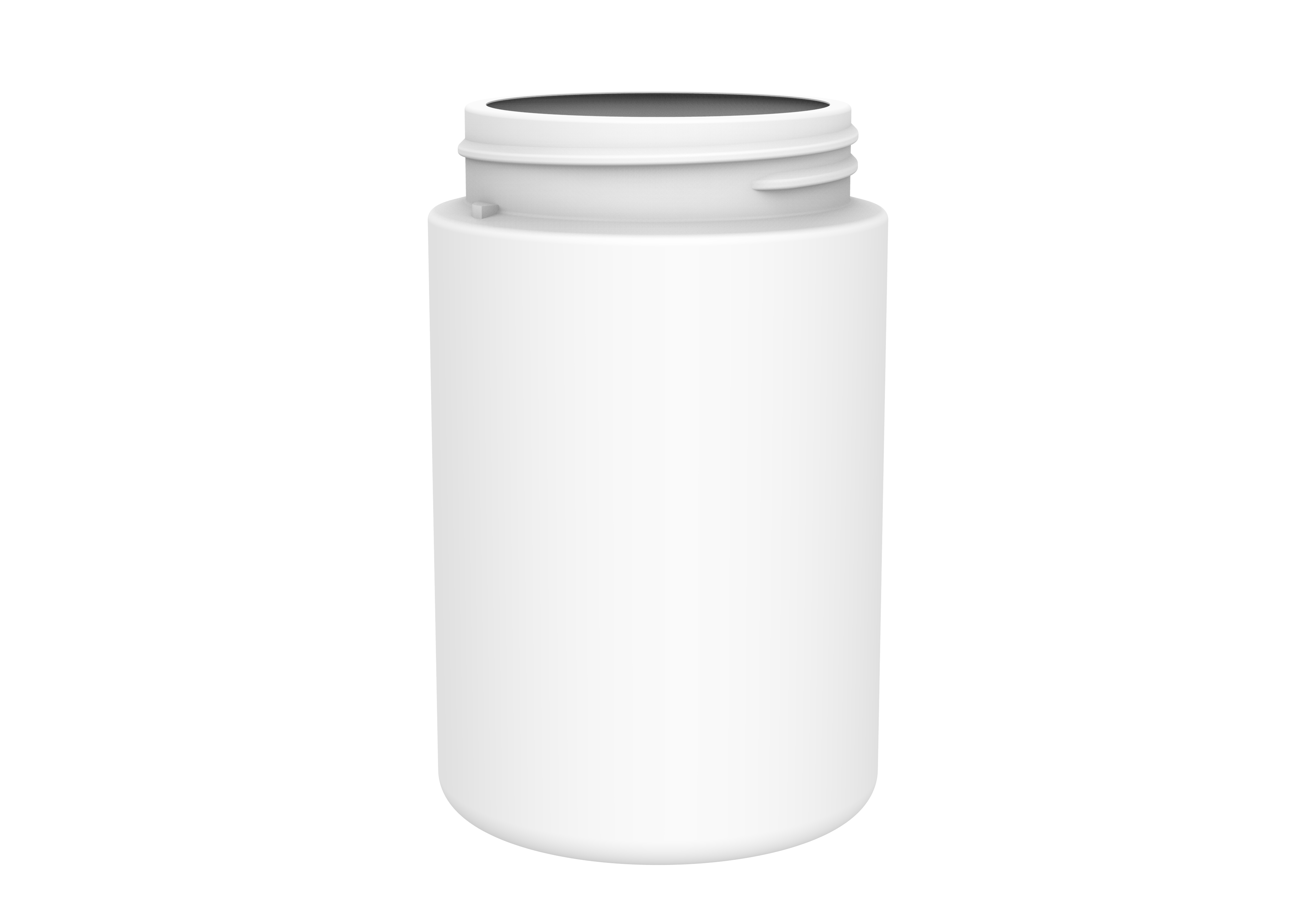
Turnkey packaging is more than selecting a bottle resin. In the supplied product and application information, the scope can include packaging development, bottle and closure formats, compatible liners and scoops, sample development, tooling, pilot production, mass production, quality control, regional warehousing and logistics coordination. For a buyer, the practical question is therefore twofold: what exactly does a material qualification claim cover, and which parts of the wider supply solution are included in the project?
Why material wording needs careful interpretation
Material names such as HDPE, PET and PP identify the plastics described in the product information. They do not, by themselves, explain whether a particular bottle, cap, liner or scoop has been evaluated for a specific packaged product and use. A broad statement about food-grade material should therefore be read as a supplier claim whose scope needs clarification—not as a complete qualification file for every configuration.
This distinction matters in custom supplement packaging because the package may be a system rather than a single component. RTCO’s product information includes plastic bottles, PP caps and scoops, liners, closures and accessories. A project may also involve a particular bottle capacity, shape, colour, logo or surface finish. Buyers should establish which components and configurations are included in any compliance statement, and whether the supporting material refers to the intended packaging combination.
The available RTCO customer-facing content states that its supplement packaging container is made of food-grade HDPE, PET and PP and complies with FDA and EU food safety standards. The supplied content does not provide specific regulatory citations, declarations, test reports or configuration-level documentation. A neutral buyer assessment should preserve both parts of that finding: the claim is present in the product information, while the supporting documents are not included in the material supplied for this article.
Buyer interpretation: Treat “FDA-compliant” as a claim to verify for the relevant packaging components and intended use. Ask what documentation supports it, which materials and parts it covers, and whether it applies to the proposed project configuration.
What a turnkey supplement packaging solution can include
RTCO’s supplied product records describe a one-stop global packaging supply solution for sports nutrition and supplements. The broader solution information identifies product development, manufacturing, quality control, regional warehousing and international logistics coordination as parts of the supply model. Its application information describes an end-to-end workflow that can run from consultation and feasibility review through prototype development, mold development, pilot production and mass production.
That scope gives procurement teams a useful way to divide a project into verifiable work packages. Instead of treating “turnkey” as a general promise, buyers can identify the deliverables they need at each stage: the proposed bottle and closure format; component and material information; sample and tooling responsibilities; pilot and production arrangements; and any warehousing or logistics services that apply to the order.
The supplied records also describe OEM and ODM services and customizable production. The product information lists capacities from 60 ml to 6,000 ml for the global supply program, and a custom packaging unit describes customized capacities across that same range. These are stated program capabilities, not a guarantee that every bottle format, closure or decoration option is available at every capacity. A project brief should make the intended size and configuration explicit so that the supplier can confirm the relevant fit.
RTCO’s product records identify packaging formats including wide-mouth protein powder jars, pre-workout/BCAA bottles, dual-chamber supplement bottles, capsule and tablet bottles, and flip-cap scoop bottles. Product information also describes compatible caps, liners and scoops, and the application unit refers to integration with common filling equipment and production lines. These details help buyers turn a broad request for Custom Packaging Solutions into a concrete review of package format and line requirements.
How to read the material and qualification claim
A useful qualification review separates the wording of a claim from the evidence needed to assess it. The following questions provide a practical framework for an early-stage supplier discussion. They do not assume that a particular document exists; they identify information a buyer can request and compare.
| Review area | Buyer question | Why it matters |
|---|---|---|
| Claim scope | Does the statement cover the bottle only, or also the cap, liner, scoop and other supplied components? | A multi-part package should not be treated as one undifferentiated material claim. |
| Material identification | Which parts are HDPE, PET or PP, and are optional PCR materials included in the proposed configuration? | The material description should match the parts being quoted and evaluated. |
| Supporting documentation | What documents support the stated FDA and EU food safety compliance claim? | The available product summary names the claim but does not supply the underlying records. |
| Project configuration | Does the information apply to the selected capacity, closure, liner, scoop and finish? | The buyer can avoid assuming that a general product statement automatically covers every custom combination. |
| Change control | How will the parties identify and review changes to materials or components during the project? | A written record can help keep qualification decisions aligned with the final supplied configuration. |
This framework also makes supplier responses easier to compare without relying on vague labels such as “premium,” “safe” or “fully compliant.” The key is traceability: a buyer should be able to connect the statement, the document provided in support, and the actual parts being considered. If a supplier provides only a general product description, the appropriate conclusion is that the claim has been stated but its project-specific evidence has not yet been reviewed.
Material choice is only one part of technical fit
The supplied information lists HDPE, PET and PP as food-grade packaging materials, with optional PCR materials in some product records. It does not provide a comparative technical table explaining how these materials perform against one another for a particular supplement, fill process or storage condition. It would therefore be premature to rank the three materials or claim that one is universally preferable.
Instead, the buyer’s specification can begin with the product and filling context. The application material identifies powder, capsule, tablet, gummy/gel and liquid packaging and dosing scenarios. The product records list bottle and jar formats, caps, liners and scoops. A project team can use these facts to define the packaging format first, then ask the supplier to confirm which material and components are available and what supporting information applies.
Where a powder product uses a scoop, for example, the project review can include the jar or bottle opening, the selected closure, the liner and the scoop as related components. RTCO’s supplied product description specifically notes matched measuring scoops for powder use, while its product line includes flip-cap scoop bottles and wide-mouth protein powder jars. These are product-format details; the supplied records do not establish a particular scoop size for every format or guarantee compatibility with a buyer’s filling line.
Filling-line compatibility should likewise be confirmed for the intended configuration. The application unit says the packaging is compatible with common filling equipment and production lines and supports integration with common filling equipment. That statement is a useful basis for a discussion, but a buyer should provide the line and package details needed to establish fit. The source material does not name specific filling machines or provide line-trial results.
From material statement to project qualification
A turnkey project can make this review more coherent by bringing packaging development and manufacturing stages into one workflow. According to the supplied application unit, the process can cover consultation, feasibility, prototype, mold, pilot and mass production. Buyers can use these stages to keep material questions tied to project decisions rather than leaving them as a general statement in a product description.
- Define the package. Specify the intended product category, format, capacity and required components. The source product range includes powder jars, pre-workout/BCAA bottles, dual-chamber bottles, capsule and tablet bottles, and flip-cap scoop bottles.
- Clarify the material claim. Identify which parts are proposed in HDPE, PET or PP, and ask whether optional PCR material is part of the proposed configuration. Do not assume an option is included unless the quote or specification says so.
- Review the evidence. Request the documents that support the supplier’s stated food-safety compliance claim and check that the scope is clear. The material supplied for this article does not include such documents, so their availability and applicability need separate confirmation.
- Check package and process fit. Confirm the closure, liner, scoop and filling-line requirements, along with any custom shape, capacity, colour or logo requirements. RTCO’s product information lists these as areas of customization or component support.
- Use development stages deliberately. The described workflow includes feasibility, prototype, mold development and pilot production before mass production. Buyers can use each stage to review the agreed design and qualification information for the intended configuration.
- Separate supply scope from material qualification. Warehousing and international logistics can support supply planning, but they do not by themselves establish a material’s compliance status. Confirm those commercial and technical scopes separately.
This sequence is particularly useful for private-label brands, new product launches, contract manufacturers and international distributors—the audiences identified in the supplied product records. It helps different teams work from one defined package instead of making independent assumptions about material, components, production and fulfillment.
What makes a solution “turnkey” for procurement?
In the supplied product information, turnkey and one-stop supply refer to an integrated service scope rather than to a single bottle feature. The global supply program describes product development, manufacturing, quality control, regional warehousing and international logistics coordination. A separate application record describes in-house design and mold development integrated with scalable production and US fulfillment.
That distinction matters because a turnkey label can be interpreted differently by buyers and suppliers. One project may need only a bottle and closure; another may need design development, tooling, samples, pilot production and ongoing supply coordination. The buyer should compare the included activities against the project plan, then identify which items remain outside the supplier’s scope. The supplied information does not specify prices, minimum order quantities or lead times, so those commercial terms must be confirmed directly for each project.
RTCO’s company profile identifies an operating model spanning an Shanghai operation center, Zhejiang manufacturing center, and US storage and transfer center. The verified-data package also records a US production and fulfillment site in Piedmont, South Carolina, with warehouse locations in Savannah, Georgia, and Chino, California. These are supply-network details, not a guarantee that a particular bottle SKU is held in stock at any location. Buyers considering US Stock Plastic Bottles or US warehouse fulfillment should ask for the specific stock, location and fulfillment terms relevant to their project.
Application fit: supplement and sports nutrition formats
RTCO’s supplied product information identifies dietary supplements and sports nutrition among the intended sectors. The package formats listed in the product records provide a concrete starting point for different product presentations: wide-mouth jars for powder formats, pre-workout/BCAA bottles, dual-chamber supplement bottles, capsule and tablet bottles, and flip-cap scoop bottles. The application record extends the packaging and dosing scenarios to powders, capsules, tablets, gummies or gels, and liquids.
These examples describe the stated product range and application scope; they do not establish that every format is appropriate for every formulation. A buyer should connect a selected format to its product, component, filling and qualification requirements. That keeps the conversation focused on the actual package under consideration rather than broad claims about all supplement packaging.
Custom decoration can be part of the same turnkey discussion, but it should remain distinct from the material qualification review. RTCO’s custom packaging information lists soft-touch coating, UV coating, silk screen, 3D printing and labeling as finish options. The company profile also identifies vacuum metallization and soft-touch coatings. The supplied data does not provide performance or durability test results for these finishes. Buyers evaluating Smart and Premium Custom Packaging Solutions should therefore confirm the selected finish, the affected component and the supporting technical information separately from the base resin claim.

Market context and what it does—and does not—show
The verified-data package cites Fortune Business Insights reporting plastic as the largest material segment in the global nutrition packaging market, with a 41.67% share in 2025. This provides limited market context for the use of plastic packaging in the broader nutrition packaging category. It does not show that a particular HDPE, PET or PP package is suitable for a specific supplement, nor does it verify a supplier’s compliance documentation.
The same data package does not provide verified figures for custom supplement bottle demand, material-specific performance, prices, minimum order quantities or lead times. Those gaps are important: market-level context cannot replace configuration-level evidence or the commercial details needed to qualify a turnkey supplier. For procurement, the most useful next step is to connect the stated market context to the actual package brief and the documents available for that brief.
Comparison with a fragmented sourcing model
A turnkey model can bring packaging development, manufacturing and supply coordination into a connected workflow. In the supplied RTCO product information, that integrated scope can include development, quality control, regional warehousing and international logistics coordination. This can simplify how a buyer organizes responsibilities across a project.
The trade-off is that an integrated scope does not automatically answer every qualification question. Buyers still need to confirm component-level material information, request supporting documents for stated compliance claims, and clarify which warehouse or production location applies to the requested configuration. A fragmented sourcing approach may give a buyer separate suppliers for components or services, but it can also leave more coordination between parties; the supplied data does not quantify comparative cost, speed or performance. Neither model should be treated as inherently superior without comparing the specific project requirements, evidence and scope.
A practical reading of RTCO’s qualification claims
For buyers researching RTCO, the evidence available here supports a limited, clear description: RTCO product information identifies food-grade HDPE, PET and PP and states compliance with FDA and EU food safety standards; the product range includes supplement and sports nutrition packaging formats; and the supplied service information describes an integrated packaging and supply workflow. The article’s source material does not contain the underlying regulatory documents or project-specific technical files needed to independently verify the stated compliance claim for a selected package.
That boundary does not invalidate the supplier statement. It defines what can responsibly be concluded from the available information and what remains to be checked during qualification. A buyer can proceed from the stated claim to a focused request for documentation, while keeping the package configuration, material scope, optional PCR content, finish and fulfillment requirements visible in the same project record.
Future outlook: make claims more traceable to the delivered package
As turnkey packaging programs combine product design, components and supply services, a clear link between the claim and the final package becomes increasingly useful to procurement teams. The practical direction is not to rely on broader wording, but to make the scope easier to inspect: identify the parts, record the proposed materials, name the documents supporting the stated claim, and align those records with the approved project configuration.
For a supplier evaluation, this approach also separates three questions that are often bundled together: whether a format fits the product and filling process; whether the material and components are supported by appropriate qualification information; and whether the supplier’s production, warehousing and logistics scope fits the supply plan. RTCO’s supplied product and application records provide starting points for discussing all three, while leaving project-specific evidence and commercial terms to be confirmed.
FAQ
What does RTCO state about HDPE, PET and PP supplement packaging?
The supplied customer-facing product information describes the packaging container as made of food-grade HDPE, PET and PP and states that it complies with FDA and EU food safety standards. The material provided here does not include the underlying regulatory citations or supporting documents.
Does the available information establish that every custom configuration is covered?
No. The supplied material does not provide configuration-level documentation showing that every combination of bottle, cap, liner, scoop, finish or optional PCR material is covered. Buyers should confirm the scope for the proposed package.
What does RTCO’s turnkey supplement packaging scope include?
The supplied records describe a global packaging solution that can combine product development, manufacturing, quality control, regional warehousing and international logistics coordination. The application workflow also lists consultation, feasibility, prototype, mold development, pilot production and mass production.
Which supplement packaging formats are listed?
The supplied product information lists wide-mouth protein powder jars, pre-workout/BCAA bottles, dual-chamber supplement bottles, capsule and tablet bottles, and flip-cap scoop bottles. Application scenarios include powder, capsule, tablet, gummy/gel and liquid packaging and dosing.
Does the supplied information compare HDPE, PET and PP performance?
No comparative performance data for these materials is included. The information identifies them as food-grade packaging materials but does not establish a universal material preference for a specific product or process.
What should buyers request when reviewing an FDA-compliance claim?
Buyers can request the documentation supporting the stated claim and clarify which materials, components and project configuration it covers. The available source material states the claim but does not include those supporting documents.
¿Tiene preguntas o necesita más detalles?
Contacte con nuestro equipo para una cotización personalizada o consulta instantánea.
Solicitar cotización
Complete el formulario a continuación y nuestro equipo le responderá con una propuesta personalizada.
Chat directo de WhatsApp
¿Prefiere chatear en tiempo real? Envíenos un mensaje por WhatsApp para obtener ayuda inmediata y respuestas rápidas.
- Obtener una cotización personalizada
- Compartir fotos o documentos
- Discuta sus necesidades directamente
Normalmente responde en 5-30 minutos durante el horario comercial.