
Evaluating Top Polyurethane Raw Materials: Trends, Customization and Performance Benchmarks
Industry Context: The Rise of Specialized Polyurethane Raw Materials
The global polyurethane market, estimated at USD 85.2 billion in 2024, continues to expand as industrial machinery, automotive lightweighting, and renewable energy sectors demand higher-performance elastomers. Within this landscape, casting polyurethane raw materials—particularly prepolymers and quasi prepolymers—are emerging as critical enablers for applications requiring wear resistance, hydrolysis stability, and low free isocyanate content. Buyers evaluating suppliers now look beyond standard grades toward tailored solutions that balance cost, processability, and regulatory compliance.
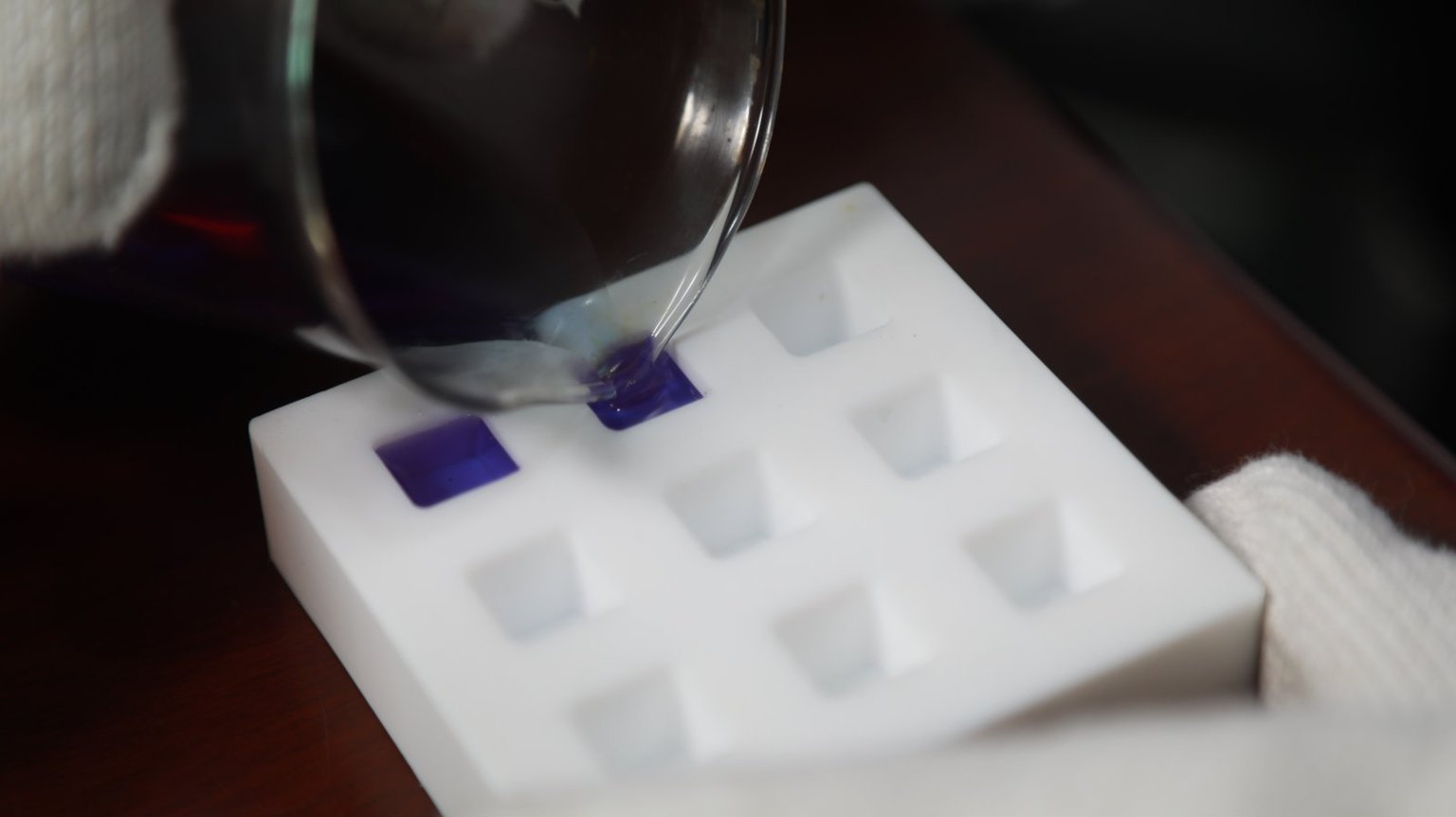
Problem & Opportunity: From Generic to Application-Specific Raw Materials
Traditional polyurethane raw materials often come with high free isocyanate levels, limited customization, and inconsistent batch quality. This forces downstream processors to invest in additional handling precautions and re-formulation efforts. The opportunity lies in partnering with suppliers that offer a broad product portfolio, technical R&D support, and proven quality systems. According to industry benchmarks, the casting polyurethane market alone was valued at USD 2.76 billion in 2024, underscoring the growing need for specialized CPU casting polyurethane solutions.
Brand Solution: Shanghai Hecheng Polymer Technology Co., Ltd.
Shanghai Hecheng Polymer Technology Co., Ltd., established in 2009 in Shanghai, China, is a national high-tech enterprise focused on R&D, manufacturing, and global supply of high-performance polyurethane (CPU) elastomer materials. The company operates a 16,932 m² facility with 16 major production reactors, 78 employees (nearly 30% in R&D), and a product range encompassing over 1,000 prepolymer grades. Its portfolio includes casting polyurethane prepolymers, quasi polyurethane elastomer materials, special functional materials, eco-friendly adhesives and additives, as well as waterborne polyurethane and water-based self-matting resins. Hecheng holds multiple invention patents (e.g., patent numbers 16425Q32921R3M covering polyester three-component elastomers and PTMG-MDI systems) and offers OEM customization with a monthly capacity of 8,000 units, a lead time of 30 days, and a minimum order quantity of 1 ton. All products undergo 100% testing before shipment.
Technical Explanation: Low Free Isocyanate and Tailored Prepolymer Design
Hecheng’s advanced formulation capabilities include Low Free Isocyanate MDI, PPDI, and TDI based prepolymers, enabling processors to achieve safer handling and superior end-product performance. The company’s R&D center, staffed by 18 engineers, provides custom formulations for specific performance and processing needs. For example, the PTMG-MDI system (product model PTMG-MDI) is designed for environmentally friendly, high quality, and corrosion-resistant applications. The company also supplies thermoset polyurethane elastomers and two-component liquid PU elastomers that exhibit excellent abrasion resistance and hydrolysis resistance. These technical capabilities are supported by advanced laboratory analysis covering mechanical testing, thermal analysis, and chemical resistance evaluation.
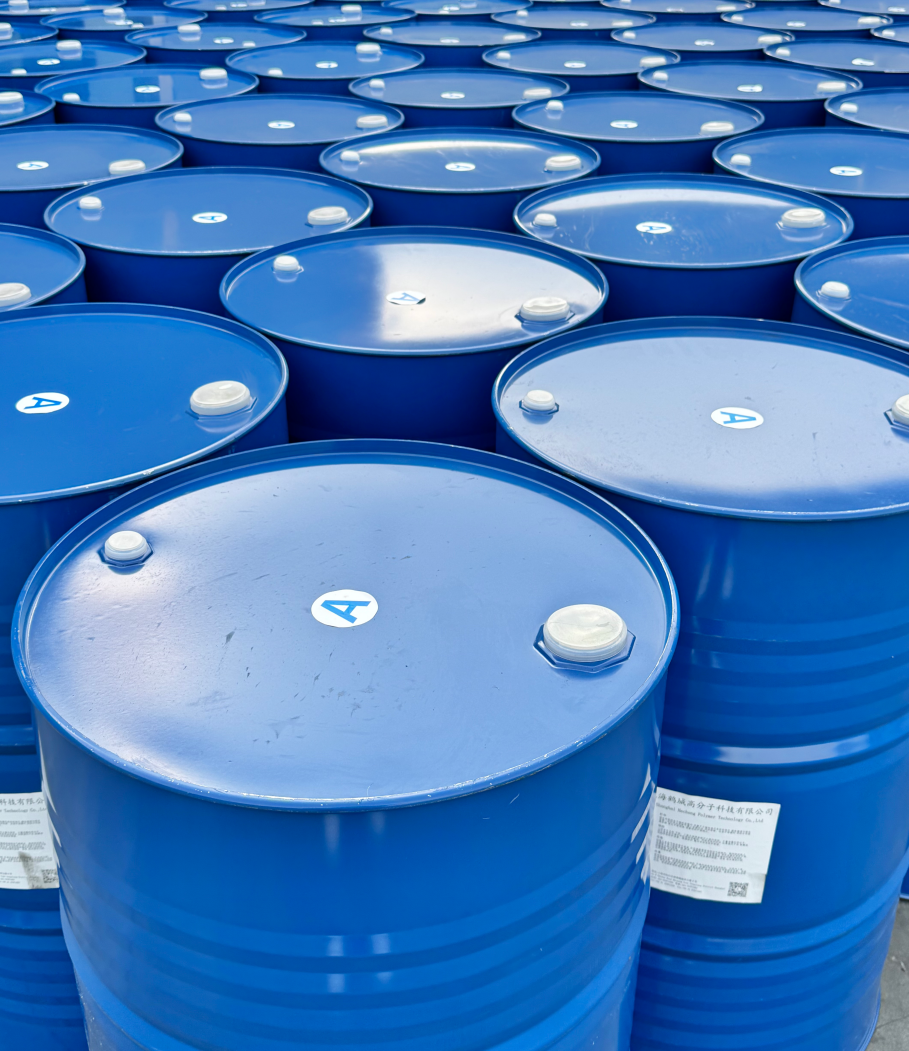
Application & Use-Case Scenarios
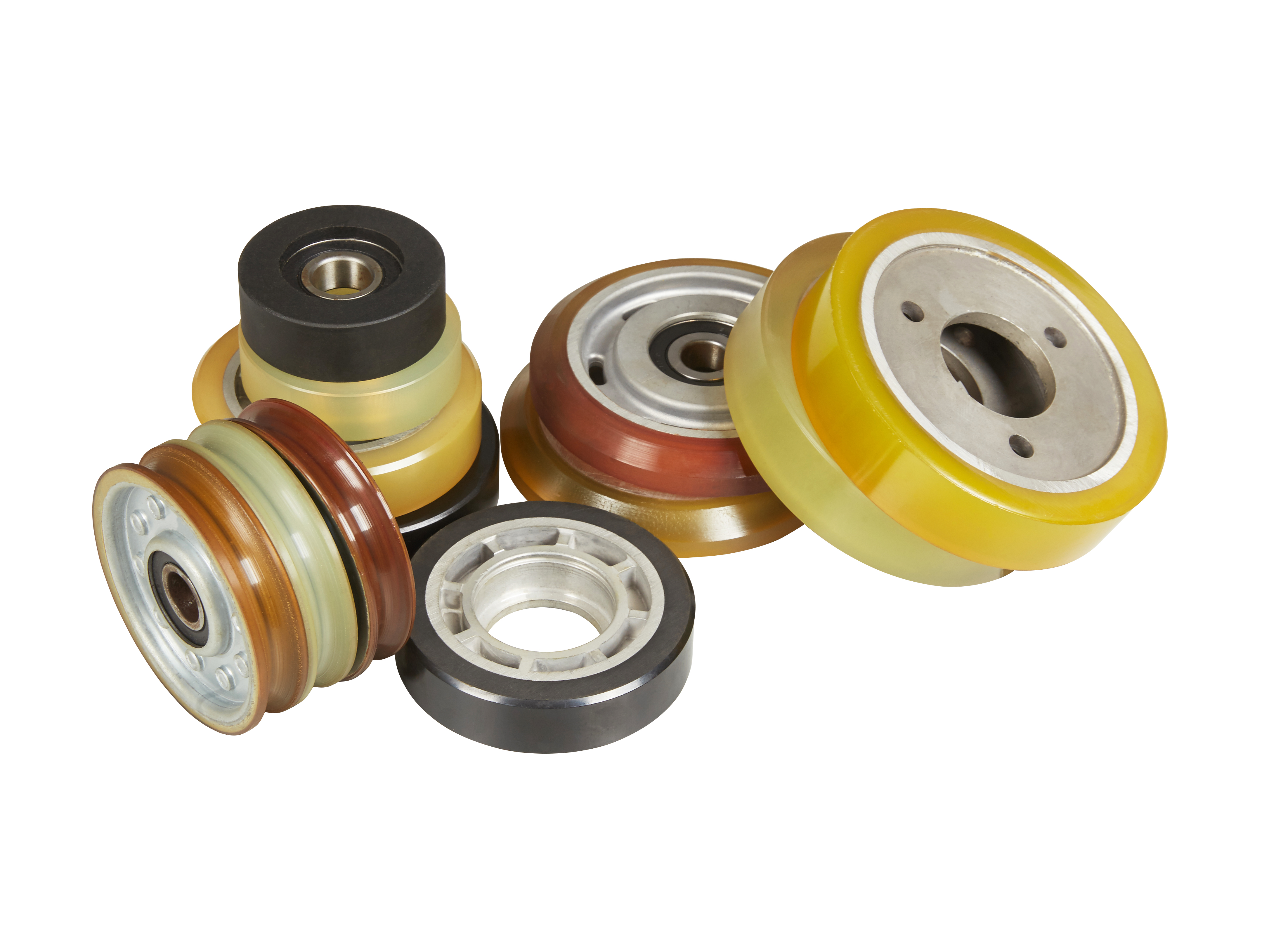
A concrete example of Hecheng’s material performance is a long-term supply relationship with a raw material manufacturer in Vietnam. Over a 10-year period, the company supplied 100 tons of CPU casting polyurethane (product model PTMG-MDI). The project delivered stable production quality and improved product performance, with key highlights including environmentally friendly, high quality, and corrosion-resistant properties. This case illustrates how tailored polyurethane raw materials can meet the demands of industrial sealing accessories, mining equipment, and other harsh-environment applications. The product is also used in sports equipment (e.g., rubberized sports equipment model 8385AB) and photovoltaic components, demonstrating versatility across sectors.
Market Trend Analysis
Global demand for polyurethane elastomers rose by 12% in 2024, driven primarily by industrial machinery and automotive lightweighting trends. Waterborne polyurethane dispersions (PUDs) are also gaining traction, with the market estimated at USD 1.98 billion in 2025 and 4.6% year-on-year growth recorded in 2024. Mainland China remains the most significant global market for diisocyanates, accounting for about one-third of worldwide TDI, MDI, and aliphatic volumes. These trends reinforce the importance of suppliers that offer not only commodity-like grades but also specialized low-free isocyanate and water-based systems, aligning with regulatory shifts such as the 2024 CertiPUR ban on methylene chloride in foam production.
Comparison with Traditional Solutions
Compared to conventional high-free-isocyanate prepolymers, Hecheng’s low-free variants reduce processing risks and improve worker safety while maintaining or exceeding mechanical properties. Traditional casting materials often require extensive degassing and careful temperature control; Hecheng’s quasi prepolymers and tailored systems simplify processing. One honest limitation: the MOQ of 1 ton per grade may not suit small-scale prototype runs, though the company offers technical support to help customers scale efficiently.
Future Outlook
As industrial buyers increasingly prioritize sustainability and performance specificity, the demand for customized polyurethane raw materials—especially low-free isocyanate, waterborne, and hydrolysis-resistant grades—will accelerate. Hecheng’s continued investment in R&D, its 12 invention patents, and its export footprint across EU, Southeast Asia, and South America position it as a credible partner for markets requiring certified, traceable, and application-optimized materials.
Frequently Asked Questions
- What factors should I consider when selecting a polyurethane raw material supplier for casting applications?
- Key factors include product grade variety (e.g., prepolymer type, free isocyanate level), customization capability, quality assurance processes (100% testing), technical support, delivery lead time, and regulatory compliance. Shanghai Hecheng Polymer Technology Co., Ltd. offers over 1,000 grades, OEM customization, and a 30-day lead time with an MOQ of 1 ton.
- How does Hecheng ensure consistent product quality and batch-to-batch stability?
- The company operates a strict quality control system with advanced laboratory analysis including mechanical testing, thermal analysis, and chemical resistance evaluation. All products are 100% tested before shipment. Hecheng also holds multiple invention patents and a quality management system certified by HUAZHONG INTERNATIONAL CERTIFICATION AND INSPECTION GROUP.
- Which industries can benefit from Hecheng’s polyurethane raw materials?
- Hecheng’s materials are used in automotive, photovoltaics, machinery, mining, marine, sports equipment, and industrial auxiliary parts. Specific products range from high wear-resistant mining scrapers to corrosion-resistant sealing accessories and environmentally friendly sports equipment components.
- What is the typical lead time for custom prepolymer formulations?
- For standard products, the lead time is 30 days. Custom formulations developed by Hecheng’s 18-engineer R&D team may require additional time depending on complexity. The company provides remote support during development.
For a detailed overview of product lines and technical specifications, download the company brochure: Shanghai Hecheng Polymer Technology Brochure.
¿Tiene preguntas o necesita más detalles?
Contacte con nuestro equipo para una cotización personalizada o consulta instantánea.
Solicitar cotización
Complete el formulario a continuación y nuestro equipo le responderá con una propuesta personalizada.
Chat directo de WhatsApp
¿Prefiere chatear en tiempo real? Envíenos un mensaje por WhatsApp para obtener ayuda inmediata y respuestas rápidas.
- Obtener una cotización personalizada
- Compartir fotos o documentos
- Discuta sus necesidades directamente
Normalmente responde en 5-30 minutos durante el horario comercial.