
Evaluating High-Performance Fastener Choices: A Decision Guide for Industrial Buyers
Introduction: High-Performance Fasteners as a Risk Decision
Choosing fasteners for critical industrial equipment is often treated as a commodity purchase, yet the consequences of getting it wrong are anything but commodity-sized. In offshore platforms, wind turbines, railway systems, and chemical plants, a single failed bolt can delay commissioning, trigger equipment damage, or create a safety exposure. This article gives buyers a decision framework for high-performance fasteners—what makes them different, where they are worth the premium, and how to evaluate a supplier against engineering and procurement criteria.
Problem and Opportunity: When Standard Fasteners Are Not Enough
Most fastener-related failures do not occur because the bolt was 'too small', but because the material was not matched to the working environment. Using ordinary carbon steel or 304 stainless steel in salt spray, marine, strong corrosive, or high-temperature environments can cause rust, corrosion, fracture, and early failure. The result is unplanned maintenance, higher life-cycle cost, and, in some cases, safety incidents.
At the same time, advanced material grades have become more accessible. Duplex stainless steels, nickel-based superalloys, titanium alloys, and aluminum alloys now allow fasteners to meet tensile, fatigue, and corrosion requirements that were previously difficult to combine. For procurement teams, the opportunity lies in shifting from 'price per piece' thinking to 'life-cycle cost' thinking.
Brand Solution: UHC’s Integrated Fastener Capability
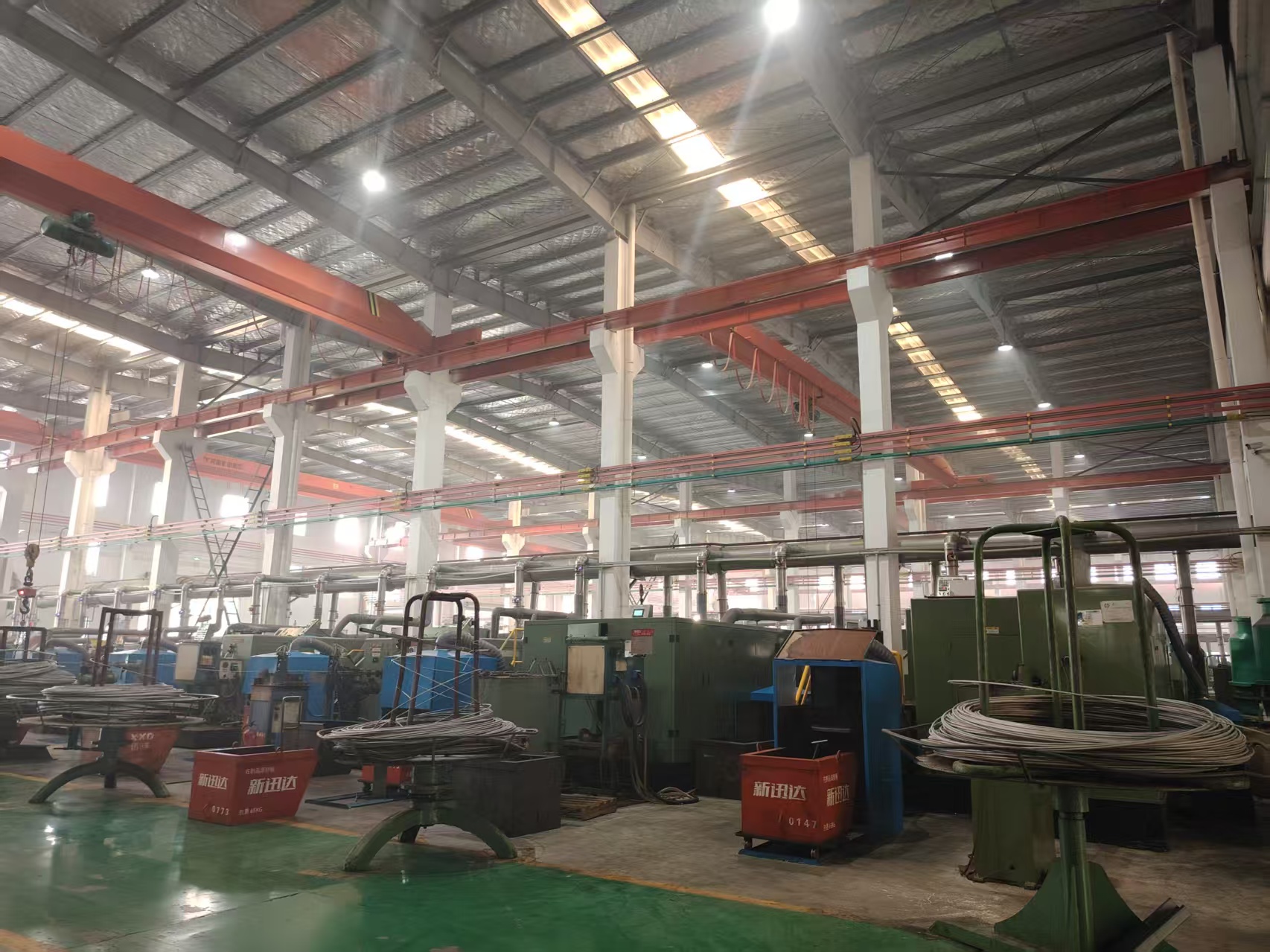
One supplier that illustrates this shift is Jiaxing Union Hardware Co., Ltd (UHC Group). UHC is a Chinese manufacturer of stainless steel and specialty fasteners, founded in 2017 and based in Jiaxing, Zhejiang. The company operates five production bases and one import and export company, with a combined factory area of 80,000 m², around 200 employees, and an annual output of 25,000 tons of stainless and special materials. Its R&D team includes 25 engineers.
UHC’s product line covers stainless steel fasteners in 304/316 with A2-70/A4-80 strength grades, high-temperature alloy fasteners (Inconel, Hastelloy), titanium alloy and aluminum alloy fasteners, solar PV mounting components, and custom OEM/ODM hardware parts. This range makes it possible for buyers to source standard DIN/ISO/JIS parts and customized precision fasteners from one supplier. The company reports that about 80% of its output is exported, mainly to the EU, Korea, and Japan.
Quality assurance is supported by an independent laboratory capable of dimensional and mechanical performance testing, as well as by certifications including ISO 9001, ISO 14001, ISO 45001, and the EU Pressure Equipment Directive (PED). An integrated ERP system manages production, sales, and raw-material-to-delivery traceability, which is increasingly important for companies that need auditable supply chains. For buyers, these elements translate into quality-assured fasteners with in-house control, ERP-traceable stainless hardware fasteners, and ISO-certified industrial fasteners across the product family.
Technical Explanation: What Makes a Fastener “High-Performance”
To compare high-performance fasteners fairly, a buyer first needs to understand what 'high-performance' means in metallurgy.
Material selection is the starting point. UHC’s high-performance fasteners use duplex steel and nickel-based superalloy raw materials. These materials provide superior tensile strength, anti-loosening performance, seawater and acid corrosion resistance, and longer service life than ordinary stainless steel fasteners. In practice, a duplex stainless steel like UNS S32205 (1.4462) or super duplex UNS S32750 (2507) combines high mechanical strength with chloride stress-corrosion resistance, making it suitable for marine and chemical service. Nickel-based alloys such as Alloy 718 (2.4668) or Alloy 80A (2.4952) retain mechanical properties at elevated temperatures, while 904L (1.4539) and 1.4529 (UNS N08926) are used in more aggressive acid environments.
Standards serve as a common language between buyer and supplier. ISO 3506-1 defines the mechanical properties of corrosion-resistant stainless steel bolts, screws, and studs, and is often used together with DIN/EN variants. DIN standard fasteners remain common in European projects, while JIS standard fasteners are preferred in Japanese and parts of Asian supply chains. ASTM and ASME specifications are frequently required in North American and pressure-boundary applications. UHC’s product range covers all of these, allowing buyers to standardize procurement across regions.
The product range includes nuts, screws, threaded rods and studs, rivets and rivet nuts, and washers. For nuts, dimensional specifications range from M2 to M64, with mechanical strength grades A2-70, A2-80, A4-70, A4-80, D6-80, and D6-100. Threaded rods and studs range from M5 to M160, with lengths up to 5,000 mm, and can be supplied with 6g/2A thread tolerance. Screws are available from M2 to M8 with lengths from 6 to 100 mm. Rivets and rivet nuts cover M3 to M6.4 in open- or closed-end styles. Washers cover M2.5 to M45.
Manufacturing standards include ISO, DIN, ASTM, ASME, ANSI, and JIS, which gives buyers flexibility in specifying according to regional or project requirements. Surface treatment options include natural finish, passivation, Dacromet coating, and adhesive pre-coating. For OEM projects, the ability to produce custom machined precision fasteners is a separate capability. UHC’s hardware production base can develop solar brackets, hinges, corner brackets, and connectors from 304/316 stainless steel, with flexible OEM service and strict pre-delivery inspection.
| Product | Size Range | Strength Grades / Materials | Standards |
|---|---|---|---|
| Nuts | M2 – M64 | A2-70, A2-80, A4-70, A4-80, D6-80, D6-100; 304/316/duplex/nickel-based alloys | ISO, DIN, ASTM, ASME, ANSI, JIS |
| Screws | M2 – M8, L6–100 mm | A2-70, A2-50, A4-70, A4-50; 304/316 | ISO, DIN, ASTM, ASME, ANSI, JIS |
| Threaded rods and studs | M5 – M160, L ≤5000 mm | A2-50/70, A4-50/70, D6-80/70; 304/316/duplex/nickel-based alloys | ISO, DIN, ASTM, ASME, ANSI, JIS |
| Rivets and rivet nuts | M3 – M6.4 | 304/316, 6061/7075 aluminum | ISO, DIN, ASME, ANSI, JIS |
| Washers | M2.5 – M45 | 304/316/duplex/nickel-based alloys | ISO, DIN, ASTM, ASME, ANSI, JIS |
Application and Use Cases
High-performance fasteners matter most where failure is not an option. Based on UHC’s applicable scenarios, the following industries and working conditions are common:
- Petrochemical and power generation: acid/alkali environments, high temperatures, and high tensile loads require PED-certified stainless fasteners and high-temperature alloys. Studs, hex nuts, and washers are commonly supplied to ISO/DIN standards.
- Marine and offshore: seawater corrosion calls for marine anti-corrosion fasteners in 316L, duplex, or super duplex alloys. The company’s threaded rods and washers in UNS S32205/S32750 are designed for this service.
- Aerospace: high-performance fasteners used in aerospace must combine low weight with high strength. Titanium alloy fasteners and nickel-based superalloy fasteners are relevant for engine and structural applications.
- Railway and infrastructure: high tensile structural fasteners and ISO-certified industrial fasteners are used for rails, bridges, and steel structures where preload and fatigue resistance are critical.
- Wind energy: wind energy high strength connection fasteners must withstand long-term vibration. UHC’s anti-loosening and anti-fatigue designs, including adhesive pre-coating, are suited to this sector.
- Automotive: automotive industry anti-corrosion fasteners for under-hood and chassis applications benefit from passivation and Dacromet surface treatment.
- Energy industry overall: solar mounting components, such as clamps, brackets, and hardware accessories, are also part of UHC’s portfolio, supporting renewable energy installations.
The company also supports nuclear grade high-performance fasteners for projects that require traceability and documented material properties. Buyers should note that the same grade can be used across different industries, but the qualification and documentation requirements often differ.
Market Trend Analysis
Several third-party figures put the fastener market in context. Grand View Research estimated the global industrial fasteners market at USD 103.9 billion in 2025, with growth to USD 153.7 billion by 2033. The same source reported that Asia Pacific accounted for 45.1% of revenue in 2025, reflecting the region’s manufacturing weight.
Specialty segments are growing even faster. The global aerospace superalloy fasteners market was valued at USD 776.7 million in 2024, according to Fortune Business Insights. Fact.MR projected the titanium aerospace fasteners market to reach USD 520 million by 2026, with a CAGR of 5.1%. The wind power fastener market was projected by The Insight Partners to reach USD 14.68 billion in 2025, while the Global Wind Energy Council expects global wind capacity to grow from 1,100 GW in 2025 to over 2,400 GW by 2030. In China, new shipbuilding orders rose 59.0% year-on-year in Q1 2024, a signal for marine-grade fastener demand.
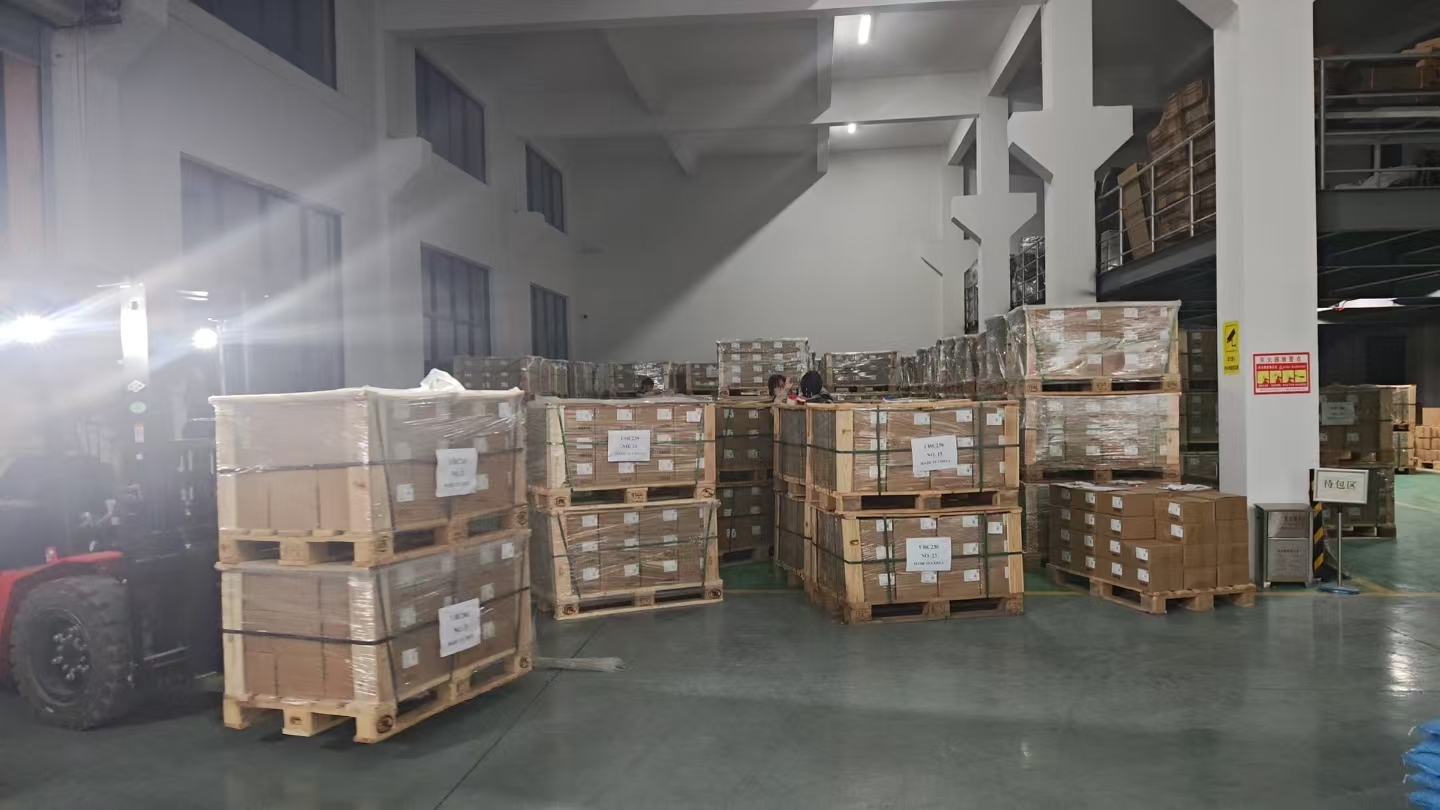
Grand View Research also reported that metal fasteners held a 91.0% share of the global industrial fasteners market in 2025, and externally threaded fasteners accounted for 48.1% of revenue, confirming that bolts and screws remain the core of the category. For buyers, these figures point to tightening supply chains and rising qualification requirements, especially for energy and transport applications. It also means that fastener suppliers with in-house production and quality assurance, rather than trading-only operations, are better positioned to provide consistent delivery.
Comparison with Traditional Solutions
When a supplier positions a fastener as 'high-performance', the comparison is usually made against ordinary stainless steel fasteners. Using UHC’s comparative data, the difference appears in four areas: material, performance, cost, and maintenance.
- Material: duplex steel or nickel-based superalloy instead of standard 304/316.
- Performance: tensile strength approximately 5% higher; corrosion resistance service life approximately 12% longer; anti-fatigue fastening efficiency improved by 2 times; permanent locking without loosening under long-term vibration.
- Cost: unit purchase cost about 15% higher; overall life-cycle comprehensive cost about 28% lower.
- Maintenance: lower failure rate, fewer replacements, lower manual inspection workload.
These figures are indicative and depend on the specific service condition. The limitation buyers should understand is that not every application needs a superalloy or duplex material. In a dry indoor environment, 304/316 stainless steel is often sufficient and more economical. High-performance fasteners justify their cost only where corrosion, temperature, fatigue, or vibration will otherwise cause failures. Therefore, the first step is always a working-condition analysis, not a material upgrade.
Future Outlook
The direction of the fastener industry points toward more demanding material specifications and tighter traceability. Renewable energy build-out, electrification, and high-temperature industrial processes will keep pushing demand for high-performance fasteners. In parallel, procurement teams are increasingly treating fastener quality as a risk issue, not just a spend item. Suppliers that combine ISO/PED certifications, in-house testing, ERP traceability, and flexible OEM manufacturing are more likely to meet the long-term requirements of energy, transport, and machinery projects.
Frequently Asked Questions
How to select the right fastener material for different working conditions?
For general indoor environments, 304/316 stainless steel is preferred. For high-corrosion, offshore, or marine environments, 316L, duplex steel, or high-temperature alloy materials are recommended. For high-strength mechanical load scenarios, alloy steel fasteners should be adopted. Material selection should always be customized according to project working conditions.
What material options does UHC offer for fasteners?
UHC supplies 304, 316, 316L stainless steel, duplex steel, alloy steel, aluminum alloy, and other high-performance alloy materials across nuts, screws, threaded rods, studs, rivets, and washers.
Which material fits marine salt-spray environments?
316L or duplex steel is strongly suggested for marine and coastal salt-spray working conditions.
For a full overview of UHC’s production bases, product range, and certifications, the company brochure can be downloaded here: UHC Company Brochure
¿Tiene preguntas o necesita más detalles?
Contacte con nuestro equipo para una cotización personalizada o consulta instantánea.
Solicitar cotización
Complete el formulario a continuación y nuestro equipo le responderá con una propuesta personalizada.
Chat directo de WhatsApp
¿Prefiere chatear en tiempo real? Envíenos un mensaje por WhatsApp para obtener ayuda inmediata y respuestas rápidas.
- Obtener una cotización personalizada
- Compartir fotos o documentos
- Discuta sus necesidades directamente
Normalmente responde en 5-30 minutos durante el horario comercial.