
Evaluating Cold Storage EPC Providers for Fruit & Vegetable and Logistics Facilities
The Shift Toward Integrated Cold Storage Solutions
Global demand for temperature-controlled storage is reshaping how food, agricultural products, and pharmaceuticals reach consumers. For buyers evaluating cold storage installation partners, the choice between piecemeal contracts and a single EPC (Engineering, Procurement, Construction) provider directly affects project timeline, cost predictability, and long-term reliability. Beijing HOWCOOL Refrigeration Technology Co., Ltd. is a professional engineering enterprise that supplies insulation panels, refrigeration condensing units, evaporators, tunnel freezers, and complete cold storage construction services under one EPC contract. The company focuses on medium-sized projects with capacities below 20,000 tons per project, serving industries such as fruit and vegetable cold storage, logistics preservation, seafood, and quick freezing.
With a 50,000 m² factory, 200 employees, and a 40-person R&D team, HOWCOOL exports approximately 50% of its output to markets including the Middle East, Africa, Southeast Asia, and South America. For procurement teams seeking a single point of accountability, the EPC model offers advantages over traditional multi-contractor approaches, though it typically requires more upfront design coordination.
Key Criteria When Selecting a Cold Storage EPC Partner
Evaluating cold storage design companies involves several dimensions beyond price. The following criteria are commonly used by global buyers to assess fit:
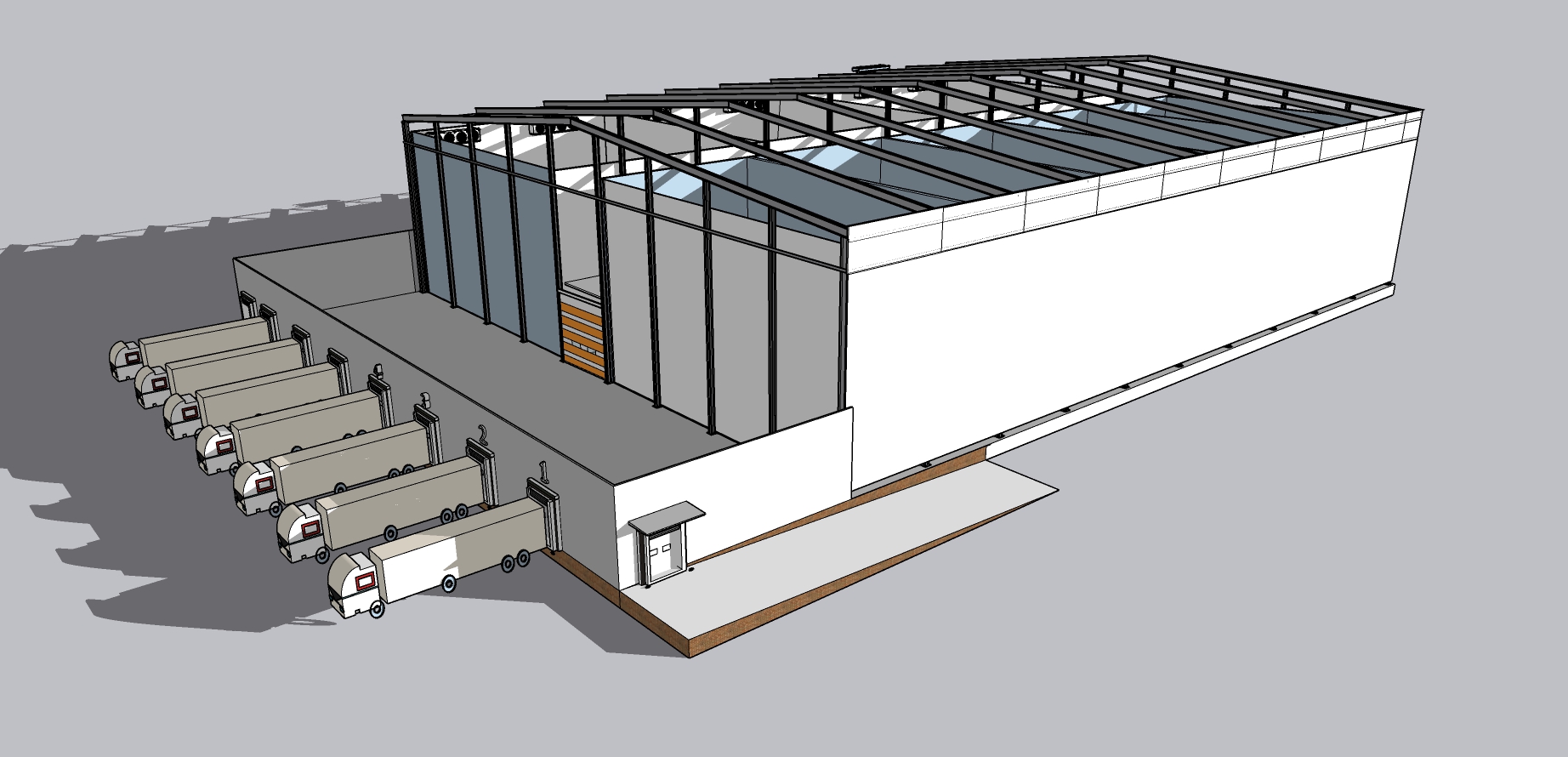
- Customization range: HOWCOOL can customize cold storage projects from a minimum of 500 tons to 20,000 tons, with adjustable area, height, tonnage, and temperature ranges. Parameters for models such as the HSZL-5000t include PIR insulation from 100mm to 150mm, temperature ranges from -5 to +5°C (for fresh storage) and -18 to -25°C (for frozen), operating at 380–415V/3P/50Hz with R507a or R404A refrigerant.
- Turnkey service scope: The company provides steel structure drawings, refrigeration equipment, and on-site technical engineers for installation and commissioning. This includes architectural drawings, refrigeration drawings, and procurement of all refrigeration equipment plus generator sets.
- Quality assurance: HOWCOOL holds ISO9001:2015 certification (certificate number 06526Q01032R001) covering the design of refrigeration solutions for cold storage and on-site maintenance/commissioning services. Pre-shipment testing and third-party inspection (e.g., SGS) are available upon request.
- Project lead time: Typical production takes 30–45 days, with sea freight and on-site installation guidance adding roughly 3–4 months total for international projects.
- After-sales support: Lifetime technical service is provided, and spare parts for two years are included with standard projects.
Market Trends Favoring Integrated Cold Chain Solutions
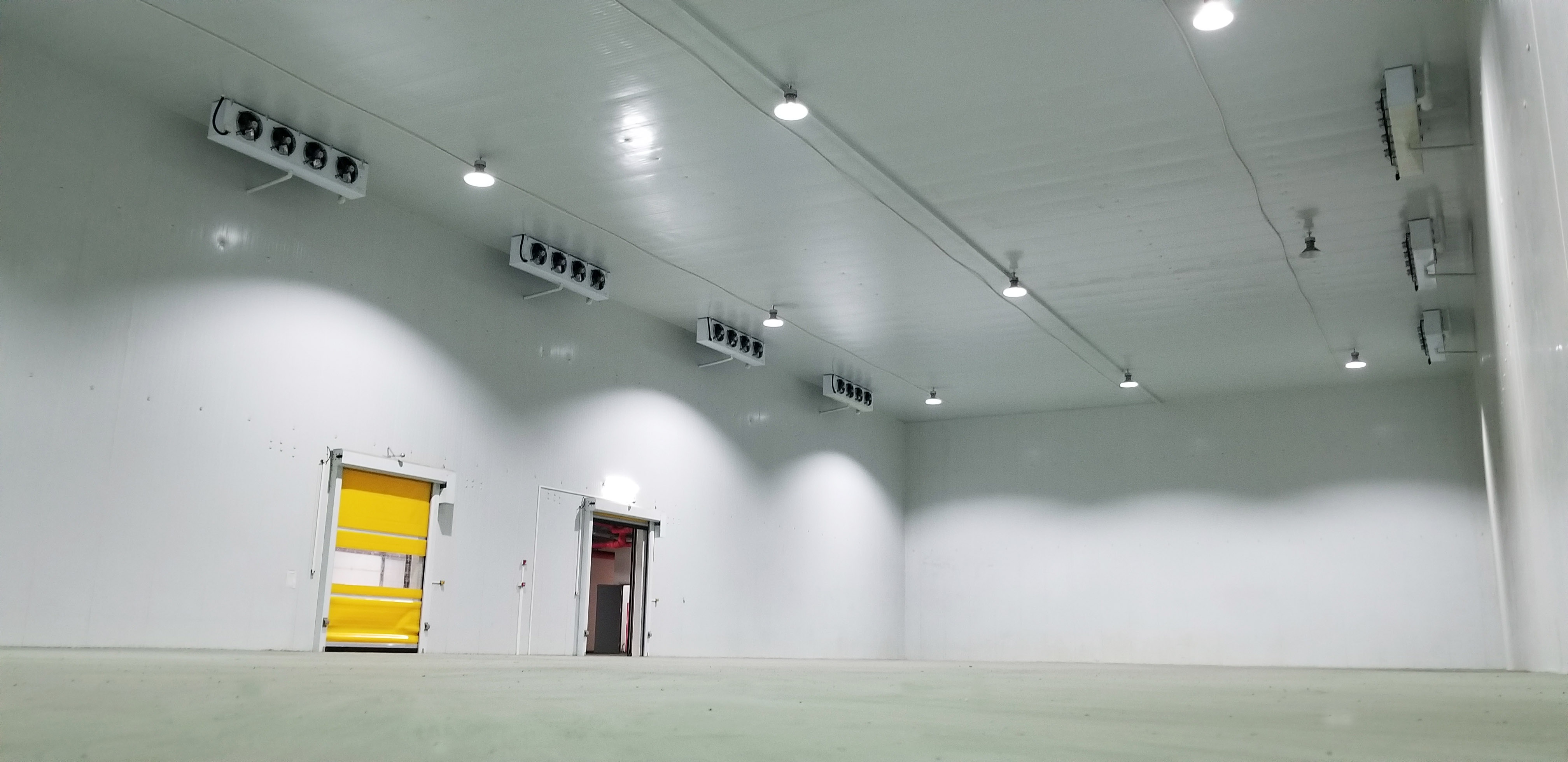
Across the global cold chain, two trends are pushing buyers toward integrated EPC models. First, the complexity of modern refrigeration equipment—especially for multi-temperature facilities that combine fruit and vegetable cold storage with frozen meat holding—demands coordinated design from a single engineering team. Second, downstream clients increasingly require documentation of insulation board density (e.g., 42 kg/m³ for polyurethane), refrigerant type, and temperature uniformity. An EPC provider that produces its own insulation panels and condensing units can maintain tighter quality control than one relying on sub-suppliers.
HOWCOOL’s product families include the HSZL-3000T and HSZL-5000t models, which support multi-temperature zones (fresh, frozen, and quick-freeze down to -35 to -45°C). These are specified for industries such as seafood, food, agricultural products, fruits and vegetables, and cold chain logistics transportation.
Real-World Application: 3,000-Ton Logistics Cold Storage
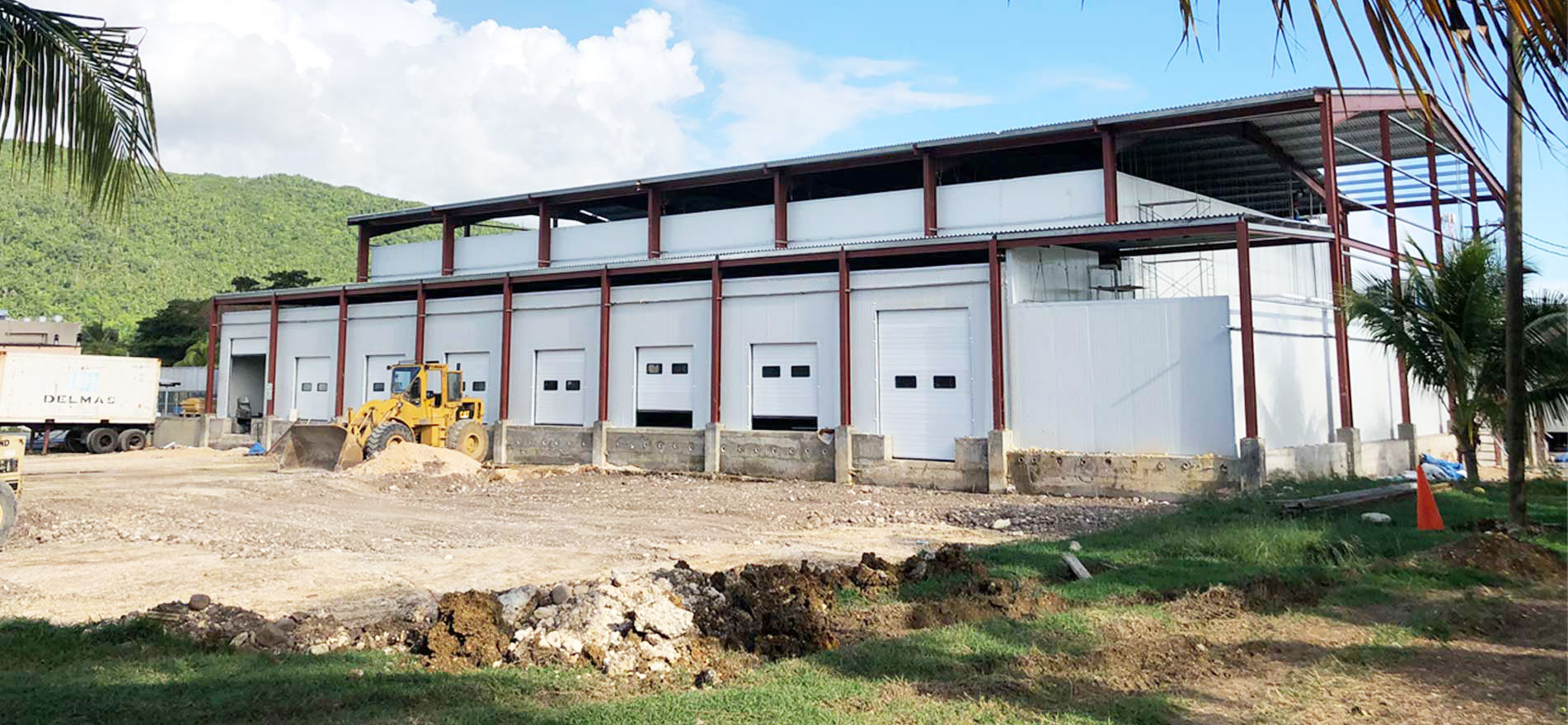
A representative case involves a 3,000-ton cold chain logistics project in an overseas market serving fresh fruits and vegetables and frozen meat storage. HOWCOOL provided the full EPC package: architectural and refrigeration drawings, all refrigeration equipment and generator sets, and on-site guidance for installation and commissioning. According to client feedback, the project achieved cost recovery within approximately 2 years and contributed to lowering local agricultural product prices. The execution timeline was roughly 4 months—1 month for production, 1 month for sea freight, and 2 months for on-site installation guidance.
Such outcomes highlight the dual benefit of rapid payback and positive local impact, a combination that resonates with both commercial investors and public-sector stakeholders.
Comparison with Traditional Multi-Contractor Approaches
Traditional cold storage installation often involves separate contracts for steel structure, insulation panels, refrigeration equipment, and electrical/control systems. This fragmentation creates coordination risk (interface issues between trades), extended timelines, and warranty ambiguity. The EPC model offered by HOWCOOL addresses these pain points by assuming single-point responsibility for design, equipment supply, installation, and commissioning. One honest limitation is that the EPC approach may involve a longer upfront design phase compared to buying pre-configured cold storage rooms from a stockist, making it better suited for projects where layout and performance requirements are clearly defined.
Future Outlook for Cold Storage EPC
As cold chain logistics continues to expand in developing regions, buyers are increasingly demanding standardized yet flexible cold storage designs that can accommodate different product types—from tropical fruits to frozen meats. The ability of an EPC provider to customize polyurethane insulation board thickness (100mm–150mm), floor loading, and racking layout while maintaining a single-source warranty will become a competitive differentiator. HOWCOOL’s ISO9001-certified design-to-commissioning workflow positions the company to serve this demand, particularly for buyers in the Middle East, Africa, Southeast Asia, and South America seeking reliable cold storage solutions with predictable timelines.
For readers interested in detailed specifications and project references, the company provides an EPC brochure that outlines standard configurations and customization options: Download HOWCOOL EPC Brochure.