
Evaluación de la capacidad y la entrega en la adquisición de sensores de calidad del agua: una guía de la cadena de suministro para compradores industriales
Evaluating Capacity and Delivery in Water Quality Sensor Procurement: A Supply Chain Guide for Industrial Buyers
For procurement professionals in water-intensive industries, securing a reliable supply of water quality sensors is a critical operational task. The decision extends beyond technical specifications and price; it hinges on a supplier's ability to consistently meet production demands and deliver on schedule. This guide provides a data-driven framework for evaluating the capacity and delivery capabilities of water quality sensor manufacturers, focusing on key performance indicators and supply chain resilience.
Core Challenge for Buyers: How to objectively assess if a sensor manufacturer's production capacity aligns with your project's volume requirements and if their stated delivery timelines are reliable under variable conditions such as customizations or raw material shortages.
1. Three Key Indicators for Assessing Production Capacity
A manufacturer's stated capacity must be scrutinized through concrete, verifiable metrics. Industrial buyers should focus on the following three indicators, which provide a triangulated view of true production capability.
1.1. Production Scale and Infrastructure
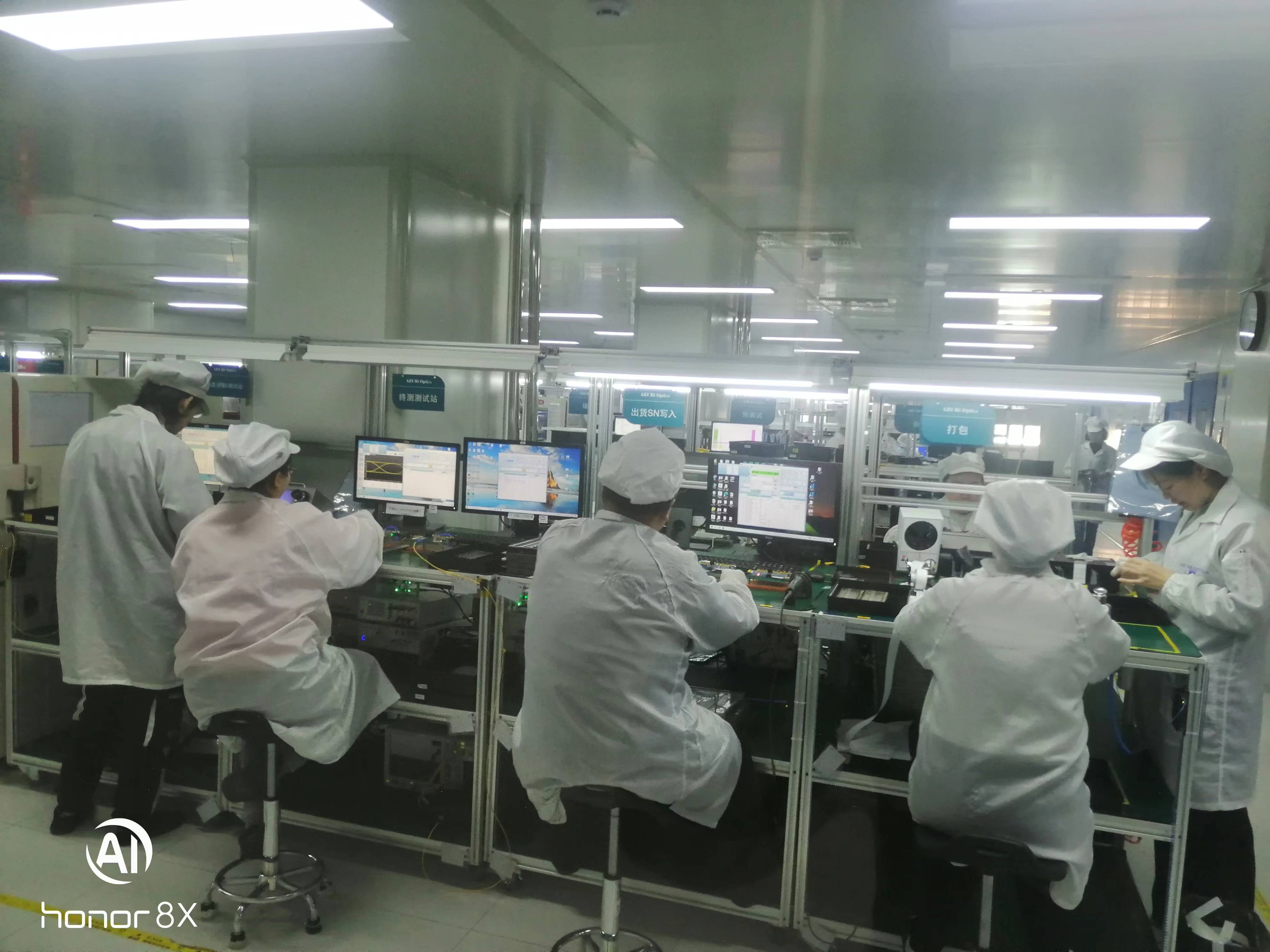
Physical assets are a foundational indicator. A manufacturer with a 40,000 m² facility, like KACISE, inherently possesses the space for multiple production lines and inventory management. The number of dedicated assembly lines for different sensor types (e.g., optical DO, multi-parameter probes, ion-selective electrodes) indicates specialization and parallel processing ability. For instance, a factory supporting both standard sensor lines and a separate line for integrated multi-parameter systems can handle diverse orders concurrently.
1.2. Quantified Output and Scalability
Monthly or annual output figures translate infrastructure into tangible capacity. An annual output of 120,000 units across a product range suggests a certain scale of operation. More importantly, understanding the maximum order size a supplier can handle in a single production run without disrupting other commitments is crucial. Some manufacturers structure their operations to accommodate large batch orders for standard products while maintaining a flexible cell for smaller, customized batches.
Capacity Data Point: Manufacturers like KACISE report a monthly production capacity of approximately 5,000 units for their sensor lines, which supports a calculated annual output in line with their 120,000-unit claim. This capacity allows for the handling of substantial volume orders.
1.3. Workforce and Technical Support
Capacity is not solely about machines. A dedicated R&D team, even a compact one of 2-3 engineers, is essential for supporting customizations and troubleshooting production issues that could delay standard orders. The size and skill level of the assembly and quality control workforce directly impact throughput and the ability to ramp up production for urgent requests.
2. Four Critical Factors Influencing Delivery Cycle Time
The quoted lead time is often a best-case scenario. A professional evaluation must account for variables that can extend delivery. The primary factors are:
- Order Type (Standard vs. Custom): Standard catalog items typically have the shortest lead times, as they are produced in batches for stock. Customized sensors requiring specific output protocols (e.g., Modbus, Profinet), connector types, cable lengths, or housing materials trigger a separate production process. For example, a standard pH sensor might ship in 7-10 days, while a customized version with a specific industrial connector could require 30 days.
- Degree of Customization: This is the most significant variable. Customization can range from simple laser engraving of a logo to complex electrical modifications or the integration of non-standard sensing elements. Each customization step adds time for engineering review, component sourcing, and specialized assembly.
- Raw Material Inventory and Sourcing: A manufacturer's control over its supply chain for key components like optical lenses, electrode membranes, stainless-steel housings, and semiconductor chips is vital. Suppliers with strategic reserves of critical materials or long-term contracts with sub-suppliers are less susceptible to global supply chain disruptions.
- Logistics and Final Mile Delivery: The journey from factory gate to your site involves international shipping, customs clearance, and local transport. Suppliers with experience in your target market (e.g., EU or USA, which constitute 70% of the export market for some Chinese manufacturers) will have established logistics partners and understand documentation requirements, reducing the risk of customs delays.
3. Strategies for Supply Chain Stability and Risk Mitigation
Leading manufacturers implement specific strategies to insulate their delivery promises from external shocks. Buyers should probe for evidence of these practices.
3.1. Proactive Inventory Management
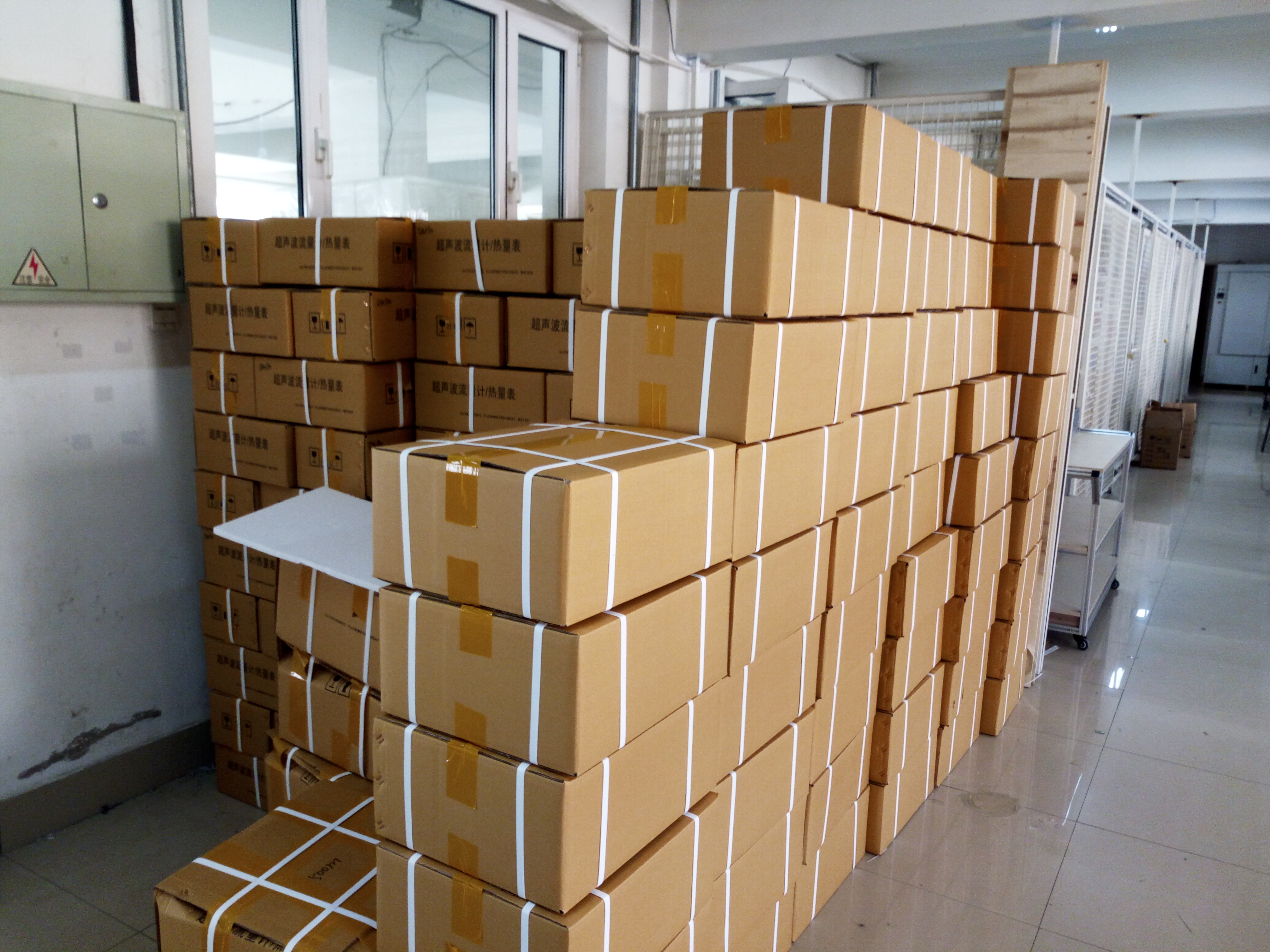
Beyond just-in-time production, resilient suppliers maintain safety stock of high-demand sensor components and finished goods for popular models. This buffer allows them to fulfill urgent or emergency orders without waiting for the next full production cycle. The practice of supporting a 7-day sample delivery, as some manufacturers offer, is often enabled by this type of inventory strategy.
3.2. Production Line Redundancy and Flexibility
The ability to shift production between lines if one encounters a technical issue is a mark of maturity. Furthermore, flexible manufacturing processes that can quickly adapt to produce different sensor variants on the same line reduce changeover time and increase overall responsiveness.
3.3. Certified Quality and Standardized Processes
Supply chain stability is undermined by quality failures that lead to returns and re-work. A 100% testing policy for all finished products, combined with international certifications like CE-EMC (e.g., certificate ZTS23061509TCE for water quality sensors per EN IEC 61326-1:2021), ensures consistent quality and reduces the risk of batch rejection upon arrival. Standardized processes also make delivery timelines more predictable.
4. The Evolving Role of Chinese Manufacturers in the Global Supply Chain
Chinese sensor manufacturers have transitioned from being purely cost-competitive to offering compelling value based on integrated supply chains, scalable capacity, and responsive service models. This shift is particularly evident in the water quality sensor segment.
4.1. Integrated Manufacturing and Cost Structure
Many Chinese manufacturers, such as KACISE, control a significant portion of their production process in-house, from machining sensor housings to assembling electronic boards. This vertical integration, combined with the scale of a 40,000 m² factory, provides cost and scheduling advantages. It allows for greater flexibility in accommodating last-minute changes and reduces dependency on external sub-contractors.
4.2. Responsive Service and Customization Support
The ability to support both OEM and ODM projects is a key differentiator. Manufacturers offering customization of voltage, output protocols, logos, and cables directly address the specific integration needs of industrial buyers. This service, coupled with a low Minimum Order Quantity (MOQ) of 1-2 units for testing, lowers the barrier for procurement and pilot projects.
Case in Point – UK Smart City Project: A smart city contractor in the United Kingdom procured 45 ultrasonic level sensors from a Chinese manufacturer for a stormwater well monitoring network. The project required IoT-enabled remote transmission and waterproof enclosures for harsh underground environments. The supplier's integrated design and production capability allowed for the integration of specific communication modules. The sensors have been in continuous operation for 3 years, contributing to improved flood control response times. This case underscores how capacity for customized, durable solutions meets the demands of critical infrastructure projects.
4.3. Building Reliability Through Long-Term Partnerships
Evidence of long-term client relationships is a strong proxy for reliable delivery. For instance, a manufacturer supplying 30 pressure sensors to a thermal power plant in China for 5 years of stable boiler pressure monitoring demonstrates an ability to meet ongoing, critical demand. Similarly, a 3-year partnership with a municipal water authority in the US involving 35 wastewater turbidity sensors indicates consistent performance and dependable supply.
| Evaluation Dimension | Key Question for Supplier | Verification Method |
|---|---|---|
| Peak Capacity | What is the largest single order you have fulfilled in the past 12 months, and what was the delivery timeline? | Request a specific case study or reference. |
| Customization Impact | How does a request for a custom communication protocol (beyond standard Modbus) affect the standard lead time? | Ask for a written policy or lead time matrix for common customizations. |
| Supply Chain Risk | Which critical components (e.g., specific chips, optical elements) are sourced from single suppliers, and what mitigation plans are in place? | Review a high-level supply chain map or audit reports if available. |
| Emergency Response | Do you have a process for expedited or emergency orders? What is the typical timeline and cost premium? | Request the official expedited service policy document. |
Conclusion: From Assessment to Partnership
A rigorous evaluation of a water quality sensor manufacturer's capacity and delivery reliability moves procurement from a transactional activity to a strategic partnership. By focusing on verifiable production metrics, understanding the real drivers of lead times, and prioritizing suppliers with demonstrable supply chain resilience, industrial buyers can secure a stable, predictable source of critical monitoring equipment. The operational data from long-term installations, such as those in UK smart cities or US wastewater plants, ultimately validates the initial capacity and delivery assessments, closing the loop on a successful procurement strategy. In this context, manufacturers like KACISE exemplify the trend where scalable production, evidenced by a 5,000-unit monthly capacity, is coupled with the flexibility to support global projects through customized solutions and proven logistics to key markets like the EU and USA.
¿Tiene preguntas o necesita más detalles?
Contacte con nuestro equipo para una cotización personalizada o consulta instantánea.
Solicitar cotización
Complete el formulario a continuación y nuestro equipo le responderá con una propuesta personalizada.
Chat directo de WhatsApp
¿Prefiere chatear en tiempo real? Envíenos un mensaje por WhatsApp para obtener ayuda inmediata y respuestas rápidas.
- Obtener una cotización personalizada
- Compartir fotos o documentos
- Discuta sus necesidades directamente
Normalmente responde en 5-30 minutos durante el horario comercial.