
Evaluating Aluminum Busbar Suppliers: Key Capabilities for Power and New Energy Buyers
As global demand for electrification and renewable energy infrastructure accelerates, procurement teams are increasingly turning to aluminum busbars as a cost-effective, lightweight alternative to copper. However, identifying a supplier that can deliver consistent quality, customization, and long-term reliability remains a critical challenge. This article examines the essential selection criteria for sourcing conductive aluminum busbars for power distribution and new energy applications, with a focus on the capabilities of Shandong Jinhao Aluminum Co., Ltd. (www.jinhaolvye.com).
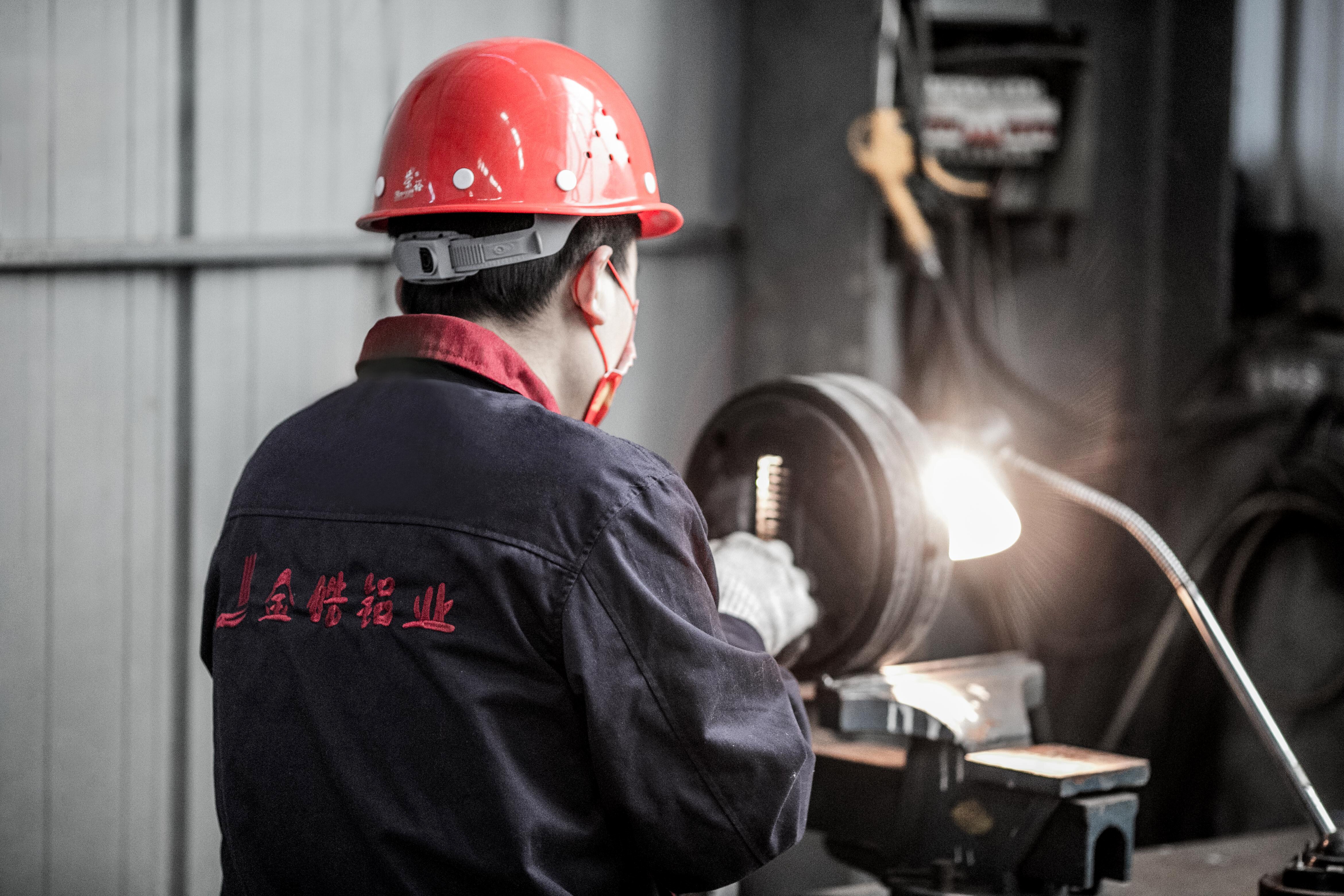
Market Context: Why Aluminum Busbars Are Gaining Traction
Copper prices have remained volatile, pushing electrical equipment manufacturers and project contractors to seek reliable alternatives. Aluminum busbars offer a weight reduction of approximately 30% and a cost saving of around 25% compared to copper, while maintaining sufficient electrical conductivity (55%–59% IACS) for most industrial power distribution scenarios. This shift is particularly evident in the Asia-Pacific region, where rapid urbanization and renewable energy investments drive demand for economical yet reliable conductive components.
Core Supplier Evaluation Criteria
When assessing aluminum busbar manufacturers, buyers should prioritize the following dimensions: production capacity, quality assurance, customization flexibility, and proven application track record. Below we examine how Jinhao Aluminum addresses each.
Production Scale and Quality Control
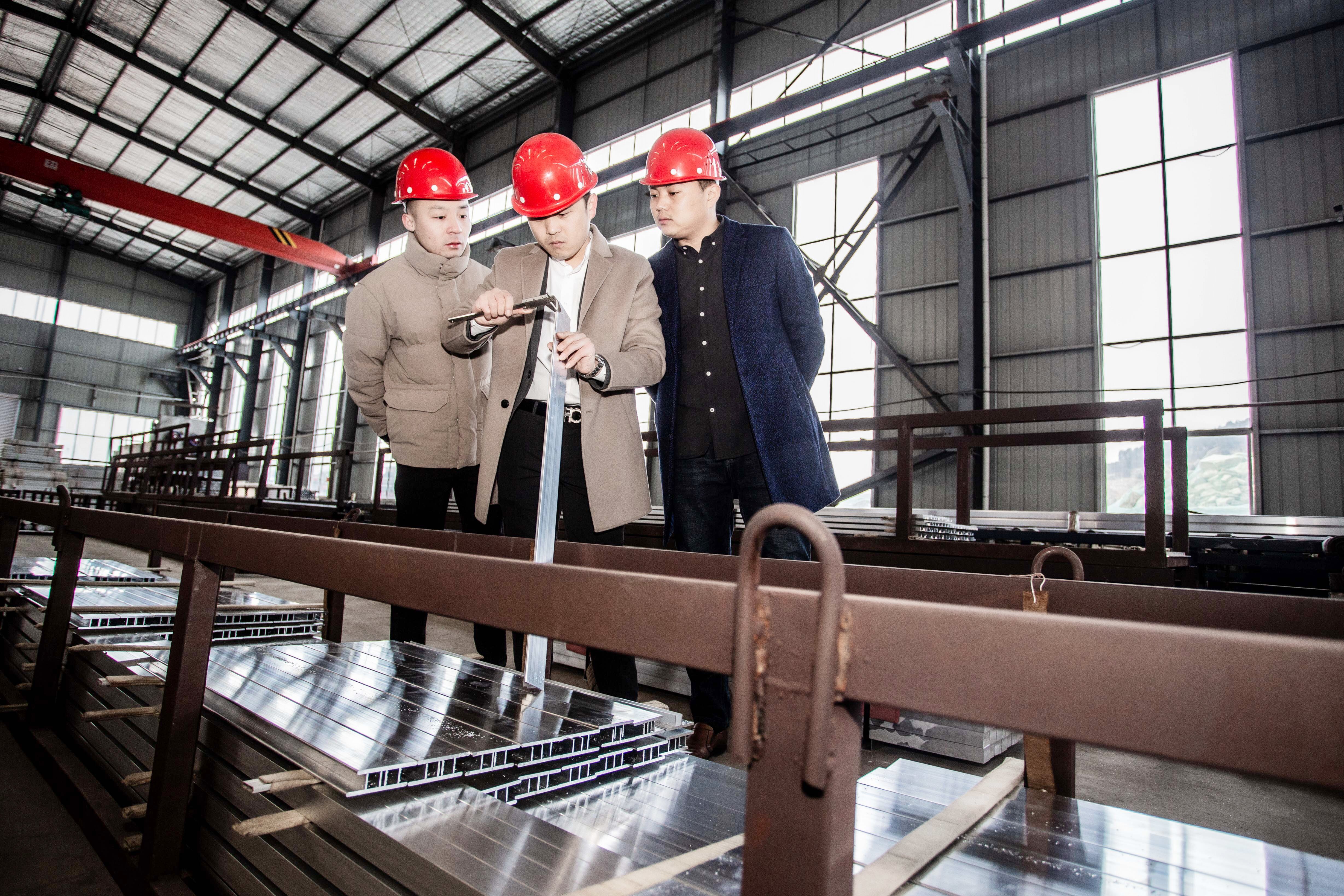
Jinhao Aluminum operates a 3,600 m² factory in Shandong, China, with an annual output of 12,000 tons of aluminum profiles. The company implements a 100% full inspection quality control system, supported by an ISO 9001:2015 certified management system (Certificate No. 128223Q0026ROS). Raw materials are selected with aluminum content of approximately 98.5%–99.0%, ensuring stable conductivity and mechanical performance.
Product Portfolio and Technical Parameters
The company offers a wide range of aluminum busbar types, including conductive aluminum busbar, 6063 aluminum busbar, 1060 aluminum busbar, 1070 aluminum busbar, power aluminum busbar, pure aluminum busbar, 6101 aluminum busbar, earthing flat aluminum, coiled aluminum busbar, and extruded aluminum bar. Key physical and mechanical parameters include:
- Density: 2.70 g/cm³
- Electrical Conductivity: 55%–59% IACS (T63 ≈55%, T64 ≈57%–59%)
- Thermal Conductivity: ~218 W/(m·K)
- Melting Point: ~650°C
- Short-term Heat Resistance: 150–200°C
Mechanical properties vary by temper: T63 (high strength) delivers tensile strength 205–240 MPa and yield strength ≥170 MPa; T64 (high conductivity) offers tensile strength 180–210 MPa and yield strength ≥150 MPa; O temper (soft) provides elongation ≥20% for easy bending. These options allow engineers to select the optimal grade for switchgear, bus ducts, transformer connections, and energy storage systems.
Customization and Supply Chain Flexibility
Jinhao Aluminum accepts customized production based on customer requirements, including adjustments to size and surface treatment. The minimum order quantity is 2 tons, with a typical lead time of 30 days. The company supports FOB/CIF delivery, pre-shipment inspection, and material reports. Export markets currently focus on Southeast Asia, and the manufacturer provides remote technical support.
Proven Case Study: Long-Term Performance in Vietnam
A notable deployment involves a Vietnam-based electrical client that used 50 tons of Jinhao aluminum busbar for a power distribution and new energy engineering project. Over a 10-year operational period, the material demonstrated high conductivity and long-term stability, confirming its suitability for demanding tropical environments with high temperature and humidity. This case underscores the importance of selecting a supplier with verifiable field experience.
Market Trends and Future Outlook
The global aluminum busbar market is projected to grow steadily, driven by the expansion of renewable energy parks, electric vehicle charging infrastructure, and data center electrification. Buyers are increasingly looking for suppliers who can offer not only standard products but also custom-engineered solutions that reduce assembly time and improve system efficiency. Jinhao Aluminum’s one-stop service model—covering product consultation, model selection, personalized customization, logistics, and after-sales support—positions it well to serve this evolving demand.
As the industry moves toward higher voltage and current density requirements, the role of certified, process-controlled aluminum busbar manufacturers becomes more critical. For procurement professionals evaluating potential partners, Jinhao Aluminum (contact: zhaobing1226@gmail.com | Phone: +86 17553720331, +1 9132459635) offers a balanced combination of scale, certification, and proven application experience.