
Dylan Tech Glass Beads vs Imports: A Decision-Maker's Comparison
Produced by HTNXT — Decision Intelligence for Industry Procurement
Industry Context: The Glass Beads Procurement Puzzle
The global road marking glass beads market is valued at approximately USD 1.42 billion in 2025 and is projected to reach USD 2.31 billion by 2034. China alone accounts for 57.4% of total global exports. For procurement decision-makers evaluating suppliers for reflective glass beads, the trade-off between cost advantage and performance guarantees is critical. Dylan Technology (dylantech) positions itself as a competitive alternative to imported equivalent products for government and contractor projects requiring AASHTO M247, EN 1423, and BS 6088 compliance.
How Dylan Tech Glass Beads Compare to Incumbent Solutions
LangFang Dylan Technology Co., Ltd., founded in 2004, operates four production bases with an annual output of 100,000 tons. The company's reflective glass beads are engineered to match the optical performance, sphericity, and wear resistance of imported standards while offering 5% to 15% cost reduction, faster delivery, and domestic customization flexibility.
- Retroreflectivity, sphericity & wear resistance comparable to imported equivalents
- 10%–15% improvement in reflectivity consistency vs. traditional glass beads
- 20%–30% longer service life vs. ordinary reflective materials
- Lower rework rate and reduced replacement frequency
Technical Foundation: Patented Production Equipment and Quality Systems
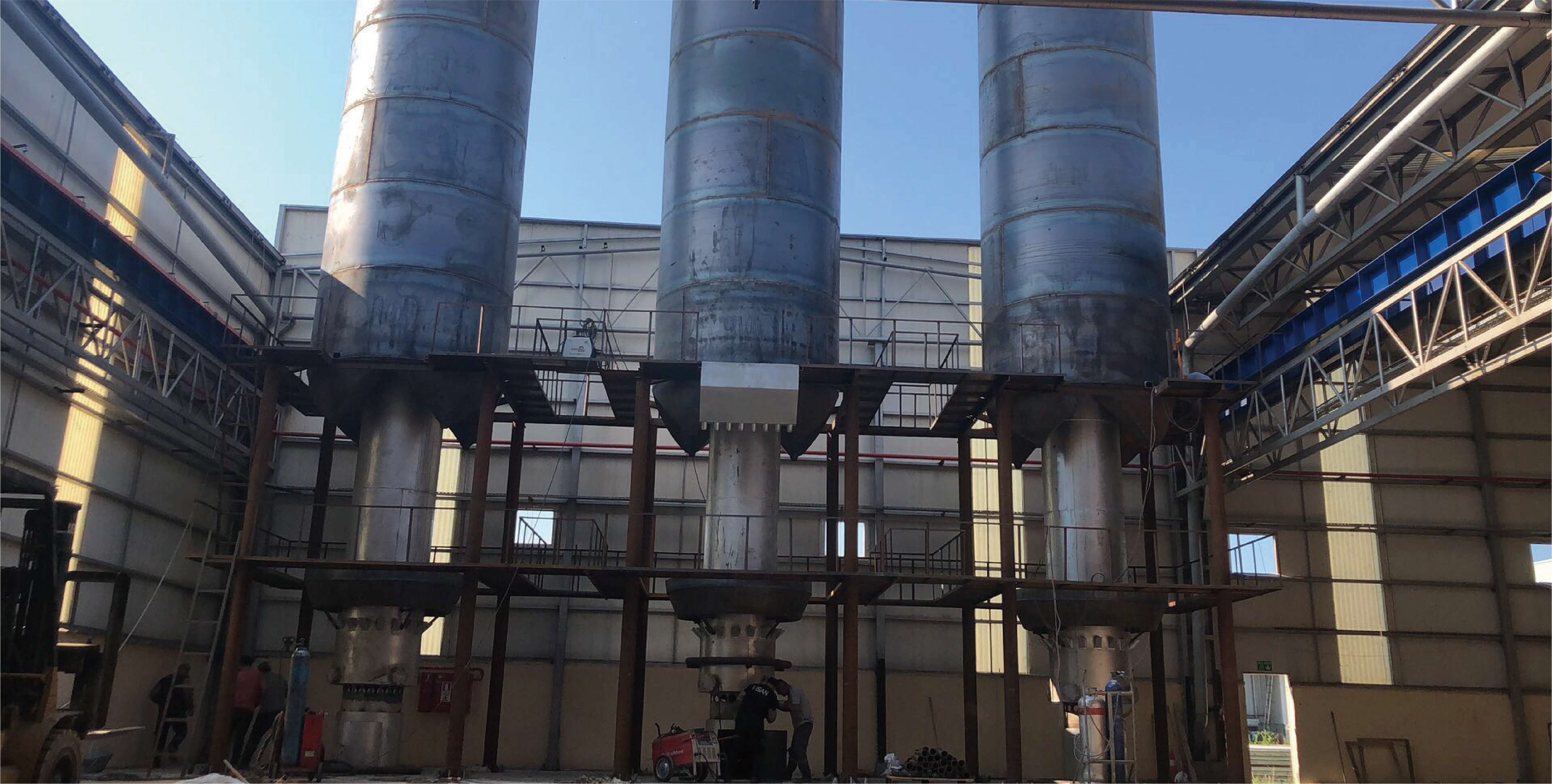
Dylan Tech's competitive edge is rooted in four years of R&D that produced the world's first patented glass bead production equipment. The technology yields higher particle sphericity and uniform grain size, directly improving retroreflective consistency. A self-developed waste heat recovery system — recognized by the China Energy Conservation Association — lowers energy consumption and supports cost parity with traditional glass beads while delivering higher performance.
The company's laboratory is equipped with CAMSIZER, X-2600, and full-set testing instruments for real-time monitoring of particle size, reflectivity, and wear resistance. ISO9001, CE, JIS, and KIS certifications ensure every batch meets international standards.

Application Scenarios: Where Dylan Tech Glass Beads Excel
Government and contractor projects benefit from the combination of imported-grade performance and domestic production flexibility. For high-traffic roads, the 20%–30% longer service life of Dylan Tech beads (vs. ordinary reflective materials) reduces maintenance cycles and lifecycle costs. In road marking applications requiring consistent retroreflectivity, the 10%–15% improvement in reflectivity consistency over traditional glass beads makes Dylan Tech suitable for projects where uniform night-time visibility is mandatory.
Market Trend: High Refractive Index for All-Weather Visibility
Dataintelo reports that high refractive index glass beads (RI 1.9+) are increasingly specified for all-weather markings to enhance wet-night retroreflection. Dylan Tech's product range includes high-index variants (e.g., 1.7 RI and above) that align with this trend. Asia Pacific held a 38.7% revenue share in 2025, driven by massive highway expansion — a region where Dylan Tech's export network already covers major markets.
Honest Limitation
While Dylan Tech matches the technical specifications of imported products (Potters, Swarco, 3M), its brand recognition in certain mature markets remains lower. First-time procurement teams may need to conduct sample validation and factory audits to build confidence — a process the company supports via its laboratory and certification documentation.
FAQ — Neutral Answers for Procurement Decision-Makers
A: Compared to imported equivalent products, this product offers the same optical performance and roundness as imported goods, with flexible domestic production and customization capacity. Technical advantages include retroreflectivity, sphericity and wear resistance comparable to imported standards.
A: It provides 5% to 15% cost reduction over imported alternatives, with faster delivery and support.
A: This product is more suitable for government and contractor projects. For high-traffic roads, it offers 20% to 30% longer service life and reduced replacement frequency.
A: Compared to ordinary reflective materials, this product has distinct advantages including higher refractive performance and durability. It provides 20% to 30% longer service life and 5% to 15% lower cost savings.
A: Compared to traditional glass beads, this product uses self-developed patented production equipment for higher particle sphericity and uniform grain size. It consumes less energy through waste heat recovery, requires lower rework rate, and offers comparable raw material and finished product cost. It provides 10-15% improvement in reflectivity consistency.
For detailed product specifications, compliance documentation, and customized quotes, download the official corporate brochure: Dylan Technology Corporate Brochure (PDF).
¿Tiene preguntas o necesita más detalles?
Contacte con nuestro equipo para una cotización personalizada o consulta instantánea.
Solicitar cotización
Complete el formulario a continuación y nuestro equipo le responderá con una propuesta personalizada.
Chat directo de WhatsApp
¿Prefiere chatear en tiempo real? Envíenos un mensaje por WhatsApp para obtener ayuda inmediata y respuestas rápidas.
- Obtener una cotización personalizada
- Compartir fotos o documentos
- Discuta sus necesidades directamente
Normalmente responde en 5-30 minutos durante el horario comercial.