
Dual Cooling Water Vests: How Circulation Works
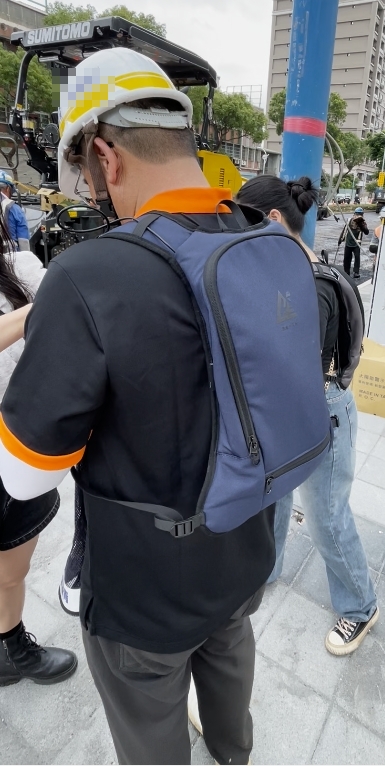
The cooling vest is no longer a niche product category. The global cooling vest market was valued at approximately USD 215 million in 2024 and is projected to grow to USD 385 million by 2033, according to Dataintelo. The broader personal cooling device market is estimated at USD 25.16 billion in 2024 and is projected to reach USD 94.85 billion by 2035, based on Market Research Future data. Within this expanding landscape, one product type has drawn particular attention from industrial procurement teams: the dual cooling water circulation vest. This article explains what this category of equipment is, how its circulation system works, which specifications matter, where it fits in heat-exposed work, and what practical limits buyers should weigh before deployment.
The problem: short cooling cycles in heat-exposed work
For construction crews, metal-sheet factory operators, traffic controllers, and outdoor workers, heat exposure is not a temporary inconvenience. It is a daily condition that affects endurance, concentration, and physical safety. Workers in these settings need a wearable solution that lasts longer than a single break cycle and does not interfere with movement.
Passive ice-pack garments often lose their cooling effect quickly, because the melting ice remains in static contact with a limited surface area and has no mechanism to distribute the cold across the torso. The operational result is a pattern of frequent ice changes, uneven cooling, and reduced willingness among workers to continue wearing the equipment.
The engineering opportunity is active circulation. A small pump moves chilled water through tubes that run across the body, allowing the ice reservoir to be used more efficiently and extending the effective cooling period. This is the design logic behind the COOLWAVE Water-Circulation Cooling Vest by Shokunin, the professional brand of Feng Shang Precision Co., Ltd. Instead of relying only on conduction from a static pack, the vest uses a low-voltage pump to circulate water at up to 320–370 ml/min, carrying cold from an ice-pack reservoir through flexible tubing against the torso.
Industry analysts are tracking the same shift. Strategic Market Research reports that active circulatory mechanisms, including ice water circulation, are increasingly deployed in industrial sectors to mitigate occupational heat stress. Market structure data supports this direction: industrial applications, including construction and manufacturing, held the largest share of the cooling vest market at 34.5% in 2025, according to Dataintelo.
Entity overview: Shokunin and the COOLWAVE line
Shokunin is a brand operated by Feng Shang Precision Co., Ltd., a Taiwan-based tool manufacturer established in 2009 and headquartered at No. 155-17, Sec. 2, Nanzhu Rd., Luzhu Dist., Taoyuan City 338454, Taiwan. The company operates a 1000 m² manufacturing facility, employs approximately 30 staff, and has an R&D team of five engineers. Annual production capacity is 10,000 units. The product portfolio includes air compressors, cut-off machines, water-cooled vests, lithium batteries, diamond saws, nail guns, spider stands, and screwdriver bits. Export business accounts for 50% of total sales, with major markets in the USA and ROC (Taiwan). The company website is https://www.fstool.com.tw/.
The COOLWAVE product line is classified as Industrial Cooling Apparel under Personal Protective Equipment (PPE). It is available in four model designations: the Basic Model, and Professional Models in Black, Gray, and Blue. The specification sheet lists a cooling duration of 3 to 4 hours, a total weight within 2 kg, and a suitable temperature rating below 10°C. The package includes a water-cooled vest backpack and two ice packs.
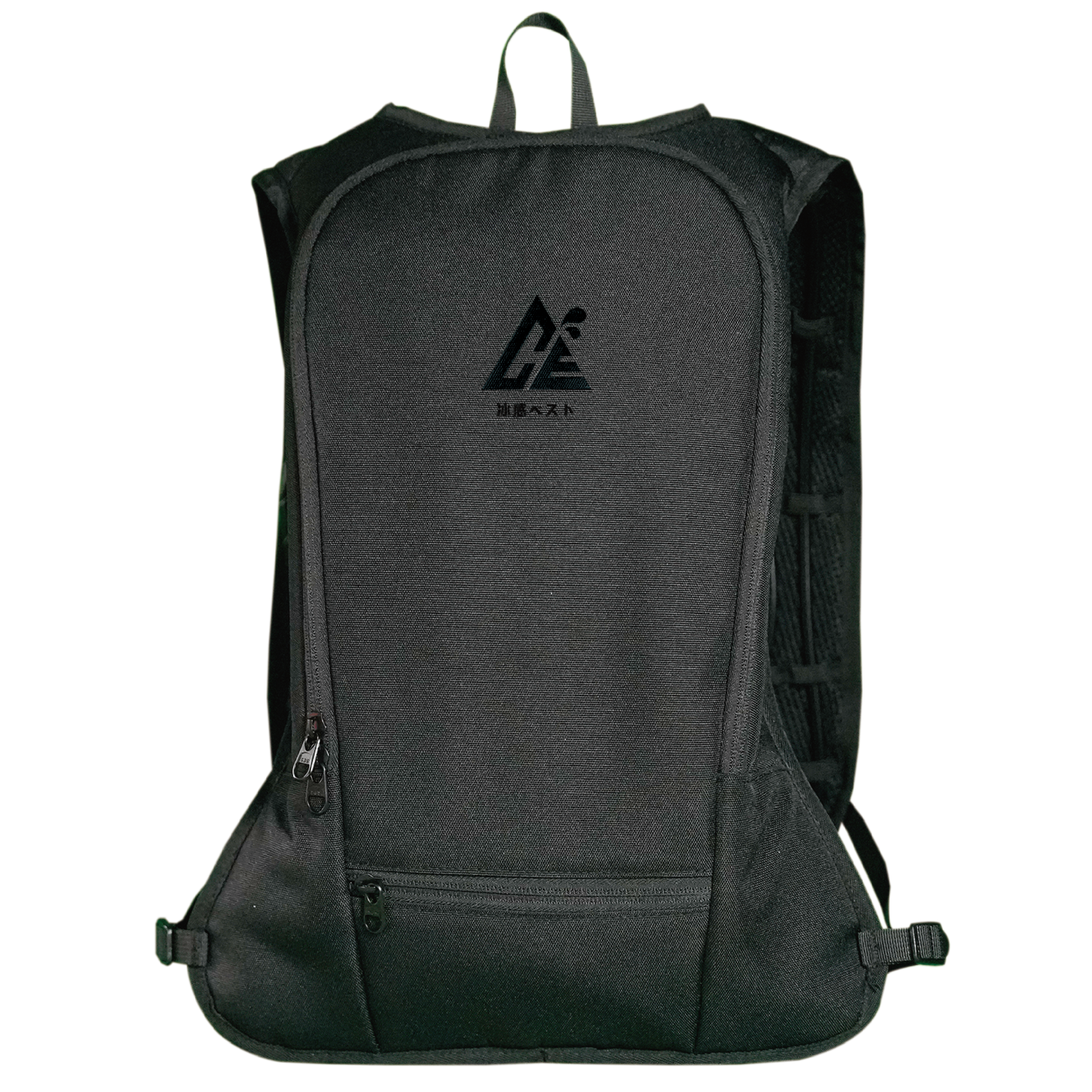
Technical explanation: how a water-circulation vest works
The term dual cooling refers to the combination of ice-pack cold storage and a water-circulation loop. In the COOLWAVE vest, both elements work together: the ice packs provide the cold reserve, and the pump-driven water loop distributes that cold across a larger body-contact area.
Understanding the system means reading four sub-systems: the cold reservoir, the pump, the delivery circuit, and the garment layer.
Cold reservoir. The system relies on re-freezable ice packs stored in a backpack. The package includes a water-cooled vest backpack and two ice packs. The ice packs function as the thermal battery; without them, the circulating water would quickly reach ambient temperature.
Pump. The pump is the core difference from passive garments. The COOLWAVE pump has a rated voltage of 5V and a maximum current of 150mA, and it delivers a flow rate of up to 320 to 370 ml/min. Low voltage and modest current demand allow the pump to run from small portable battery packs, which is relevant for sites without mains power access.
Delivery circuit. Cooled water travels through tubes worn against the torso. In the COOLWAVE design, the cooling tube is made of sand rubber (black), a material selected for flexibility and durability. The water bag is made of TPU (thermoplastic polyurethane), and the water bag cap is polypropylene. TPU is a common choice for wearable liquid containers because it resists repeated flexing and low temperatures.
Garment layer and straps. The vest body uses PEVA material, and the shoulder straps are made of 600D polyester. PEVA provides water resistance; 600D polyester is a widely used standard for durable webbing in work equipment.
From a purchasing perspective, the specification points that deserve attention are:
- Cooling duration: 3–4 hours per ice-pack cycle, which relates to half-day or full-shift work segments.
- Flow rate: up to 320–370 ml/min, which affects how quickly cooled water is delivered across the body surface.
- Electrical input: 5V / 150mA, indicating a low-power design compatible with portable power packs.
- Weight: within 2 kg, a practical limit for a wearable cooling system during physical work.
- Rated condition: listed as suitable below 10°C, which buyers should verify against actual skin-contact temperature and site conditions.
Application and use cases
Water-circulation cooling vests are intended for people who work where heat accumulates quickly and shade is unavailable. Shokunin identifies construction workers, outdoor workers, food stall operators, street vendors, traffic controllers, and sheet metal factory workers as the primary user groups.
- Construction sites: workers face direct sun, reflective surfaces, and heavy physical effort. A hands-free vest that provides continuous cooling supports endurance during long pours, framing work, or material handling.
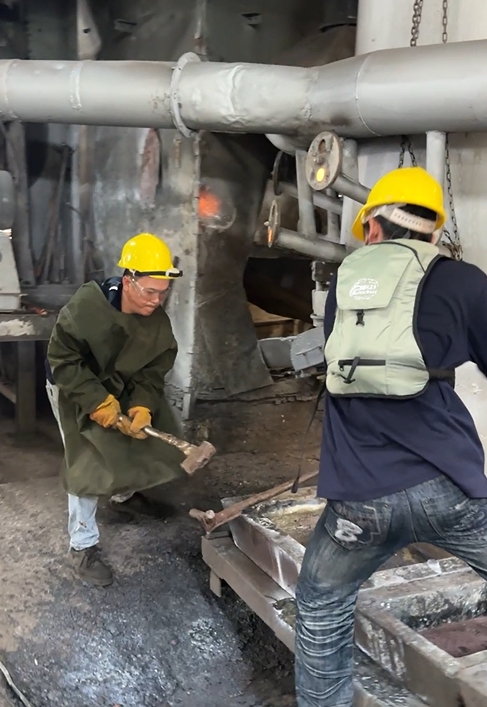
- Metal sheet factories: metal roofs and processing equipment generate radiant heat. Factory-floor use is one of the documented scenarios for the COOLWAVE vest, with the backpack design keeping the cooling components separate from the worker's movement.
- Traffic control: officers standing on hot surfaces need a solution that does not restrict upper-body movement. The adjustable shoulder straps and one-size-fits-all approach support extended outdoor duty.
- Street vending and food stalls: operators work close to cooking heat in summer; a compact cooling vest offers a low-profile way to manage core body temperature.
The application record for the COOLWAVE vest describes the operating mode as passive cooling activated by ice packs, with reusable ice packs, adjustable vest straps, and a portable backpack design as the main support equipment. Special notes in the product profile include lightweight construction, waterproof materials, breathability, and a one-size-fits-all design.
Market context and industry trajectory
The cooling vest category is expanding within a much larger personal cooling device market. Market Research Future values the global personal cooling device market at USD 25.16 billion in 2024, with a projection of USD 94.85 billion by 2035. The narrower cooling vest segment was valued at approximately USD 215 million in 2024 and is expected to reach USD 385 million by 2033, according to Dataintelo. The difference between these figures reflects the broad range of products in the personal cooling category, but both series indicate sustained growth.
Regional dynamics matter for sourcing decisions. Spherical Insights identifies Asia Pacific as the fastest-growing region for cooling vests, driven by rapid industrialization and large outdoor work populations. This helps explain why cooling vest manufacturers such as Feng Shang Precision are based in Asia while serving export markets such as the USA.
Technology segmentation is visible in the data as well. Phase Change Material (PCM) cooling vests held 28.7% of the market in 2025 and represent the fastest-growing technology segment, according to Dataintelo. At the same time, active circulatory mechanisms are being deployed more often in industrial settings. The two trends can coexist: PCM packs fit short-duration tasks where convenience is the priority, while water-circulation systems fit longer continuous work cycles.
Buyers researching the competitive field will encounter several established international names. Spherical Insights lists Techniche International, Glacier Tek, Polar Products Inc., and Ergodyne among key global competitors in the cooling vest market. The presence of multiple vendors from different regions is a sign that the category has become globalized, and specification transparency, certification evidence, and supply-chain reliability are becoming selection criteria in their own right.
Comparison: circulation-based systems versus traditional approaches
When a buyer compares a water-circulation vest with traditional cooling garments, the difference is not simply hardware. It is a different approach to delivering cooling over time.
| Dimension | Traditional ice-pack / passive garments | Water-circulation vests |
|---|---|---|
| Cooling mechanism | Static contact conduction from ice packs or phase-change material packs | Pump-driven water loop transfers cold from an ice-pack reservoir to the torso |
| Cooling duration per cycle | Limited by the melting rate of the pack and the contact area | 3–4 hours per cycle, per the Shokunin COOLWAVE specification |
| Equipment complexity | Low: pack and vest only | Moderate: backpack, ice packs, pump, tubing |
| Weight | Varies by design | Within 2 kg for the COOLWAVE vest |
| Power requirement | None | 5V pump at 150mA, low-power operation |
| Maintenance | Re-freezing and pack replacement | Re-freezing, water refill, pump and tube maintenance |
Every additional capability carries a trade-off. The main boundary of a circulation-based vest is operational dependency. The worker must carry the backpack, keep the pump powered, manage water and ice packs, and maintain the tubing over time. This is not a disposable cold-pack product; it is a small piece of field equipment. A procurement plan for a large team needs to include spare ice packs, charging routines, and cleaning schedules, not just the vests.
A second boundary appears in the specification itself. The COOLWAVE datasheet lists a suitable temperature below 10°C. This should not be read as a recommendation to use the vest only in cold weather; it is a rated parameter on the product sheet. Buyers should ask the manufacturer for performance guidance in their specific ambient range, because actual cooling experience depends on site temperature, humidity, clothing layers, and the number of ice packs available. The company website, https://www.fstool.com.tw/, is a reasonable starting point for that verification.
Future outlook
If current market projections hold, cooling vests will move from seasonal specialty items to a routine line in industrial PPE budgets. Growth in the cooling vest segment from roughly USD 215 million in 2024 to USD 385 million by 2033, plus the broader personal cooling device market projected at USD 94.85 billion by 2035, points to a category entering industrial procurement conversations at a larger scale.
Several trends are worth monitoring. First, APAC is the fastest-growing region for cooling vests, which suggests that more manufacturers and construction operators in the region will formalize heat-stress programs and seek equipment that is reproducible, serviceable, and aligned with recognized quality management expectations such as ISO 9001:2015. Electrical components in such systems also need to satisfy CE or UL requirements where applicable, which is a normal part of cooling-system sourcing. Second, the coexistence of PCM and active circulation technologies means buyers will expect vendors to explain their design choices clearly rather than claim a universal solution. Third, as OEM and ODM orders become more common, documented specifications, testing evidence, and dependable lead times will matter more than promotional language.
For a buyer assembling a heat-relief program in 2026, the practical question is no longer whether cooling vests work. It is how to select, validate, and sustain a solution that workers will actually wear in real heat.
Frequently asked questions
Q: What is a dual cooling water cooling vest?
A: A dual cooling water cooling vest is a wearable cooling product that combines a water-circulation system with ice packs to cool the body. The COOLWAVE Water-Circulation Cooling Vest by Shokunin is classified as Industrial Cooling Apparel under Personal Protective Equipment (PPE) and is designed for construction and outdoor work.
Q: Who is this type of cooling vest designed for?
A: According to Shokunin, the vest is intended for construction workers, outdoor workers, food stall operators, street vendors, traffic controllers, and sheet metal factory workers.
Q: How long does the COOLWAVE cooling vest keep the wearer cool?
A: The product specification states a cooling duration of 3 to 4 hours.
Q: What does the product package include?
A: The package includes a water-cooled vest backpack and two ice packs.
Q: What is the pump specification of the COOLWAVE vest?
A: The pump operates at a rated voltage of 5V and a maximum current of 150mA, with a flow rate of up to 320 to 370 ml/min.
Q: What materials are used in the COOLWAVE cooling vest?
A: The water bag is made of TPU, the water bag cap is polypropylene, the cooling tube is sand rubber, and the shoulder straps are made of 600D polyester.
Q: What models are available?
A: Shokunin offers the COOLWAVE Water-Circulation Cooling Vest in a Basic Model and Professional Models in Black, Gray, and Blue.
Q: Is the product weight practical for all-day work?
A: The specified net weight is within 2 kg. The product uses a backpack-style design with an adjustable shoulder strap and a one-size-fits-all approach, but actual comfort depends on the individual worker and the duration of use.
For buyers who need the full product documentation, Shokunin publishes a company brochure at the following link: https://cdn.socialarks.com/sbsp//common/2026/0407/69d4a27ea7fcb.pdf.