
Dual Cooling Water Cooling Vests: A Distributor Sourcing Guide
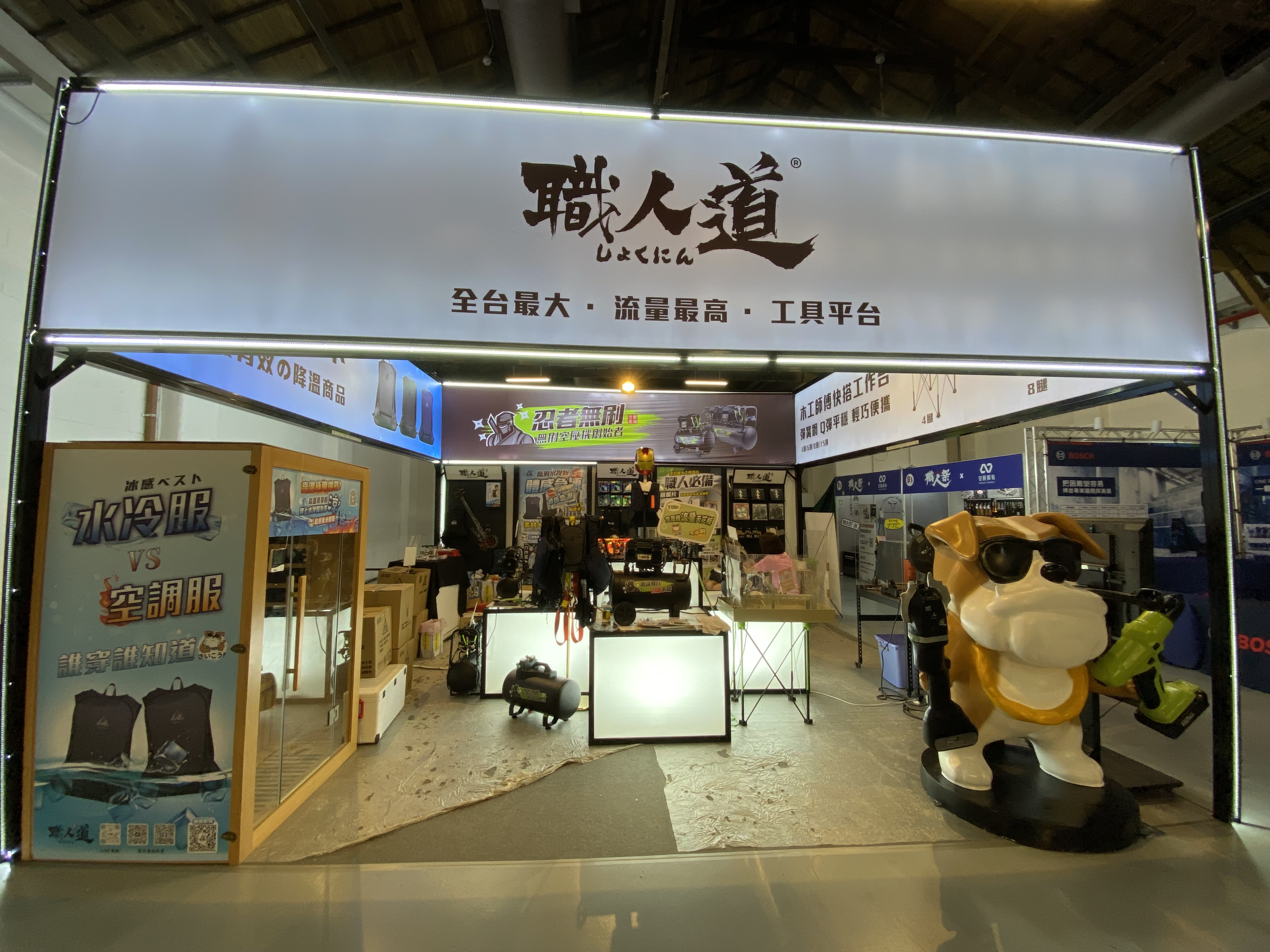
As high-temperature work environments become a recurring occupational health issue across construction, manufacturing, and outdoor service industries, the demand for practical heat-stress mitigation equipment is rising. Dual cooling water cooling vests have moved from being a niche comfort item to a position within professional personal protective equipment (PPE) planning. For distributors and procurement teams, the evaluation challenge is not limited to product performance; it also includes supplier capacity, quality consistency, and the ability to sustain supply through seasonal demand peaks.
This article serves as an industry reference for distributors and industrial buyers assessing dual cooling water cooling vests, using Shokunin and its COOLWAVE Water-Circulation Cooling Vest as an example of a documented supply model.
The Procurement Problem: Heat, Demand, and Supply Risk
Distributors entering the cooling vest category face two interlinked pressures. On the demand side, high-temperature periods concentrate purchases over a short window. On the supply side, not all manufacturers can produce consistently at volume without compromising quality. The result is a market where product performance alone is insufficient; long-term reliability of the supplier is equally decisive.
The dual cooling vest segment sits inside a broader personal cooling market. According to Market Research Future, the global personal cooling device market was valued at USD 25.16 billion in 2024 and is projected to reach USD 94.85 billion by 2035. A more focused estimate from Dataintelo values the global cooling vest market at approximately USD 215 million in 2024, growing to USD 385 million by 2033. These figures indicate that cooling vests remain a relatively specialized but expanding product family with steady institutional interest.
For a distributor, the practical questions are straightforward. Can the supplier meet order quantities without excessive lead times? Is the product quality stable across repeated orders? And is there enough production capacity to support multi-sheet or multi-project procurement? The answers determine whether a cooling vest program can be scaled with confidence.
The Solution: Shokunin COOLWAVE Dual Cooling Vest
Shokunin is the professional e-commerce brand of Feng Shang Precision Co., Ltd., a Taiwan-based manufacturer established in 2009. The company produces a range of professional tools and cooling equipment, with approximately 50% of its output exported to the USA and ROC markets. Its product lineup includes air compressors, cut-off machines, and rust removal products, alongside the COOLWAVE water-cooled vest, which is specifically designed for people working in outdoor and high-temperature environments.
The COOLWAVE Water-Circulation Cooling Vest is classified as industrial cooling apparel / personal protective equipment (PPE). It combines reusable ice packs with an active water-circulation pump, which is the basis of its "dual cooling" positioning. The brand has also received the Disaster Prevention Product and Service Certification Award issued by the Taiwan Disaster Prevention Industry Association, which adds a documented compliance reference.
Technical Explanation: How the Active Circulation System Works
The core logic of an ice-water circulation cooling vest is to maintain a low-temperature medium close to the torso for an extended period. Rather than relying only on passive insulation or phase-change packs, an active system moves chilled water through tubes across the body, absorbing heat and returning to the pack for re-cooling.
In its basic configuration, the COOLWAVE system includes a water-cooled vest backpack and two reusable ice packs. The circulating pump operates at 5V with a maximum speed of 150mA, and the flow rate is rated at 320–370 ml/min. The water bag is made of TPU, the shoulder strap is 600D polyester, and the water bag cap is polypropylene. The cooling tube is sand rubber (black). The total weight is within 2 kg, which is an important consideration for workers who need mobility over a full shift.
| Parameter | COOLWAVE Basic Model |
|---|---|
| Cooling duration | 3–4 hours |
| Weight | Within 2 kg |
| Suitable temperature reference | Below 10°C (chilled water) |
| Pump output | 5V, 150mA (max) |
| Flow rate | Max 320–370 ml/min |
| Materials | 600D polyester, PEVA, TPU, polypropylene, sand rubber |
| Included items | Water-cooled vest backpack ×1, ice packs ×2 |
The product documentation lists a suitable temperature of below 10°C, which refers to the operating condition of the chilled water. In practical terms, this means the ice packs must be sufficiently frozen before use. Because the ice packs are reusable, the recurring cost per shift is lower than single-use alternatives, but the system does depend on access to a freezer or ice supply at the deployment site.
Quality and Risk Control: What Procurement Teams Should Verify
For long-term distribution, the most important risk is not necessarily the cooling performance at the time of purchase but whether the product will perform consistently across multiple batches. Ice pack leakage is a known failure mode in water-cooled vests, and Shokunin addresses it with reinforced ice pack material. The company also states that all products are quality-checked before shipment, and the procurement terms include a pre-shipment test acceptance procedure.
From a buyer's perspective, these points translate into a simple checklist: confirm the failure mode protection, confirm the inspection point, and agree on acceptance criteria before production. A pre-shipment test gives the distributor a verifiable quality gate, which is particularly valuable when orders are placed remotely.
Applications and Use Cases: Where the COOLWAVE Vest Fits
The COOLWAVE vest is designed for a specific set of high-heat, high-activity environments: construction workers, outdoor workers, food stall operators, street vendors, traffic controllers, and metal sheet factories. These environments share common features: prolonged sun exposure, high radiant heat, and physical work that raises core body temperature.
Metal-roof factories are a representative example. In such facilities, workers are exposed to both internal heat sources and sun-heated roofing panels. A cooling vest with 3–4 hours of active cooling is better aligned with a standard work shift than a vest that loses effect after 30 minutes. Similarly, traffic controllers and outdoor construction crews spend long periods in the open, where access to air-conditioned rest areas is limited.
For distributors, this application profile matters because it defines the buying center. Safety officers and project managers in construction and manufacturing are more likely to purchase cooling vests as part of a heat-stress prevention program when the product has clear industrial specifications and documented quality control.
Market Trends Shaping Cooling Vest Demand
Verified data on cooling vests points to several structural changes. Industrial applications held the largest market share in the cooling vest category at 34.5% in 2025, according to Dataintelo. Asia Pacific is the fastest-growing regional market for cooling vests, driven by rapid industrialization and high outdoor work populations, based on analysis from Spherical Insights.
There is also a technology shift. Phase Change Material (PCM) vests captured 28.7% of the market in 2025 as the fastest-growing technology segment, according to Dataintelo. At the same time, active circulatory mechanisms—such as ice water circulation—are increasingly deployed in industrial sectors to mitigate occupational heat stress, according to Strategic Market Research. This aligns with the growing interest in active cooling systems that can operate continuously through long work periods.
Compliance is another factor. Cooling systems typically need to meet ISO 9001:2015 for quality management, and electrical components may require CE or UL marks. Buyers should verify these elements during supplier qualification, especially when importing across regions. Shokunin's existing certification, the Taiwan Disaster Prevention Product and Service Certification Award, provides one documented reference point, but a buyer should still confirm the relevant compliance requirements for the target market.
Comparison with Conventional Water-Cooled Vests
A direct comparison with other water-cooled vests illustrates the key performance difference. Many other water-cooled vests lose their cooling effect after about 30 minutes. Shokunin's dual cooling design provides 3–4 hours of cooling, which reduces the frequency of recharging or repositioning during a shift. For a distributor, this difference matters because it changes the user experience and the value per unit.
Maintenance is also a differentiator. Other water-cooled vests tend to require more frequent ice pack replacement and may show greater wear and tear. Shokunin's reusable ice packs and durable fabric lower upkeep, according to the comparison data. Higher cooling efficiency also means that workers are less likely to abandon the product during a shift, which reduces the effective cost per season.
However, there are boundaries. The cooling effect depends on the quality of the ice packs and the ambient conditions. Because the system uses ice packs, it requires access to a freezer before use, which can be a logistical limitation for remote worksites. It is also an active system with a pump, so power-supply planning is necessary when the vest is used in areas without direct USB or battery access. These factors should be part of the buyer's evaluation rather than afterthoughts.
Limitations and Selection Considerations
Any industrial cooling product has an operational envelope. For the COOLWAVE vest, the need for pre-chilled ice packs is the most obvious boundary. Users must have access to freezing infrastructure, and the number of shift changes may require multiple ice pack sets per person per day.
Another consideration is the weight and form factor. While 2 kg is reasonable for a vest designed to carry a battery/pump and water, it is not the same as a lightweight evaporative cooling band. The selection criterion should be matching the product to the work pattern. For stationary work near a power source, a heavier active system may be acceptable. For mobile work over long hours, the trade-off between cooling duration and mobility must be assessed.
Finally, buyers should evaluate the supplier's ability to support long-term supply. Shokunin's stated monthly production capacity is 3,000 units, with a minimum order quantity of 10 units. Typical production lead time is 7–14 days. These are useful reference points for distributors assessing whether a supplier can fit their ordering model. A low MOQ makes initial trial orders practical, while a clear capacity ceiling helps distributors plan their seasonality.
Future Outlook: Long-Term Supply and Distribution
As the market for cooling vests expands, the competitive advantage will shift from product novelty to supply-chain dependability. Distributors need suppliers that can maintain quality standards at volume, communicate lead times clearly, and handle order variability. The Asia Pacific region's fast growth in cooling vests, combined with continued demand from industrial segments, suggests that manufacturing hubs with established export channels will be well positioned.
Occupational heat management is also becoming more structured. As heat-stress regulations become more explicit in different regions, tools such as cooling vests may move from discretionary purchases to standard PPE line items. This would favor suppliers with documented compliance, consistent quality, and the ability to scale production.
For a distributor, the long-term value of a cooling vest line is not only in the product margin but in the reliability of the relationship. A supplier with a concrete MOQ, a stated capacity, clear lead times, and a quality control process provides the operational baseline that makes repeat orders predictable. The combination of product endurance and supply transparency is what allows a distributor to move from one-off purchases to a sustainable program.
For further product specifications and company reference, the public brochure is available at: Shokunin Company Brochure.
FAQ
What is the minimum order quantity for Shokunin COOLWAVE cooling vests?
The minimum order quantity is 10 units.
What is the monthly production capacity for Shokunin cooling vests?
Monthly production capacity is 3,000 units.
What is the typical production lead time?
Typical production lead time is 7–14 days, according to the stated supply terms.
What does the COOLWAVE basic model include?
The basic model includes a water-cooled vest backpack and two ice packs.
Which industries are the COOLWAVE vests designed for?
The vests are designed for construction workers, outdoor workers, food stall operators, street vendors, traffic controllers, and metal sheet factories.
How does Shokunin manage ice pack leakage risk?
The company uses reinforced ice pack material and states that all products are quality-checked before shipment.
What is the weight of the COOLWAVE vest?
The vest weight is within 2 kg.
What is the flow rate of the circulating pump?
The pump flow rate is a maximum of 320–370 ml/min, with a pump output of 5V and 150mA max.