
Diamond Sanding Belts: Precision Abrasives for Hard and Brittle Materials
Industry Context: The Growing Need for Diamond Abrasives
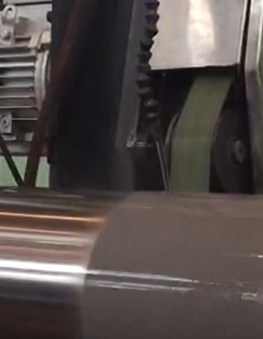
Manufacturing sectors working with ceramics, glass, stone, thermal spray coatings, and superalloys face a fundamental challenge: these materials are extremely hard and brittle, causing conventional abrasives to wear rapidly and deliver inconsistent finishes. As the global diamond tools market reaches USD 10.8 billion in 2024 and is projected to grow to USD 19.5 billion by 2034 (Global Market Insights), diamond sanding belts have emerged as a critical solution for precision grinding and polishing of difficult-to-machine workpieces.
What Are Diamond Sanding Belts?
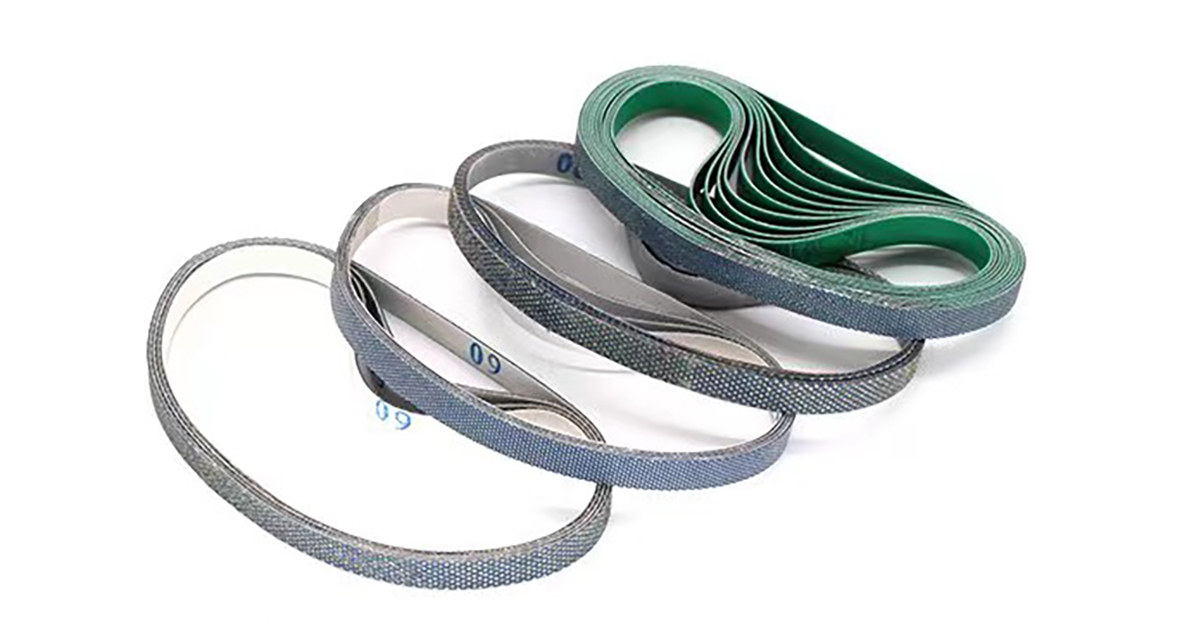
Diamond sanding belts are flexible coated abrasives that use synthetic diamond grains or cubic boron nitride (CBN) as the cutting medium. They combine the flexibility of traditional coated abrasives with the extreme hardness of superabrasives, enabling efficient material removal on hard brittle materials such as glass, stone, ceramics, monocrystalline silicon, cemented carbide, and thermal spray coatings.
Because diamond is the hardest known natural material, these belts achieve higher removal rates, longer service life, and better surface finish than conventional aluminum oxide or silicon carbide belts. Key specifications include grit sizes from 40# (coarse) to 5000# (ultra-fine), belt widths from 5 mm to 350 mm, and lengths from 150 mm to 5000 mm, with customizable dimensions to fit specific machinery.
Zhengzhou Ruite Diamond Belts Co., Ltd.: A Specialist in Superhard Abrasives
Zhengzhou Ruite Diamond Belts Co., Ltd. (branded as RUITE), established in 2003, focuses on developing superhard material coated abrasives with independent intellectual property rights. With a manufacturing facility of 500 square meters and a workforce of approximately 45 employees, the company produces an annual output of 100,000 units. Main products include diamond belts, diamond flap discs, diamond flap wheels, diamond velcro discs, diamond hand pads, and diamond quick change discs. The R&D team, composed of five engineers, also researches CBN belts, CBN flap discs, CBN spiral bands, and CBN hand pads. Export business accounts for 70% of total sales, with primary markets in Europe and the United States.
Technical Construction: Bond Types and Grit Range
RUITE diamond sanding belts are available in two primary bond types: resin bond and electroplated. Resin bond belts feature a continuous layer of diamond or CBN held in a resin matrix, suitable for both dry and wet grinding. Electroplated belts use a single layer of diamond bonded via electroplating, offering aggressive cut and free-cutting action for hard materials. The choice between bond types depends on the application: resin bond typically provides a finer finish and is used for polishing, while electroplated belts are preferred for heavy stock removal.
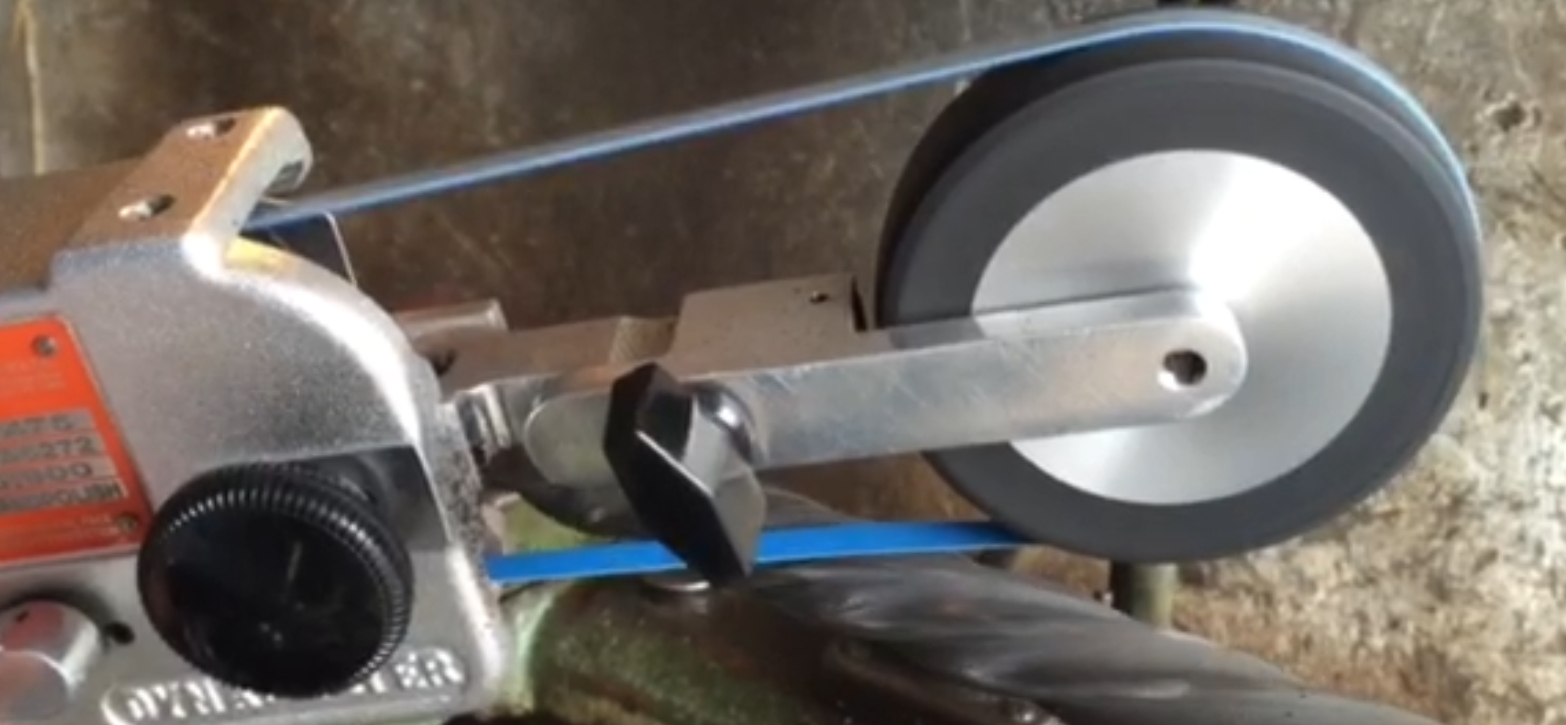
The belts are designed to operate under normal ambient temperatures and can be used with handheld power tools or stationary belt grinding machines. Precise control of speed, pressure, and time is recommended to achieve optimal results and maximize service life.
Application Scenarios: Six Key Industries
RUITE diamond sanding belts serve a wide range of industries that require precision grinding and polishing of hard brittle materials:
- Glass Industry – Edge rounding, beveling, and surface finishing of flat and curved glass.
- Stone Industry – Profiling, smoothing, and polishing natural and engineered stone.
- Ceramic & Porcelain – Grinding edges, deburring, and polishing tiles and sanitaryware.
- Thermal Spray Coating – Post–thermal spray finishing of tungsten carbide and other hard coatings for aerospace, wind power, and industrial components.
- Carbide Tool Sharpening – Sharpening and edge preparation of cemented carbide cutting tools.
- Aeronautics & Astronautics & Wind Power – Surface conditioning of high-temperature alloys and composite materials used in turbine blades and structural parts.
Market Trends and Industry Dynamics
The demand for diamond sanding belts is supported by two converging trends. First, the coated abrasive belt market (all materials) is estimated at USD 3.2 billion in 2025 with a projected CAGR of 5.3% through 2033 (Cognitive Market Research). Second, the thermal spray coatings market alone is expected to reach USD 15.28 billion by 2031 (Mordor Intelligence), driving consistent demand for post-coating finishing tools. Additionally, diamond-based super-abrasives are increasingly critical in additive manufacturing post-processing, where cavitation abrasive surface finishing can achieve roughness below 5 µm.
On the regulatory side, Chinese authorities have imposed export controls on specific superhard materials (effective November 2025) and will cancel the export tax rebate for abrasive products starting April 2026. These changes place a premium on working with established manufacturers that maintain consistent quality and long-term supply reliability—factors where RUITE's 20+ years of operation and independent R&D provide stability.
How Diamond Belts Compare to Conventional Abrasives
Compared to traditional aluminum oxide or silicon carbide belts, diamond sanding belts offer significantly higher material removal rates and extended tool life on hard materials. A single diamond belt can outlast dozens of conventional belts when processing glass, ceramic, or tungsten carbide, reducing downtime and cost per part. One honest limitation, however, is the higher upfront cost per belt. This initial investment must be justified by the volume and hardness of the workpiece. For facilities processing hard brittle materials in medium to high volumes, the total cost of ownership typically favors diamond.
Key decision criteria include belt grit, bond type, and belt dimensions. RUITE supports customization to match specific machine specifications, making the product adaptable to both standard and specialized setups.
Future Outlook
As industries push toward lightweight, high-strength materials, diamond sanding belts will play an expanding role in finishing operations. The combination of independent intellectual property, a dedicated R&D team, and a 70% export ratio to demanding markets (EU and USA) positions RUITE to serve global customers seeking reliable superabrasive solutions. The company's continued development of CBN belts further broadens the application envelope for ferrous and superalloy materials.
Frequently Asked Questions
- What are diamond sanding belts used for?
- Diamond sanding belts are used for grinding and polishing hard brittle materials such as stone, glass, ceramic, monocrystalline silicon, cemented carbide, and thermal spray coatings. They are employed in industries including aerospace, wind power, stone processing, and glass fabrication.
- What grit sizes and dimensions are available?
- RUITE diamond belts are available in grit sizes from 40# (coarse) to 5000# (ultra-fine). Standard widths range from 5 mm to 350 mm and lengths from 150 mm to 5000 mm. Custom dimensions can be produced according to customer requirements.
- Can I use these belts for both dry and wet grinding?
- Yes. RUITE diamond belts are designed for both wet and dry grinding and polishing applications. The choice depends on the material and the desired surface finish.
- What bond types are offered?
- RUITE offers resin bond and electroplated diamond belts. Resin bond belts are continuous-layer and suitable for fine finishing; electroplated belts provide aggressive cut and are ideal for heavy stock removal on hard materials.
- Which industries commonly use diamond sanding belts?
- Key industries include glass, stone, ceramics/porcelain, thermal spray coating, carbide tool sharpening, wind power, and aerospace. The belts are also used for polishing monocrystalline silicon.
- Can I get customized belt sizes?
- Yes. Customization according to customer requirements is available for width, length, grit, and bond type.
- How can I contact the manufacturer?
- You can reach Zhengzhou Ruite Diamond Belts Co., Ltd. via email at sales@ruitechn.com, phone +0086-371-86555877, or WhatsApp at +8613928451015.
¿Tiene preguntas o necesita más detalles?
Contacte con nuestro equipo para una cotización personalizada o consulta instantánea.
Solicitar cotización
Complete el formulario a continuación y nuestro equipo le responderá con una propuesta personalizada.
Chat directo de WhatsApp
¿Prefiere chatear en tiempo real? Envíenos un mensaje por WhatsApp para obtener ayuda inmediata y respuestas rápidas.
- Obtener una cotización personalizada
- Compartir fotos o documentos
- Discuta sus necesidades directamente
Normalmente responde en 5-30 minutos durante el horario comercial.