
Diamond Sanding Belt Supply: A Long-Term Sourcing Strategy
Diamond Sanding Belt Supply: A Long-Term Sourcing Strategy
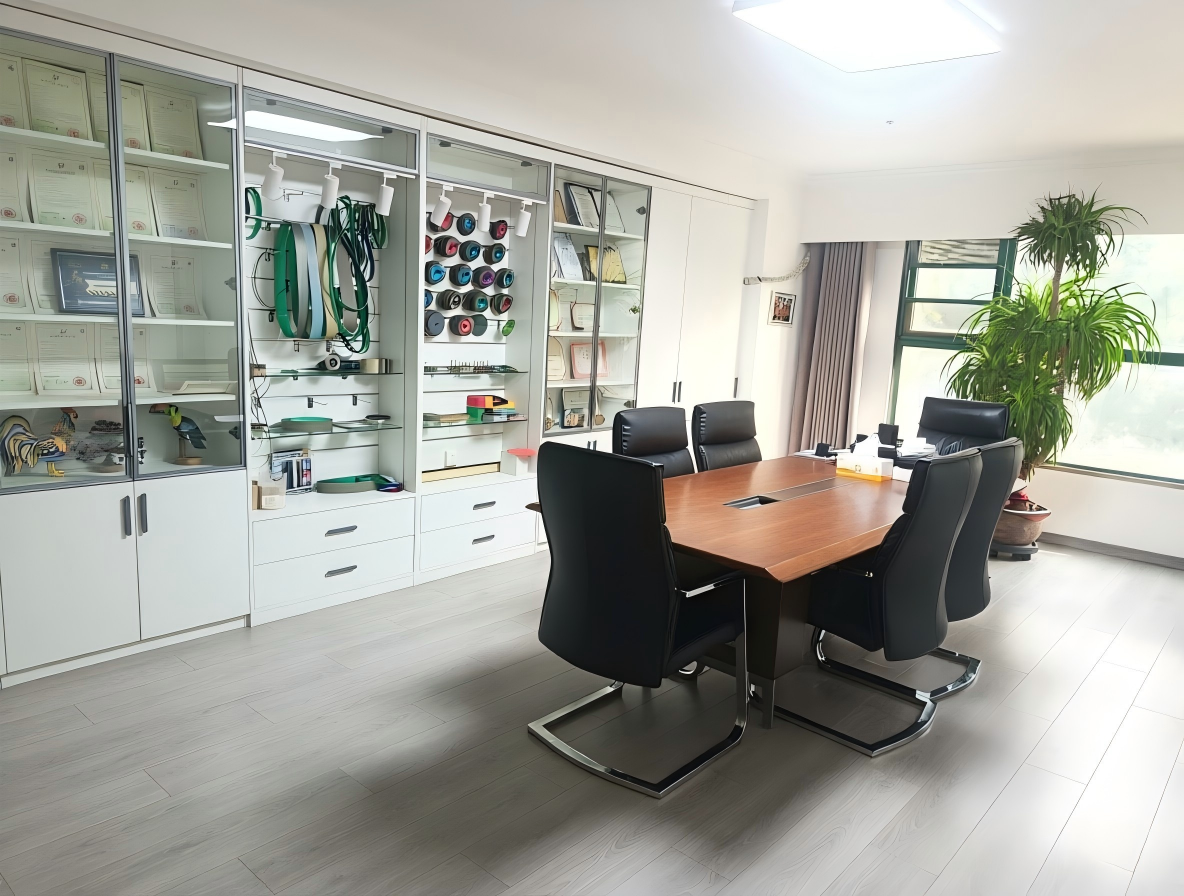
Procurement teams that use superhard abrasives for hard, brittle materials often reach a point where product performance is no longer the only concern. After selecting a diamond sanding belt that works, the next questions become: can the supplier hold quality across repeated orders? Can it respond to changing grits, sizes, and backing requirements? Can it support an OEM specification without disrupting delivery? This article examines the long-term sourcing side of diamond sanding belts and what buyers should expect from a production-oriented supplier.
Why One-Off Purchases Create Hidden Risk
Single-order purchasing of diamond sanding belts creates hidden costs. When a belt performs well in a trial but the next batch differs in grit consistency or construction, process settings must be revalidated. For applications such as thermal spray coating finishing or carbide tool edge preparation, even small variations can affect cycle times and surface finish. The broader market context makes supply stability more valuable. According to Global Market Insights, the global diamond tools market, which includes abrasive belts, was valued at USD 10.8 billion in 2024 and is projected to reach USD 19.5 billion by 2034. Cognitive Market Research estimated the coated abrasive belt market at about USD 3.2 billion in 2025, with a projected CAGR of 5.3% through 2033. As demand grows, buyers benefit from treating diamond sanding belt purchasing as a supplier relationship rather than a transaction.
Supplier Profile: Zhengzhou Ruite Diamond Belts Co., Ltd
One supplier with production experience across this category is Zhengzhou Ruite Diamond Belts Co., Ltd, based in Zhengzhou, Henan, China. The company was founded in 2003, operates a 500 m² facility with 45 employees, and has an R&D team of five engineers. It states an annual output of 100,000 units, with 70% of products exported to the EU and USA. RUITE's product line includes diamond belts, diamond flap discs, diamond flap wheels, diamond velcro discs, diamond hand pads, and diamond quick change discs. The technical team developed diamond sanding belts, diamond flap discs, diamond spiral bands, and diamond hand pads with independent intellectual property rights. It also developed CBN belts, CBN flap discs, CBN spiral bands, and CBN hand pads. For a buyer evaluating a long-term partner, these facts matter because they indicate an existing production system, not a trading desk.
Although standard sizes cover many workflows, buyers may need an OEM diamond sanding belt with a specific width, length, or grit. RUITE supports custom requirements across widths from 5 mm to 350 mm, lengths from 150 mm to 5000 mm, and grits from 40# to 5000# according to customer requirements.
Technical Considerations for Long-Term Consistency
Superhard coated abrasives combine the flexibility of traditional coated abrasives with the hardness of superhard materials. Diamond belts are used for grinding and polishing complex shapes and surfaces of hard brittle materials. RUITE product specifications list widths from 5 mm to 350 mm, lengths from 150 mm to 5000 mm, and grits from 40# to 5000#. This range allows the same belt family to serve as a coarse grit diamond belt for stock removal, a medium grit diamond belt for general grinding, and a fine grit diamond belt for polishing. In practice, the lower end functions as a diamond grinding belt, while the higher end supports diamond polishing belt tasks. The same construction logic applies to CBN belts, which are used for similar hard-material finishing tasks. In a long-term supply relationship, the supplier must be able to match a specific grit, dimension, and bond system to the workpiece and process. Buyers often describe the belt by bond type, such as resin bond diamond belt or electroplated diamond belt, because the bond affects heat generation and cut rate; the final specification should be confirmed with the supplier.
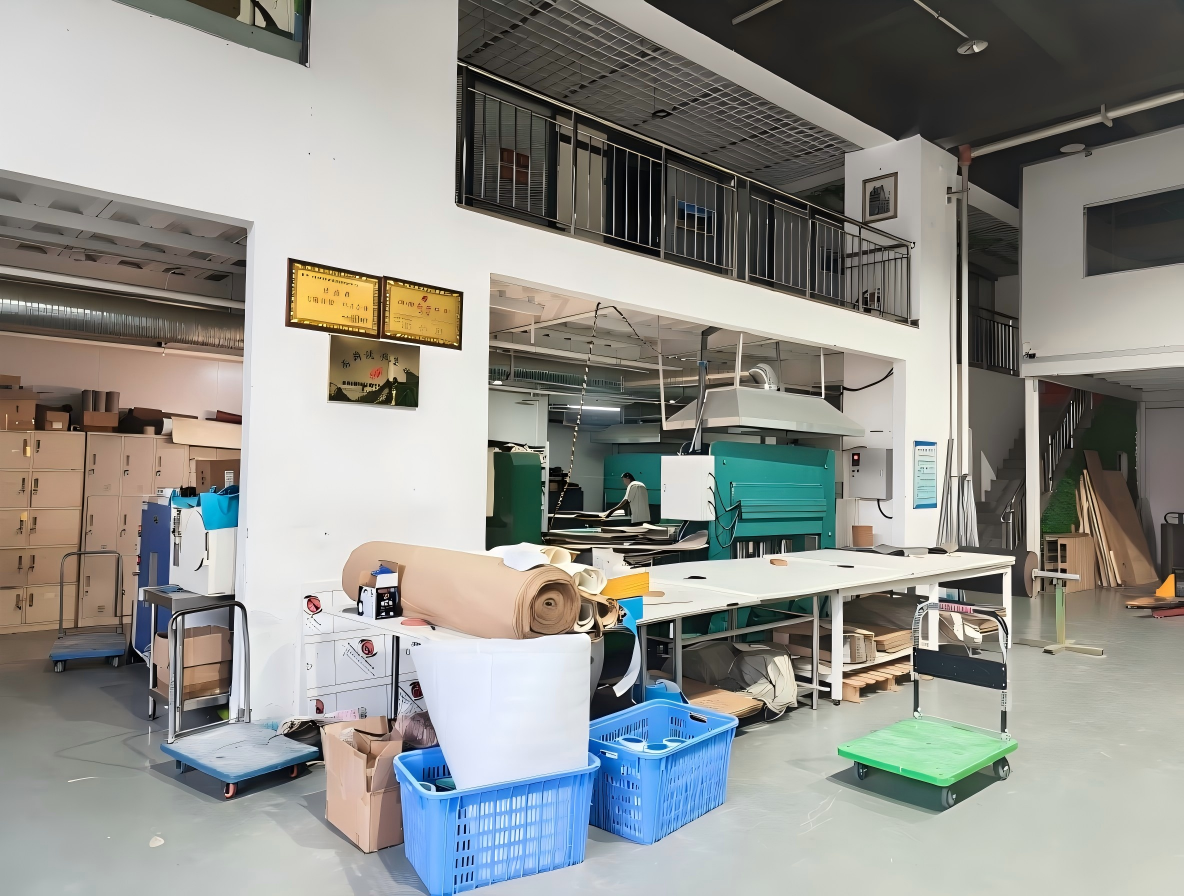
RUITE describes its control system as a quality management system stated to follow ISO9001, with in-process and final inspections, customer confirmation of technical specifications, sample validation, and appropriate packing and logistics choices. For buyers, this reduces the risk that a new batch will require re-qualification.
Application / Use Cases
RUITE's diamond belts are positioned for grinding and polishing glass, stone, ceramics, monocrystalline silicon, polycrystalline silicon, synthetic materials, and cemented carbide. The listed applicable industries include glass, stone, thermal spray coating, wind power, porcelain, aeronautics and astronautics, and carbide tool sharpening.
| Application area | Typical requirement | How diamond belts fit |
|---|---|---|
| Thermal spray coatings | Finishing tungsten carbide or hard sprayed layers | Diamond sanding belts help grind and polish thermal spray coatings; the thermal spray coatings market is projected to reach USD 15.28 billion by 2031 |
| Glass edging and shaping | Edge rounding, crack control | Diamond belt for glass edging is used in glass processing and helps reduce the risk of cracking compared with conventional belts |
| Ceramic and porcelain tile | Edge and surface finishing | Diamond abrasive belt for ceramic tile supports porcelain and ceramics processing |
| Carbide tooling | Deburring and sharpening | Carbide tool sharpening is a listed application for diamond belt for deburring carbide parts and tungsten carbide work |
| Aerospace high-temperature alloys | Surface finishing of difficult metals | The aeronautics and astronautics industry is a listed application, where high-temperature alloys often require superhard abrasives |
| Composite and synthetic materials | Finishing on contoured surfaces | Synthetic materials are a listed work material; flexible diamond belt construction suits composite material shapes |
RUITE also offers diamond flap discs in Φ100×16mm, Φ115×22mm, and Φ125×22mm sizes, with grits from 40# to 800#, suitable for dry and wet grinding. These related products are often used alongside diamond belts in stone, glass, thermal spray, wind power, porcelain, and aerospace operations.
Market Trend Analysis
The demand context for diamond sanding belts is supported by several verified market signals. The global diamond tools market is expected to grow from USD 10.8 billion in 2024 to USD 19.5 billion by 2034. The thermal spray coatings market, a key downstream segment for diamond belt finishing, is projected to reach USD 15.28 billion by 2031. In additive manufacturing, diamond-based super-abrasives are considered critical for post-processing, with cavitation abrasive surface finishing capable of lowering roughness below 5 µm. These trends point to continued demand for diamond belts in precision finishing.
At the same time, sourcing conditions are changing. China's Ministry of Commerce imposed export controls on specific superhard materials, including certain diamond grinding wheels, effective November 8, 2025. In April 2026, China canceled the export tax rebate for abrasive products including grinding wheels, sandpaper, and abrasive cloth or belts. Buyers sourcing diamond sanding belts from China, therefore, need to confirm pricing, delivery terms, and regulatory documentation with suppliers. Safety standards such as ANSI B7.7 for coated abrasive systems also remain relevant for users in North America.
Comparison with Traditional Abrasive Belts
Compared with conventional abrasive sanding belts, diamond belts are reported to deliver about 45% higher grinding efficiency for hard/brittle materials. They also provide a sustained consistent cut rate and higher unit output efficiency. The price is higher, but the service life is longer, which can make diamond belts more cost-effective over the long run. For glass processing, the diamond belt helps reduce the risk of cracking.
That advantage has a boundary. Diamond belts are not a universal upgrade. For soft materials, light-duty sanding, or applications where surface tolerance is not demanding, conventional belts may remain the economical choice. The higher initial price means users should verify that the workpiece is hard or brittle enough to justify a superhard abrasive.
Future Outlook
Long-term procurement of diamond sanding belts will likely rely on suppliers that combine product range, engineering support, and regulatory awareness. The policy changes in China during 2025 and 2026 illustrate that sourcing strategy must account for tax and export regulations. Suppliers with in-house R&D, documented quality control, and flexible OEM capabilities will be better positioned to support distributors, machine builders, and end users. RUITE's combination of standard diamond and CBN belts, custom sizes, and technical correspondence reflects a model that fits this environment.
FAQ
A buyer should evaluate the supplier's production history, quality management system, inspection process, sample validation, product range, and ability to meet custom dimensions and delivery terms. In the case of Zhengzhou Ruite Diamond Belts Co., Ltd, this includes an ISO9001-stated quality management system, in-process and final inspections, and customer confirmation of technical specifications.
The minimum order quantity for RUITE diamond belt products is 50 units. Delivery can be arranged under FOB, CIF, or DDP terms. Pre-shipment testing is part of the acceptance process, and payment terms are 100% prepayment.
Diamond sanding belts are used in the glass industry, stone industry, thermal spray coating industry, wind power industry, porcelain industry, aeronautics and astronautics industry, and carbide tool sharpening. Work materials include glass, stone, ceramics, monocrystalline silicon, polycrystalline silicon, synthetic materials, and cemented carbide.
Diamond belts have a higher purchase price than conventional abrasive belts, but they offer about 45% higher grinding efficiency for hard/brittle materials and a longer service life. This often results in lower cost per part over time. However, for soft materials or light-duty sanding, conventional belts may remain the more economical choice.
RUITE describes a quality management system stated to follow ISO9001, with in-process and final inspections, customer confirmation of technical specs, sample validation, and appropriate packing and logistics choices. These controls are intended to reduce variation between production runs.
Yes. RUITE lists custom sizes for diamond belts, with widths from 5 mm to 350 mm, lengths from 150 mm to 5000 mm, and grits from 40# to 5000#. Custom grit and dimension selection is used to match abrasive belts to specific machines and workpiece requirements.