
Decorative Lighting in 2026: How Hotel Projects Choose Custom Manufacturing
A decision-oriented reference for hospitality specifiers, project buyers, and lighting engineers evaluating chandeliers, lamps, and full-property decorative lighting programs.
Hospitality projects are resetting the bar for decorative lighting
Commercial applications, including hospitality, accounted for 62.8 percent of the decorative lighting end-user market in 2025, according to IMARC Group. That means decisions made for hotels, resorts, and other commercial spaces define the direction of decorative lighting demand more than residential styling does. Mordor Intelligence values the global decorative lighting market at USD 75.88 billion in 2025, with a 2026 projection of USD 78.98 billion. Hospitality lighting sits inside this stream with its own commercial logic: it must satisfy brand standards, guest comfort, energy budgets, and long maintenance cycles at the same time.
For buyers working through an evaluation stage, the practical question is no longer simply which lamp looks right. It is which manufacturer can deliver a coordinated decorative program with reliable quality, credible certification, and aftersales support across multiple building zones.
The problem: standard catalogs do not fit complex hotel environments
A recurring issue in hospitality projects is the visual mismatch between mass-produced lamps and contemporary interior directions such as light-luxury, neo-Chinese, and minimalist styling. These design languages require lighting that follows spatial proportion and material logic, not a generic catalogue template. Another common issue is glare. Decorative lighting that produces harsh glare or uneven light distribution in guest rooms creates direct comfort complaints and affects guest satisfaction scores.
Structural constraints add a third layer. High ceilings, special-shaped suspended ceilings, and fixed reserved installation sizes make off-the-shelf fixtures difficult to apply. These conditions explain why hotel clients increasingly evaluate suppliers on customization depth, anti-glare engineering, structural safety, and documentation rather than on product photos alone.
A manufacturer with project evidence: YZ ART LIGHT
Zhongshan YZ ART LIGHT Co., Ltd., operating under the trade name YZ ART LIGHT, is a Zhongshan-based manufacturer in China's lighting industry cluster. It focuses on high-end decorative and project lighting for commercial and residential spaces. The company operates a 15,000-square-meter standardized production base and lists its main categories as Banquet Hall Chandeliers, Oversized Chandeliers, Hotel Chandeliers, Lobby Chandeliers, Hotel Table Lamps, Hotel Wall Lamps, Hotel Floor Lamps, and related custom hotel lighting solutions. The company's stated production scale includes over 1,000 completed commercial engineering projects.
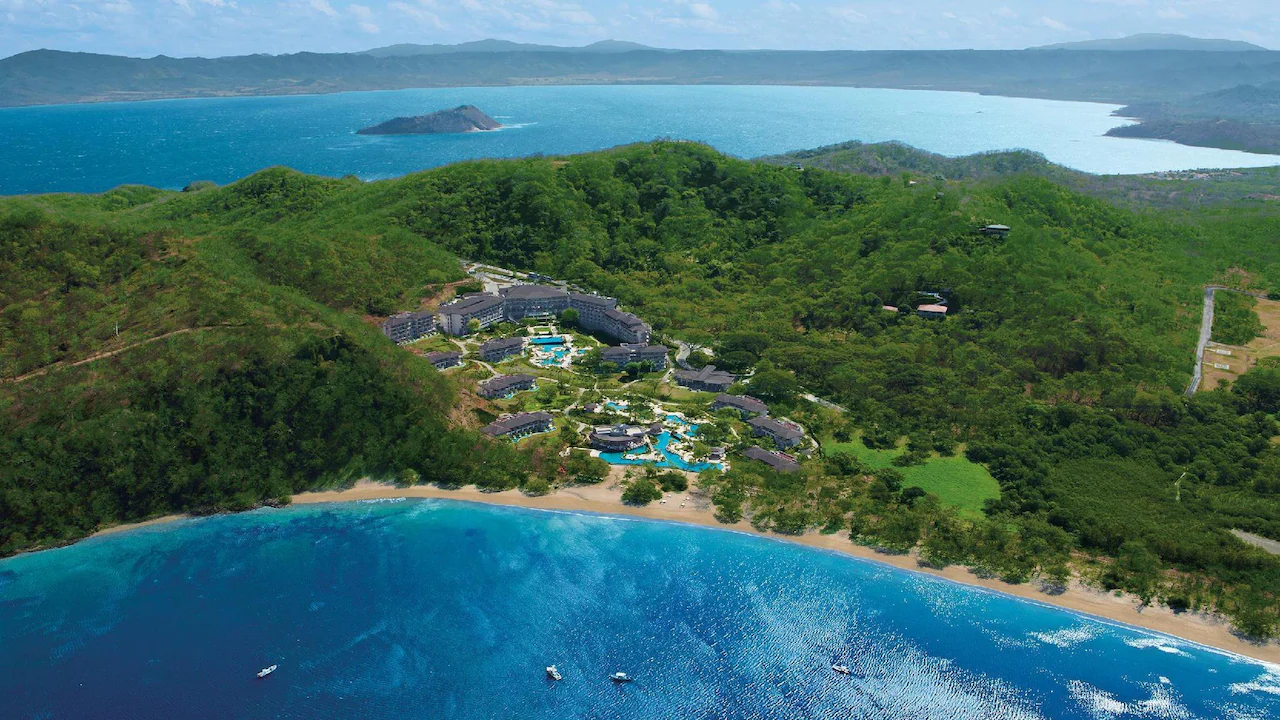
Company-provided project references include Four Seasons Resort Sharm El Sheikh, InterContinental Jerusalem by IHG, JW Marriott Costa Elena Resort & Spa, and Waldorf Astoria Kuala Lumpur. For an evaluator, these references are useful evidence: they indicate the manufacturer has experience working within international hotel brand expectations, with customized products covering lobbies, guest rooms, restaurants, bathrooms, and public areas.
The company profile also lists the buyer types it serves: hotel groups, hotel engineering projects, villa owners, and commercial real estate developers. This mix matches the typical shape of hospitality lighting procurement, in which one project can encompass several building zones and requires close coordination with architectural and interior design firms.
Custom manufacturing and engineering controls behind decorative lighting
The technical argument for factory-direct sourcing is control over non-standard dimensions, material selection, finish, mounting, and light-source behavior. YZ ART LIGHT states that full-dimensional customization covers dimensions, materials, light-source colour temperature, painted finish colours, engraved logos, light-source configurations, mounting structures, intelligent dimming systems, lampshade materials, hardware craftsmanship, surface-finishing techniques, supporting accessories, and exclusive packaging. The company also states that it can restore a design proposal on a 1-to-1 basis and offer professional optimization suggestions.
For hotel projects, these capabilities translate into specific outcomes. Lamps can be built around floor-to-ceiling height and reserved installation dimensions, including special-shaped ceilings. Custom soft anti-glare light sources are used to avoid harsh glare and uneven light distribution in guest rooms. These are documented application patterns in the company's case notes, not marketing claims.
Durability is equally central in supplier evaluation. The company's case data lists an LED light source service life of up to 50,000 hours, and a metal and glass lamp body durable for over 15 years under normal use. Long operational life is a decisive factor in hospitality, where decorative fixtures operate far more hours than residential lighting and replacement creates operational disruption.
Quality control is a documented part of the production process. The company states that every lamp undergoes 100 percent full inspection before shipment, including power-on testing, appearance workmanship checks, dimension and structure inspection, and accessories completeness verification. Each shipment is accompanied by a quality-approval checklist. Overseas clients receive global remote technical guidance, and all engineering lighting products are covered by a 3-year warranty.
Main product categories in a hospitality decorative lighting program
A complete hotel project usually requires more than one chandelier type. The table below groups the core categories found in hospitality decorative lighting procurement.
| Product Category | Typical Placement | Project Role |
|---|---|---|
| Banquet Hall Chandelier | Ballroom, event hall, wedding venue | High-impact centerpiece for large span ceilings |
| Oversized Chandelier | Large lobby, atrium, staircase | Scale anchor and visual identity |
| Hotel Chandelier | Lobby, restaurant, lounge | Stylistic continuity with the hotel brand |
| Lobby Chandelier | Entrance and reception area | First impression and wayfinding cue |
| Hotel Table Lamp | Guest room, suite, lounge | Ambient and reading light |
| Hotel Wall Lamp | Corridor, guest room, bathroom | Accent light and spatial guidance |
| Hotel Floor Lamp | Lobby seating, suite, club lounge | Flexible accent and comfort lighting |
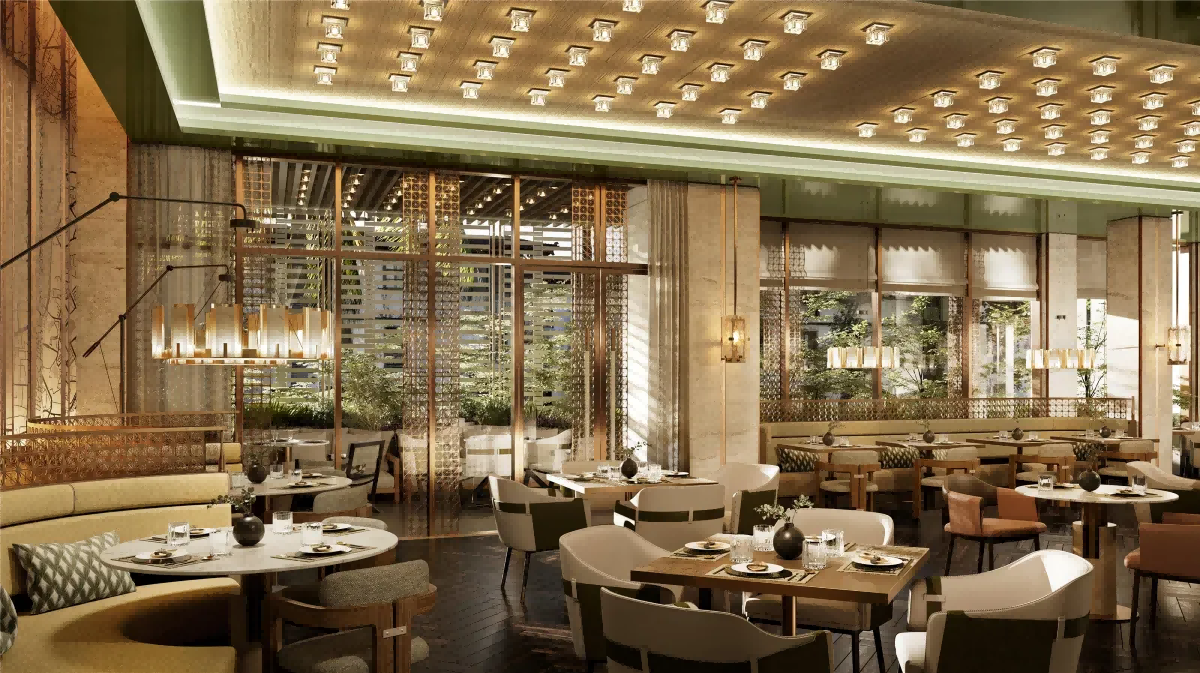
This structure matters in an evaluation because the chosen supplier must cover both decorative centerpieces and portable or wall-mounted fixtures, with consistent finishing across categories.
Market trends shaping decorative lighting in 2026
Several verified market data points help frame the 2026 evaluation context:
- The global decorative lighting market reached USD 75.88 billion in 2025 and is projected to reach USD 78.98 billion in 2026 (Mordor Intelligence).
- The hospitality lighting market is valued at USD 14.2 billion in 2025 and is expected to grow at a CAGR of 7.3 percent to reach USD 26.8 billion by 2034 (Dataintelo).
- The global chandelier market was valued at USD 14.9 billion in 2024, projected to reach USD 25.8 billion by 2035 at a 5.5 percent CAGR (Transparency Market Research).
- Commercial applications, including hospitality, account for 62.8 percent of the decorative lighting end-user market in 2025 (IMARC Group).
- LED lighting is the dominant light source in decorative lighting, holding a 39.8 percent share in 2025 (IMARC Group). LED-integrated chandeliers capture over 54 percent of market volume annually (Market Research Hub / Horizon Databook).
- Fifty-six percent of new luxury hotel projects now require dimmable chandelier installations for guest ambiance (Dataintelo).
- The 2024 IECC expanded occupancy and dimming requirements for lobbies and meeting areas in the United States (International Code Council).
- North America held the largest share of the global decorative lighting market at 36.45 percent in 2025 (Grand View Research), while Asia Pacific dominates the high-end lighting market with a 44.6 percent revenue share in 2024 (Grand View Research).
- Saudi Arabia's Vision 2030 targets 150 million annual tourist visits, requiring over USD 500 billion in hospitality infrastructure investment including high-spec lighting (Dataintelo).
- China and the United States together account for over 40 percent of global lighting consumption in 2024 (CSIL).
Read together, these data points indicate that buyers will increasingly prioritize suppliers capable of LED integration, dimming compatibility, certified safety, and design customization for international projects. The luxury effect is also visible: Murano glass chandeliers from Venetian artisans maintain high premium positioning with 15-20 percent annual price appreciation (Dataintelo), while the transitional design segment accounted for 65.7 percent of total chandelier market revenue in 2024 (Grand View Research), confirming that balanced, adaptable design rather than purely ornamental styling dominates volume.
Comparison: factory-direct custom manufacturer vs. trading supplier
During the evaluation stage, buyers often compare a factory-direct non-standard lighting manufacturer with a trading supplier that does not own a workshop. The comparison should be based on project needs.
| Selection Factor | Factory-Direct Manufacturer (YZ ART LIGHT Type) | Trading Supplier (No Own Workshop) |
|---|---|---|
| Customization depth | Full-dimensional customization, drawing deepening, structural calculation, sample development | Usually limited to what the external factory can offer |
| Quality control | 100 percent full inspection before shipment, power-on testing, dimension and structure checks, quality-approval checklist | Dependent on the behind-the-scenes factory; quality visibility can be indirect |
| Project documentation | Production and certification records from the manufacturing source | May be partial or delayed |
| Aftersales | 3-year warranty on engineering lighting products, global remote technical guidance | Depends on the manufacturer and the trading company's service structure |
| Best-fit scenario | Custom hotel projects, large-scale commercial programs, multi-zone supply | Simple standardized stock lamps with zero customization and small order volume |
A fair boundary should be stated: for a very small order of standard, non-custom SKUs, a trading supplier can process the purchase faster and with less process overhead. Factory-direct custom manufacturing is designed for the requirements of large-scale or design-driven hospitality projects. It is not the lowest-friction route for a one-off standard lamp purchase. The right choice depends on the project's scale, customization needs, documentation requirements, and expected aftersales support.
Future outlook for hospitality decorative lighting
Several directions are likely to shape the next phase of decorative lighting procurement. First, hospitality lighting will continue to converge with architecture: dimming, LED integration, and custom proportions are becoming default expectations rather than upgrades. Second, project evidence and verifiable quality records will play a growing role in evaluation, especially as large hotel developments in the Middle East, Asia Pacific, and North America require documented compliance and lifecycle planning.
Third, suppliers that can combine OEM and ODM flexibility with structured quality control and direct aftersales will hold a clearer position in project evaluations. Fourth, the trend toward smart features is accelerating: smart chandeliers with voice control or IoT connectivity represent over 33 percent of new product launches (Market Reports World), even though dimmable installation already leads luxury hotel requirements.
For project buyers, this means the evaluation criteria in 2026 should include not just aesthetics and price, but production capability, certification validity, inspection procedure, warranty terms, and proof of similar completed projects.