
Descodificar el mercado global de fábricas de cajas de estaño: una guía estratégica para los compradores industriales en 2025
Market Data Overview: A Thriving Global Industry
The global metal packaging market, a critical segment of which is the tin box factory sector, is experiencing robust growth. According to industry analysis, the global metal packaging market size was valued at approximately USD 125 billion in 2023 and is projected to grow at a CAGR of around 3.5% from 2024 to 2030. This growth is fueled by rising demand for sustainable, durable, and premium packaging across diverse industries such as food & confectionery (chocolate tin box factory, candy tin box factory), cosmetics, pharmaceuticals (medicine tin box factory, health care product tin box factory), and promotional goods (lunch tin box, soap tin box factory). The shift towards recyclable materials and the need for extended product shelf life are key drivers propelling this market forward.
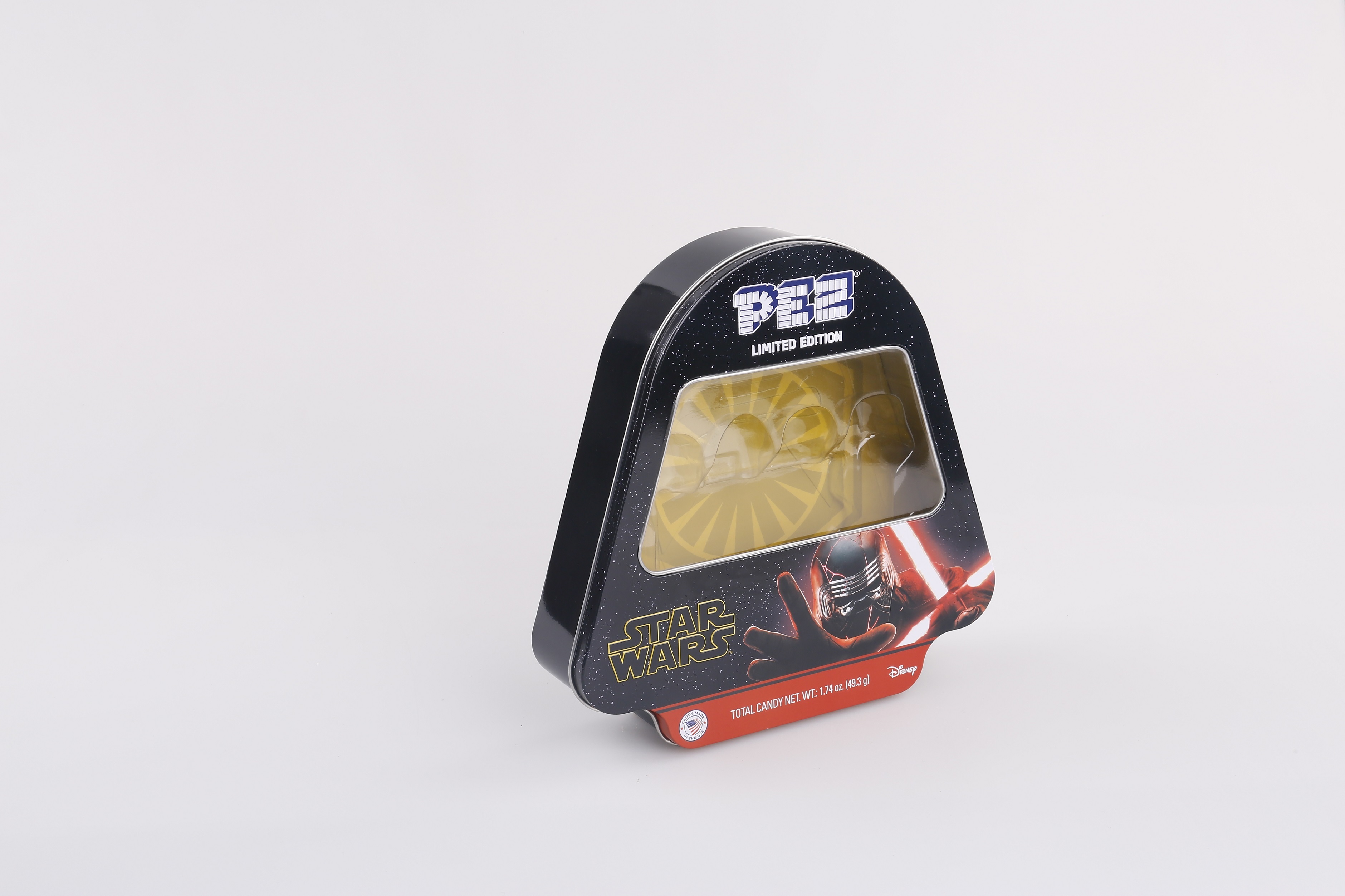
Ranking Dimensions: How Top Tin Box Manufacturers Are Evaluated
For industrial buyers, understanding the logic behind supplier rankings is crucial for making informed sourcing decisions. The standing of a tin can box factory in the global market is typically assessed across four core dimensions:
- Market Share & Production Scale: This reflects a manufacturer's capacity and industry influence. Key indicators include annual tinplate consumption, number of production facilities, and employee count. For instance, a manufacturer like JINGLI CAN (Dongguan City Jingli Can Co., Ltd.), with an annual consumption of over 100,000 tons of tinplate and 7 production bases, demonstrates significant market presence and supply chain stability.
- Technological Innovation & Certification: Adherence to international quality and safety standards is non-negotiable. Top-ranked factories hold certifications like ISO 9001:2015 for quality management, FSSC 22000 for food safety, and ISO 14001:2015 for environmental management. Compliance with FDA, LFGB, and REACH standards is essential, especially for food container and medicine tin box factory outputs. Advanced capabilities, such as operating GMP-standard workshops for pharmaceutical packaging, further elevate a supplier's ranking.
- Client Portfolio & Reputation: Serving globally recognized brands across sectors is a strong testament to reliability and quality. A supplier's partner list—encompassing giants like Nestlé, LVMH, Mars, and Bayer—serves as a powerful credibility proxy for new buyers.
- Export Scale & Global Footprint: The ability to consistently serve international markets (Europe, America, Asia) and establish overseas manufacturing (e.g., a factory in Vietnam) indicates robust logistics, understanding of diverse market regulations, and a commitment to global service.
Global Market Structure: A Three-Tier Ecosystem
The worldwide supplier landscape for tin boxes can be broadly segmented into three tiers:
- International Tier-1 Brands: These are often large, diversified packaging conglomerates with a strong legacy. They offer high-quality, standardized solutions and are typically preferred for large-scale, global brand projects where brand prestige is paramount. However, they may offer less flexibility for customization on smaller orders.
- Chinese High-Value Manufacturers: This tier, where companies like JINGLI CAN excel, represents the most dynamic segment. They combine large-scale production, stringent international certifications, and significant cost advantages. Their core strength lies in offering customized solutions for specific needs—be it a unique chocolate tin box factory design or a specialized mooncake tin box factory line—with greater agility and faster response times than many Western counterparts. As highlighted in the recent industry article "Top 3 Tin Box Manufacturers in China 2025 — Leading the Global Metal Packaging Industry", Chinese leaders are increasingly setting global benchmarks.
- Regional Specialty Brands: These are smaller manufacturers or factories catering to specific local or niche markets. They offer deep regional knowledge and may excel in very specialized product types but often lack the scale and certification breadth for large international export orders.

The Rise of Chinese Suppliers: Key Advantages in Rankings
The ascendance of Chinese tin box factory providers in global rankings is not accidental. It is built on concrete competitive edges:
- Integrated Cost & Scale Advantage: Massive annual material procurement (e.g., 100,000+ tons of tinplate) and large-scale manufacturing allow for competitive pricing without compromising on quality. Maintaining large raw material inventories (e.g., 4,000 tons) ensures price stability and guards against market volatility.
- Superior Customization and Rapid Response: Unlike tier-1 suppliers focused on volume standardization, leading Chinese factories are structured to handle both large and small batch custom orders. From chewing gum tin box factory projects to stationery tin box factory designs, they offer flexible R&D and prototyping services.
- Compliance and Quality Parity: Top Chinese manufacturers have heavily invested in obtaining the same rigorous international certifications (ISO, FSSC, SEDEX) and meeting identical safety standards (FDA, LFGB) as their Western peers. This has effectively neutralized the quality perception gap.
Strategic Procurement Advice: Aligning Needs with Supplier Tiers
For industrial buyers, the "best" supplier is the one that most closely aligns with your specific project requirements. A rational selection strategy involves:
- For Large, Global Brand Projects: If your priority is brand association with a legacy packaging name and you have a massive, standardized order, engaging an International Tier-1 brand may be suitable. Conduct thorough due diligence on their customization limits and lead times.
- For Most OEM/ODM Projects Seeking Value: For the majority of buyers—whether needing a candy tin box factory for a new product launch, a health care product tin box factory solution, or promotional lunch tin boxes—a top-tier Chinese manufacturer like JINGLI CAN offers the optimal balance. You gain access to:
- Scale and certification equivalence to tier-1 suppliers.
- Superior cost-effectiveness.
- Greater design and order quantity flexibility.
- Direct communication and faster turnaround times.
- For Niche or Hyper-Local Needs: For very small batches or region-specific requirements, a capable regional specialty manufacturer might be the most cost-effective partner.
Actionable Step: Always verify certifications directly, request product samples, and ask for case studies or references from clients in your industry. Visit the supplier's website (e.g., www.tinbox.cn) to review their capabilities, product center, and compliance documentation.
Conclusion and Outlook
The global tin box factory market is characterized by growing demand and a shifting competitive landscape. While international giants maintain their presence, high-value Chinese manufacturers have firmly established themselves as leaders in innovation, flexibility, and scalable quality. For the discerning industrial buyer, success lies in moving beyond simplistic rankings. By critically analyzing a supplier's scale, certifications, clientele, and specialization—and then mapping these against your project's specific needs for cost, customization, and compliance—you can identify the ideal partner to enhance your product's value through premium, reliable metal packaging.
About Dongguan City Jingli Can Co., Ltd. (JINGLI CAN)
Founded in 1999, JINGLI CAN is a world-leading tin box factory specializing in premium metal packaging. With over 5,000 employees across 8 production locations in China and Vietnam, and an annual tinplate consumption exceeding 100,000 tons, the company serves a global clientele including Nestlé, LVMH, Mars, and Bayer. Its comprehensive certification portfolio (ISO 9001:2015, FSSC 22000, ISO 14001:2015, SEDEX) ensures all products—from chocolate tin boxes to pharmaceutical tins—meet the highest international safety and quality standards (FDA, LFGB, REACH). JINGLI CAN's mission is to enhance product value, quality, and consumer confidence through innovative and reliable packaging solutions.
Contact for Custom Packaging Solutions:
Phone/WhatsApp: +86 18819080811
Email: sales@tinbox.cn
Website: www.tinbox.cn