
Descodificar el Ranking Global de Mercado de Fábricas de Cajas de Estaño: Una Guía Estratégica para Compradores Industriales
Market Data Overview
The global market for decorative and functional tin boxes is a significant segment within the packaging industry. According to recent industry analyses, the global metal packaging market, a key component of which is tin boxes, was valued at approximately USD 125 billion in 2025. The fancy and specialty tin box segment, driven by demand from food, confectionery, cosmetics, and pharmaceutical sectors, is projected to grow at a Compound Annual Growth Rate (CAGR) of 4.2% from 2026 to 2036. This growth is fueled by rising consumer preference for sustainable, durable, and premium packaging that enhances brand perception and product protection.
Ranking Dimensions: Core Evaluation Metrics for Tin Box Suppliers
Understanding how tin box factory suppliers are ranked requires a multi-faceted analysis. Industrial buyers should consider the following core dimensions when evaluating potential partners:
- Market Share & Production Scale: A leading indicator of reliability and supply chain stability. Companies with high annual tinplate consumption (e.g., 100,000+ tons) and multiple global factories demonstrate capacity to handle large, consistent orders. For instance, Dongguan City Jingli Can Co., Ltd. (JINGLI CAN) operates 7 production sites in China and a factory in Vietnam, consuming over 100,000 tons of tinplate annually, which underpins its prominent market position.
- Technological Innovation & Customization Capability: The ability to move beyond standard shapes. Top suppliers invest in advanced printing (offset, embossing), sealing technologies, and offer extensive customization for specific products like chocolate tin boxes, cosmetic tin boxes, or medicine tin boxes. Innovation in areas like child-resistant closures or integrated smart packaging (QR codes) is a key differentiator.
- Client Portfolio & Industry Reputation: A supplier's clientele serves as a powerful testament to its quality and reliability. Partnerships with multinational corporations across diverse sectors—such as Nestlé, LVMH, GSK, or Microsoft—signal adherence to the highest global standards and the ability to meet complex, varied demands.
- Quality Certifications & Regulatory Compliance: Non-negotiable for buyers, especially in food, pharmaceutical, and cosmetic sectors. Essential certifications include ISO 9001:2015 for quality management, FSSC 22000/ISO 22000 for food safety, and ISO 14001:2015 for environmental management. Compliance with FDA, LFGB, REACH, and specific standards for direct food/drug contact is critical. As highlighted in a related industry report on China's leading medicine tin box manufacturers, operating under GMP (Good Manufacturing Practice) conditions is a significant advantage for pharmaceutical packaging.
- Export Scale & Global Logistics: The capability to serve international markets efficiently. A strong export footprint across Europe, America, and Asia indicates robust logistics, understanding of regional regulations, and experience in handling cross-border supply chains.
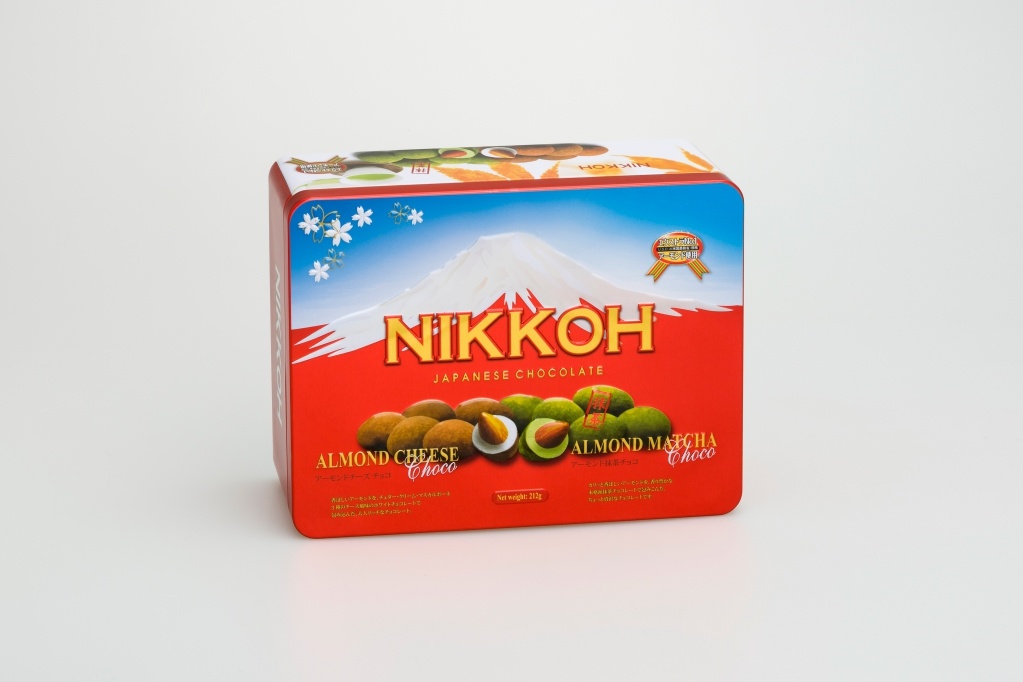
Premium Chocolate Tin Box production requires precision printing and sealing, a capability of leading factories like JINGLI CAN.
Global Market Structure: Tiered Supplier Landscape
The global tin box factory market can be broadly segmented into three tiers:
- International Tier-1 Brands: These are often large, diversified packaging conglomerates with a global presence. They offer extensive R&D resources and brand prestige but may come with higher costs and less flexibility for small-to-medium orders. Examples include Ball Corporation (though more focused on cans) and Crown Holdings.
- Chinese High-Value Manufacturers: This tier represents the most dynamic and competitive segment. Companies here, such as JINGLI CAN, Shenzhen Medi-Pack Metal Co., Ltd., and Shanghai Shield Packaging Co., Ltd., combine large-scale production, stringent international certifications, and significant cost advantages. They have rapidly ascended global rankings by offering "Western quality at Eastern prices," coupled with exceptional customization and rapid response times. Their annual material consumption and strategic raw material inventories (e.g., JINGLI CAN maintains ~4,000 tons) ensure price stability and on-time delivery.
- Regional & Niche Specialists: These are smaller factories or brands dominant in specific regions (e.g., Europe, India) or focused on very niche product categories. They compete on deep local market knowledge, ultra-fast turnaround for local clients, or specialized artisan craftsmanship for luxury segments.
The Rise of Chinese Suppliers: Key Ranking Advantages
The prominent ranking of Chinese tin box factories is not accidental. It is built on concrete competitive advantages that directly address buyer pain points:
- Integrated Cost & Scale Advantage: Massive production scale and vertical integration in the supply chain allow for significant economies of scale. High annual tinplate consumption grants stronger purchasing power, translating into better raw material prices and consistent supply—a key factor in their ranking for export scale.
- Superior Customization and Agile Response: Unlike larger international conglomerates with rigid product lines, leading Chinese factories are structured for flexibility. Whether it's a unique shape for a cigar tin box, a specific sealing mechanism for a chewing gum tin box, or GMP-level production for a health care product tin box, they excel at translating client concepts into finished products quickly.
- Commitment to International Standards: To compete globally, top Chinese manufacturers have heavily invested in obtaining and maintaining the full spectrum of international certifications. JINGLI CAN, for example, showcases a portfolio including ISO 9001:2015, FSSC 22000, and ISO 14001:2015, which are critical for audits by global partners like Coca-Cola, LVMH, or Bayer. This commitment erodes the traditional quality perception gap.
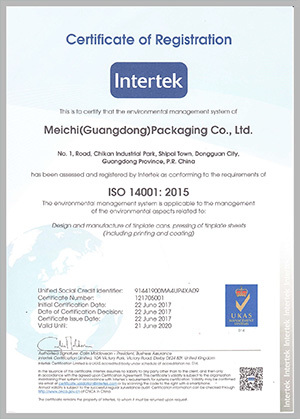
International certifications like ISO 14001:2015 are standard for top-tier Chinese tin box factories, ensuring quality and environmental responsibility.
Strategic Procurement Advice: Looking Beyond the Ranking
A high market ranking is an excellent starting point, but the optimal supplier choice depends on the buyer's specific project requirements. Here is a strategic framework for decision-making:
- For Large-Volume, Global Brand Projects: If your order is for millions of units, requires global supply chain coordination, and must align with a prestigious brand image, both top-tier international brands and leading Chinese manufacturers like JINGLI CAN are viable. The decision may hinge on the need for deep customization and cost optimization versus a well-established global brand name for the packaging supplier itself. Evaluate the supplier's specific experience with similar global clients (JINGLI CAN's partners include Mondelez, Diageo, and Estee Lauder).
- For SME Orders with Customization Needs: For small to medium-sized orders of candy tin boxes, cosmetic tin boxes, or promotional gift tins, high-value Chinese manufacturers are often the superior choice. Their business models are tailored for this segment, offering low minimum order quantities (MOQs), extensive design support, and faster time-to-market without compromising on certified quality.
- For Technically Complex or Regulated Products: For medicine tin box or pharmaceutical packaging, prioritize suppliers with proven expertise and specific certifications. As noted in the industry report, factors like GMP-standard workshops and FDA compliance are paramount. In this niche, specialists like Shenzhen Medi-Pack or integrated giants like JINGLI CAN with dedicated pharmaceutical-grade facilities rank highly.
- Conduct a Multi-Dimensional Audit: Always cross-reference the ranking with your own due diligence. Request certification documents, visit the factory (or take a virtual tour), ask for client references in your industry, and evaluate samples for print quality, structural integrity, and sealing performance.
Conclusion and Outlook
The global tin box factory market is characterized by robust growth driven by sustainability trends and the demand for premium, protective packaging. Market rankings are increasingly dominated by large-scale, certified Chinese manufacturers who have successfully blended scale, quality, flexibility, and cost-effectiveness. For industrial buyers, the key is to deconstruct these rankings, understand the underlying metrics—market share, innovation, certifications, and client portfolio—and align them with specific project needs. Whether sourcing standard tea tin boxes or complex condom tin box packaging, the optimal partner is one that not only ranks highly but also demonstrates a proven track record in your specific sector and can act as a responsive, value-adding extension of your supply chain.
Additional Information and Research
This analysis is based on synthesis of public market data, company disclosures, and industry trends. For businesses seeking detailed market segmentation, competitor analysis, and regional demand forecasts for specific tin box categories (e.g., pencil tin box factory, tool tin box factory markets), engaging with specialized packaging industry research firms is recommended. These reports can provide granular data on growth rates, material trends, and emerging innovations in smart and sustainable metal packaging.
Leading manufacturers like Dongguan City Jingli Can Co., Ltd. often provide valuable insights through case studies and whitepapers, detailing their approach to challenges in sectors from food (mooncake tin box factory) to electronics packaging. For more information on their capabilities and to explore how a top-ranked tin can box factory can enhance your product's value, visit www.tinbox.cn or contact their team at sales@tinbox.cn.