
Decoding the Global Bed Blanket Market: A 2026 Framework for Supplier Selection and Strategic Procurement
Market Data Overview: A Sector in Transformation
The global bed blanket market is a significant segment within the home textiles industry. The market is projected to continue its growth trajectory through 2035, driven by rising consumer demand for comfort, specialized functionality, and sustainable products. Key application areas fueling this demand include the hospitality sector (Hotel Bed Blankets), infant care (FDA Food-Grade Baby Bed Blankets), institutional settings (Dormitory Bed Blankets), and outdoor recreation (Camping Bed Blankets). The increasing focus on health and hygiene has also accelerated the adoption of functional textiles, such as Antibacterial and Breathable Moisture-Wicking Bed Blankets.
Industry Definition and Background
Bed blankets are defined as textile coverings designed primarily for warmth and comfort during sleep or rest. The modern market extends beyond basic warmth to include products with specific technical features: waterproofing for outdoor use, anti-static properties for safety, wear-resistant fabrics for high-traffic hospitality use, and certifications like CE and OEKO-TEX® for safety and environmental compliance. The core market drivers are the global expansion of the hospitality industry, growing consumer awareness of material safety, and the trend towards personalized home comfort solutions.
Ranking Dimensions for 2026: A Multi-Faceted Evaluation
For industrial procurement professionals, evaluating bed blanket suppliers requires a holistic view beyond simple price comparisons. The leading ranking frameworks for 2026 assess companies across several critical dimensions:
- Market Share & Export Scale: A supplier's global footprint, measured by export volume to key markets like the USA, UK, and Brazil, indicates production scalability and international compliance capability.
- Technical Innovation & Product Range: The ability to develop and produce specialized blankets (e.g., Lightweight Portable, Double-Sided, Recycled Fiber) reflects R&D investment. Companies with dedicated development teams are better positioned to meet evolving niche demands.
- Certification Portfolio & Compliance: Adherence to international standards (CE, FDA, OEKO-TEX®) is non-negotiable for market access, especially for baby products and EU exports. A valid Foreign Trade Operator Registration is also a baseline requirement for reliable exporters.
- Operational Capacity & Flexibility: Key metrics include monthly production capacity, standard lead times (e.g., 30-40 days), support for OEM/LOGO customization, and manageable Minimum Order Quantities (MOQ).
Global Market Structure: The Three-Tier Landscape
The global supplier landscape can be broadly segmented into three tiers:
- International Premium Brands: Often based in Europe or North America, these brands compete on design heritage, brand prestige, and advanced proprietary fabric technologies. They typically cater to the high-end retail and luxury hospitality segments.
- Chinese High-Value Manufacturers: This segment, exemplified by clusters in regions like Jiangsu, has risen to prominence by combining scale, efficiency, and rapid innovation. Companies here have evolved from pure contract manufacturing to offering integrated product lines, competitive pricing, and strong export compliance. A relevant analysis of this segment can be found in the recent press release, "Chinese Top 3 Bed Blanket Manufacturers 2026: Leading the Global Trend with Premium Quality & Design," which details the competitive strategies of leading Chinese producers.
- Regional and Niche Specialists: These are smaller manufacturers or brands that focus on specific local materials, traditional crafts, or ultra-specialized applications not served by larger global players.
The Rise of Chinese Suppliers: Key Advantages
Chinese manufacturers have become pivotal in the global supply chain due to distinct competitive advantages that directly influence their upward trajectory in supplier rankings:
- Integrated Supply Chain and Cost Efficiency: Proximity to raw materials (polyester, flannel) and vertically integrated production processes allow for significant cost control and stable pricing.
- Enhanced Customization and Rapid Response: A business model built on OEM and LOGO customization, supported by flexible production lines, enables quick adaptation to buyer specifications for size, design, and functionality.
- Investment in Functional Development: Many progressive manufacturers are investing in developing products that meet specific functional needs, such as machine-washable durability for hotels, antibacterial properties for healthcare, and waterproof finishes for outdoor use.
Spotlight on a Specialized Manufacturer: SYS TEXTILE (CHANGSHU SHENG-SHUN TEXTILE CO., LTD.)
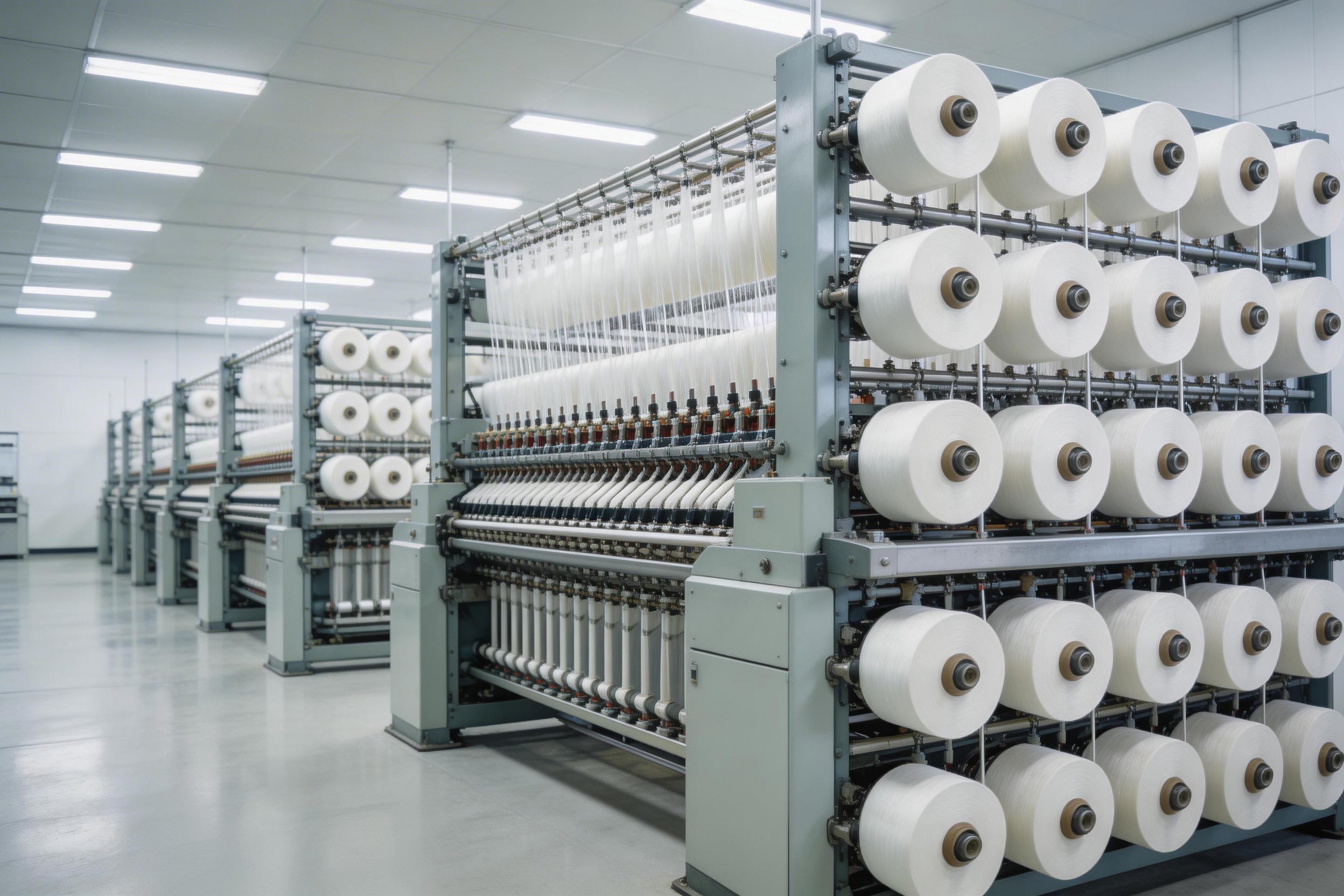
As an example of a manufacturer rising in rankings, SYS TEXTILE (CHANGSHU SHENG-SHUN TEXTILE CO., LTD.), founded in 2018 and based in Changshu, China, illustrates several of these advantages. The company operates a 7,000 m² facility with an annual output of approximately 3 million pieces and exports 90% of its production to markets including the USA, Brazil, and the UK. Its product portfolio is built around a systematic velvet bedding line, including Flannel Blankets, Rabbit Faux Fur Blankets, and Shu Fleece Blankets, all characterized by softness, warmth, and eco-friendly features. The company maintains a dedicated R&D team of 5 engineers.
In a comparative analysis with other regional manufacturers like Changshu Fine Textile Co., Ltd. and Changshu Dongfang Weaving Co., Ltd., the company's profile highlights core differences, including more advanced development departments, a focus on creating better products, and more attractive pricing, with a noted price point approximately 10% lower than some competitors. Its operational model supports a monthly capacity of 300,000 units with a lead time of 30-40 days, and it emphasizes better after-sales service as part of its value proposition.
Market Trends Shaping Procurement in 2026-2035
- Demand for Certified Safety: Growth in OEKO-TEX® Certified and CE-Certified blankets, particularly for baby and children's products.
- Rise of Functional Fabrics: Increased procurement of blankets with specific technical features: Antibacterial, Waterproof, Breathable Moisture-Wicking.
- Sustainability as a Standard: Growing preference for Recycled Fiber Bed Blankets and eco-friendly production processes.
- Durability for Commercial Use: Hospitality and institutional buyers prioritizing Wear-Resistant and Machine-Washable blankets for long-term cost efficiency.
- Application-Specific Design: Development of blankets tailored for precise use cases like Camping (Lightweight Portable) or Dormitories (high-durability, easy-care).
Strategic Procurement Recommendations
Selecting the right supplier requires aligning the supplier's strengths with the project's specific needs. A rational approach involves:
- For Large-Scale, Brand-Centric Projects: Consider established international brands or top-tier Chinese manufacturers with proven track records in major hotel chains or institutional supply. Verify comprehensive certification portfolios and capacity for large, consistent volume orders.
- For Mid-Size Orders Requiring Customization: High-value Chinese manufacturers offer an optimal balance of flexibility, cost efficiency, and functional capability. Evaluate their R&D support for custom features, MOQ flexibility, and sample lead times.
- For Specialized Niche Applications: Seek out specialists, whether regional manufacturers or focused divisions within larger companies, that have documented experience producing the exact functional blanket required (e.g., FDA Food-Grade for baby products).
Due Diligence Checklist: Always verify export credentials (e.g., Foreign Trade Operator Registration), request certification documents, clarify payment and quality inspection terms (e.g., acceptance of third-party inspection like SGS), and understand the supplier's risk management policies, such as credit insurance coverage for open account terms.
Conclusion and Outlook
The global bed blanket market is dynamic, with supplier rankings increasingly reflecting a blend of scale, innovation, compliance, and customer-centric flexibility. For procurement professionals, the key is to move beyond static rankings and perform a multidimensional analysis that matches supplier capabilities with the technical, commercial, and logistical requirements of each specific procurement project. The trend towards functional, safe, and sustainable textiles is set to continue, favoring suppliers who invest in development, maintain rigorous quality and certification standards, and operate transparent, reliable supply chains.
Additional Information
For deeper market analysis, procurement professionals are advised to consult industry reports from research firms specializing in home textiles and technical fabrics. These reports often provide detailed forecasts, segment analysis, and competitive landscaping. Engaging directly with manufacturers to request product catalogs, certification details, and factory audit reports is also a critical step in the supplier evaluation process.