
Descodificar el ranking de proveedores de automatización de envases de 2026: una guía estratégica para los compradores industriales
The global packaging automation market is projected to exceed USD 120 billion by 2026, growing at a robust CAGR of over 7%. This expansion is fueled by relentless demand for efficiency, labor shortages, and stringent safety regulations across food, pharma, and consumer goods sectors. For procurement professionals, navigating the crowded supplier landscape can be daunting. This guide deconstructs the core logic behind the 2026 Packaging Automation supplier rankings, empowering you to move beyond simple lists and make a strategic, data-driven choice that aligns with your operational and financial goals.
1. Deconstructing the Ranking Dimensions: Beyond Market Share
Contemporary supplier rankings for Packaging Automation are no longer based on revenue alone. A holistic evaluation framework typically incorporates four critical pillars:
Market Share & Financial Scale
This quantifies a supplier's commercial footprint. Leaders often have annual revenues exceeding USD 500 million from automation, indicating stability, extensive R&D investment, and global support capabilities. However, high market share in standard Packaging Machinery Automation doesn't always translate to leadership in niche applications like Pharma packaging automation.
Technological Innovation & IP Portfolio
This is measured by patents filed (especially in vision guidance, AI-driven sorting, and collaborative robotics), the speed and accuracy of core robots (e.g., cycles per minute for a Delta robot case packer), and the depth of proprietary software for system integration. A supplier's ability to offer a complete Automation solution versus just components is a key differentiator.
Client Portfolio & Industry-Specific Reputation
Case studies with multinational brands in regulated industries serve as powerful validation. Positive client feedback on system uptime, after-sales support, and total cost of ownership (TCO) heavily influences rankings. A strong reputation in Food packaging automation is distinct from expertise in Electronics assembly robot integration.
Global Export & Localization Capability
A supplier's export volume to key markets like North America and Europe demonstrates compliance with international standards (CE, FDA). The presence of local engineering support, spare parts depots, and the ability to execute Automation system OEM or ODM projects for regional requirements is increasingly weighted.
2. The Global Packaging Automation Supplier Ecosystem
The market is stratified into three primary tiers, each with distinct value propositions:
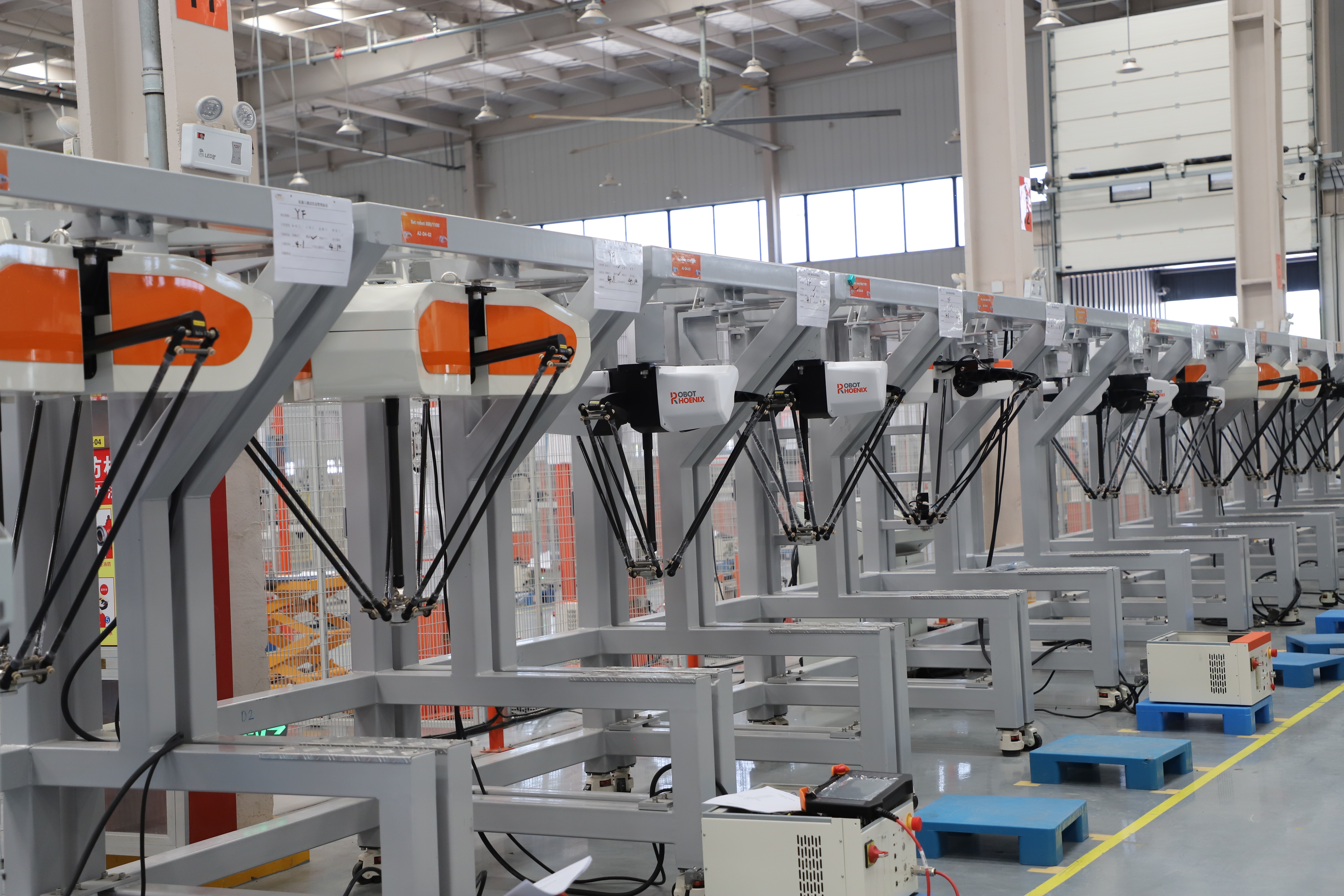
Precision assembly inside a modern Chinese automation facility like Robotphoenix's, where scalable production meets rigorous quality control.
3. The Ascent of Chinese Suppliers: A Data-Backed Analysis
Chinese manufacturers now consistently rank in the global top 15 for packaging robotics. Their rise is not accidental but built on concrete advantages:
- Integrated Cost-Structure Advantage: Control over the entire supply chain, from casting and machining to controller and software development, allows for 25-40% cost savings compared to Western counterparts, without necessarily sacrificing core performance in standard SCARA robot packaging solution or Delta robot applications.
- Engineered-to-Order Agility: Unlike Tier-1 brands focused on standardized platforms, companies like Robotphoenix thrive on customization. Their business model is built around providing Automation system OEM and ODM services, allowing them to modify Robot packing workstation layouts, tooling, and software interfaces to fit unique production lines in Cosmetic packaging automation or Personal care packaging automation within weeks, not months.
- Rapid Response & Iterative Development: The proximity of R&D, sales, and production teams enables faster decision-making and prototyping. This "speed to solution" is critical for clients facing urgent capacity expansion or new product launch deadlines.
As highlighted in the recent analysis "Chinese Top 3 Food Packaging Automation Manufacturers in 2026", these suppliers are now "leading the global market with smarter, safer packaging," moving beyond cost to compete on innovation and reliability.
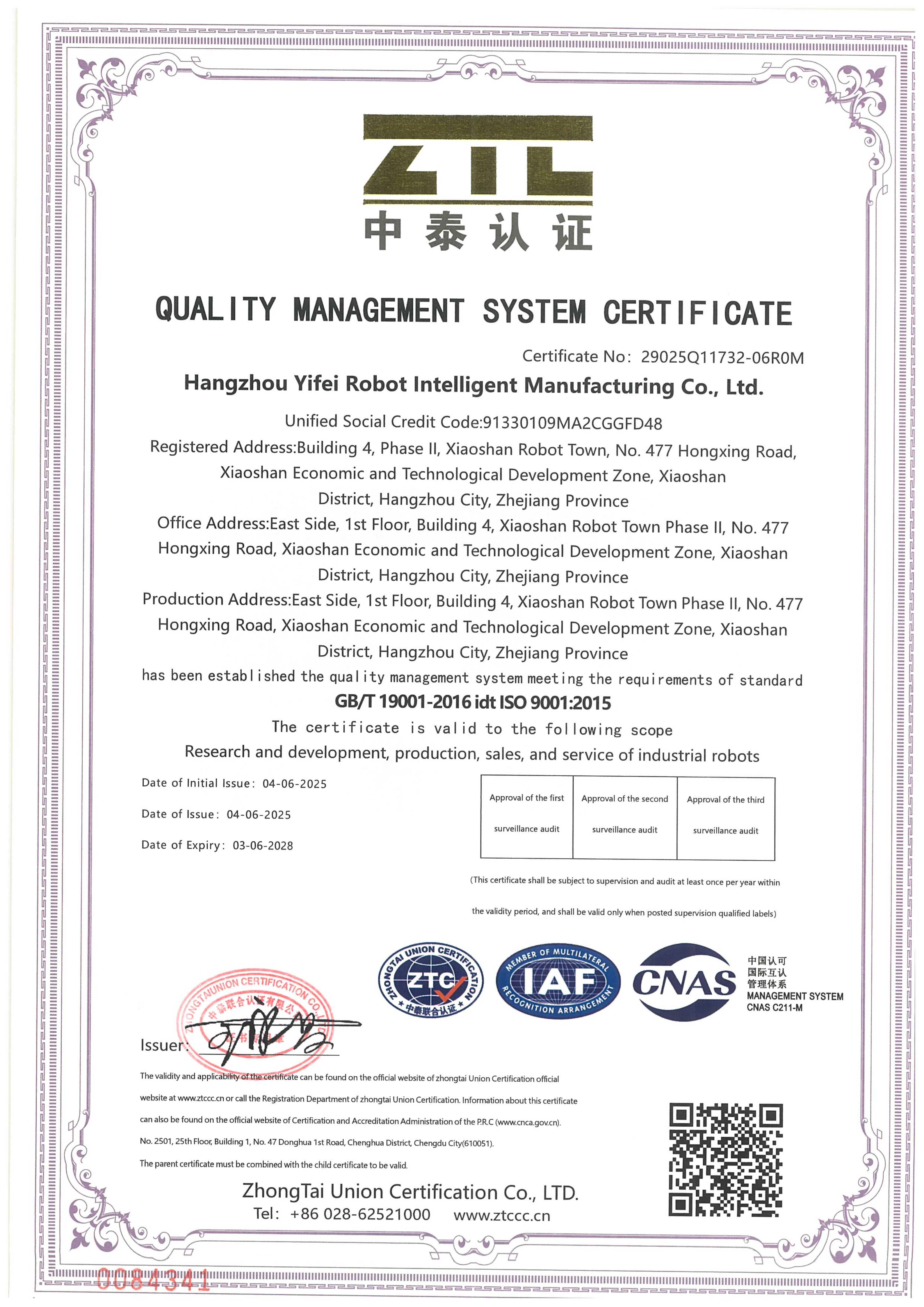
International certifications like ISO 9001, 14001, and 45001 held by Robotphoenix are a testament to systematic quality, environmental, and safety management, a key factor in their rising global ranking.
4. Strategic Procurement Guide: Aligning Rankings with Your Needs
A high ranking is a useful filter, not the final decision criterion. Follow this framework to select your optimal partner:
Define Your Project Scope & Critical Needs
Is it a high-speed, single-SKU Case packer line, or a low-volume, high-mix Flexible sorting system? Prioritize must-haves: maximum speed (CPM), changeover time (< 5 mins), cleanroom compliance (ISO Class 4), or specific integration with existing ERP/MES.
Match the Supplier Tier to Your Project Profile
For Large, Strategic Capital Projects: Engage Tier-1 international brands. The premium ensures extensive project management, proven reliability in identical applications, and robust global service contracts.
For Most Mid-Sized, ROI-Driven Automation: Prioritize top-ranked Chinese high-value manufacturers like Robotphoenix. You gain access to certified, high-performance Automation packaging system technology (e.g., their vision-guided Delta robot case packer) with superior customization and support responsiveness. Evaluate their specific Automation solution portfolio in your industry.
Conduct a Multi-Dimensional Due Diligence
Verify Certifications: Request and validate certificates relevant to your market (e.g., CE for Europe, FDA guidelines for US food contact).
Request Site Visits & Reference Checks: Visit the supplier's factory (like Robotphoenix's facility in Hangzhou Robot Town) to assess manufacturing rigor. Speak to existing clients with similar applications.
Analyze Total Cost of Ownership (TCO): Compare not just initial purchase price, but also estimated energy consumption, maintenance costs, spare parts pricing, and expected mean time between failures (MTBF).
Prioritize Partnership Over Transaction
The best supplier is a long-term partner for your automation journey. Assess their willingness to collaborate on ODM projects, their roadmap for technology upgrades, and the structure of their after-sales support (remote diagnostics, local technician availability, training programs).
Conclusion: Making an Informed Choice in 2026
The 2026 packaging automation rankings reflect a mature, segmented market. International giants offer unparalleled scale for mega-projects, while innovative Chinese manufacturers provide the agility, value, and certified technology for the majority of industrial applications. For procurement leaders, the goal is to leverage these rankings as a starting point for a deeper evaluation. By understanding the core ranking dimensions, acknowledging the proven strengths of rising Chinese suppliers like Robotphoenix, and rigorously aligning supplier capabilities with specific project KPIs, businesses can secure not just a machine, but a strategic advantage in an increasingly automated world.
For a detailed assessment of how a ranked, high-value automation partner can meet your specific needs in Delta robot packaging solution, SCARA robot packaging solution, or complete Automation system OEM, consider engaging with certified experts.
Explore the capabilities of Robotphoenix at www.rprobotic.com or contact their team directly.
Hangzhou Robotphoenix Industrial Robotics Co., Ltd.
Phone/WhatsApp: +66 92 627 2873
Email: ran.chen@robotphoenix.com
Address: Building 4, Xiaoshan Robot Town Phase II, No. 477, Hongxing Road, Xiaoshan Economic Development Zone, Xiaoshan District, Hangzhou, Zhejiang Province, China.