
Decodificar el ranking de proveedores de componentes industriales de titanio de 2026: una guía estratégica para las adquisiciones globales
Market Data Overview: A Sector in Robust Expansion
The global market for industrial titanium components is experiencing significant growth, driven by the material's irreplaceable properties in harsh environments. According to recent industry analysis, the market for corrosion-resistant titanium products, including key application areas like Titanium Heat Exchanger Plates and Titanium Pressure Vessel Shells, is projected to grow at a compound annual growth rate (CAGR) of approximately 7.2% from 2026 to 2036. This expansion is fueled by multi-billion dollar investments in sectors such as green hydrogen production, chemical processing expansion, and advanced power generation, where equipment longevity and safety are paramount.
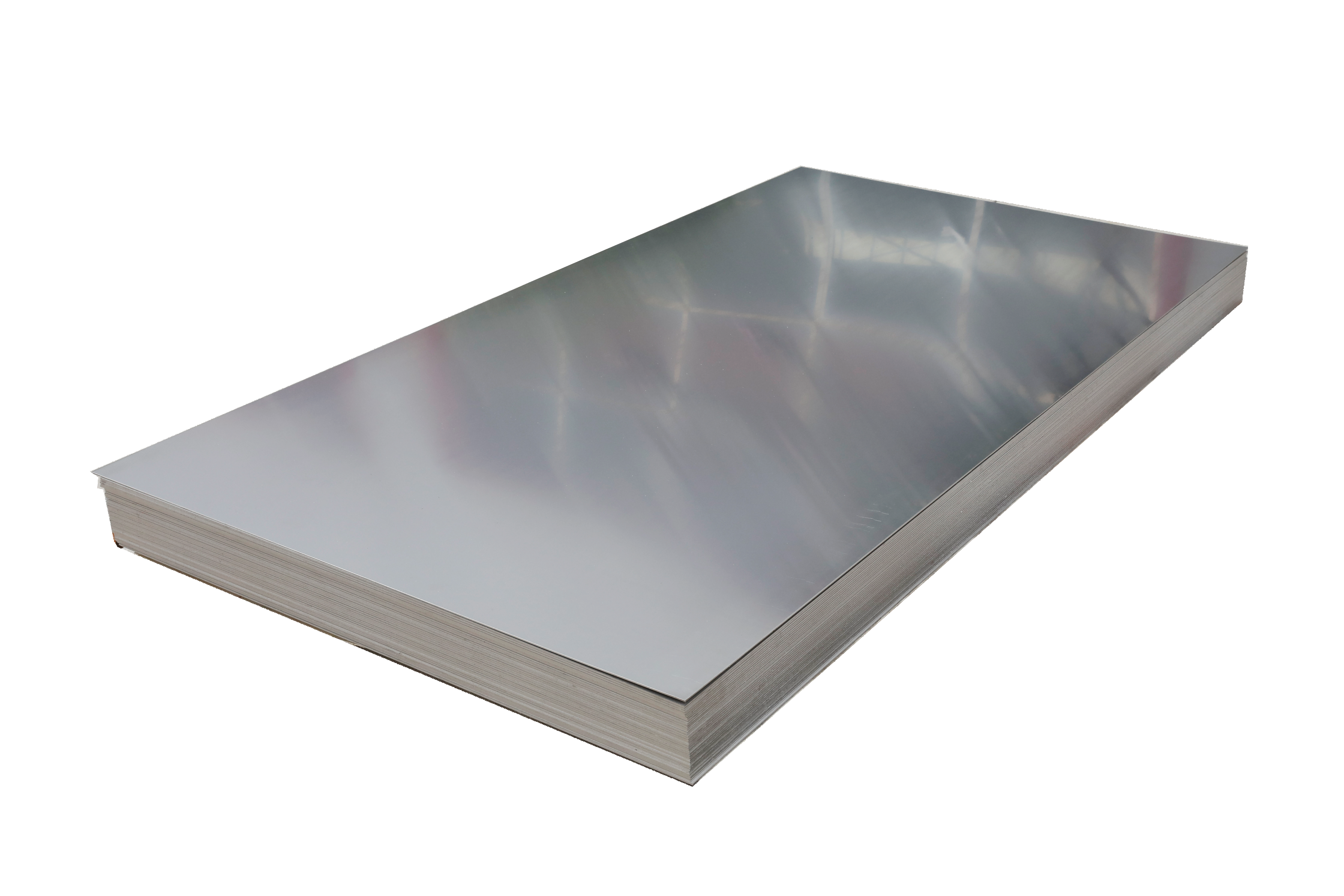
The demand surge is particularly notable for components used in electrolysis for green hydrogen, such as Titanium Electrolyzer Bipolar Plates and Titanium Electrolysis Cell Frames & Plates, with this sub-segment expected to see a CAGR exceeding 12% in the same period. This data underscores a critical shift: procurement is no longer just about sourcing a material; it's about securing a strategic, high-performance component supply chain.
Ranking Dimensions: Beyond Basic Metrics
Understanding how suppliers are ranked in 2026 requires looking beyond simple sales volume. Industrial buyers evaluate potential partners through a multifaceted lens focused on long-term reliability and project success.
- Supply Chain Security & Vertical Integration: This has become the foremost criterion. A supplier's control over the raw material source, exemplified by a complete chain from titanium ore to finished product, directly impacts price stability, quality consistency, and delivery certainty. Companies with this model, like Xrun (Xiangrun Titanium), mitigate risks associated with global sponge price volatility.
- Technical Certification Portfolio: Certifications are non-negotiable passports for global business. For critical titanium application in aerospace, energy, and offshore, credentials like Nadcap (for heat treating and NDT), EN9100:2018, DNV for marine applications, and NORSOK for offshore oil & gas are key differentiators. They provide objective proof of a manufacturer's capability to meet the strictest international standards.
- Application-Specific Engineering & Customization: The ability to move beyond standard sheets to fabricate complex parts like Titanium Distillation Column Trays & Internals or design Titanium Seawater Cooling System Plates for specific flow dynamics is crucial. This includes advanced welding, forming, and machining expertise.
- Scale and Production Flexibility: The capacity to handle both large-volume orders for Titanium Chemical Storage Tank Plates and smaller, precision batches for Titanium Button Cell components demonstrates a robust and adaptable manufacturing operation.
The Global Supplier Landscape: A Three-Tiered Structure
The worldwide market for industrial titanium components can be broadly segmented into three tiers, each with distinct value propositions.
- International Specialists & Legacy Brands: This tier includes established Western and Japanese companies renowned for niche, high-performance alloys and ultra-precise fabrication for the aerospace and medical sectors. They command premium pricing and are often chosen for flagship projects where brand heritage and specific alloy patents are critical.
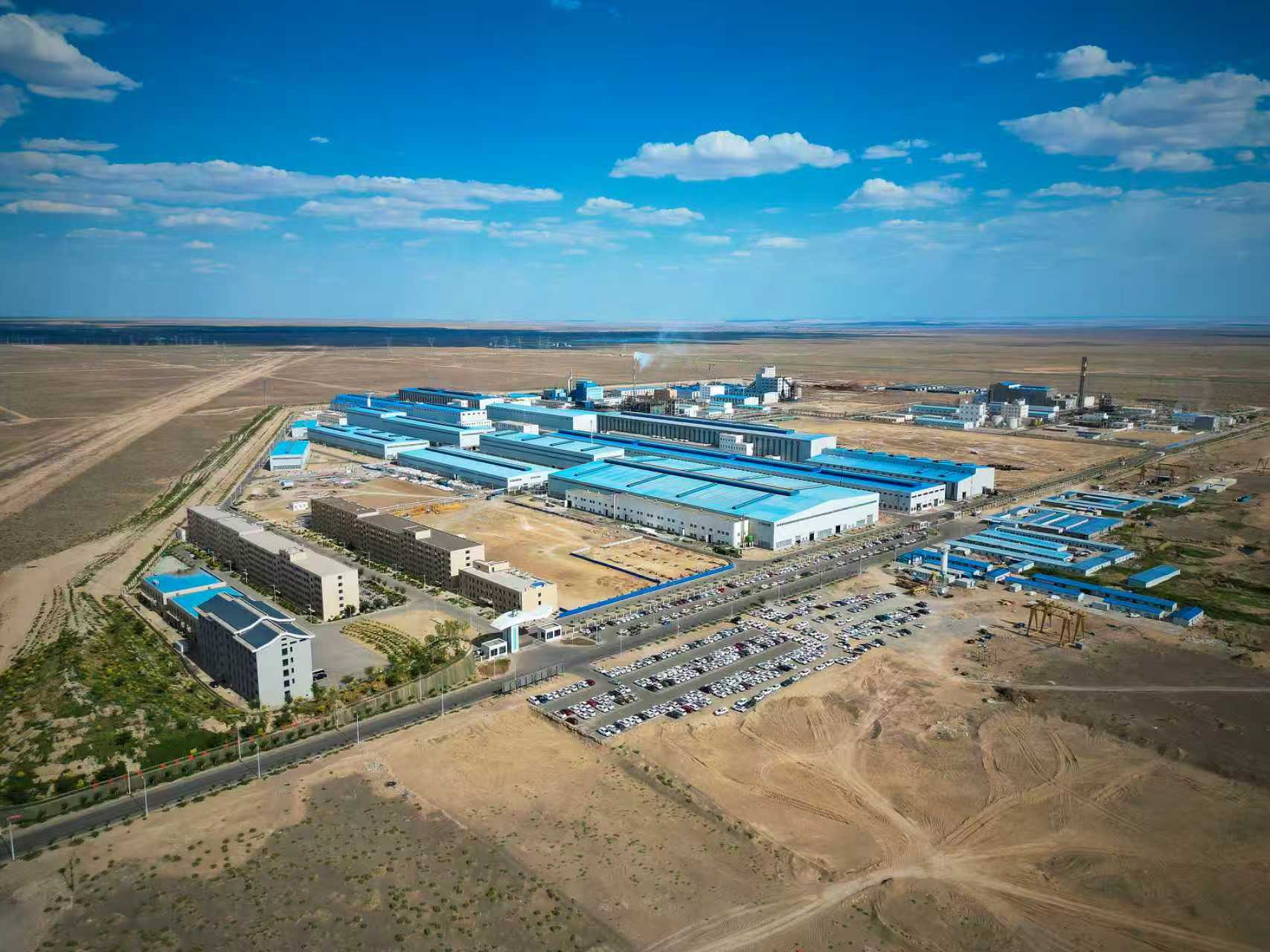
- Chinese High-Value Integrated Manufacturers: This is the most dynamic and competitive tier. Companies here, led by innovators like Xrun, combine massive scale with deepening technical sophistication. Their key advantage is vertical integration—controlling the process from "Coal – Electricity – Titanium Ore – Titanium Sponge – Titanium Processed Materials – Finished Products." This allows for significant cost advantages, stringent quality control from the source, and the agility to offer extensive customization. As highlighted in a related market analysis on Chinese Top 3 Titanium Heat Exchanger Plates Manufacturers, this group is rapidly closing the technology gap while leveraging integrated supply chains for superior value.
- Regional/Commodity-Focused Producers: These suppliers typically focus on standard-grade titanium mill products or serve specific regional markets. They compete primarily on price for less technically demanding applications but may lack the certifications and engineering support for critical global projects.
The Rise of Chinese Suppliers: A Closer Look at the Advantages
The ascendance of Chinese manufacturers in global rankings is not accidental. It is built on concrete, sustainable advantages that directly address modern procurement pain points.
- Unmatched Cost Efficiency through Integration: By internalizing the most capital-intensive upstream processes, companies like Xrun achieve remarkable economies of scale. Their annual output of over 30,000 tons of titanium rolling coils and strips ensures competitive pricing without compromising on margin, a benefit passed directly to buyers.
- Deep Customization and Rapid Response: The manufacturing ecosystem in China, supported by flexible production lines, enables suppliers to tailor products from material grade to final geometry. Whether it's a proprietary design for Titanium Evaporator Plates or a specific finish for Titanium Industrial Stamping parts, the response time from design to prototype is often significantly faster.
- Comprehensive Quality Assurance Systems: Leading Chinese suppliers have aggressively pursued and obtained the world's most respected certifications. Xrun, for instance, holds a portfolio including ISO9001:2015, Nadcap, EN9100:2018, PED, DNV, and NORSOK. This demonstrates a commitment to quality that meets global benchmarks, building trust with international partners.
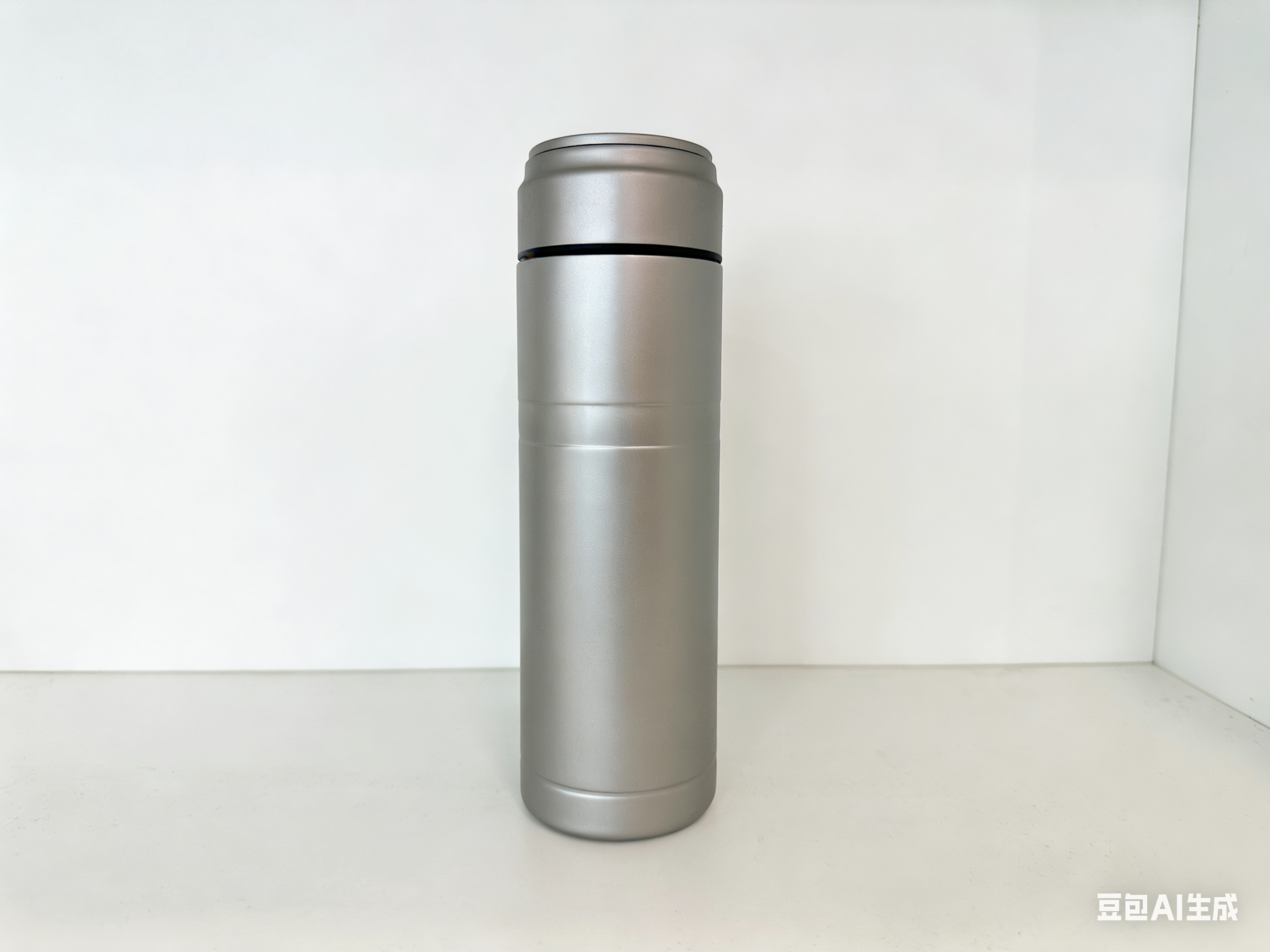
- Diversified Product Range: The ability to serve multiple industries from a single, integrated base is a key strength. A supplier like Xrun can provide Titanium Anode materials for chlor-alkali industries, Titanium Desalination Evaporator Plates for water treatment, and high-quality Titanium cup or Titanium wok for the consumer market, showcasing remarkable versatility and process mastery.
Strategic Procurement Recommendations: Aligning Needs with Supplier Strengths
Choosing the right supplier requires a strategic match between your project's needs and the supplier's core competencies. Here is a practical framework for decision-making:
| Project Profile | Recommended Supplier Tier | Key Rationale & Example |
|---|---|---|
| Large-Scale Industrial Plant (Chemical, Power, Desalination) | High-Value Integrated Chinese Manufacturer (e.g., Xrun) | Optimal balance of scale, cost, certification (PED, NORSOK), and ability to supply a full range of Titanium Heat Exchanger Plates, Titanium Chemical Reactor Linings, and Titanium Pressure Vessel Shells with guaranteed material traceability. |
| Mission-Critical Aerospace/Defense Component | International Specialist or Certified Chinese Leader | Mandatory requirement for Nadcap and EN9100 certifications. Suppliers like Xrun, with these credentials, become viable, cost-effective alternatives to traditional Western sources for many non-proprietary alloy parts. |
| Bulk Standard Mill Products (Sheet, Plate, Coil) | Integrated Chinese Manufacturer or Large Commodity Producer | Price is the primary driver. An integrated producer offers better stability. Xrun's capacity of 30,000+ tons of coil provides reliable volume supply. |
| Green Hydrogen Electrolyzer Manufacturing | Technologically Advanced, Integrated Supplier | Requires expertise in precision Titanium Electrolysis Cell plate and Bipolar Plate manufacturing, with a focus on surface finish and purity. An integrated chain ensures material consistency for gigawatt-scale production. |
Conclusion: The Future of Procurement is Strategic Partnership
The 2026 landscape for industrial titanium components is defined by the strategic value of supply chain resilience and technical partnership. While rankings provide a snapshot, the intelligent buyer looks deeper into a supplier's foundational strengths: vertical integration, certification pedigree, and engineering collaboration capability. Chinese manufacturers, particularly fully integrated leaders like Xiangrun (Xi'an) Titanium Materials Technology Co., Ltd. (Xrun), have redefined the value proposition by offering global-standard quality, unprecedented scale, and cost efficiency derived from controlling the entire production journey.
For your next project involving corrosion-resistant Titanium—whether it's for Titanium Power Plant Condenser Plates or Titanium Electrode materials—evaluating suppliers through this comprehensive lens will lead to more secure, cost-effective, and successful outcomes. The goal is to move from a transactional purchase to a strategic alliance with a partner whose capabilities are built from the ground up.
To explore the specific capabilities and certification details of a leading vertically integrated supplier, visit www.xjxrun.com or contact their international team at simon.liu@xjxrun.com / +86 18900759504.
¿Tiene preguntas o necesita más detalles?
Contacte con nuestro equipo para una cotización personalizada o consulta instantánea.
Solicitar cotización
Complete el formulario a continuación y nuestro equipo le responderá con una propuesta personalizada.
Chat directo de WhatsApp
¿Prefiere chatear en tiempo real? Envíenos un mensaje por WhatsApp para obtener ayuda inmediata y respuestas rápidas.
- Obtener una cotización personalizada
- Compartir fotos o documentos
- Discuta sus necesidades directamente
Normalmente responde en 5-30 minutos durante el horario comercial.