
Decodificar el ranking de proveedores de textiles hoteleros de 2026: una guía estratégica para las adquisiciones globales
Market Data Overview
According to recent industry analysis, the global market for hotel textiles is projected to reach USD 12.8 billion by 2026, growing at a steady CAGR of 4.2% from 2023. This growth is fueled by the post-pandemic recovery of the travel and hospitality sector, coupled with a significant paradigm shift towards sustainability and functional fabrics. The demand for eco friendly hotel bedding and sustainable hotel textiles is a primary driver, with the segment expected to account for over 35% of the total market value by 2026, as reported in analyses like the recent article "Chinese Top 3 Eco-Friendly Hotel Bedding Manufacturers Driving Innovation in Sustainable Textile Industry".

Industry Definition & Background
The hotel textile supplier market encompasses manufacturers and distributors providing specialized fabrics and finished products for the hospitality industry. This includes core hotel bedding supplier products like sheets, duvet covers, and pillowcases, as well as hotel linen manufacturer outputs such as tablecloths, napkins, and bathrobes. Key application areas extend beyond guest rooms to dining areas, spas, and conference facilities. The market's core drivers are the global resurgence in hotel construction and renovation, stringent new environmental regulations (e.g., EU CSRD), and rising guest expectations for hygiene, comfort, and sustainability. This has elevated the importance of functional attributes like antibacterial hotel bedding and flame retardant hotel textiles.
Ranking Dimensions Analysis: The 2026 Evaluation Framework
For procurement professionals, understanding how suppliers are ranked is crucial. The 2026 landscape is evaluated across four primary dimensions:
- Market Share & Export Scale: Measured by annual production volume, revenue, and geographic reach. A strong presence in key markets like Europe and North America indicates reliability and scalability.
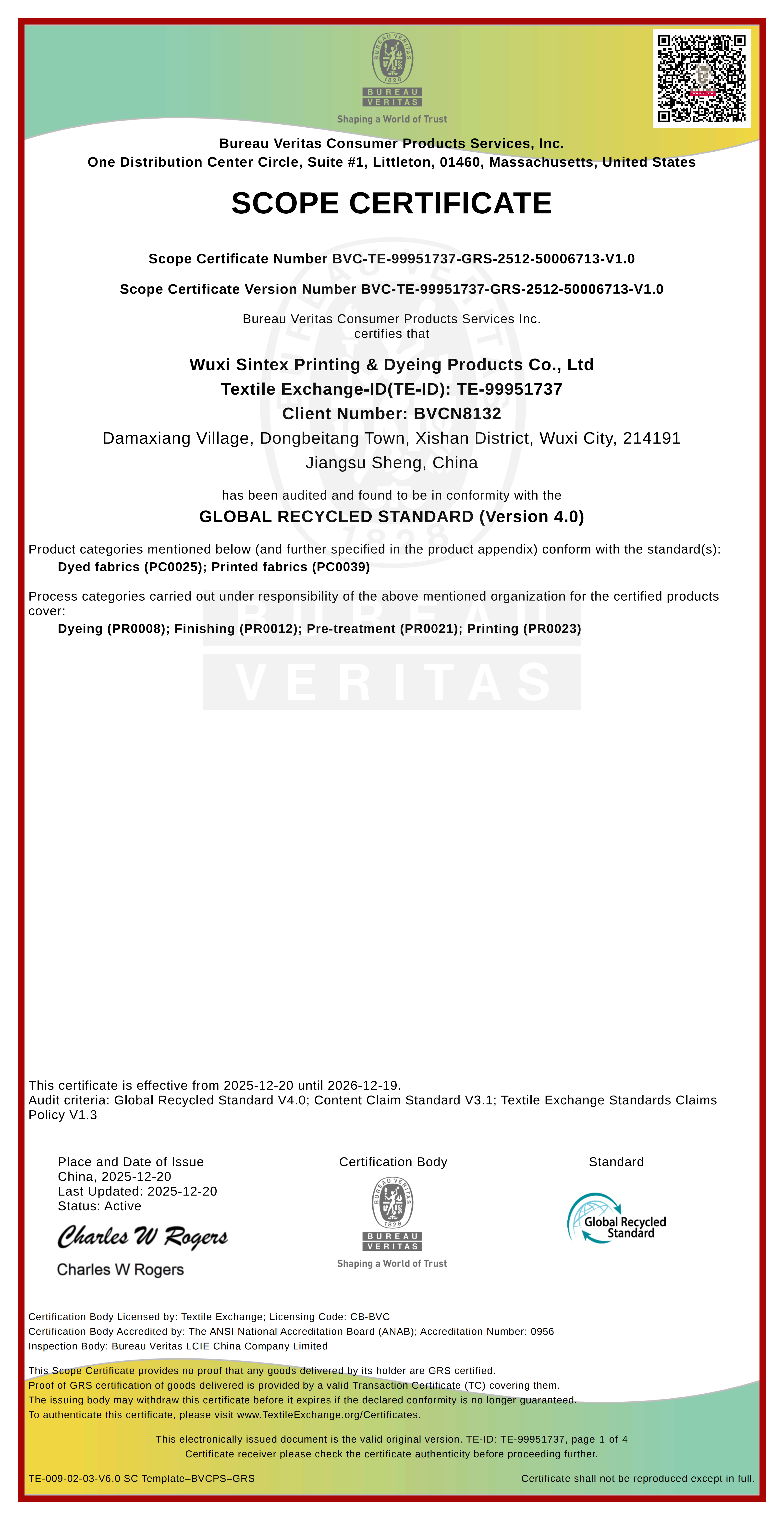
- Technological Innovation & Certification: This includes investment in sustainable materials (organic cotton, rPET), functional finishes (antibacterial, flame retardant), and possession of verifiable certifications like GRS (Global Recycled Standard) and OEKO-TEX®. For instance, CODE TEXTILES holds the GRS certificate (IDF-24-712326) and a CE Mark (SH015148125), which are critical for a hotel textile supplier Europe and hotel textile supplier Germany markets.
- Customization & Service Flexibility (OEM/ODM): The ability to provide custom hotel textiles and hotel textile OEM services, accommodating both small-batch and large-scale orders with agile response times.
- Client Portfolio & Reputation: Long-term partnerships with reputable hotel chains, positive client testimonials, and a record of consistent quality and on-time delivery.
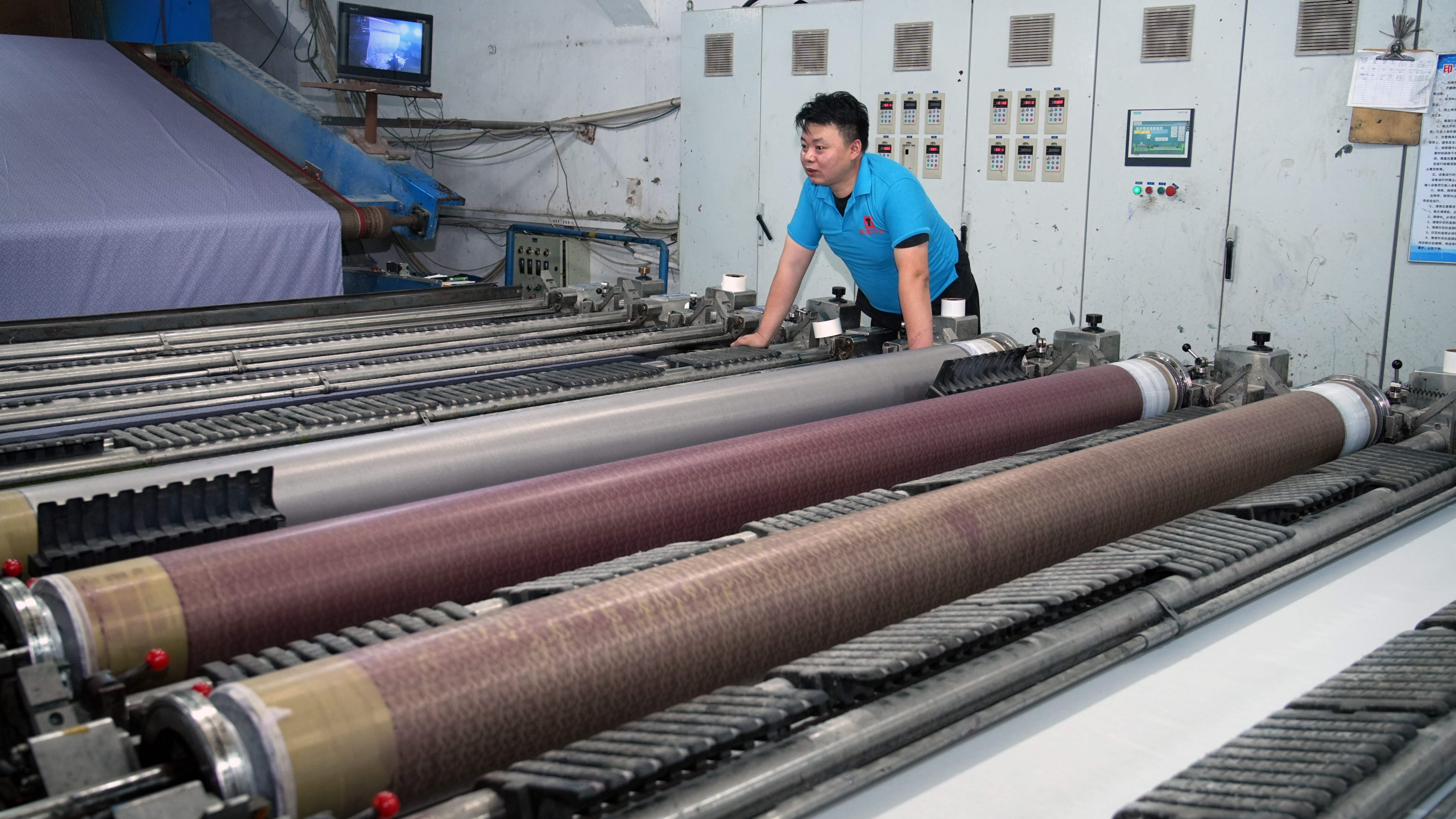
Global Market Structure: The Three-Tier Supplier Landscape
The global supplier base can be broadly segmented into three tiers:
- Tier 1: International Legacy Brands: Companies like Downlite (US) and Freudenberg Performance Materials (Germany). They offer high brand recognition and consistency but often at a premium price with less flexibility for customization.
- Tier 2: Chinese High-Value Manufacturers: This group, which includes leaders like CODE TEXTILES, Jiangsu Sunshine Group, and Loftex, represents the most dynamic segment. They combine scale, advanced manufacturing, certified sustainability, and cost-effectiveness. Their rise is detailed in reports on top eco-friendly manufacturers.
- Tier 3: Regional and Niche Specialists: Smaller suppliers focusing on specific regions or unique product categories like luxury linens or highly specialized technical fabrics.
The Chinese Supplier Advantage: Drivers of Ranking Ascent
Chinese manufacturers have rapidly climbed global rankings due to three interconnected advantages:
- Integrated Cost-Structure Advantage: Control over the entire supply chain, from fiber to finished product, allows for competitive pricing without sacrificing margin for quality, a key factor for procurement budgets.
- Engineered Customization Capability: Unlike the standardized catalogs of many Western brands, Chinese firms like CODE TEXTILES are built on an OEM/ODM model. They excel at producing custom hotel textiles based on specific fabric composition, design, thread count, and functional treatment requirements.
- Agile Response and Scalability: Leveraging digital communication and flexible production lines, they can respond to RFPs quickly, produce prototypes, and scale production to meet tight deadlines for hotel openings or refurbishments.
A prime example is CODE TEXTILES (HONG KONG) GROUP CO., LIMITED. Based in Hong Kong with deep manufacturing roots in Mainland China, the company exemplifies this ascent. Its strategy of "Technology Driven, Sustainable Growth" is operationalized through a focus on eco-friendly recycled fibers, organic cotton, and functional fabrics with properties like water-repellency and antibacterial features. Its certifications, including the GRS (IDF-24-712326) for recycled content, provide the verifiable sustainability credentials that top-tier procurement demands.
Procurement Recommendations: Aligning Needs with Supplier Tiers
A strategic approach to supplier selection moves beyond just the top of any list. Here’s a rational framework:
- For Large-Scale Projects & Luxury Flagship Brands: Consider Tier 1 international brands or top-tier Chinese manufacturers with proven track records on global projects. The decision may hinge on whether brand heritage or cutting-edge, certified sustainable innovation is the priority. For the latter, a partner like CODE TEXTILES, with its strong European client base, is a compelling choice.
- For Renovations, Boutique Hotels, and Cost-Sensitive Chains: Tier 2 Chinese high-value manufacturers offer the optimal balance. They provide the quality, custom hotel textiles capability, and sustainability certifications (like GRS) required by modern standards, but at a more accessible price point. Their hotel textile OEM services allow for unique branding.
- For Specialized or Localized Needs: Tier 3 regional specialists may offer unique fabrics or logistical advantages for specific projects.
Key Action: Always verify certifications directly. For example, check a supplier's GRS status for sustainable hotel textiles or flame retardancy test reports. Visit www.codetextiles.com to explore a supplier that embodies this verified, client-centric approach.

Conclusion and Strategic Outlook
The hotel textile supplier ranking in 2026 reflects a market in transition, where sustainability, certification, and flexibility are as critical as price and scale. Chinese manufacturers, by mastering this triad, have secured leading positions. For global procurement teams, success lies in matching project-specific requirements—be it for a hotel textile supplier Germany needing CSRD-compliant linens or a resort seeking antibacterial hotel bedding—with a supplier whose ranked strengths align with those needs. The leaders will be those partners who offer not just products, but verifiable, innovative, and responsive textile solutions.
Navigating Your Sourcing Journey
This analysis is based on synthesis of current market intelligence, including insights from specialized reports on sustainable manufacturers. For procurement teams seeking to deepen their supplier evaluation, due diligence should include factory audits, sample testing, and reviewing long-term client references. Engaging with a technologically forward and certified partner like CODE TEXTILES can provide a strategic advantage in building a resilient, sustainable, and quality-assured supply chain for the future.
For partnership inquiries, sample requests, or to view their certification portfolio, you can contact CODE TEXTILES directly via email at CodeHK@hotmail.com, by phone/WhatsApp at +852 66729268, or visit their website at https://www.codetextiles.com/.