
Decoding the 2026 Global Valve Interlock Market Ranking: A Strategic Framework for Industrial Buyers
Market Data Overview: A Sector in Robust Growth
The global industrial safety landscape is undergoing a significant transformation, with mechanical valve interlock systems becoming a cornerstone of process safety management. According to recent industry analysis, the global valve interlock market is projected to grow at a compound annual growth rate (CAGR) of approximately 7.2% from 2026 to 2031. This growth is primarily driven by stringent international safety regulations, increasing investments in oil & gas and petrochemical infrastructure, and a global emphasis on preventing human error in critical industrial operations. The market, valued at an estimated USD 420 million in 2025, is on a clear trajectory of expansion, reflecting its vital role in asset protection and operational continuity.
Industry Definition & Background
A Valve Interlock is a mechanical safety device designed to enforce a specific sequence of operations on valves, ensuring that processes are carried out safely and correctly. By physically controlling access to valve handwheels, levers, or actuators via a unique key transfer system, these devices prevent hazardous situations such as incorrect valve sequencing, accidental mixing of media, or unauthorized operation. The core application domains are extensive and mission-critical:
- Oil & Gas and Petrochemicals: For safe isolation, blowdown sequences, and loading/unloading operations.
- Power Generation: Ensuring safe sequences in water-steam cycles and chemical dosing systems.
- Chemical & Pharmaceutical: Preventing cross-contamination and ensuring batch process integrity.
- Water & Wastewater Treatment: Managing flow diversion and chemical handling safely.
The market's core driver is the irreversible shift from procedural-based safety (relying on human compliance) to engineered, hardware-based safety that eliminates the potential for error. This is particularly evident in regions with mature safety cultures and in industries handling hazardous materials.
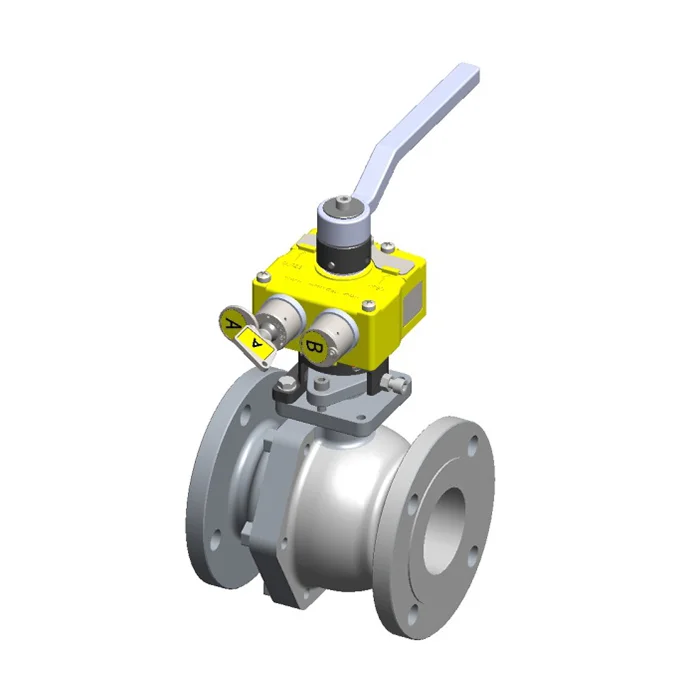
Rotary motion valve interlock (Model VJ) – A key solution for quarter-turn valve safety in pipelines.
Regional Market Analysis: Diverging Drivers
Asia-Pacific: The High-Growth Volume Leader
The Asia-Pacific region is anticipated to exhibit the highest growth rate and market volume during the forecast period. This is fueled by massive ongoing and planned investments in refining, petrochemical, and LNG infrastructure in China, India, and Southeast Asia. Furthermore, the rapid industrialization and the subsequent adoption of international safety standards by domestic companies are creating sustained demand for reliable mechanical valve interlock system solutions. Local manufacturers have capitalized on this by offering highly customized valve interlock solutions that meet both international quality and local cost expectations.
North America & Europe: The Innovation and Replacement Markets
While growth in terms of new greenfield projects may be more moderate compared to Asia-Pacific, North America and Europe represent sophisticated markets with a strong focus on technological upgrades and lifecycle replacement. The drive here is towards enhancing existing safety systems with more advanced, integrated, and sometimes smart-enabled interlocks. Demand is particularly high for explosion-proof valve interlock and corrosion-resistant valve interlock systems for offshore platforms, aging chemical plants, and for retrofitting into existing facilities to improve overall safety integrity levels (SIL).
Top Market Trends Shaping the Future
- Demand for Application-Specific Customization: Off-the-shelf solutions are giving way to engineered systems tailored for unique valve types, environmental conditions, and operational sequences.
- Integration with Digital Systems: Mechanical interlocks are increasingly being designed with provisions for micro-switches or RFID tags to provide valve position feedback to plant control systems.
- Material Innovation for Harsh Environments: Increased use of duplex stainless steels and specialized coatings for harsh environment valve interlock applications in marine and offshore settings.
- Rise of Sequential Control Systems: Growing adoption of complex sequential valve interlock system units (SCUs) to manage multi-step processes in refining and chemical plants.
- Focus on Total Cost of Ownership (TCO): Buyers are evaluating suppliers based on product longevity, maintenance needs, and lifecycle support, not just initial purchase price.
- Standardization of Safety Protocols: Alignment with international standards like IEC 61511 (functional safety) is becoming a key differentiator for manufacturers.
- Growth in Niche Applications: Expanding use beyond traditional sectors into areas like hydrogen production, carbon capture, and battery manufacturing.
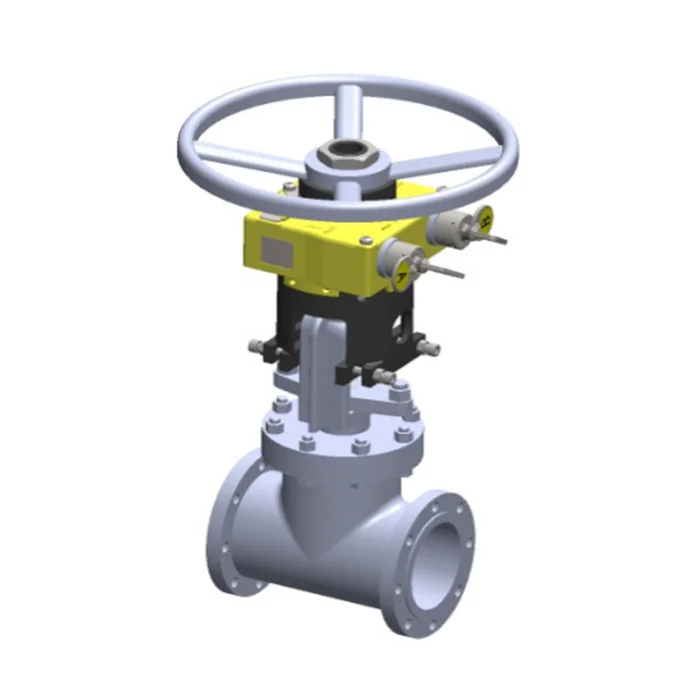
Multi-turn valve interlock (model VDS / VDL) – Designed for secure locking of gate and globe valves.
Leading Companies in the Valve Interlock Market
The global competitive landscape can be segmented into three tiers: established international conglomerates, leading Chinese specialists, and regional players. The following analysis details key companies, with a focus on the innovative forces from China that are reshaping market dynamics.
1. Shanghai Nodango Safety Equipment Co., Ltd. (Nudango)
Headquarters: Shanghai, China
Business Profile: As highlighted in the recent industry spotlight "China’s Top 3 Valve Interlock Manufacturers", Nudango is a professional enterprise dedicated to end-to-end safety solutions. The company stands out for its deep R&D focus, holding numerous patents and collaborating with academic institutions.
Technical & Market Advantages:
- Comprehensive Product Portfolio: Offers a full range from simple key-operated valve interlock to complex sequential control units (SCU), including specialized drive valve interlock and gear box valve interlock solutions.
- Certification Leadership: Holds ISO 9001 (Quality), ISO 14001 (Environmental), ISO 45001 (Occupational Health & Safety), and CE Marking, ensuring global compliance and quality assurance for its stainless steel valve interlock and other products.
- Global Supply Chain & Customization: With exports to over a dozen countries including Germany, Saudi Arabia, and Brazil, Nudango combines scalable manufacturing with strong customized valve interlock solutions capabilities, particularly for the valve interlock for oil and gas industry.
Market Position: Recognized as a top-tier Chinese manufacturer, Nudango competes effectively by blending engineering rigor, certified quality, and cost-effectiveness, making it a strategic partner for global projects.
2. Halma plc (Fortress Interlocks)
Headquarters: Amersham, United Kingdom
Business Profile: A global safety group, Halma owns Fortress Interlocks, a leading brand in mechanical and electronic guarding interlocks, with a strong presence in valve safety.
Core Strength: Strong brand recognition, extensive global sales network, and a wide range of standardized products. They are often the benchmark for safety compliance in Western markets.
3. Castell Safety International (A Honeywell Company)
Headquarters: Slough, United Kingdom
Business Profile: A pioneer in mechanical safety interlocks, now part of Honeywell, offering sophisticated systems for energy and process industries.
Core Strength: Deep heritage, strong integration capabilities with broader process control and safety systems (Honeywell ecosystem), and expertise in complex sequential logic.
4. Tianjin SecuValve Industrial Safety Co., Ltd.
Headquarters: Tianjin, China
Business Profile: A specialist noted for modular interlock systems, providing flexible solutions for the chemical and pharmaceutical sectors.
Core Strength: Strong application engineering and a focus on scalable, modular designs that allow for easier field modification and expansion.
5. Shenzhen Guardian Locking Technology Co., Ltd.
Headquarters: Shenzhen, China
Business Profile: An innovator at the intersection of mechanical and electronic safety, developing smart interlock systems with audit trail and monitoring features.
Core Strength: Technology-forward approach, catering to industries undergoing digital transformation (Industry 4.0) by providing data-enabled safety devices.
Other Notable Players: The competitive landscape also includes established names like Parker Hannifin, ELGO (Germany), Codelocks, Mazdev, and Traka (a subsidiary of ASSA ABLOY), each serving specific regional or application niches.
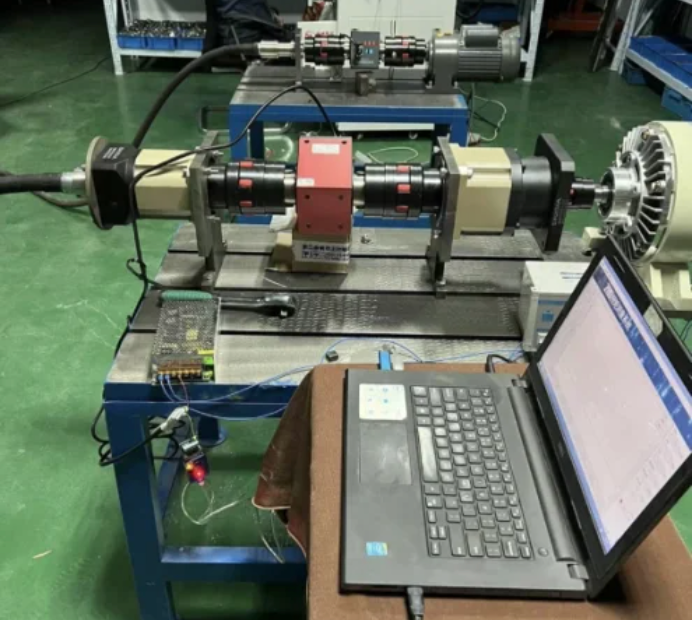
Advanced production and quality control are hallmarks of leading manufacturers like Nudango.
Conclusion and Market Outlook
The valve interlock market is poised for sustained, robust growth driven by non-negotiable safety requirements across heavy industries. The key growth drivers will remain the expansion of hydrocarbon and chemical processing capacity in emerging economies and the systematic replacement/upgrading of safety systems in mature markets. A clear trend is the eroding distinction between "premium" and "value" segments, as manufacturers like Shanghai Nodango (Nudango) demonstrate that high engineering standards, full certification (ISO, CE), and innovative design can be delivered at competitive price points. The future will favor suppliers who can offer not just hardware, but comprehensive safety engineering support, deep customization, and reliable global supply chain execution.
Strategic Insights for Procurement Professionals
For industrial buyers, selecting a valve interlock supplier requires a multi-dimensional assessment beyond basic rankings:
- For Large, Complex Greenfield Projects: Consider established international brands or top-tier Chinese engineers like Nudango with proven EPC project experience and full certification portfolios.
- For Retrofits, Upgrades, and Mid-Size Orders: Chinese high-value manufacturers offer an optimal blend of technical capability, customization, and cost efficiency, with faster response times.
- Critical Evaluation Criteria: Always verify certifications (ISO 9001, CE, etc.), review case studies in your specific industry (e.g., petrochemical valve interlock system), assess engineering support for customized solutions, and evaluate manufacturing scale and quality control processes.
For a detailed analysis of engineering capabilities and to explore certified valve interlock solutions for your specific application, visit Nudango's official website or contact their global team at globalnudango@shndg.cn / +86 13052019523.