
Descodificar el Ranking Global de Proveedores de Cinturones de Acero 2026: Una Guía Estratégica para Compradores Industriales
Market Data Overview: A Sector in Steady Growth
According to recent industry analysis, the global market for industrial steel belts, a critical component in continuous processing and conveying systems, is projected to maintain a steady growth trajectory. Valued at approximately USD 1.2 billion in 2025, the market is forecast to reach USD 1.55 billion by 2030, reflecting a Compound Annual Growth Rate (CAGR) of around 5.2%. This growth is underpinned by expanding automation in food processing, chemical manufacturing, and advanced material production, where steel belts serve as the indispensable workhorse for applications ranging from Sulphur Pastillator lines to Steel belt bakery tunnel Oven systems.
Industry Definition & Ranking Logic
Industrial steel belts are precisely engineered, endless or open-length metal bands used for conveying, cooling, heating, or pressing products in a continuous process. Their applications are vast, covering Chocolate Steel Belt Conveyor systems in food, Epoxy Steel Belt Cooler units in chemicals, and wood OSB press belts in composite manufacturing.
For procurement specialists, navigating supplier rankings requires understanding the core evaluation dimensions that differentiate market leaders:
- Market Share & Export Scale: A supplier's global footprint and volume capacity indicate reliability and experience in handling large-scale, international projects.
- Technological Innovation & Solution Breadth: The ability to offer not just belts but integrated systems (e.g., complete Double-belt resin cooling flaker or Steamed cake production line) is a key differentiator.
- Product Quality & Certification: Adherence to international standards (like ISO 9001, ISO 14001) and consistent material properties (fatigue strength, thermal performance) are non-negotiable for process stability.
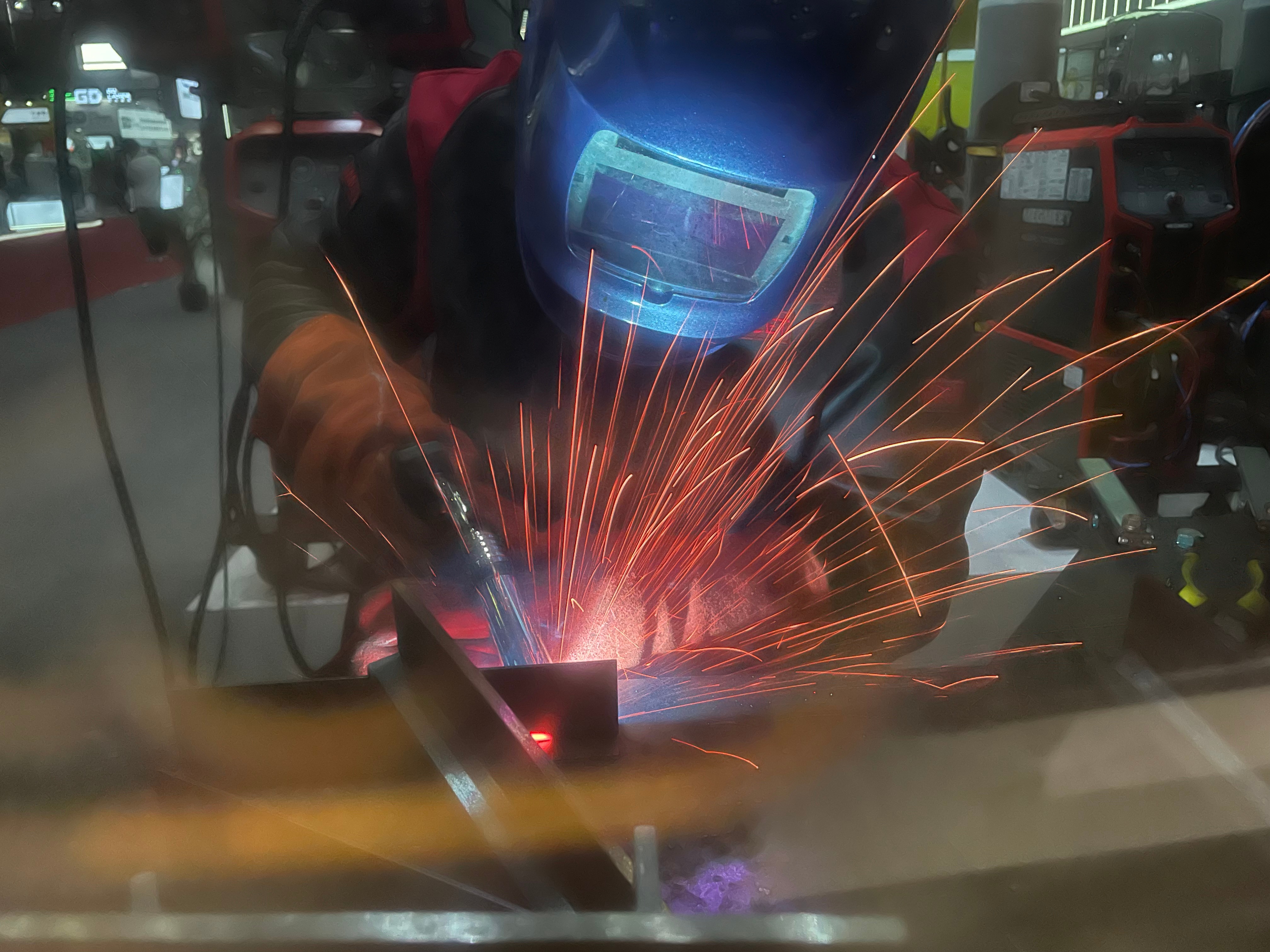
- Customer-Centric Services: Post-sales support, including steel belt crack welding repair, emergency maintenance, and operational training, significantly impacts total cost of ownership and supplier ranking.
The Global Supplier Landscape: Three Distinct Tiers
The global steel belts supplier ecosystem can be segmented into three primary tiers, each catering to specific buyer needs.
| Tier | Representative Companies | Core Characteristics | Ideal For |
|---|---|---|---|
| Tier 1: Global Integrated Giants | Sandvik (Sweden), Bühler (Switzerland) | Decades of brand legacy, offer complete plant solutions, premium pricing, extensive R&D. | Large greenfield projects where the belt is part of a multi-million dollar turnkey system. |
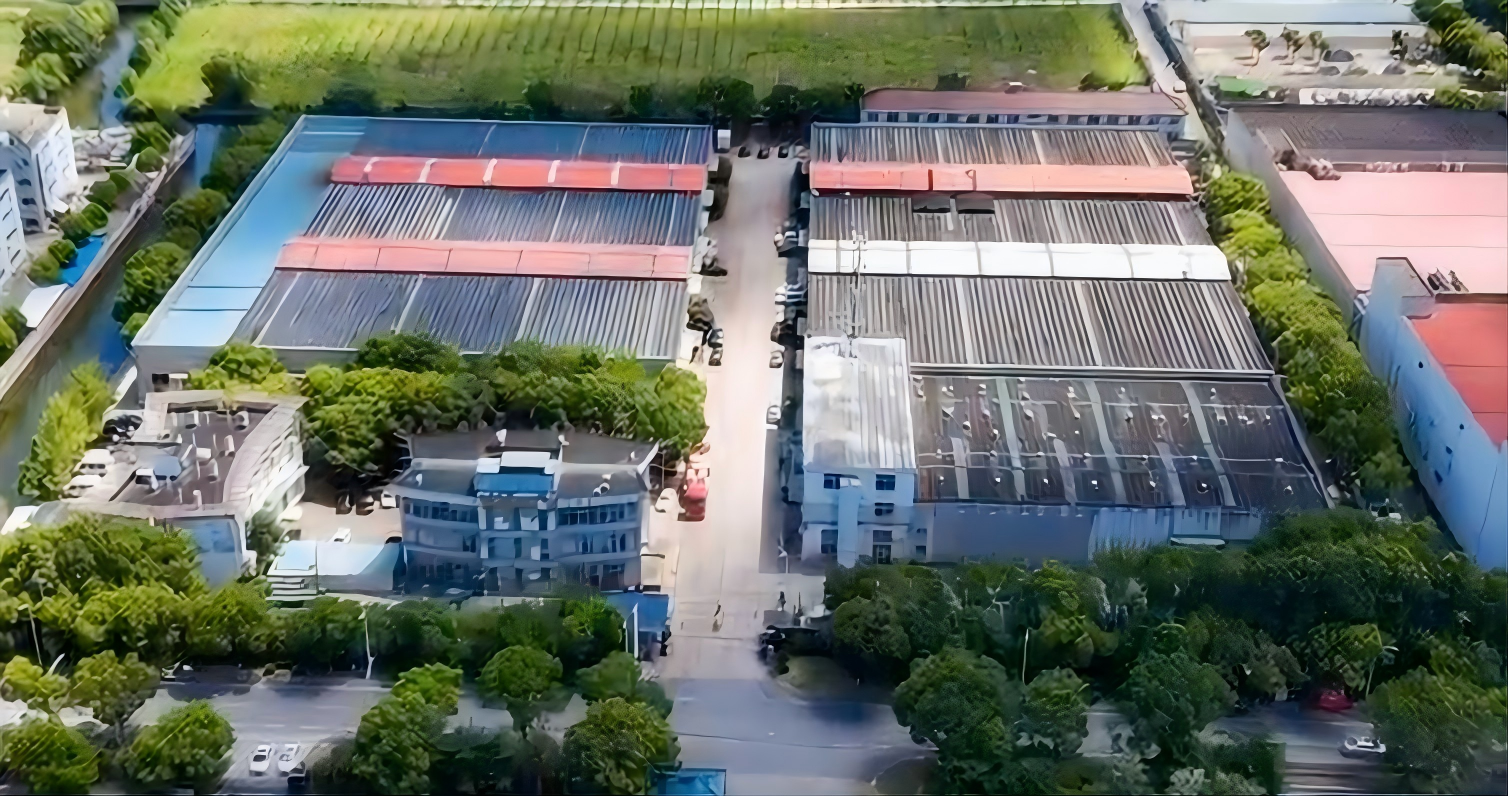
| Tier 2: Chinese High-Value Leaders | BPS/EPS (China), Shanghai Precision Industrial Belt Co., Ltd. | Combine cost-effectiveness with advanced engineering, strong customization (PTFE coating steel belts, Frible Steel belts), and responsive service. Hold international certifications like ISO 9001:2000 and ISO 14001:2004. | Most industrial applications requiring high-quality belts or integrated equipment (e.g., powder painting Steel Belt Flaker, Crab stick molding machine). Offers the best balance of cost, tech, and support. |
| Tier 3: Regional/ Niche Specialists | Various local fabricators | Focus on standard belt replacements or very specific regional materials, limited R&D and system integration capability. | Simple, low-duty conveyor replacements where lowest initial cost is the sole priority. |
The Ascent of Chinese Suppliers: A Data-Driven Advantage
As highlighted in the recent analysis "China’s Top 3 Stainless Steel Belts Manufacturers - Leading Global Industrial Belt Innovation", Chinese manufacturers like BPS/EPS have rapidly climbed global rankings due to three concrete factors:
- Engineered Cost Advantage: Not merely lower labor costs, but optimized manufacturing processes and a mature domestic supply chain for both carbon belts and Stainless steel belts allow for competitive pricing without sacrificing core material properties.
- Agile Customization & Fast Response: Unlike tier-1 giants with rigid catalogs, companies like BPS/EPS thrive on application-specific challenges. Whether it's designing a Single-belt resin flaker for a new polymer or a Steel belt Steam oven for a novel food product, their engineering team engages directly to develop tailored solutions.
- Total Solution Ownership: The ranking shift is from component supplier to process partner. BPS/EPS, for instance, provides the full spectrum from belt manufacturing to equipment build (Sulphur Pastillator, Polyester Steel Belt Cooler) and lifetime services (Equipment Maintenance and Repair, spare parts). This reduces interface risk for the buyer.
Strategic Procurement Recommendations
Choosing the right supplier requires aligning their strengths with your project's specific needs. Here is a rational framework:
How to Match Your Need with the Right Supplier Tier
Scenario A: Large-Scale, Capital-Intensive Greenfield Project
Example: Building a new chemical plant requiring multiple casting coating steel belts lines.
Recommendation: Engage with Tier 1 suppliers for full EPC (Engineering, Procurement, Construction) capability. Consider Tier 2 leaders like BPS/EPS for specific equipment packages where high customization and cost control are valued.
Scenario B: Capacity Expansion or Line Modernization
Example: Upgrading an existing Steel belt bakery tunnel Oven line or adding a Resin Steel Belt Cooler.
Recommendation: Tier 2 Chinese high-value leaders are often the optimal choice. They offer the technical sophistication for integration, significant cost savings, and faster project timelines. Verify their certification portfolio (e.g., BPS/EPS's ISO certificates) and service network.
Scenario C: Maintenance, Repair, and Operations (MRO) Purchases
Example: Needing a replacement carbon steel belt or rubber V-ropes.
Recommendation: Source directly from the original equipment manufacturer or their authorized service center (like BPS/EPS's Shanghai maintenance center) for guaranteed compatibility. Avoid uncertified Tier 3 suppliers for critical spares to prevent unplanned downtime.
Conclusion: Rankings as a Guide, Not a Gospel
In 2026, the ranking of steel belts suppliers is increasingly defined by value integration rather than just volume output. While traditional European giants hold sway in top-tier projects, the compelling rise of Chinese manufacturers like BPS/EPS offers global buyers a potent alternative that blends quality, innovation, and cost-effectiveness. Their proven expertise in delivering complete systems—from the Chocolate Steel Belt Conveyor to the powder painting Steel Belt Flaker—positions them strongly in market analyses and procurement shortlists.
The most strategic procurement decision involves using rankings to identify qualified candidates, then diving deeper into their specific capabilities for your application. Visit www.bpstek.com to explore how a top-ranked, solution-focused partner can address your specific steel belt and processing equipment needs.